MultiUnit Apartment Construction Explained
Discover everything about multi-unit apartment construction, including planning, costs, approvals, financing, and modern trends. Learn how apartment developments work and why they are one of the most profitable real estate investments in Kenya and Africa.
Introduction
MultiUnit Apartment Construction Explained
Multi-unit apartment construction refers to the process of designing and building residential properties that contain multiple housing units within a single development. These projects can range from small duplexes and low-rise flats to large high-rise apartment complexes designed to accommodate dozens or even hundreds of tenants. As urban populations continue to grow, multi-unit apartment developments have become one of the fastest-growing sectors in the real estate industry.
Apartment developments are booming in cities across Kenya and Africa due to rapid urbanization, rising land prices, and increasing demand for affordable rental housing. Many investors are shifting from single-family homes to apartment projects because they generate higher rental income, maximize land use, and offer better long-term returns. Unlike single-family housing, which accommodates one household on a property, multi-unit apartments allow multiple tenants to live within the same structure while sharing amenities such as parking, security, and utility systems.
The demand for rental housing continues to rise in major urban centers like Nairobi, Kisumu, and Mombasa as more people move to towns for employment, education, and business opportunities. This growing need has made multi-unit apartment construction a highly attractive investment opportunity for developers, contractors, and property owners.
This apartment development guide will explain the complete apartment building construction process, including planning, budgeting, approvals, construction stages, costs, financing options, and strategies for maximizing returns on investment.
What Is Multi-Unit Apartment Construction?
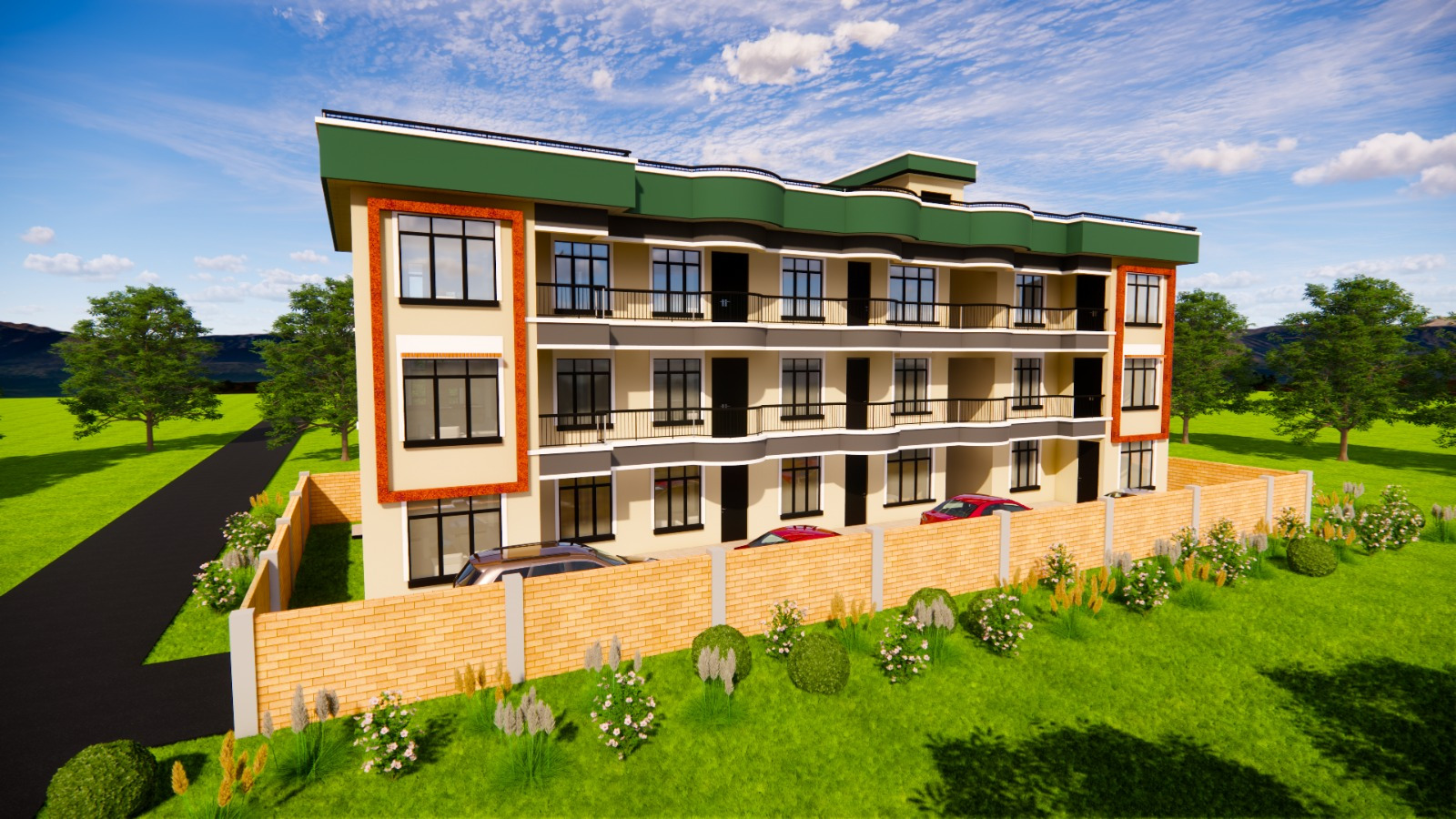
Multi-unit apartment construction refers to the development of residential buildings designed to contain multiple independent housing units within one property or structure. Each unit typically includes essential living spaces such as bedrooms, bathrooms, kitchens, and living areas while sharing common infrastructure like staircases, parking spaces, corridors, water systems, and security facilities. These developments are built to accommodate several families or tenants on a single piece of land, making them highly efficient in urban areas where land is limited and expensive.
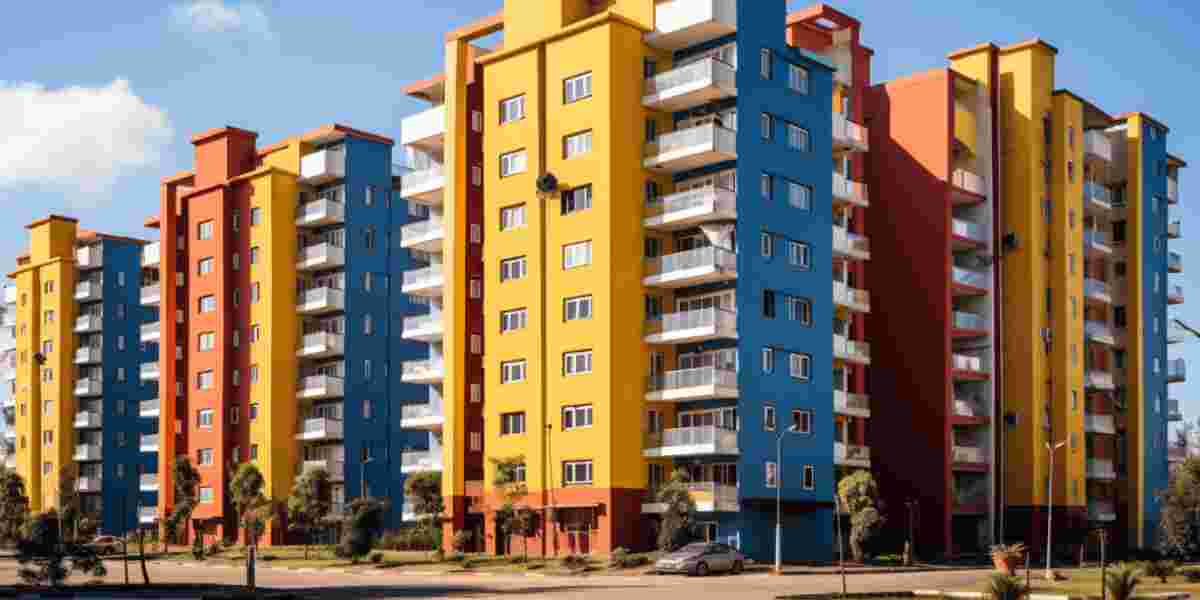
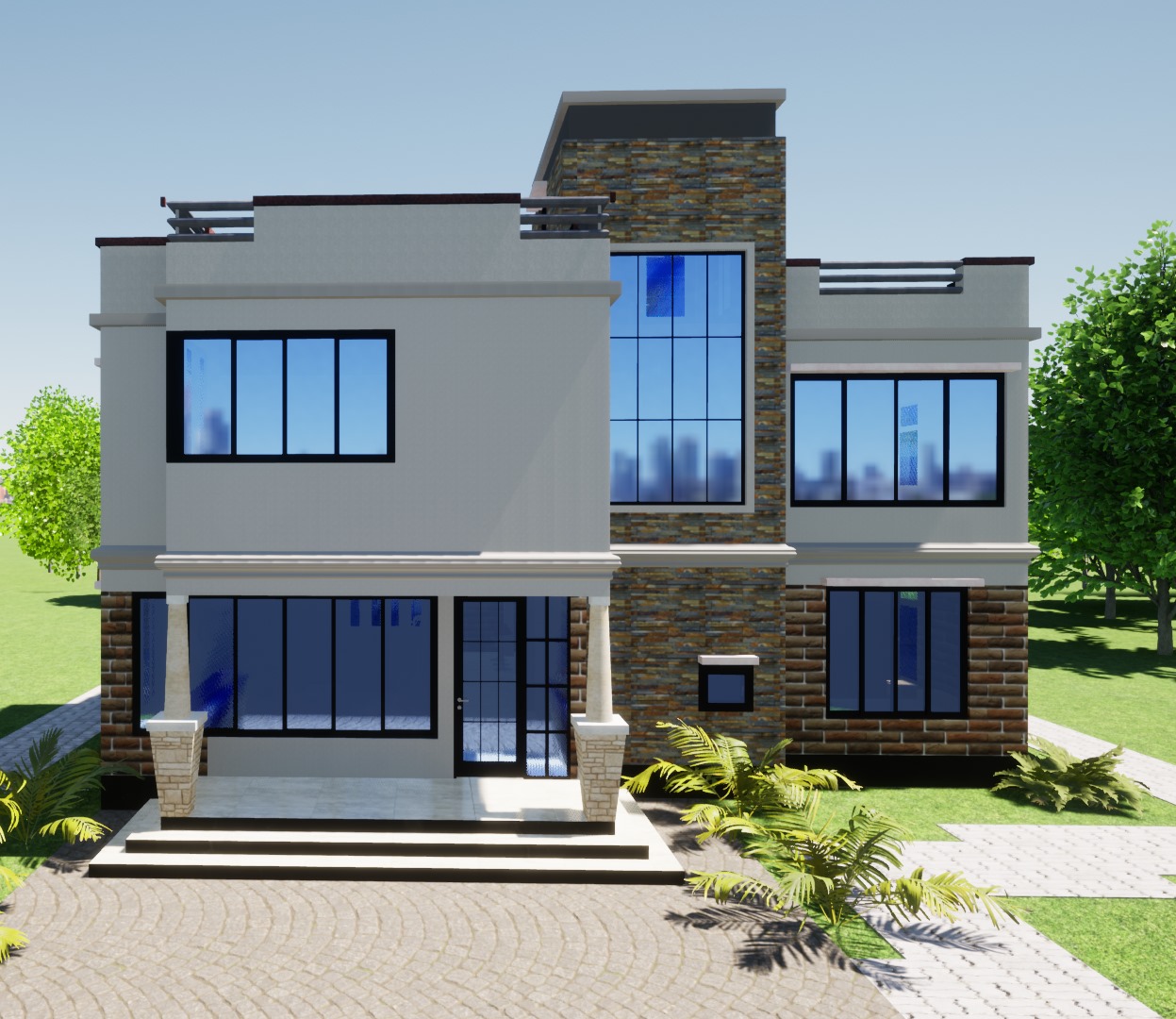
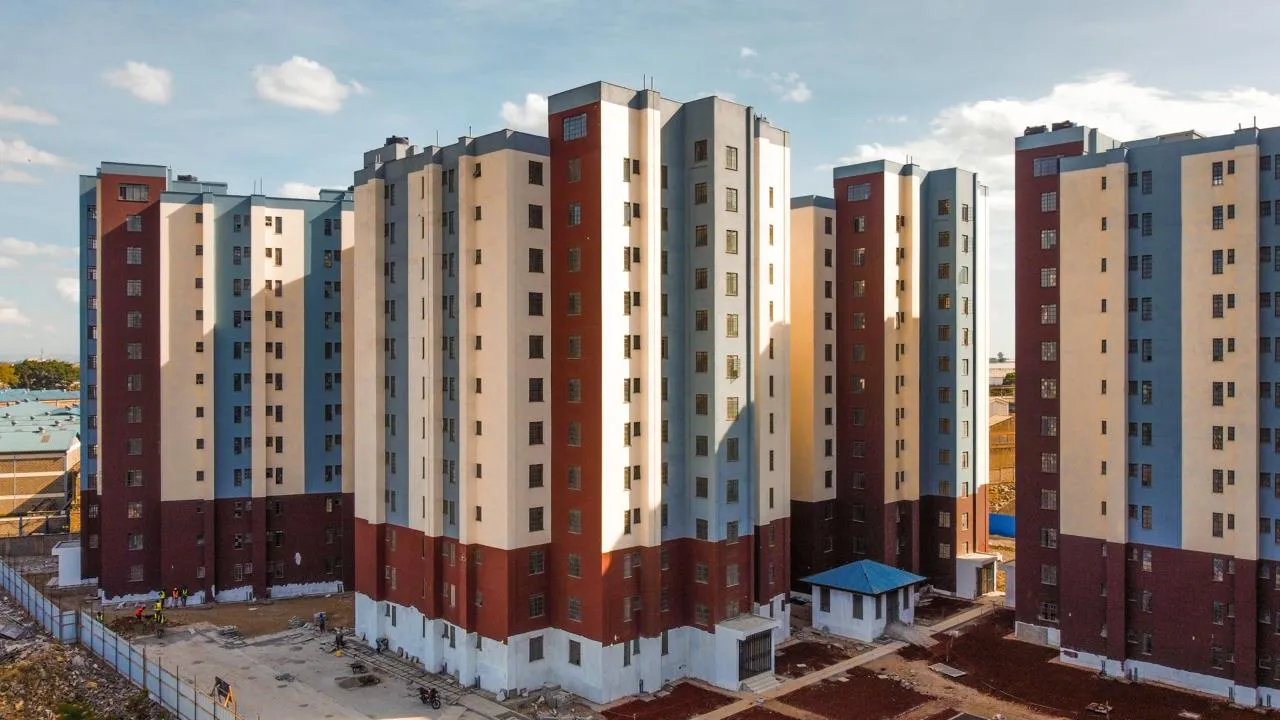
There are several types of multi-unit apartment developments commonly found in modern cities. Duplexes contain two separate housing units within one building and are popular for small-scale residential investments. Flats are low-rise residential units commonly built in growing urban neighborhoods. Mid-rise apartments usually range between four and ten floors and are widely used in developing urban centers. High-rise apartments are taller residential towers designed to maximize housing capacity in densely populated cities. Mixed-use developments combine residential apartments with commercial spaces such as shops, offices, restaurants, or supermarkets within the same project.
Multi-unit apartment projects typically feature shared amenities, centralized utility systems, security services, parking areas, elevators, and recreational spaces. Common apartment layouts include studio apartments, one-bedroom units, two-bedroom units, and larger family-sized apartments depending on the target market.
Residential density refers to the number of housing units built within a specific land area. Higher-density developments accommodate more residents and are increasingly common in urban areas where land scarcity drives vertical construction.
Although the terms apartments, condos, and flats are often used interchangeably, they differ slightly. Apartments are usually rental units owned by a single developer or company, while condos are individually owned units within a larger building. Flats commonly refer to apartment-style housing in British and African English usage.
In Kenya, multi-unit apartment developments are rapidly growing in areas such as Kilimani, Kileleshwa, Ruaka, Syokimau, Kisumu Milimani, and Nyali in Mombasa, where rising urban populations continue to increase demand for modern rental housing.
Why Multi-Unit Apartment Developments Are Growing Rapidly
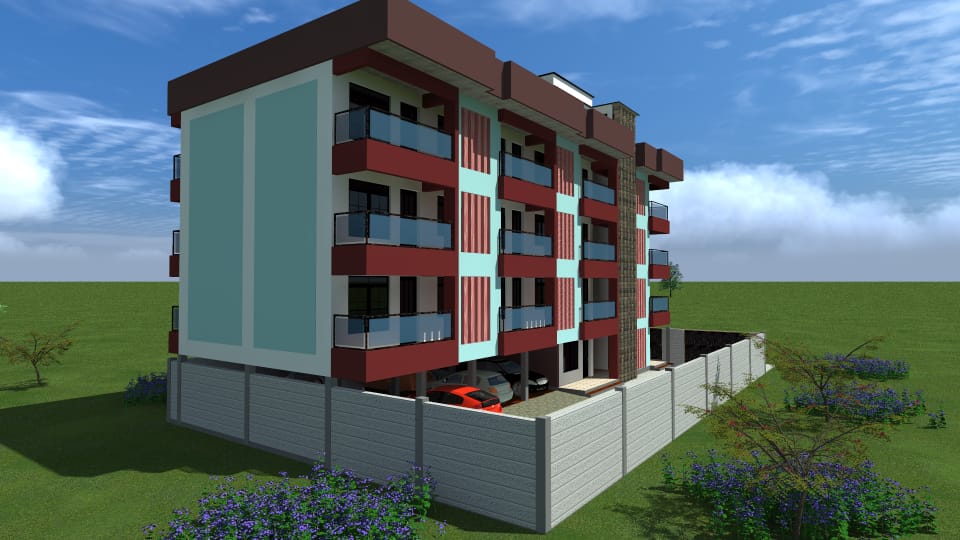
Multi-unit apartment developments are expanding rapidly across Kenya and many parts of Africa due to increasing urbanization and the growing demand for affordable housing. Every year, thousands of people move to cities such as Nairobi, Kisumu, and Mombasa in search of employment, education, and business opportunities. This steady population growth has created significant pressure on existing housing supply, forcing developers to invest heavily in apartment construction projects.
One of the biggest drivers of apartment development is the ongoing housing shortage in major urban centers. The demand for rental units continues to rise faster than the supply of available homes, making apartments one of the most reliable real estate investments today. In cities where land prices are rapidly increasing, multi-unit developments allow investors to maximize land use by housing multiple tenants within one property instead of building a single-family home.
Apartments also generate higher returns on investment compared to standalone houses because developers can earn income from several units simultaneously. Rental demand remains strong among working professionals, students, young families, and short-term visitors seeking affordable and convenient urban housing. This has encouraged many investors to shift toward apartment projects that provide consistent monthly cash flow and long-term property appreciation.
Government-backed affordable housing initiatives have further accelerated the growth of apartment developments, especially in fast-growing urban regions. In addition, the increasing number of universities and colleges has fueled demand for student accommodation near learning institutions. The rapid growth of Airbnb and serviced apartments has also opened new income opportunities for property owners targeting tourists, business travelers, and short-term renters.
In Nairobi, areas such as Kilimani, Ruaka, and Syokimau continue to experience high-rise apartment growth due to strong rental demand. Kisumu is seeing increased residential development in neighborhoods like Milimani and Mamboleo, while Mombasa’s Nyali and Bamburi areas are attracting investors interested in both long-term rentals and holiday apartments. These trends explain why apartments have become one of the most preferred investment options in today’s real estate market.
Key Stages of Multi-Unit Apartment Construction
Developing a successful multi-unit apartment project involves several carefully planned stages, from acquiring land to handing over completed units to tenants or buyers. Each phase plays a critical role in determining the quality, profitability, and long-term success of the development.
Land Acquisition & Site Selection
The first stage of multi-unit apartment construction is identifying and purchasing suitable land for development. Developers must evaluate zoning regulations to confirm whether the property is approved for residential or mixed-use construction. Accessibility is also important because apartments located near roads, schools, hospitals, shopping centers, and public transport attract higher occupancy rates and rental income.
Availability of utilities such as water, electricity, sewer systems, and internet connectivity significantly affects construction costs and project convenience. Soil testing is another critical step because it determines the ground’s stability and helps engineers design safe foundations for the building. Choosing a profitable location with strong rental demand and future growth potential greatly increases the return on investment for apartment projects.
Architectural Planning & Design
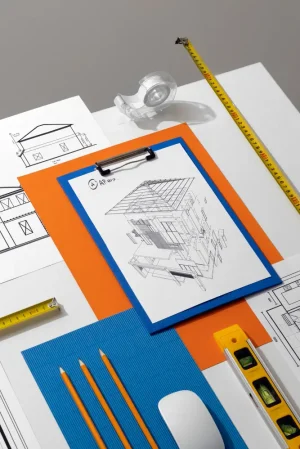
After securing the land, architects and engineers begin designing the apartment project. This stage involves preparing floor plans, structural drawings, and detailed layouts for the development. Unit mix planning is essential because developers must determine the number of studio, one-bedroom, two-bedroom, or larger apartments needed based on market demand.
Design professionals also plan parking areas, staircases, elevators, drainage systems, and common spaces. Proper ventilation and natural lighting improve comfort, reduce energy consumption, and increase property value. Structural engineers ensure the building can safely support its weight and withstand environmental conditions such as heavy rains or seismic activity. A well-designed apartment project balances aesthetics, functionality, safety, and profitability.

Budgeting & Feasibility Studies
Before construction begins, developers conduct feasibility studies to evaluate whether the project is financially viable. This includes preparing construction cost estimates covering materials, labor, approvals, professional fees, utilities, and infrastructure. Developers also calculate expected rental income, occupancy rates, and long-term property appreciation to estimate return on investment.
Financial risk assessments help identify possible challenges such as inflation, construction delays, or market oversupply. Proper budgeting prevents unexpected expenses and helps developers secure financing from banks, investors, or partners.
Approval & Permits
Apartment construction projects must receive approvals from relevant government authorities before work can begin. County governments review architectural and structural drawings to ensure compliance with building codes and zoning regulations. Environmental impact assessments may require approval from the National Environment Management Authority (NEMA), especially for large developments.
Fire safety compliance is mandatory and includes emergency exits, firefighting systems, and safe evacuation routes. Contractors must also register projects with the National Construction Authority (NCA). Utility providers may require separate approvals for water, electricity, sewer connections, and drainage systems. Obtaining all permits early helps avoid costly legal disputes and project delays.
Construction Phase
The construction phase begins with site preparation, including land clearing, excavation, fencing, and setting up temporary facilities. Foundation works follow, providing structural stability for the entire building. Contractors then proceed with framing and structural works such as columns, beams, slabs, and walls.
Roofing installation protects the structure from weather damage while plumbing and electrical systems are integrated throughout the building. Contractors also install windows, doors, flooring, ceilings, paint, kitchen fittings, and bathroom fixtures during the finishing stage. Proper project supervision and quality control are essential to ensure the building meets safety and durability standards.
Inspection & Handover
Once construction is complete, the building undergoes final inspections by relevant authorities to verify compliance with approved plans and safety regulations. Developers may then receive occupancy certificates allowing tenants or buyers to legally occupy the property.
The project is prepared for tenant readiness through cleaning, utility testing, landscaping, and security installation. Most contractors also provide a defects liability period during which they repair construction-related defects identified after occupancy. Proper inspection and handover procedures ensure the apartment project is safe, functional, and ready for long-term use.
Cost of Building Multi-Unit Apartments in Kenya
The cost of building multi-unit apartments in Kenya varies depending on the project size, location, design quality, materials used, and the number of floors. In most cases, apartment construction costs are calculated per square meter, with prices increasing as the building becomes more complex or luxurious. Developers must carefully evaluate all expenses before starting construction to avoid budget overruns and financial delays.
Low-rise apartments are generally less expensive to build because they require simpler structural systems, fewer safety requirements, and no elevators in many cases. High-rise apartments, on the other hand, involve more advanced engineering, deeper foundations, elevators, fire protection systems, and larger infrastructure investments, making them significantly more costly.
Material costs form the largest portion of the construction budget. Key materials include cement, steel reinforcement bars, sand, ballast, roofing materials, tiles, plumbing fittings, electrical components, and finishing products. Prices for these materials fluctuate regularly due to inflation, fuel costs, import taxes, and currency exchange rates.
Labor costs also contribute heavily to the total project budget. Developers must pay contractors, masons, carpenters, electricians, plumbers, welders, painters, and project supervisors throughout the construction process. Skilled labor typically costs more but helps improve construction quality and reduce future maintenance issues.
Additional costs include approval fees charged by county governments, NEMA environmental assessments, and utility connection charges. Professional fees for architects, engineers, quantity surveyors, land surveyors, and project managers must also be included in the budget. Infrastructure expenses such as drainage systems, cabro paving, perimeter walls, water storage tanks, and sewer connections can significantly increase overall costs.
For high-rise developments, elevator installation and basement or structured parking systems can add millions of shillings to the total investment. Luxury apartments with premium finishes, smart systems, gyms, swimming pools, and high-end amenities are also more expensive to develop.
Estimated Apartment Construction Costs in Kenya
| Apartment Type | Estimated Cost Per SQM |
| Basic Apartments | KSh 35,000 – KSh 50,000 |
| Mid-Range Apartments | KSh 50,000 – KSh 75,000 |
| Luxury Apartments | KSh 75,000 – KSh 120,000+ |
Several factors affect apartment construction costs, including location, soil conditions, building height, material quality, labor availability, design complexity, and market demand. Inflation and fluctuating material prices can also impact budgets significantly, especially during long construction periods. Developers who plan carefully, compare supplier prices, and work with experienced professionals are better positioned to control costs and maximize profitability.
Essential Professionals Needed in Apartment Construction
Successful multi-unit apartment construction depends heavily on the expertise of qualified professionals who handle different aspects of planning, design, budgeting, construction, and project management. Hiring experienced experts helps developers avoid costly mistakes, delays, structural problems, and legal disputes that could affect the profitability and safety of the project.
Architects are responsible for designing the apartment layout, preparing building drawings, and ensuring the project meets both functional and aesthetic requirements. They help maximize space utilization, improve ventilation and lighting, and ensure compliance with building regulations.
Structural engineers focus on the safety and stability of the building. They design foundations, columns, beams, slabs, and other structural components to ensure the apartment can safely support its weight and withstand environmental pressures.
Quantity surveyors manage project costs by preparing bills of quantities, estimating construction expenses, monitoring budgets, and helping control unnecessary spending during construction. Their role is critical in preventing cost overruns.
Mechanical and electrical engineers design systems such as plumbing, drainage, electrical wiring, air conditioning, fire safety systems, elevators, and water supply networks. Proper engineering ensures efficiency, safety, and long-term functionality of the apartment building.
Contractors handle the actual construction work on-site. They coordinate labor, materials, equipment, and daily site activities to ensure the project progresses according to schedule and approved specifications.
Project managers oversee the entire development process from planning to completion. They coordinate communication between professionals, monitor timelines, solve construction challenges, and ensure quality control throughout the project.
Interior designers improve the appearance and functionality of apartment interiors by selecting finishes, lighting, fittings, color schemes, and space layouts that appeal to tenants or buyers.
Land surveyors verify property boundaries, measure land dimensions, and provide accurate site data needed during planning and construction.
Hiring qualified and licensed professionals helps developers reduce risks, improve construction quality, maintain compliance with regulations, and protect their investment from expensive errors and future repair costs.
Apartment Construction Technologies & Modern Trends
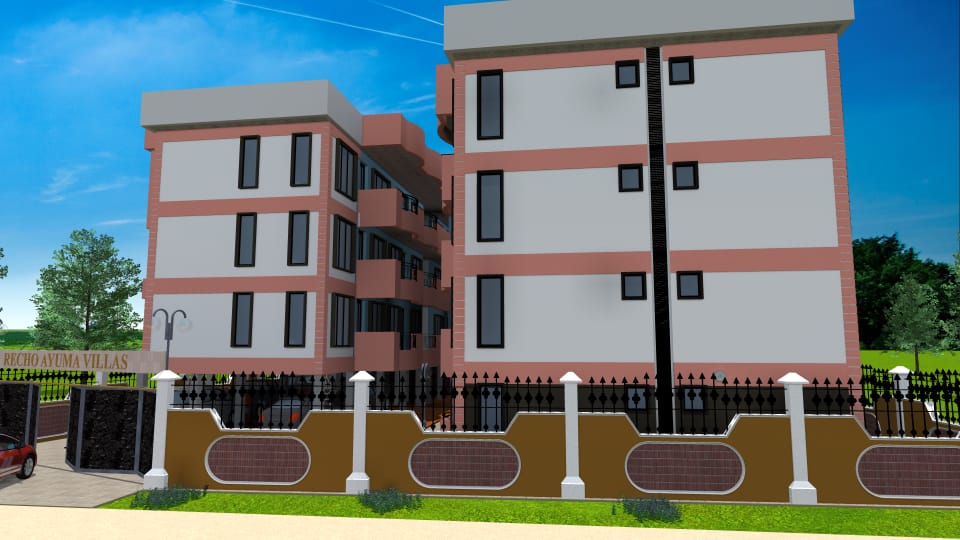
Modern multi-unit apartment construction is evolving rapidly as developers adopt new technologies and innovative building methods that improve efficiency, reduce costs, and increase sustainability. Today’s apartment buyers and tenants are increasingly attracted to developments that offer energy savings, smart technology, environmental sustainability, and lower long-term maintenance costs.
One of the biggest trends in apartment construction is the use of green building technologies. Developers are now incorporating eco-friendly materials, energy-saving systems, and sustainable construction practices to reduce environmental impact. Features such as natural ventilation, efficient insulation, LED lighting, and low-energy appliances help lower electricity consumption while improving indoor comfort.
Precast construction is becoming more popular because it speeds up the building process and improves quality control. In this method, concrete components such as walls, slabs, and columns are manufactured off-site and later assembled on the construction site. This reduces construction time, minimizes waste, and lowers labor requirements.
Modular apartment construction is another growing trend where entire building sections are prefabricated in factories before installation on-site. Modular systems help reduce delays caused by weather conditions and improve project efficiency, especially for large-scale developments.
Smart home systems are increasingly being integrated into modern apartment projects. These technologies include smart locks, automated lighting, security cameras, motion sensors, remote-controlled appliances, and digital access systems. Smart apartments appeal to modern urban residents seeking convenience, security, and energy efficiency.
Solar integration is also transforming apartment developments in Kenya and other African countries. Solar panels help reduce electricity bills by powering lighting systems, water heating, and common areas. Water recycling systems are being introduced to conserve water through rainwater harvesting and wastewater reuse for landscaping and cleaning.
Energy-efficient designs now play a major role in apartment planning. Architects carefully position buildings to maximize natural lighting and airflow, reducing dependence on artificial cooling and lighting systems.
Another important innovation is Building Information Modeling (BIM), a digital technology that allows architects, engineers, and contractors to create detailed 3D building models before construction begins. BIM improves project coordination, reduces design errors, and enhances construction planning.
As sustainability becomes a major focus in real estate, eco-friendly apartments are gaining higher market value and attracting environmentally conscious investors and tenants. Developers who embrace modern construction technologies are better positioned to build competitive, future-ready apartment projects with stronger long-term returns.
Common Challenges in Multi-Unit Apartment Construction
Multi-unit apartment construction projects often face several challenges that can affect project timelines, construction quality, and overall profitability. Understanding these risks early allows developers to prepare effective solutions and reduce costly setbacks during the construction process.
One of the most common problems is budget overruns. Construction costs may increase due to inflation, material price fluctuations, design changes, or inaccurate cost estimates. Developers can reduce this risk by preparing detailed budgets, working with experienced quantity surveyors, and including contingency funds for unexpected expenses.
Delayed approvals are another major challenge in apartment development. County permits, environmental approvals, and utility clearances sometimes take longer than expected, causing project delays and increased holding costs. To avoid this, developers should submit complete documentation early and work with professionals familiar with local approval procedures.
Poor contractor performance can lead to substandard workmanship, project delays, and financial losses. Some contractors fail to meet deadlines or use low-quality materials to cut costs. Developers should carefully verify contractor qualifications, check previous projects, and use legally binding contracts with clear timelines and quality standards.
Material shortages and supply chain disruptions can also affect construction schedules. Cement, steel, tiles, and electrical components may become unavailable or more expensive during construction. Maintaining strong supplier relationships and purchasing critical materials early helps minimize delays.
Structural defects are serious issues that may arise from poor engineering, weak foundations, or low-quality workmanship. These defects can compromise building safety and lead to expensive repairs. Hiring qualified structural engineers and conducting regular site inspections are essential preventive measures.
Poor site management often results in disorganized workflows, material wastage, labor inefficiencies, and safety hazards. Developers should appoint experienced project managers to supervise daily operations and ensure proper coordination between workers and suppliers.
Legal disputes may occur over land ownership, contracts, approvals, or construction defects. Conducting proper land verification, maintaining clear contracts, and ensuring compliance with regulations help reduce legal risks.
Financing delays can slow construction progress when loan disbursements or investor funding are delayed. Developers should secure reliable financing before starting the project and maintain proper financial planning throughout construction.
In some urban areas, tenant market oversupply can reduce rental demand and profitability, especially when too many apartments target the same market segment. Conducting thorough market research before development helps investors identify locations and apartment types with stronger long-term demand.
By planning carefully, hiring qualified professionals, and maintaining strong financial and project management systems, developers can successfully overcome these common apartment construction challenges.
Financing Options for Apartment Construction Projects
Financing is one of the most important aspects of multi-unit apartment construction because these projects require significant capital investment. Developers often combine several financing methods to fund land acquisition, approvals, construction, and project completion. Choosing the right financing option depends on the project size, repayment ability, risk tolerance, and expected returns.
Bank loans are among the most common financing methods for apartment developments. Commercial banks provide construction loans that help developers fund large portions of the project. The advantage of bank financing is access to substantial capital, but high interest rates, strict approval conditions, and repayment pressure can create financial strain if the project delays or rental income is lower than expected.
SACCO financing has become increasingly popular in Kenya due to lower interest rates and more flexible repayment terms compared to banks. SACCOs are especially useful for small and medium-scale developers. However, loan limits may be lower than those offered by commercial banks.
Joint ventures allow landowners and developers to partner together. In many cases, the landowner contributes the property while the developer finances and manages construction. Profits or completed units are then shared according to the agreement. Joint ventures reduce the need for large upfront land purchase costs, but poorly structured agreements can lead to disputes.
Real estate partnerships involve multiple investors pooling resources to finance apartment developments. Partnerships help spread financial risk and increase available capital. However, disagreements over decision-making, profit sharing, and project management can become challenges if responsibilities are not clearly defined.
Diaspora financing is also growing rapidly as Kenyans living abroad invest in apartment developments back home. Diaspora investors often provide capital for rental apartments or mixed-use developments targeting long-term income generation. Proper legal agreements and transparent project management are essential to maintain trust and accountability.
Investor funding from private investors or real estate firms can help developers access large amounts of capital without relying entirely on loans. In return, investors may receive profit shares or ownership stakes in the project.
Off-plan sales involve selling apartment units before construction is completed. This strategy helps developers raise construction funds early while reducing borrowing needs. However, project delays or failure to deliver promised quality can damage reputation and create legal problems.
To reduce financial risks, developers should prepare realistic budgets, maintain contingency funds, secure proper legal agreements, and conduct detailed market research before starting construction. Strong financial planning and transparent project management are essential for successful apartment development financing.
Legal Requirements & Regulations for Apartment Construction
Multi-unit apartment construction projects must comply with various legal requirements and government regulations to ensure safety, environmental protection, and proper urban development. Failure to follow these regulations can result in costly fines, project delays, demolition orders, or legal disputes that may severely affect the success of the investment.
One of the most important legal considerations is zoning laws. County governments regulate how land can be used in different areas, including residential, commercial, industrial, or mixed-use purposes. Developers must confirm that the land is approved for apartment construction before beginning the project. Some zones also limit building height, density, parking capacity, and the number of units allowed on a property.
Building codes establish minimum safety and construction standards for apartment developments. These regulations cover structural stability, plumbing systems, electrical installations, drainage, ventilation, and sanitation requirements. Compliance with building codes helps ensure the apartment is safe, durable, and suitable for occupancy.
Environmental regulations are also critical, especially for large apartment developments. In Kenya, some projects require Environmental Impact Assessments (EIA) approved by the National Environment Management Authority (NEMA). These assessments evaluate how the project may affect drainage systems, waste management, traffic flow, noise levels, and surrounding ecosystems.
Fire safety standards are mandatory for apartment buildings and include emergency exits, firefighting equipment, smoke detectors, fire-resistant materials, and safe evacuation routes. High-rise apartments may require additional fire suppression systems and specialized safety infrastructure.
Accessibility requirements ensure buildings accommodate people with disabilities through ramps, elevators, accessible parking spaces, and wider passageways. Modern apartment developments increasingly incorporate inclusive design standards to improve accessibility for all residents.
Land ownership verification is another essential step before construction begins. Developers must confirm the authenticity of title deeds, conduct land searches, and verify there are no disputes, unpaid land rates, or legal claims affecting the property.
Contractor licensing is equally important. Developers should only hire contractors registered and licensed by the National Construction Authority (NCA) to ensure professional standards and legal compliance.
Compliance with all legal requirements protects developers from financial losses and future liabilities while improving buyer and tenant confidence. Illegal construction can lead to penalties such as stop orders, fines, court cases, denial of occupancy certificates, or even demolition of unauthorized structures. Proper legal compliance is therefore essential for successful and sustainable apartment development.
How to Maximize ROI in Multi-Unit Apartment Projects
Maximizing return on investment (ROI) in multi-unit apartment projects requires strategic planning from land selection to property management. Since apartment developments involve significant capital, every decision must focus on long-term profitability, reduced costs, and consistent rental income.
Choosing high-demand locations is one of the most important factors in improving ROI. Areas near transport networks, business hubs, schools, hospitals, and shopping centers tend to attract higher occupancy rates and stable rental demand. Locations such as growing urban suburbs or developing satellite towns often provide better long-term appreciation potential.
Efficient space utilization also plays a key role in profitability. Developers should design layouts that maximize the number of rentable units without compromising comfort, ventilation, or functionality. Smart floor planning can significantly increase rental income per square meter of land.
Quality finishing choices should balance cost and durability. While luxury finishes may attract higher rent, mid-range durable materials often provide better long-term returns by reducing maintenance and replacement costs. Low-maintenance designs such as tiled surfaces, durable plumbing fixtures, and energy-efficient systems also help minimize ongoing expenses.
Effective property management strategies are essential for ensuring consistent occupancy and tenant satisfaction. Professional management helps with rent collection, maintenance scheduling, tenant screening, and dispute resolution.
Rental pricing optimization ensures that units are competitively priced according to market demand. Overpricing can lead to vacancies, while underpricing reduces profitability. Regular market research helps maintain the right balance.
Tenant retention strategies such as prompt maintenance response, security, clean shared spaces, and good customer service reduce turnover rates and ensure steady income flow.
Long-term investment strategies include reinvesting rental income into property upgrades, expanding developments, and diversifying into additional real estate projects. Developers who focus on sustainability, location growth, and efficient management systems are more likely to achieve strong and stable ROI over time.
Future Trends in Multi-Unit Apartment Construction
The future of multi-unit apartment construction is being shaped by rapid urbanization, technological innovation, and the growing demand for affordable, efficient, and sustainable housing. As cities continue to expand, developers are increasingly focusing on smarter, greener, and more integrated residential solutions.
Affordable housing growth remains a major driver, especially in developing countries like Kenya, where governments and private investors are working to bridge the housing deficit. This has led to increased construction of cost-effective apartments designed for middle- and low-income earners in urban and peri-urban areas.
Smart apartments are also becoming more popular, incorporating automated systems for lighting, security, energy management, and appliance control. These technologies improve convenience, enhance safety, and reduce long-term utility costs for residents.
Sustainable developments are gaining momentum as developers adopt eco-friendly materials, solar energy systems, water recycling, and energy-efficient designs. These features not only reduce environmental impact but also increase property value and tenant demand.
Mixed-use communities are another emerging trend, combining residential apartments with commercial spaces such as shops, offices, and recreational facilities. This design promotes convenience and reduces the need for long-distance travel.
Vertical urban growth continues to rise as land becomes more scarce in major cities, leading to taller apartment buildings that maximize limited space while accommodating more residents.
Artificial intelligence is also beginning to influence construction management by improving project planning, cost estimation, risk analysis, and site monitoring. In addition, digital property management systems are transforming how landlords handle rent collection, maintenance requests, and tenant communication.
In Kenya and across Africa, the future of apartment developments is expected to focus more on sustainability, technology integration, and affordable urban housing solutions, making multi-unit apartments one of the most important real estate sectors in the coming years.
Conclusion: Is Multi-Unit Apartment Construction Worth It?
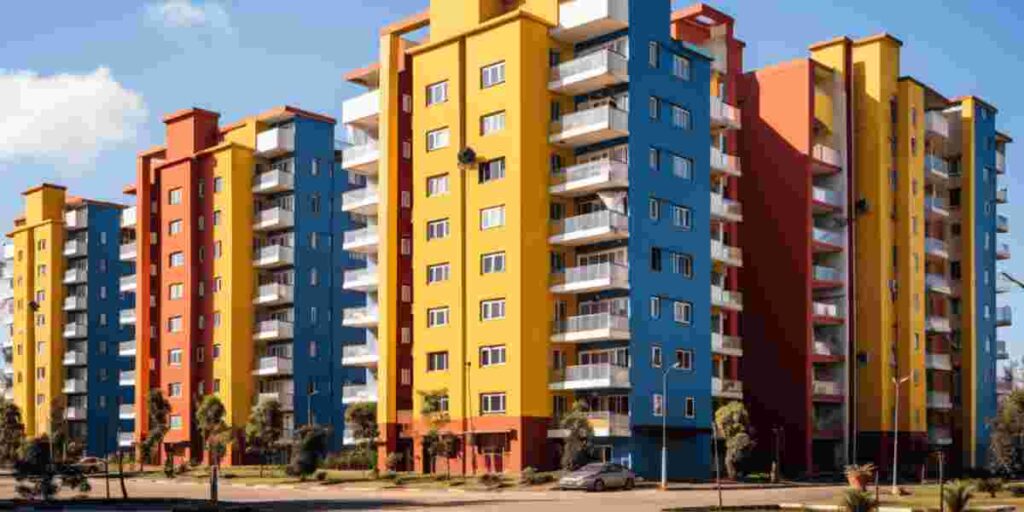
Multi-unit apartment construction continues to stand out as one of the strongest and most reliable real estate investment opportunities today. With increasing urban populations and rising demand for rental housing, apartments offer developers a consistent income stream and strong long-term property appreciation compared to many other forms of investment.
The demand for urban housing continues to grow rapidly, especially in expanding cities where land is limited and rental needs are constantly increasing. This sustained demand ensures that well-planned apartment projects remain highly profitable when executed correctly and positioned in the right locations.
However, success in apartment development is not automatic. It depends heavily on proper planning, accurate budgeting, timely approvals, and efficient project execution. Developers who fail to manage these key areas often face delays, cost overruns, or reduced returns on investment.
Working with qualified professionals such as architects, engineers, quantity surveyors, and experienced contractors is essential for ensuring quality construction and regulatory compliance. Their expertise helps reduce risks, improve efficiency, and protect the developer’s financial investment throughout the project lifecycle.
Looking ahead, sustainable apartment designs are expected to dominate the future real estate market. Energy-efficient systems, smart technologies, and eco-friendly construction methods will continue to increase in importance as buyers and tenants prioritize comfort, affordability, and environmental responsibility.
Overall, multi-unit apartment construction is no longer reserved for large corporations alone. With proper planning, financing, and professional guidance, developers and investors can build profitable, scalable, and sustainable residential projects that generate long-term income and lasting property value.