
Discover how to choose the best apartment contractor in Kenya with this complete guide. Learn key steps, costs, red flags, contracts, and expert tips to ensure quality, safety, and profitable apartment construction.
Introduction
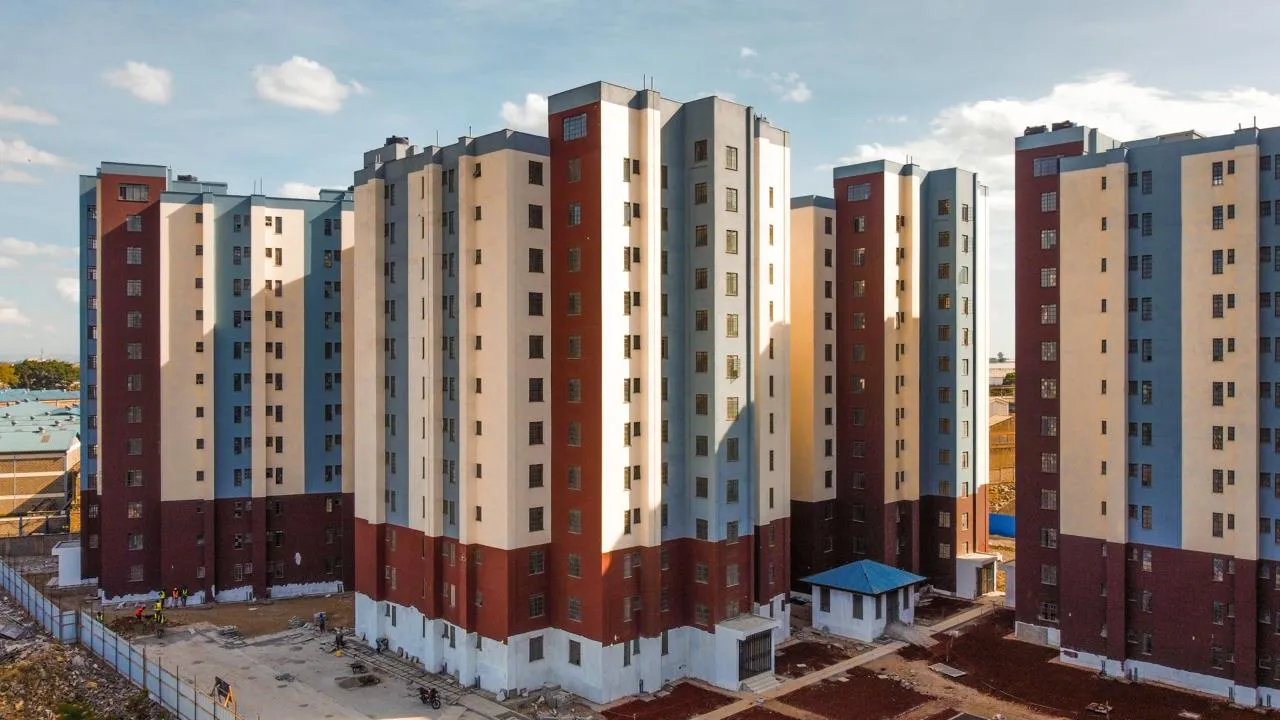
The demand for quality housing continues to rise rapidly across Kenya, with major urban centers such as Nairobi, Kisumu, Nakuru, Eldoret, and Mombasa experiencing increased interest in apartment developments. This growth is driven by urbanization, a growing middle class, and the need for affordable rental housing. As a result, apartment construction has become one of the most attractive real estate investment opportunities in the country.
However, while many investors are eager to build, one critical decision often determines whether a project succeeds or fails—the choice of contractor. Selecting the right apartment contractor in Kenya is not just a technical decision; it is a financial and strategic one. Apartment construction is a major investment that requires precision, experience, and strong project management. A wrong choice can lead to costly delays, substandard work, structural defects, legal disputes, and even complete project abandonment.
On the other hand, working with a qualified and experienced apartment construction company in Kenya ensures quality workmanship, timely project delivery, and long-term profitability. The best contractors understand structural requirements, urban building regulations, and modern design expectations that influence rental returns and property value.
Many developers—especially first-time and diaspora investors—often worry about being overcharged, experiencing project delays, or falling victim to unqualified builders. These fears are valid given the number of incomplete or poorly executed projects across the country.
This comprehensive guide will walk you through everything you need to know about selecting the best contractor for apartments in Kenya. From verifying credentials and evaluating experience to identifying red flags and understanding contracts, you will gain a clear roadmap to help you confidently choose reliable apartment builders in Kenya and protect your investment from start to finish.
Why Choosing the Right Apartment Contractor Matters
Apartment construction is far more complex than building a standalone house. Unlike single-dwelling homes, apartments involve multi-floor structural systems that require precise engineering, strong foundations, and strict adherence to building codes. Every additional floor increases the load on the structure, making the choice of contractor critical to the safety and durability of the entire building.
Beyond structure, apartments also demand carefully planned plumbing and drainage systems. Poor coordination in these areas can lead to persistent leakage, blocked sewage lines, and expensive long-term repairs. Fire safety is another essential consideration, especially in multi-unit developments where escape routes, staircases, and emergency systems must meet regulatory standards.
Tenant expectations also play a major role in apartment success. Modern renters expect quality finishes, proper ventilation, reliable water supply, and functional layouts. A poorly executed project can quickly lead to low occupancy rates, tenant complaints, and reduced income potential.
Ultimately, the contractor you choose directly impacts both rental income and property resale value. Well-built apartments attract higher rents and maintain stronger market value, while poorly constructed ones struggle in competitive urban markets.
In Kenya, many developers have experienced costly failures due to poor contractor selection. Common issues include stalled projects that remain unfinished for years, visible structural cracks caused by weak foundations, and poor waterproofing that leads to chronic leakage problems. In other cases, developers face long delays in project handover, resulting in financial strain and lost income opportunities.
These challenges highlight a simple truth: choosing the right apartment contractor in Kenya is not optional—it is the foundation of a successful investment. A skilled contractor ensures structural integrity, regulatory compliance, and long-term profitability of your apartment project.
Understand the Types of Apartment Contractors in Kenya
Before choosing an apartment contractor in Kenya, it is important to understand that not all contractors offer the same level of expertise or service. Different contractors operate under different models, and selecting the wrong type can significantly affect the success of your project.
General Building Contractors
These are contractors who handle a wide range of construction projects, including residential houses, commercial buildings, and sometimes small apartment blocks. While they are versatile, not all have deep specialization in high-rise or multi-unit apartment developments.
Design-Build Contractors
These contractors manage both the design and construction phases of a project. This means they work with architects and engineers in-house or as part of a coordinated team. Their advantage is streamlined communication and faster project delivery since everything is handled under one roof.
Specialized Apartment Developers
These are highly experienced firms that focus specifically on apartment and multi-storey developments. They understand structural requirements, urban planning regulations, and market-driven designs that maximize rental returns.
Turnkey Contractors
Turnkey contractors handle everything from design, approvals, construction, finishing, and sometimes even interior furnishing. The developer simply “turns the key” once the project is complete.
Labour-Only Contractors
These contractors only provide labour, while the developer supplies materials. This option may appear cheaper but requires high supervision and carries higher risk if not well managed.
NCA Contractor Categories in Kenya
The National Construction Authority (NCA) classifies contractors from NCA 1 to NCA 8, based on financial capacity, technical expertise, and project experience.
- NCA 1–4 contractors are qualified for large-scale and complex projects, including multi-storey apartments.
- NCA 5–8 contractors are generally suited for smaller residential or low-rise structures.
For apartment developments, especially in urban areas like Nairobi or Mombasa, it is strongly recommended to work with NCA 1–4 registered contractors. These firms have the capacity, equipment, and technical teams required to handle structural demands, compliance requirements, and project scale effectively.
Many guides mention NCA registration, but few clearly explain these categories—yet this is one of the most critical decision factors in selecting the right contractor.

Step-by-Step Process for Choosing the Best Apartment Contractor in Kenya
Choosing the right apartment contractor in Kenya requires more than just comparing prices or looking at advertisements. It is a structured process that involves verification, evaluation, and careful due diligence. A systematic approach helps developers avoid costly mistakes, project delays, and poor workmanship. The following step-by-step framework will guide you in selecting a reliable contractor who can successfully deliver a quality apartment project from foundation to completion.
Verify NCA Registration and Legal Compliance
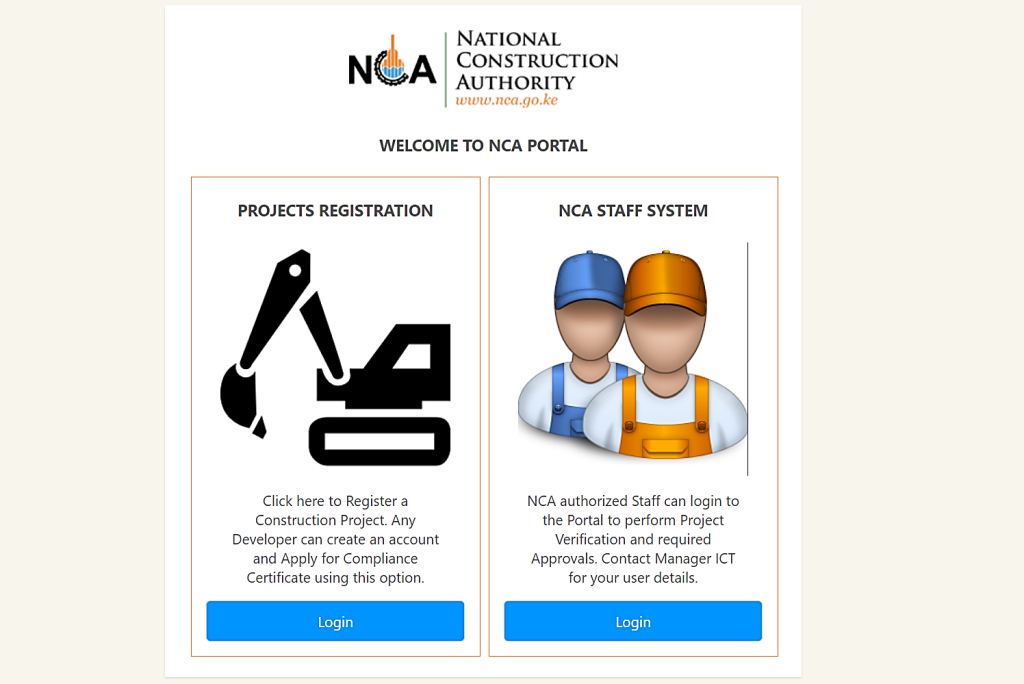
The first and most important step is confirming that the contractor is legally registered and authorized to operate in Kenya. Start by checking their National Construction Authority (NCA) registration to ensure they are licensed to handle construction projects. This confirms that the contractor has met minimum technical and financial requirements.
Next, verify their business registration documents to ensure the company is legally recognized. It is also important to confirm KRA compliance, as tax-compliant contractors are generally more stable and trustworthy. Additionally, check whether they have valid insurance coverage, including workers’ compensation and public liability insurance, to protect you from potential legal or financial claims.
You should also ensure they comply with county government approvals and meet occupational safety and health standards, especially for multi-storey apartment projects where safety risks are higher.
Practical Tip:
You can verify NCA registration online through the official NCA contractor database by searching the contractor’s name or registration number.
Risk Alert:
Working with unlicensed contractors exposes you to serious risks, including legal disputes, demolition orders, structural failure, and financial losses.
Check Experience in Apartment Construction Specifically
Not all contractors who build houses are qualified to build apartments. Experience in apartment construction is far more critical due to the complexity of multi-storey structures.
Apartments require specialized knowledge in:
- High-rise vs low-rise structural design
- Basement excavation and reinforcement
- Lift shaft planning and coordination
- Parking layout design
- Multi-unit drainage and plumbing systems
- Structural load distribution across floors
Without this expertise, even small mistakes can compromise the entire building.
Questions to Ask:
- How many apartment projects have you completed?
- What is the size and scale of your previous projects?
- Have you worked on urban developments with similar conditions?
A contractor with proven apartment experience is far more likely to deliver a safe, efficient, and profitable project.
Review Previous Apartment Projects and Portfolio
A contractor’s portfolio gives you real insight into their capabilities. Always review completed or ongoing apartment projects before making a decision.
What to Look For:
- Quality of finishes (tiles, painting, fittings)
- Structural alignment and strength
- Exterior design and overall appearance
- Condition of common areas (stairs, corridors, lifts)
- Parking layout efficiency
- Rooftop and drainage systems
Whenever possible, visit at least one or two completed sites physically. This allows you to assess workmanship beyond photos.
Also check Google reviews, client testimonials, and online feedback to understand the contractor’s reputation. Consistent complaints about delays or poor quality are major warning signs.
Ask for References From Past Clients
References provide honest insights that portfolios often do not reveal. Speaking directly to previous clients helps you understand how the contractor performs under real project conditions.
Suggested Questions:
- Was the project completed on time?
- Were there unexpected cost increases?
- How was communication throughout the project?
- Were there any hidden charges or disputes?
- Would you hire the contractor again?
Clients who have experienced delays, poor communication, or budget overruns will usually share valuable red flags that can help you make a better decision.
Compare Detailed Quotations — Not Just Price
One of the biggest mistakes developers make is choosing the cheapest contractor. In most cases, extremely low prices lead to compromised quality or hidden costs later.
A proper quotation should be detailed and transparent, including:
- Material specifications and brands
- Labour costs breakdown
- Project timelines
- Structural and foundation works
- Finishing details
- VAT and tax breakdown
Red Flag Warning Signs:
- Unusually low quotations compared to market rates
- Missing items in the Bill of Quantities (BOQ)
- Unrealistic project timelines
Many competing guides fail to emphasize this, yet it is one of the most critical decision points in contractor selection.
Evaluate Project Management Systems
A professional contractor should have strong project management systems in place to ensure smooth execution.
Look for:
- On-site supervisors and engineers
- Weekly or monthly progress reports
- Clear work schedules and milestones
- Material tracking and accountability systems
- Digital communication and reporting tools
For diaspora investors or busy developers, strong project management is essential to ensure transparency and control without being physically present on-site.
Assess Financial Stability of the Contractor
A financially unstable contractor can easily derail your project. Financial health is often overlooked but plays a key role in project continuity.
Warning Signs of Financial Instability:
- Frequent borrowing from clients or suppliers
- Delayed payments to workers
- Lack of equipment or resources
- Multiple stalled or abandoned projects
A financially stable contractor ensures steady progress, timely procurement of materials, and consistent labour availability, reducing the risk of delays or project collapse.
Understand the Contract Before Signing
A construction contract is your most important protection document. Never proceed without fully understanding its terms.
A proper contract should clearly include:
- Detailed scope of work
- Payment schedule tied to milestones
- Project completion timelines
- Defect liability period
- Variation and change order clauses
- Termination conditions
- Delay penalties and accountability terms
It is highly recommended to involve a lawyer or quantity surveyor when reviewing the contract. These professionals help identify hidden risks and ensure your interests are fully protected.
A well-structured contract reduces disputes, improves accountability, and ensures smoother project execution from start to finish.

Major Red Flags When Hiring Apartment Contractors in Kenya
Identifying warning signs early can save you from costly mistakes when selecting an apartment contractor in Kenya. Many developers lose millions of shillings not because construction is impossible, but because they ignore clear red flags during the hiring stage. A reliable contractor should demonstrate professionalism, transparency, and accountability from the very first interaction.
One of the most serious warning signs is a contractor with no physical office location. Legitimate companies should have verifiable offices where you can meet the team, review documents, and assess their operations. Contractors operating only through phone calls or informal sites are often difficult to trace if problems arise.
Another major red flag is lack of NCA registration. Any contractor handling apartment construction must be registered with the National Construction Authority. Without this, there is no assurance of technical competence or legal compliance.
Be cautious of contractors who demand large upfront payments before any work begins. While mobilization fees are normal, excessive upfront demands often signal financial instability or fraudulent intentions.
A contractor who refuses to provide a written contract is also highly risky. Verbal agreements leave room for disputes, hidden costs, and project abandonment.
Poor communication is another early warning sign. Delayed responses, unclear explanations, or inconsistent updates often reflect disorganized project management.
If a contractor refuses to provide references or past clients, it may indicate hidden failures or unfinished projects. Similarly, unrealistically low prices are often used to attract clients before introducing hidden charges later.
Another critical red flag is the absence of qualified engineers or site supervisors. Apartment construction requires technical oversight, and lack of professional supervision often leads to structural defects and delays.
Be wary of contractors who use pressure tactics, such as forcing you to sign quickly, offering “limited-time discounts,” or discouraging you from comparing quotes. This is often used to rush clients into poor decisions.
In Kenya, there have been numerous cases where developers were left with abandoned apartment projects after contractors disappeared with mobilization funds, or where buildings had to be demolished due to structural non-compliance. Others have suffered from inflated costs midway through construction due to unclear agreements.
Ultimately, recognizing these red flags early helps you avoid scams, protect your investment, and ensure you hire a trustworthy apartment construction company in Kenya capable of delivering a safe, completed, and profitable project.
Fixed Price Contract vs Labour Contract for Apartment Projects
When planning an apartment development in Kenya, one of the most important financial decisions is choosing the right contracting model. The two most common options are the fixed price contract and the labour contract, and each has distinct advantages and risks that directly affect project success.
A fixed price contract means the contractor agrees to complete the entire project at an agreed total cost. This model offers predictable budgeting, making it easier for developers to plan finances without worrying about fluctuating costs. It also places higher responsibility on the contractor, since they must deliver the project within the agreed amount and timeline. In most cases, the developer has less day-to-day supervision, as the contractor manages materials, labour, and execution. However, fixed price contracts may sometimes include hidden contingencies if not clearly detailed in the agreement.
On the other hand, a labour contract involves the contractor providing only labour, while the developer supplies all materials. This model offers more flexibility, especially when developers want control over material quality and purchasing decisions. It can sometimes appear cheaper upfront, but it requires greater involvement from the owner, including supervision, procurement, and coordination. Without proper management, there is also a higher risk of material misuse, wastage, or inefficiency.
Comparison Summary
| Fixed Price Contract | Labour Contract |
| Predictable cost | More flexibility |
| Less supervision required | High owner involvement |
| Higher contractor accountability | Risk of material misuse |
Final Insight
For most apartment construction projects in Kenya, a fixed price contract is generally more suitable, especially for developers who want stability, reduced stress, and clearer financial planning. Labour contracts may work for experienced developers or those with strong site supervision teams, but they carry higher management demands and risk exposure.
How Much Do Apartment Contractors Charge in Kenya?
The cost of hiring an apartment contractor in Kenya varies widely depending on several technical, structural, and market-related factors. Unlike simple residential houses, apartment projects involve complex engineering, multiple floors, and strict regulatory requirements, all of which significantly influence pricing.
One of the biggest cost drivers is the number of floors. Taller buildings require stronger foundations, more reinforcement, and additional labour, which increases overall construction costs. Similarly, the location of the project plays a major role. Urban areas such as Nairobi and Mombasa tend to have higher labour and logistics costs compared to smaller towns.
Soil conditions also affect pricing. Weak or unstable soil may require deeper foundations, piling, or additional reinforcement, all of which increase contractor costs. The level of finishing standards chosen by the developer—such as basic, mid-range, or luxury finishes—also significantly impacts the final budget.
Additional features like basement parking and elevator installation introduce higher technical requirements and specialist labour, making the project more expensive. Likewise, structural complexity, such as irregular designs or mixed-use developments, requires more engineering input and skilled supervision.
Common Contractor Pricing Models in Kenya
Contractors typically use different pricing structures depending on the project:
- Per Square Metre Pricing:
This is one of the most common models for apartment projects, where the contractor charges based on total built-up area. It provides a rough estimate but may vary depending on specifications. - Labour-Only Contracts:
In this model, the contractor charges for labour only, while the developer supplies materials. It may seem cheaper but requires strong supervision and procurement management. - Turnkey Construction:
This is a full-package model where the contractor handles everything from design and approvals to construction and finishing. It offers convenience but usually comes at a higher overall cost.
Current Market Considerations in Kenya
In today’s Kenyan construction market, prices are influenced by rising material costs, fuel prices, and inflation. Cement, steel, and imported finishes have all seen fluctuations, which directly affect contractor quotations. Additionally, increased demand for rental apartments in urban areas has led to more competitive but also more varied pricing among contractors.
Ultimately, understanding these cost factors helps developers make informed decisions and choose the right apartment construction company in Kenya based not only on price but also on value, quality, and long-term return on investment.
Best Questions to Ask an Apartment Contractor Before Hiring
Before signing any agreement with an apartment contractor in Kenya, it is essential to ask the right questions. These questions help you assess professionalism, experience, transparency, and overall capability to handle a complex apartment project. A reliable contractor will answer confidently and provide clear documentation to support their responses.
- Are you NCA registered?
This confirms whether the contractor is legally approved to undertake construction projects in Kenya. - Can I visit your ongoing or completed projects?
Site visits help you verify workmanship quality and project management standards firsthand. - Who supervises the site daily?
Understanding the site structure ensures there are qualified engineers or supervisors on-site at all times. - What happens if the project is delayed?
This reveals how the contractor handles timelines, accountability, and compensation for delays. - Do you provide warranties or defect liability periods?
A professional contractor should guarantee their work for a specified period after completion. - How do you handle variations or changes in scope?
This helps you understand how additional costs and design changes are managed during construction. - Do you have valid insurance coverage?
Insurance protects both the developer and workers against accidents, damages, or unforeseen risks. - Can you provide a detailed construction schedule?
A structured timeline shows proper planning and helps track project progress effectively.
These questions are critical because they separate experienced, professional contractors from unqualified or risky ones. A serious apartment construction company in Kenya will not only answer these questions but will also provide written documentation and evidence to support their claims. Asking them upfront helps reduce risks, prevent misunderstandings, and ensures your apartment project is delivered successfully, on time, and within budget.
Should You Hire a Construction Project Manager Separately?
Hiring a separate construction project manager can significantly improve the success rate of an apartment development in Kenya, especially for complex or high-value projects. While some contractors offer in-house management, an independent project manager provides an additional layer of oversight that protects the developer’s interests.
One of the key benefits is quality control. A project manager ensures that construction works meet the required standards, specifications, and approved drawings at every stage. This reduces the risk of poor workmanship and structural defects that are common in poorly supervised projects.
They also provide budget oversight, helping to track expenditures, prevent unnecessary costs, and ensure that funds are used efficiently. This is particularly important in apartment projects where costs can escalate quickly due to variations and material fluctuations.
Another major advantage is contractor accountability. An independent project manager acts as a neutral party who monitors progress and ensures the contractor delivers according to the agreed schedule and contract terms. This reduces the chances of delays, shortcuts, or incomplete work.
They also help reduce the risk of fraud or mismanagement, especially in cases where developers are not physically present on-site. Through regular reporting and inspections, they ensure transparency throughout the project.
In addition, project managers improve coordination between architects, engineers, contractors, and suppliers, ensuring smoother workflow and fewer misunderstandings.
This role is especially important for diaspora investors, who cannot regularly supervise site work, as well as for large apartment developments where complexity is high. Busy developers who cannot manage daily site activities also benefit greatly from having a dedicated professional overseeing the entire process.
Apartment Construction Trends in Kenya (2026 Insights)
Apartment development in Kenya is rapidly evolving, driven by urban growth, changing lifestyles, and increased investor interest in rental income. As a result, modern apartment contractors in Kenya must now go beyond basic construction skills and understand emerging market trends that influence design, functionality, and profitability.
One of the biggest trends is the rise of affordable housing apartments, especially in rapidly growing urban areas. These projects focus on maximizing unit numbers while keeping construction costs manageable, making them attractive for both developers and tenants.
Another growing trend is smart apartments, which incorporate technology such as digital security systems, smart meters, automated lighting, and remote access controls. These features are becoming increasingly popular among middle- and upper-income renters.
Developers are also embracing rooftop amenities, including lounges, gyms, and recreational spaces. These additions increase property value and make apartments more appealing in competitive rental markets.
Green buildings are also gaining traction, with a focus on energy efficiency, water conservation, and environmentally friendly materials. This trend is being influenced by rising utility costs and environmental awareness among tenants and investors.
In addition, mixed-use developments—which combine residential, commercial, and retail spaces—are becoming more common in urban centers. They offer convenience to residents and create multiple income streams for developers.
There is also increasing demand for Airbnb-friendly apartments, particularly in cities like Nairobi, Mombasa, and Kisumu. These units are designed with short-term rental flexibility in mind, offering higher returns for investors.
For contractors, understanding these trends is no longer optional. Modern developers expect professionals who can deliver projects that align with current market demands. A forward-thinking apartment construction company in Kenya must be able to integrate design innovation, efficiency, and market relevance into every project.
Ultimately, contractors who adapt to these trends are better positioned to deliver profitable, future-ready apartment developments that meet both investor expectations and tenant needs.

Expert Tips for a Successful Apartment Construction Project
Successfully completing an apartment project in Kenya requires more than just hiring a contractor—it demands careful planning, discipline, and continuous oversight. Even with the right apartment contractor in Kenya, how you manage the project will significantly influence the final outcome.
One of the most important principles is never rushing the contractor selection process. Taking time to compare options, verify credentials, and review past projects reduces the risk of costly mistakes later.
Developers should also prioritize quality over cheap pricing. The lowest quote is often not the best option, especially in apartment construction where structural integrity and durability are critical.
It is highly recommended to hire consultants independently, such as architects, engineers, or quantity surveyors, to ensure unbiased supervision and technical guidance throughout the project.
Regular site inspections are essential to monitor progress and ensure that work is being done according to approved plans and standards. This helps identify problems early before they become expensive to fix.
Maintaining written communication for all instructions, changes, and approvals helps avoid misunderstandings and provides legal protection in case of disputes.
Using milestone-based payments is another effective strategy. Payments should be tied to specific stages of completion, such as foundation, structural work, roofing, and finishing, rather than paying large amounts upfront.
Finally, developers should verify materials regularly to ensure that the correct quality and specifications are being used. Substandard materials can compromise the entire building’s safety and longevity.
By following these expert practices, developers can significantly increase the chances of completing a successful, high-quality apartment project that delivers long-term value and strong rental returns in Kenya’s competitive real estate market.
Conclusion: How to Choose the Best Apartment Contractor in Kenya
Choosing the right apartment contractor in Kenya is one of the most important decisions a developer can make. It directly determines the quality, safety, cost efficiency, and long-term profitability of your project. With the growing demand for apartments across urban areas, the risks of hiring unqualified or unverified contractors are also increasing, making due diligence more important than ever.
To make the right choice, always start by verifying licenses and experience. Ensure the contractor is properly registered with relevant authorities and has proven experience in apartment construction specifically, not just general building works.
Next, take time to compare quotations carefully, focusing not only on price but also on materials, timelines, and scope of work. A detailed quotation is always a sign of professionalism and transparency.
It is equally important to review past apartment projects. Visiting completed or ongoing sites gives you a real picture of workmanship quality, finishing standards, and project management capability.
Never proceed without a clear written contract. A well-documented agreement protects both parties and clearly outlines responsibilities, timelines, payments, and dispute resolution mechanisms.
Developers should also be cautious of suspiciously cheap contractors, as extremely low pricing often leads to hidden costs, poor workmanship, or abandoned projects.
Above all, prioritize professionalism, communication, and transparency. A reliable contractor should be open, responsive, and willing to provide all necessary documentation and references without hesitation.
Final Insight
The success of any apartment project depends heavily on contractor quality. The right choice protects your investment, ensures structural safety, and enhances long-term rental income and property value. Taking time to select the best contractor is not an expense—it is a critical investment in the success of your entire development.