
Learn proven strategies for managing contractors effectively in construction projects. Improve communication, supervision, budgeting, safety, and project delivery.
Introduction
Managing contractors effectively is one of the most important aspects of successful construction project delivery. Whether constructing a residential home, apartment complex, commercial building, or infrastructure project, the performance of contractors directly affects the quality, timeline, safety, and overall cost of the work. Even with a strong project design and sufficient funding, poor contractor management can quickly lead to delays, financial losses, disputes, and unsatisfactory workmanship.
Construction projects often involve multiple teams working at the same time, including fundis, subcontractors, suppliers, engineers, and site supervisors. Without proper coordination and leadership, communication breakdowns and accountability issues can slow progress and create costly mistakes. Common problems such as missed deadlines, budget overruns, material wastage, poor site supervision, and conflicts between contractors can negatively impact the entire project.
Effective contractor management requires clear communication, proper planning, strong leadership, and continuous monitoring of work progress. Project managers and site supervisors must ensure that contractors understand expectations, follow schedules, maintain quality standards, and comply with safety requirements.
This article explores practical strategies for managing contractors effectively, including contractor selection, communication systems, scheduling, supervision, cost control, safety management, dispute resolution, and the use of technology to improve project coordination and productivity.
What Contractor Management Means in Construction
Contractor management in construction refers to the process of planning, coordinating, supervising, and evaluating contractors and subcontractors involved in a building project. It involves ensuring that all contracted workers complete their tasks according to agreed timelines, quality standards, budgets, and safety requirements. Effective contractor management helps maintain smooth project operations from the beginning of construction to final completion.
Unlike regular employees who work directly under a company’s daily control, contractors are usually hired for specific tasks or project phases. They may include masons, electricians, plumbers, painters, steel fixers, roofing specialists, or subcontracted construction firms. Managing contractors therefore requires a different approach that focuses on communication, accountability, performance monitoring, and contract compliance rather than traditional employee supervision.
In most construction projects, successful contractor management depends heavily on proper coordination between several parties. The client provides project expectations and funding, while the project manager oversees planning and execution. Site supervisors monitor daily activities on-site, subcontractors handle specialized work, and suppliers ensure timely delivery of construction materials. If these parties fail to communicate and cooperate effectively, the entire project can quickly face serious challenges.
Poor contractor management often leads to budget overruns due to material wastage, labor inefficiency, and repeated corrections of poor workmanship. Delays may occur when contractors fail to meet deadlines or when teams are poorly coordinated. Misunderstandings and unclear agreements can also result in legal disputes between clients and contractors. Additionally, weak supervision increases safety risks, exposing workers and projects to accidents, injuries, and regulatory penalties.
Why Effective Contractor Management Is Important
Effective contractor management plays a major role in determining whether a construction project succeeds or fails. Proper supervision, coordination, and communication help ensure that construction activities run smoothly, costs remain controlled, and work is completed according to the required standards. In fast-moving construction environments, poor contractor management can easily disrupt productivity and create serious financial and operational problems.
Improves Project Completion Time
Well-managed contractors are more likely to complete tasks on schedule because responsibilities, timelines, and expectations are clearly communicated. Proper coordination between different teams also prevents unnecessary downtime and workflow interruptions. When contractors work efficiently, projects move faster and avoid costly delays.
Reduces Construction Costs
Effective contractor management helps control labor expenses, reduce material wastage, and prevent expensive rework caused by poor workmanship. Monitoring contractor performance also helps identify inefficiencies early before they become major financial problems. In many Kenyan construction projects, poor labor coordination often increases costs due to idle workers, repeated corrections, and delayed material usage.
Enhances Quality of Work
Consistent supervision and regular inspections help ensure contractors follow approved construction standards and specifications. Quality control reduces defects, improves durability, and increases client satisfaction. Skilled contractor management also encourages workers to maintain professionalism and accountability on-site.
Improves Safety Compliance
Construction sites contain many hazards that require strict safety procedures. Effective contractor management ensures workers use protective equipment, follow site safety guidelines, and report dangerous conditions quickly. This reduces accidents, injuries, and project interruptions caused by unsafe working environments.
Reduces Conflicts and Miscommunication
Many construction disputes arise from unclear instructions, delayed payments, or misunderstandings between contractors and project stakeholders. Good communication and proper documentation help minimize disagreements and improve teamwork between clients, project managers, subcontractors, suppliers, and site supervisors.
In Kenya’s construction industry, accountability is especially important because contractor inefficiency can significantly reduce labor productivity and delay project delivery. Strong contractor management systems help create more organized, productive, and financially stable construction projects.
How to Select the Right Contractors for a Project
Choosing the right contractors is one of the most critical decisions in any construction project. The quality of workmanship, project speed, safety standards, and overall construction costs are heavily influenced by the contractors hired. Poor contractor selection often leads to delays, disputes, low-quality work, and financial losses. Proper evaluation before hiring helps reduce risks and improves project success.
Verify Experience and Past Projects
Before hiring any contractor, it is important to assess their experience and previous work. Contractors who have successfully handled similar projects are more likely to understand construction requirements, site coordination, and problem-solving. Reviewing completed projects allows clients and project managers to evaluate workmanship quality, finishing standards, and reliability.
Check Licenses and Certifications
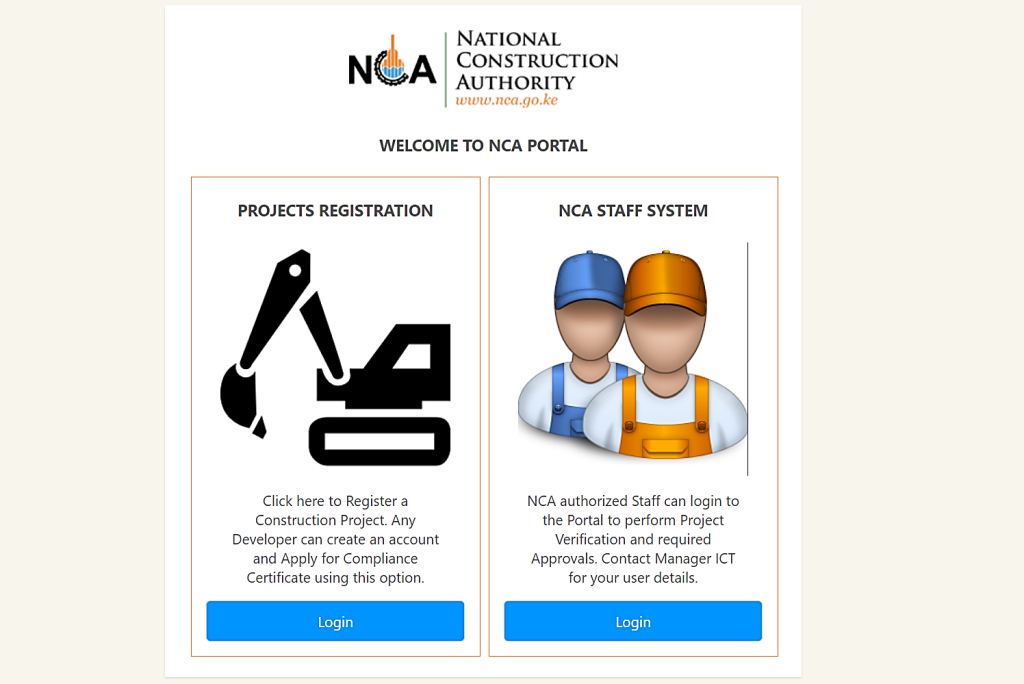
Professional contractors should possess the necessary licenses, certifications, and registrations required by local construction authorities. These documents help confirm that the contractor meets industry standards and operates legally. Hiring unqualified or unlicensed contractors may expose projects to legal problems, unsafe practices, and poor-quality construction.
Review References and Reputation
Speaking with previous clients can provide valuable insight into a contractor’s reliability, professionalism, and work ethic. Online reviews, referrals, and recommendations from trusted industry professionals can also help identify dependable contractors. Reliable contractors usually maintain good communication, meet deadlines, and handle challenges responsibly.
Compare Pricing Carefully
While budget considerations are important, selecting contractors based only on the lowest quotation can create bigger problems later. Cheap contractors may use low-quality materials, employ unskilled labor, or fail to complete work properly, leading to costly repairs and delays. A reasonable and transparent quotation that clearly explains labor, materials, and timelines is often a better indicator of professionalism and project value.
Evaluate Communication and Professionalism
Good contractors communicate clearly, respond promptly, and demonstrate professionalism during project discussions. They should be willing to explain work procedures, timelines, and potential challenges openly. Strong communication skills are essential for avoiding misunderstandings and maintaining smooth project coordination.
Written agreements should always be prepared before construction begins. Contracts help define the scope of work, payment terms, deadlines, responsibilities, and quality expectations. To avoid unreliable fundis and subcontractors, project owners should avoid verbal agreements, request references, verify identification documents, and monitor contractor behavior during the early stages of work.
Setting Clear Expectations Before Work Begins
One of the most effective ways to manage contractors successfully is by setting clear expectations before construction work starts. Many project delays, disputes, and quality issues occur because responsibilities and procedures were not properly communicated at the beginning. Clear guidelines help contractors understand project goals, reduce confusion, and improve accountability throughout the construction process.
Define Scope of Work
Every contractor should clearly understand the specific tasks they are responsible for completing. The scope of work should outline the type of work involved, materials to be used, construction methods, and expected deliverables. Clearly defining responsibilities helps prevent overlap between contractors and reduces misunderstandings during project execution.
Set Deadlines and Milestones
Construction timelines should be discussed and agreed upon before work begins. Project managers should establish realistic deadlines for each phase of the project and create measurable milestones to track progress. This helps contractors remain focused and allows site supervisors to identify delays early enough for corrective action.
Clarify Payment Terms
Payment agreements should be transparent and documented properly. Contractors need to understand when payments will be made, the conditions for payment approval, and how variations or additional work will be handled. Clear financial arrangements help reduce disputes and improve trust between all parties involved.
Establish Quality Standards
Contractors should be informed about the expected quality standards for workmanship, materials, finishing, and safety compliance. Regular inspections and quality checks should also be discussed in advance to ensure consistency throughout the project.
Create Reporting Procedures
Daily site reporting is essential for monitoring construction progress, labor attendance, material usage, and site challenges. Contractors and supervisors should agree on how progress updates will be shared and documented. Reporting systems improve accountability and help project managers make faster decisions.
Written contracts are extremely important because they provide legal protection and clearly define responsibilities, timelines, payment terms, and dispute resolution procedures. Contractors should also understand material handling expectations, work schedules, attendance policies, and site rules before construction activities begin. Clear expectations create a more organized, efficient, and professional working environment.
Communication Strategies for Managing Contractors Effectively
Strong communication is one of the most important factors in successful contractor management. Construction projects involve many people working together under tight schedules and changing site conditions. Without proper communication, misunderstandings can easily lead to delays, poor workmanship, safety issues, and conflicts between contractors and project stakeholders. Clear and organized communication helps improve teamwork, accountability, and overall project efficiency.
Hold Regular Site Meetings
Frequent site meetings help keep everyone informed about project progress, upcoming tasks, challenges, and deadlines. These meetings allow project managers, site supervisors, contractors, and subcontractors to discuss issues openly and coordinate activities effectively. Regular discussions also help identify potential problems early before they affect the entire project.
Use Clear Instructions
Contractors perform better when instructions are direct, detailed, and easy to understand. Vague communication often creates confusion and costly mistakes. Site supervisors should explain construction requirements clearly, including measurements, material specifications, work procedures, and deadlines. Avoiding assumptions is very important because different contractors may interpret instructions differently.
Document Every Major Decision
All important project decisions should be documented properly to avoid future disputes and confusion. Written records help track approvals, changes, material requests, payment discussions, and work instructions. Site diaries and progress tracking systems are especially useful for recording daily site activities, labor attendance, completed tasks, weather conditions, and project challenges.
Encourage Fast Problem Reporting
Contractors should feel comfortable reporting issues immediately whenever they arise. Delays in reporting problems such as material shortages, design errors, equipment breakdowns, or safety concerns can increase project risks and costs. Creating an open communication environment allows project teams to respond quickly and minimize disruptions.
Maintain Professional Relationships
Professional relationships built on respect and trust improve cooperation on construction sites. Even during disagreements, communication should remain calm, respectful, and solution-oriented. Strong relationships encourage contractors to remain committed to project goals and improve teamwork between all parties involved.
Today, many construction projects use WhatsApp coordination groups to share updates, site photos, schedules, and urgent instructions quickly. Digital communication tools improve coordination and help project teams stay connected in real time. Effective communication not only improves productivity but also plays a major role in conflict prevention and smoother project delivery.
Supervising Contractors Without Micromanaging
Effective contractor supervision is necessary for maintaining quality, productivity, and project accountability. However, excessive control and constant interference can negatively affect contractor performance and morale. Successful construction management requires finding the right balance between proper supervision and giving contractors enough independence to complete their work efficiently.
Focus on Results Instead of Constant Pressure
Project managers and site supervisors should concentrate on overall project outcomes rather than monitoring every minor activity. Contractors perform better when they clearly understand expectations, deadlines, and quality standards without feeling unnecessary pressure throughout the day. Focusing on results encourages responsibility and allows skilled contractors to work more confidently and efficiently.
Delegate Responsibilities Properly
Assigning responsibilities clearly helps contractors take ownership of their tasks. Each contractor or subcontractor should understand their duties, reporting structure, and expected deliverables. Delegation improves workflow organization and reduces confusion on-site. It also allows supervisors to focus on coordination and quality control instead of handling every small detail personally.
Build Accountability Systems
Strong accountability systems help monitor contractor performance without excessive supervision. Daily progress reports, attendance records, milestone tracking, and scheduled updates allow project managers to evaluate progress objectively. Contractors are more likely to stay productive when they know performance is being measured fairly and consistently.
Conduct Routine Inspections
Routine inspections help ensure work meets approved standards and project specifications. Site inspections should focus on identifying problems early, reviewing completed work, and confirming compliance with safety and quality requirements. Regular inspections improve accountability while still allowing contractors enough freedom to manage their work processes.
There is a major difference between supervision and interference. Supervision involves monitoring progress, ensuring standards are met, and solving problems professionally. Interference happens when supervisors constantly interrupt contractors, change instructions unnecessarily, or attempt to control every small task. Excessive micromanagement often reduces productivity because workers spend more time responding to pressure than focusing on their actual work.
Building contractor trust is also essential for long-term project success. Trust can be strengthened through fair treatment, clear communication, timely payments, respect for professional expertise, and consistent decision-making. Contractors who feel trusted and respected are usually more motivated, cooperative, and committed to delivering quality results.

Managing Construction Schedules and Deadlines
Proper schedule management is essential for keeping construction projects organized, productive, and financially stable. Construction activities are highly dependent on timing because different teams, materials, and project phases must work together in a coordinated manner. Poor scheduling can lead to delays, increased labor costs, idle workers, and conflicts between contractors. Effective deadline management helps projects stay on track and improves overall efficiency.
Create Realistic Timelines
Construction schedules should be practical and based on actual site conditions, labor capacity, material availability, and project complexity. Unrealistic deadlines often create unnecessary pressure and reduce work quality. Project managers should carefully plan each construction phase while allowing enough time for inspections, approvals, and unexpected interruptions.
Labor sequencing is also very important during project planning. Certain tasks must be completed before others can begin. For example, foundation work must be finished before wall construction starts, while electrical and plumbing installations should be coordinated before plastering and finishing work. Proper sequencing reduces confusion and prevents costly rework.
Monitor Daily Progress
Daily progress monitoring helps supervisors identify delays early and maintain accountability among contractors. Site diaries, attendance records, and progress reports provide valuable information about completed work, labor productivity, material usage, and ongoing site challenges. Regular tracking allows project managers to make adjustments quickly whenever work falls behind schedule.
Handle Delays Immediately
Construction delays should never be ignored because small problems can quickly affect the entire project timeline. Delays caused by labor shortages, equipment breakdowns, poor workmanship, or late material deliveries require immediate corrective action. Fast problem-solving helps minimize disruptions and reduces financial losses.
Rain delays and weather disruptions are also common challenges in many construction projects, especially during foundation work, roofing, and concrete activities. Contingency planning helps project teams prepare for unexpected weather conditions by adjusting schedules and allocating backup working days where necessary.
Coordinate Multiple Teams Efficiently
Construction sites often involve several contractors and subcontractors working simultaneously. Proper site coordination ensures that electricians, plumbers, masons, painters, steel fixers, and other specialists work in the correct order without interfering with one another. Good coordination improves productivity and prevents site congestion.
Avoid Material Supply Interruptions
Delayed material deliveries can stop construction work completely and increase labor costs due to idle workers. Proper procurement planning and communication with suppliers help ensure materials arrive on time and in the correct quantities.
Milestone tracking is also essential because it helps measure project performance at different stages. Achieving milestones on time allows project managers to monitor progress accurately and maintain better control over deadlines, labor productivity, and overall project execution.
Budget Control and Contractor Cost Management
Effective budget control is a core part of managing contractors successfully in any construction project. Even well-designed projects can fail financially if costs are not properly monitored and controlled. Poor contractor management often leads to inflated labor expenses, material wastage, unnecessary rework, and hidden charges that gradually push the project beyond its planned budget. Strong financial oversight ensures that every shilling is used efficiently and transparently.
Track Labor Costs Carefully
Labor is one of the biggest expenses in construction projects, making it essential to track it closely. Daily labor tracking helps project managers monitor attendance, productivity, and the actual number of workers on site. This prevents overpayment, reduces idle time, and ensures contractors are only paid for verified work. Proper records also make it easier to evaluate contractor performance over time.
Prevent Material Wastage
Material wastage is a common source of cost overruns in construction. Poor handling, incorrect measurements, and careless usage often lead to unnecessary losses. Contractors should be guided on proper storage, usage, and handling of materials to avoid damage or theft. Efficient supervision also helps reduce unnecessary rework, which often consumes additional materials and increases project costs.
Approve Variations Properly
Any changes to the original project scope should be formally approved before implementation. Variations often increase costs if they are not properly documented and controlled. Contractors must clearly explain the reason for changes, associated costs, and impact on timelines before approval is granted. This helps prevent inflated claims and ensures financial discipline throughout the project.
Avoid Hidden Costs
Hidden costs often arise from poor planning, unclear agreements, or lack of supervision. These may include unexpected labor charges, repeated corrections, or unapproved material purchases. Regular monitoring of contractor activities helps identify and eliminate unnecessary expenses early before they affect the overall budget.
Maintain Financial Transparency
Transparency in financial dealings builds trust between clients, contractors, and project managers. Clear payment schedules, documented transactions, and proper approval systems help prevent disputes and misunderstandings. Monitoring contractor claims carefully ensures that all payments are justified and aligned with actual work completed.
Efficient supervision not only improves cost control but also enhances productivity across the entire site. When contractors are properly managed, projects experience fewer delays, reduced wastage, and better use of resources, ultimately leading to significant cost savings and improved project outcomes.
Safety Management When Working With Contractors
Safety management is a critical responsibility in any construction project, especially when multiple contractors and subcontractors are involved. Construction sites are naturally high-risk environments, and without proper safety systems, accidents can easily occur, leading to injuries, delays, legal issues, and financial losses. Effective contractor management must therefore include a strong safety culture that protects all workers on site.
Provide Safety Guidelines
All contractors should be given clear safety guidelines before work begins. These guidelines should outline site rules, emergency procedures, safe working methods, and restricted areas. When safety expectations are clearly communicated, contractors are more likely to follow proper procedures and reduce risky behavior on site.
Ensure Use of PPE
Personal Protective Equipment (PPE) is essential for protecting workers from common construction hazards. Contractors must ensure that all workers use appropriate PPE such as helmets, safety boots, gloves, reflective jackets, and eye protection depending on the type of work being done. Supervisors should consistently enforce PPE usage to prevent avoidable injuries.
Conduct Safety Briefings
Regular safety briefings help reinforce awareness and keep safety standards active throughout the project. These briefings should be conducted at the start of workdays or before high-risk activities such as excavation, roofing, or electrical installation. Safety meetings also provide an opportunity to remind workers of potential hazards and update them on site conditions.
Handle Hazard Reporting
A strong hazard reporting system encourages contractors and workers to report unsafe conditions immediately. This may include exposed wiring, unstable structures, faulty equipment, or unsafe working practices. Quick reporting and response help prevent accidents before they happen and improve overall site safety.
Maintain Site Compliance
Construction sites must comply with local safety regulations and industry standards. Regular inspections help ensure that contractors follow required safety procedures and maintain a safe working environment. Compliance reduces the risk of penalties, project shutdowns, and legal complications.
A strong safety culture is essential for preventing accidents and ensuring smooth project execution. Contractors also carry responsibility for the safety of their workers, and they must actively participate in maintaining safe working conditions. When safety is prioritized and properly managed, construction sites become more productive, efficient, and secure for everyone involved.
Handling Contractor Conflicts and Disputes
Contractor conflicts are common in construction projects, especially where multiple parties are working under tight schedules, budgets, and changing site conditions. If not handled properly, these disputes can delay progress, increase costs, and damage working relationships. Effective contractor management requires early identification of conflicts and structured ways of resolving them before they escalate.
Common Causes of Contractor Disputes
Most contractor disputes arise from payment disagreements, delays in project timelines, poor workmanship claims, and communication breakdowns. Payment issues often occur when expectations are not clearly defined or when approvals are delayed. Delays can lead to blame shifting between contractors, suppliers, and site supervisors. In other cases, clients may reject work due to perceived poor quality, creating tension and mistrust between parties.
Resolving Misunderstandings Early
Quick intervention is essential when disagreements arise. Many conflicts can be resolved through open discussions, clarification of expectations, and review of site records. Addressing issues early prevents escalation and helps maintain project momentum. Site supervisors and project managers should encourage calm, fact-based discussions rather than emotional reactions.
Using Contracts to Prevent Conflicts
Well-drafted contracts are one of the most effective tools for preventing disputes. They clearly define scope of work, payment terms, timelines, quality standards, and responsibilities for each party. When conflicts arise, contracts serve as a reference point for resolving disagreements fairly and transparently, reducing ambiguity and misunderstandings.
Maintaining Professionalism During Disagreements
Professional conduct is essential during contractor disputes. All parties should focus on solutions rather than blame. Respectful communication, proper documentation, and adherence to agreed procedures help maintain trust and cooperation even during challenging situations.
Payment disputes, delays, and workmanship concerns are best managed through clear communication, proper documentation, and structured conflict resolution systems. When handled professionally, conflicts can be resolved without disrupting the overall progress of the construction project.
Technology Tools That Improve Contractor Management
Technology is increasingly transforming how construction projects are planned, monitored, and delivered. In contractor management, digital tools help improve accuracy, speed, and communication while reducing errors that are common in manual systems. By integrating simple and advanced technologies, project managers can achieve better control over cost, time, quality, and coordination on site.
Construction Project Management Software
Modern project management platforms such as Buildertrend and Procore allow teams to manage schedules, assign tasks, track progress, and store project documents in one centralized system. These tools improve visibility across all project stages, making it easier to monitor contractor performance and ensure deadlines are met. They also reduce confusion by keeping all stakeholders updated in real time.
Digital Progress Reports
Instead of relying on verbal updates, contractors can submit structured digital reports supported by photos, videos, and notes. Tools like Excel tracking sheets are still widely used for recording daily labor, material usage, and task completion. Digital reporting improves accuracy, reduces missing information, and makes it easier to evaluate productivity and performance trends.
Mobile Communication Tools
Communication tools such as WhatsApp have become essential in construction management. They allow instant sharing of site updates, instructions, images, and urgent issues between contractors, supervisors, and clients. This real-time communication helps prevent misunderstandings and speeds up decision-making on-site.
Budget and Scheduling Apps
Apps and software tools used for budgeting and scheduling help project managers track expenses, monitor cash flow, and adjust timelines when necessary. Platforms like Trello can be used to organize tasks, assign responsibilities, and track workflow visually, improving coordination among multiple teams.
Technology significantly improves contractor management by strengthening accountability, enhancing reporting accuracy, improving coordination, and ensuring proper documentation. With better data tracking and communication, project managers can make faster decisions, reduce errors, and maintain tighter control over construction projects from start to finish.
Best Practices for Managing Subcontractors
Managing subcontractors effectively is essential for ensuring smooth workflow, high-quality results, and timely project completion. Since subcontractors often handle specialized tasks, poor coordination can easily lead to delays, cost overruns, and conflicts on site. Strong management practices help different teams work together efficiently while maintaining accountability and productivity.
Coordinate Different Trades Properly
Construction projects often involve multiple trades working simultaneously, such as electrical, plumbing, masonry, and finishing teams. Proper coordination ensures that each team works in the correct sequence. For example, electrical and plumbing installations must be completed before plastering begins. Without proper coordination, work may overlap, leading to rework and material wastage.
Clarify Roles and Responsibilities
Each subcontractor should clearly understand their specific duties, scope of work, and reporting structure. This prevents confusion and ensures that every task is completed by the right team. Clear role definition also reduces overlap conflicts where different subcontractors attempt to work on the same task or interfere with each other’s responsibilities.
Monitor Work Quality Consistently
Regular supervision is necessary to ensure subcontractors follow project specifications and maintain quality standards. Site inspections help identify defects early and ensure corrective action is taken before work progresses further. Consistent monitoring improves workmanship and reduces costly rework later in the project.
Ensure Timely Payments
Timely payment is important for maintaining good working relationships and keeping subcontractors motivated. Delayed payments often lead to reduced productivity, disputes, or work stoppages. Clear payment schedules and proper documentation help ensure transparency and trust between all parties.
Managing multiple teams on one site requires strong coordination, especially when different subcontractors are working in close proximity. Proper scheduling, communication, and supervision help prevent interference between trades such as electrical and plumbing work. When subcontractors are well managed, projects run more smoothly, with fewer delays, better quality, and improved efficiency overall.

Common Contractor Management Mistakes to Avoid
Many construction project failures do not happen because of design issues, but because of avoidable contractor management mistakes. Poor decisions during hiring, supervision, and communication can lead to serious project delays, financial losses, and even safety incidents. Understanding these mistakes is essential for improving project outcomes and maintaining control over construction activities.
Hiring Based Only on Low Cost
One of the most common mistakes is selecting contractors based solely on the lowest price. While saving money may seem attractive initially, very cheap contractors often compromise on quality, use substandard materials, or lack the skills needed for proper execution. This can result in costly rework, project delays, and long-term structural problems that become more expensive to fix.
Lack of Written Agreements
Failing to use written contracts is another major risk. Without clear documentation, misunderstandings easily arise regarding scope of work, timelines, payments, and responsibilities. This often leads to disputes, delays, and lack of accountability, especially when problems occur during construction.
Poor Communication
Weak communication between clients, project managers, and contractors often leads to mistakes and confusion. Instructions may be misinterpreted, changes may not be properly recorded, and important updates may be missed. This can result in rework, wasted materials, and unnecessary project delays.
Weak Supervision
Inadequate supervision allows poor workmanship and inefficiencies to go unnoticed. Without regular monitoring, contractors may cut corners, ignore standards, or fail to meet deadlines. This reduces overall project quality and increases the likelihood of expensive corrections later.
Ignoring Safety Requirements
Neglecting safety standards exposes workers and the project to serious risks such as accidents, injuries, or even legal action. Poor safety practices can halt construction work, damage reputation, and increase project costs significantly.
These mistakes not only affect the immediate progress of a project but can also lead to long-term financial consequences and damage to professional reputation. Effective contractor management requires careful planning, clear communication, strong supervision, and strict adherence to safety and contractual agreements.
Future Trends in Contractor Management
Contractor management is rapidly evolving as the construction industry adopts new technologies and modern working methods. These changes are improving efficiency, reducing costs, and enhancing transparency in how projects are planned and executed. As competition increases and projects become more complex, embracing future trends is becoming essential for successful contractor management.
Increased Use of Construction Technology
Automation and advanced construction tools are becoming more common in project management. Tasks such as scheduling, reporting, and cost tracking are increasingly being automated to reduce human error and improve efficiency. Mobile reporting systems also allow contractors and supervisors to update project progress instantly from the site.
Data-Driven Project Monitoring
Modern construction projects are increasingly relying on data to make better decisions. Real-time tracking of labor productivity, material usage, and project milestones helps managers identify problems early and adjust plans accordingly. This data-driven approach improves accuracy in budgeting, scheduling, and contractor performance evaluation.
Sustainable Construction Practices
There is growing emphasis on environmentally friendly construction methods. Contractors are being encouraged to reduce material waste, improve energy efficiency, and adopt sustainable building practices. This not only lowers environmental impact but also reduces long-term project costs.
Digital Workforce Coordination
Remote project tracking and smart scheduling systems are improving how teams are coordinated across different sites. Digital tools allow project managers to monitor multiple contractors at once, assign tasks efficiently, and track progress without being physically present on-site.
Overall, the future of contractor management is becoming more digital, data-driven, and automated. These innovations improve accountability, communication, and coordination, leading to more efficient and successful construction projects.
Conclusion: Why Managing Contractors Effectively Determines Project Success
Managing contractors effectively is one of the most important factors that determines whether a construction project succeeds or fails. From planning to completion, every stage of a project depends on how well contractors are selected, coordinated, and supervised. Poor contractor management often leads to delays, cost overruns, disputes, and low-quality workmanship, while strong management ensures smooth execution and reliable results.
Proper contractor selection is the foundation of project success. Choosing experienced, qualified, and reputable contractors reduces risks and improves overall performance. Once contractors are on board, communication and accountability become essential in ensuring that expectations are clearly understood and followed throughout the project.
Scheduling and supervision also play a key role in keeping construction activities on track. Well-planned timelines, regular monitoring, and effective coordination between different teams help prevent delays and improve productivity on site. At the same time, safety and quality management ensure that work is completed to the required standards while protecting workers and minimizing accidents.
Budget control and proper documentation are equally important in maintaining financial discipline. Tracking expenses, managing contractor payments, and recording project decisions help prevent hidden costs and reduce financial disputes.
In conclusion, effective contractor management is one of the biggest factors behind successful construction projects. Whether handling residential homes, apartments, commercial buildings, or infrastructure developments, strong contractor coordination improves productivity, reduces delays, controls costs, and ensures quality workmanship. Construction professionals who invest in proper management systems create smoother projects, stronger teams, and better long-term results.