Cost of Land vs Construction: What matters most in real estate investment? Discover a detailed Kenya-focused guide comparing land prices, construction costs, ROI factors, budgeting rules, and common mistakes. Learn how to balance land and building costs for smarter property investment, higher returns, and successful home construction decisions.
Introduction
Cost of Land vs Construction
When planning to build a home or invest in real estate, one question always sparks debate: what really costs more—land or construction? Many people assume that buying land takes up the biggest portion of the budget, especially in fast-growing urban areas. Others argue that construction is the real financial burden, with rising material prices and labor costs quickly driving expenses higher.
This confusion is particularly common among first-time builders and property investors, who often struggle to decide where to allocate their resources. Should you spend more to secure prime land, or focus on building a high-quality structure? Making the wrong decision can lead to budget overruns, delayed projects, or even poor returns on investment.
So, what should you prioritize—land cost or construction cost?
In this guide, we break down the facts using a data-driven approach, with a strong focus on the Kenyan market. From urban centers to peri-urban and rural areas, we’ll explore how costs vary and what truly influences your overall investment. More importantly, you’ll gain a practical decision-making framework to help you balance both factors and make smarter, more profitable choices.
Understanding the Two Core Costs
Before deciding which matters most, it’s important to clearly understand what each cost actually involves. Many people underestimate one or the other simply because they don’t see the full picture.
What is Land Cost?
Land cost is not just the price you pay to acquire a plot—it’s the total expense involved in legally owning and preparing that land for development. This includes the purchase price, legal fees, title transfer charges, and survey costs. In some cases, additional expenses such as land searches and stamp duty can also apply.
Several key factors influence land cost. Location plays the biggest role, with urban areas commanding significantly higher prices than rural regions. Accessibility is another major factor—plots near main roads or transport networks are more valuable. Infrastructureavailability, such as water, electricity, and sewer systems, can also increase land prices. Additionally, zoning regulations determine what you can build on the land, directly affecting its demand and value.
What is Construction Cost?
Construction cost refers to the total amount required to build a structure on the land. Unlike land, this cost is more dynamic and varies depending on your choices and project scope.
It includes building materials such as cement, steel, and finishes, as well as labor costs for fundis, engineers, and contractors. Design and approval costs—like architectural drawings and county permits—also form part of the total. Finally, finishing costs, including flooring, painting, and fittings, can significantly impact the final budget.
Land Cost Breakdown in Kenya
Understanding how land prices vary across Kenya is essential when deciding where to invest or build. The cost of land is heavily influenced by location, demand, and the level of development in a given area.
Urban Land (e.g., Nairobi, Kisumu)
Urban areas have the highest land prices due to strong demand and limited availability. Cities like Nairobi command premium prices because of economic activity, job opportunities, and well-developed infrastructure. Similarly, Kisumu has seen rising land values due to urban expansion and growing investment interest.
In prime locations within these cities, land prices can range from millions to even tens of millions of shillings for relatively small plots. The scarcity of available land, combined with high demand, makes urban land a significant investment.
Peri-Urban Areas
Peri-urban areas—such as outskirts of major towns—are emerging as real estate hotspots. These locations offer a balance between affordability and growth potential. Buyers are attracted by relatively lower prices compared to city centers, while still benefiting from proximity to urban amenities.
Areas around Nairobi, such as Kitengela, Ruiru, and Ngong, have experienced rapid growth due to improved infrastructure and population spillover. Investing in these regions can yield strong returns as land values appreciate over time.
Rural Land
Rural land is generally the most affordable option, making it attractive for buyers with limited budgets. However, lower prices often come with trade-offs. Rental demand in rural areas is typically low, which may limit income-generating opportunities.
Additionally, infrastructure challenges such as poor road access, lack of electricity, and limited water supply can increase the cost of developing the land later on.
Hidden Costs of Land
Beyond the purchase price, hidden costs can significantly affect your budget. Legal disputes over ownership are not uncommon and can delay or derail projects. Title processing delays may also slow down development plans.
Servicing costs—such as connecting water, electricity, and building access roads—can add substantial expenses, especially in undeveloped areas. Ignoring these hidden costs can turn what like a cheap deal into an expensive investment.
Construction Cost Breakdown
Construction cost is often the most unpredictable part of any building project in Kenya. Unlike land, which is a one-time purchase, construction expenses can fluctuate depending on design choices, material prices, and project management.

Cost Per Square Meter in Kenya
In Kenya, construction costs are typically estimated per square meter, and these vary depending on the level of finishes and overall quality. For low-cost housing, prices may range from approximately KSh 25,000 to KSh 35,000 per square meter, often using basic materials and simple designs. Mid-range construction, which is the most common for many homeowners, can range between KSh 35,000 and KSh 60,000 per square meter, offering better finishes and durability. High-end construction, featuring premium materials, modern designs, and luxury finishes, can exceed KSh 60,000 per square meter.
These ranges are not fixed and can change depending on location, contractor expertise, and current market conditions.
Key Cost Drivers
Several factors significantly influence construction costs. Materials such as cement, steel, and timber form the largest portion of the budget, and their prices are highly sensitive to market fluctuations. Labor costs also play a major role, especially when hiring skilled professionals like masons, electricians, and engineers.
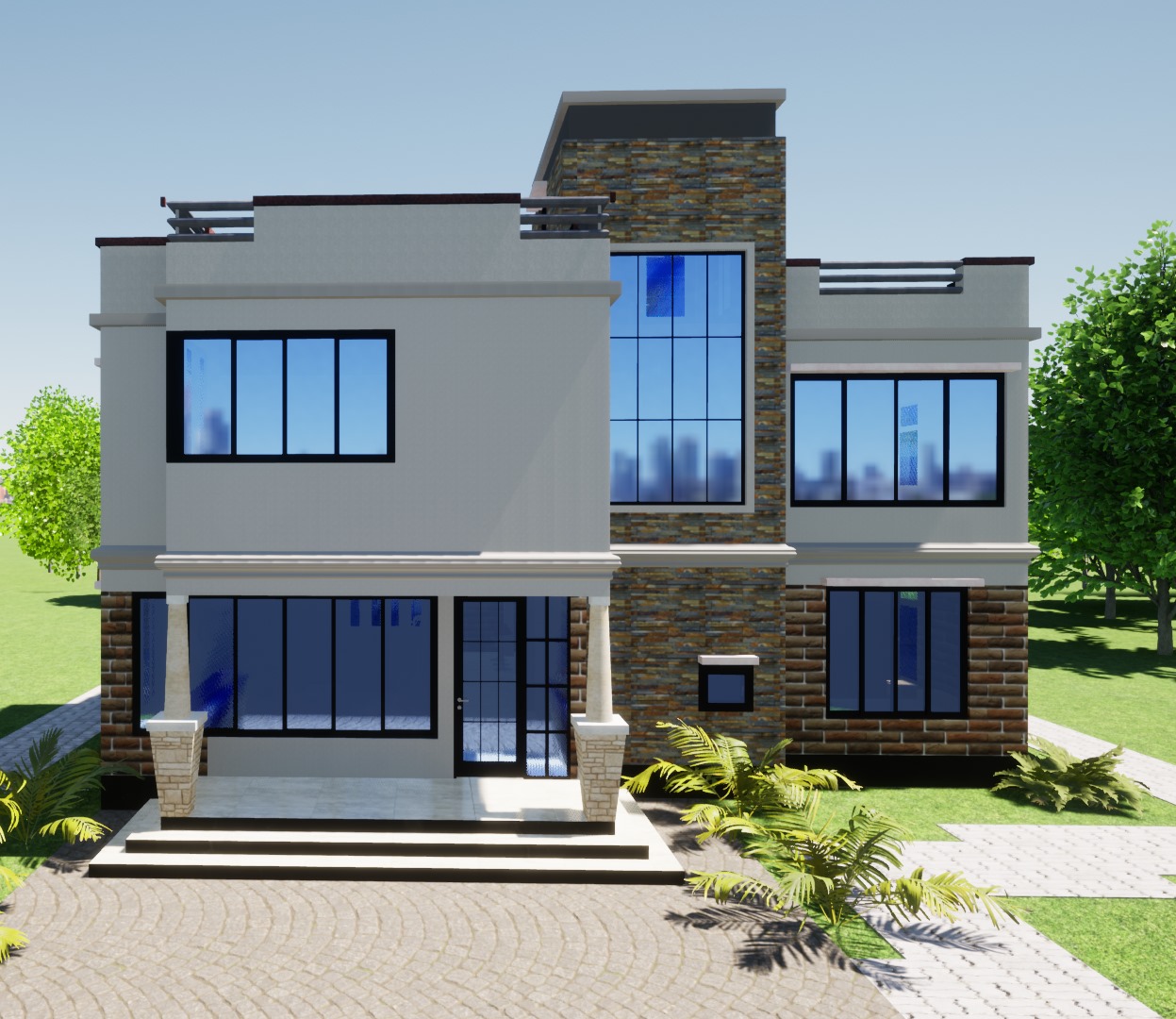
Design complexity is another critical factor. Simple house designs are more cost-effective, while complex layouts with unique architectural features increase both labor and material requirements. The type of house also matters—bungalows generally require more land but are simpler to build, while maisonettes involve additional structural work. Apartments, on the other hand, may benefit from economies of scale but require higher upfront investment and technical expertise.
Hidden Construction Costs
Many builders underestimate hidden costs, which can lead to budget overruns. Changes in design during construction often result in additional expenses and delays. Inflation in material prices can also significantly impact the final cost, especially for projects that take several months or years.
Other hidden costs may include site preparation, waste management, and unexpected repairs. Without proper planning and a detailed Bill of Quantities (BOQ), these factors can quickly push your project beyond budget.
Land vs Construction: Side-by-Side Comparison
When deciding between land and construction costs, it helps to compare them directly across key factors that influence your investment outcome. While both are essential, they behave very differently in terms of flexibility, control, risk, and return on investment.
Flexibility is one of the biggest differences. Land cost is largely fixed—you negotiate once and pay based on market value. There is very little room for adjustment unless you change location. Construction cost, however, is highly adjustable. You can scale your project up or down, choose different materials, or phase construction depending on your budget.
Control also varies significantly. With land, your control is limited to selecting the right location and negotiating the price. Once purchased, there’s little you can change. In contrast, construction gives you high control over design, quality, and cost management. Decisions on layout, finishes, and materials directly influence your total expenditure.
Risk is another important factor. Land carries moderate risk, mainly related to legal issues, zoning restrictions, or slow appreciation in certain areas. Construction, on the other hand, carries higher risk due to potential cost overruns, contractor delays, and fluctuating material prices.
ROI impact is where the real distinction lies. Land value is primarily driven by location—prime areas tend to appreciate faster and attract higher demand. Construction, however, determines how usable and profitable the property becomes. A well-designed building can significantly boost rental income or resale value.

Which One Matters More? (Core Analysis)
The question of whether land or construction matters more does not have a one-size-fits-all answer. It largely depends on your goals, budget, and intended use of the property. However, by breaking it down into different perspectives, you can make a more informed decision.
For Homeowners
For homeowners, the priority should be creating a comfortable, accessible, and affordable living space rather than purely focusing on investment returns. In this case, both land and construction matter—but not equally in all situations.
Affordability is key. Many first-time builders make the mistake of spending a large portion of their budget on land, especially in prime areas, leaving insufficient funds for construction. This often results in incomplete houses, poor-quality finishes, or long delays in completing the project. A home is only valuable if it is livable, so construction should never be compromised due to an expensive plot.
Accessibility is equally important. Land located too far from essential services such as roads, schools, hospitals, and workplaces may be cheaper, but it can increase long-term costs and inconvenience. A moderately priced plot in a well-connected area is often a better choice than a cheap but isolated one.
The best approach for homeowners is to strike a balance between land and construction costs. Instead of chasing prestige locations, focus on areas that offer reasonable land prices with good infrastructure and growth potential. This allows you to allocate enough budget to build a quality home that meets your needs.
Recommendation:
Avoid overspending on land at the expense of construction. A well-built house in a decent location will always provide better comfort and long-term value than an unfinished or poorly built structure in a prime area.
For Real Estate Investors
For real estate investors, the balance between land and construction shifts more toward maximizing returns rather than personal comfort. In this case, both elements play distinct but equally critical roles in determining profitability.
Land location directly influences rental demand. Properties in high-demand areas—such as urban centers or fast-growing peri-urban zones—attract more tenants, experience lower vacancy rates, and often command higher rental prices. Proximity to infrastructure like roads, public transport, schools, and business hubs significantly boosts occupancy levels. Simply put, even a basic building in a prime location can perform better than a high-end development in a low-demand area.
On the other hand, construction quality determines rental income and tenant retention. A well-designed and properly finished building allows you to charge higher rent, attract better tenants, and reduce maintenance issues over time. Features such as modern layouts, durable materials, and efficient use of space can significantly improve your returns.
From an investment perspective, the relationship can be simplified into a practical ROI formula:
- Good location + average construction = steady returns
- Good location + quality construction = maximum returns
- Poor location + high-end construction = weak returns
This clearly shows that location carries more weight when it comes to demand, while construction enhances the earning potential of that demand.
The 60/40 Rule (or 50/50 Rule) Explained
One of the most practical guidelines in real estate budgeting is the 60/40 rule (or 50/50 rule). This principle helps investors and homeowners allocate their budget wisely between land acquisition and construction.
The general recommendation is:
- Land should take up about 30–50% of your total budget
- Construction should account for 50–70%
This balance ensures that you don’t overspend on land and end up with insufficient funds to build a quality structure. It also allows you to invest adequately in construction, which directly affects usability, comfort, and income potential.
For example, if your total budget is KSh 5 million, you might allocate KSh 2 million for land and KSh 3 million for construction. This creates room for proper planning, quality materials, and completion without financial strain.
However, this rule is not fixed—it’s a guideline, not a strict formula.
When to Break the Rule
There are situations where deviating from this balance makes sense:
- Prime urban locations: In high-demand areas, land prices can exceed 50% of your budget. In such cases, securing the location may take priority due to its long-term appreciation and rental demand.
- Large-scale developments: For apartment projects or commercial developments, construction costs may dominate due to the scale and complexity of the project.
- Long-term land banking strategy: If your goal is to hold land for future appreciation rather than immediate development, you may allocate a larger portion of your budget to land.
Key Mistakes to Avoid
When planning a real estate project, avoiding common mistakes can save you millions of shillings, time, and unnecessary stress. Many projects fail or underperform not because of lack of funds, but due to poor decision-making at the early stages.
Overspending on Land
One of the most common mistakes is allocating too much of your budget to land purchase. While prime locations are attractive, overspending on land often leaves little or no budget for quality construction. This can result in incomplete buildings, delayed projects, or substandard finishes. A well-balanced approach ensures you can actually develop the land effectively.
Underestimating Construction Costs
Construction costs are often higher than expected, especially when hidden expenses come into play. Many builders start projects without a clear understanding of total costs, leading to stalled construction midway. Factors like rising material prices, labor costs, and design changes can quickly inflate the budget if not properly planned.
Ignoring Location Demand
Building in a low-demand area is a costly mistake, particularly for investors. Even with a well-constructed building, poor location can lead to low occupancy rates and reduced rental income. Always consider demand drivers such as proximity to towns, infrastructure, and population growth before choosing land.
Lack of Proper Planning
Failing to plan is planning to fail. Starting a project without a detailed Bill of Quantities (BOQ) or professional guidance can lead to inaccurate budgeting and poor execution. Engaging architects, engineers, and quantity surveyors ensures your project is well-designed, cost-controlled, and completed successfully.
Strategic Decision Framework
Making the right decision between land and construction starts with one critical step—understanding your goal. Without a clear purpose, it becomes easy to overspend in the wrong area or choose a strategy that does not deliver the expected returns.
Ask Yourself: What is my goal?
Your decision should be guided by your intended use of the property:
- Living (Homeownership):
If your goal is to build a home, comfort, accessibility, and affordability should guide your choices. You want a balance between decent land location and sufficient construction quality to ensure long-term livability. - Renting (Investment Income):
If you are building for rental income, location becomes more important because it determines demand. Construction quality then supports rental pricing and tenant retention. - Resale (Capital Gain):
If your goal is to sell later, both land appreciation and building quality matter. Strategic location and attractive design can significantly increase resale value.
Budget Allocation Strategy
Your budget level should shape how you distribute costs between land and construction:
- Low Budget Strategy:
Focus on affordable land in developing areas and consider phased construction. Start small and expand gradually as funds become available. - Medium Budget Strategy:
Adopt a balanced approach. Invest in reasonably priced land with good infrastructure and allocate enough funds for quality mid-range construction. - High Budget Strategy:
Prioritize prime locations and pair them with high-end construction. This strategy is ideal for luxury homes or high-return investment properties.
Decision Formula
A simple but powerful way to guide your decision is:
Location + Budget + Purpose = Best Investment Choice
Each factor influences the other. A good location cannot compensate for poor construction, and a strong building cannot fully overcome a poor location. The key is aligning all three to create a sustainable and profitable outcome.
Future Trends in Kenya
The real estate landscape in Kenya is evolving rapidly, and both land and construction costs are expected to continue rising in the coming years. Understanding these trends is essential for making smart long-term investment decisions.
One of the most noticeable trends is the steady rise in land prices in urban areas. Cities such as Nairobi and other fast-growing towns are experiencing increased demand due to population growth, infrastructure development, and urban migration. As available land becomes more scarce, prices are expected to keep climbing, making early investment in strategic locations increasingly valuable.
At the same time, construction costs are also rising, largely driven by inflation in building materials such as cement, steel, and finishing products. Labor costs are also gradually increasing as demand for skilled workers grows across the construction sector.
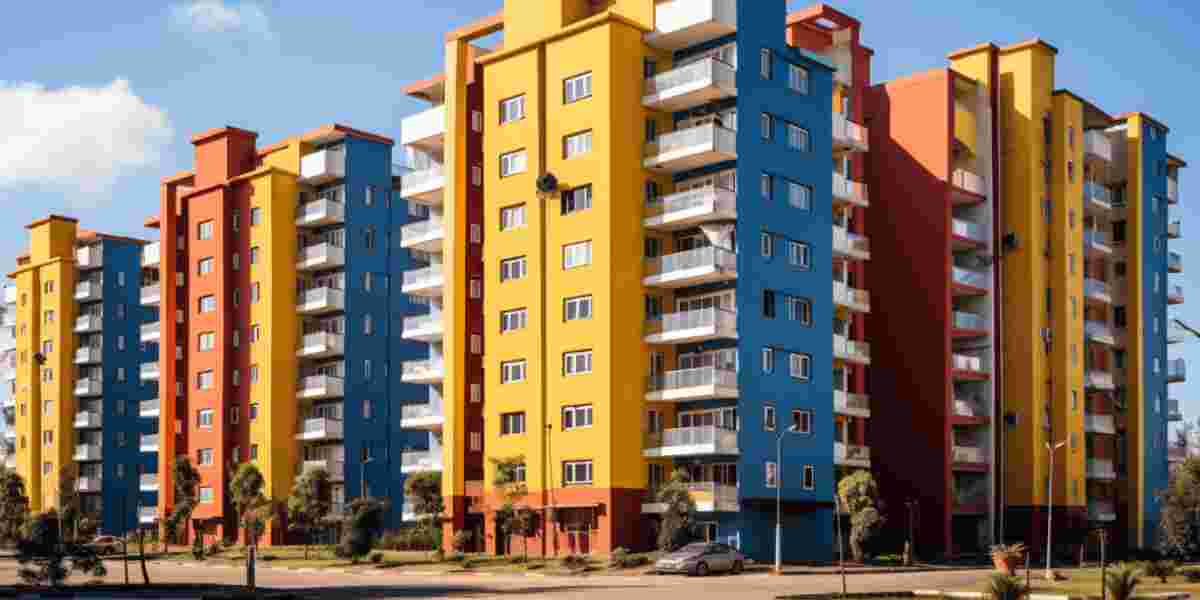
In response to these pressures, there is a clear shift toward apartments and gated communities. These developments allow for better land utilization, shared infrastructure, and improved security, making them attractive to both developers and buyers.
Another growing trend is the importance of smart planning and efficient design. Investors and homeowners are now prioritizing cost-effective layouts, optimized space usage, and energy-efficient designs to reduce long-term expenses while maximizing value.
Conclusion
In real estate, success is not defined by choosing between land and construction, but by understanding how the two work together. Land forms the foundation of value, determining location, demand, and long-term appreciation. Construction, on the other hand, is what brings that land to life by creating usable space, functionality, and income potential.
Neither element is more important in isolation. A well-located piece of land without proper construction cannot generate returns, while a high-quality building in a poor location will struggle to attract demand or maintain value. The real strength lies in balancing both factors strategically.
The smartest investors and homeowners make decisions based on clear goals, not assumptions. Whether you are building a home, developing rental units, or investing for resale, your success depends on aligning your budget, location, and construction quality with your intended purpose.
Ultimately, proper planning is what separates successful projects from costly mistakes. Taking time to analyze costs, understand market trends, and engage professionals ensures that your investment is both sustainable and profitable.
📞 CALL TO ACTION
Ready to build your home or invest in property without costly mistakes?
Work with professionals who understand:
✔ Strategic land selection based on ROI and demand
✔ Accurate construction budgeting and detailed BOQs
✔ Smart, space-efficient house designs that maximize value
✔ End-to-end project supervision from start to completion
At West Kenya Real Estate Ltd, we guide you through every step—from choosing the right land to delivering a fully completed project that meets your goals and budget.
📞 Call/WhatsApp: +254 70724481087 or 0789217685
📩 Email: info@westkenyarealestate.com
Start your project the smart way—avoid costly errors, reduce risks, and maximize your long-term investment returns.