
Discover the role of project managers in apartment construction, including planning, budgeting, risk management, communication, and modern technology use for successful project delivery.
Introduction: Why Project Managers Are Essential in Apartment Construction
Role of Project Managers in Apartment Construction
The rapid growth of urban populations has significantly increased the demand for apartment developments in many cities worldwide. As land becomes more limited and housing demand continues to rise, developers are increasingly investing in multi-unit residential buildings to maximize space and meet the needs of growing urban communities. Modern apartment projects are now larger, more complex, and more financially demanding than ever before, making effective apartment construction management a critical factor for project success.
Unlike standalone residential homes, apartment construction projects involve multiple stakeholders, larger workforces, stricter regulations, complex structural systems, and detailed coordination between architects, engineers, contractors, suppliers, and government authorities. Managing all these moving parts requires strong leadership, strategic planning, and continuous supervision throughout every stage of construction.
This is where the role of project managers in construction becomes extremely important. A construction project manager is responsible for overseeing the planning, execution, budgeting, scheduling, quality control, and completion of a project. Their primary objective is to ensure that the apartment project is completed safely, within budget, on schedule, and according to the required quality standards.
Without proper apartment project management, construction projects can quickly experience delays, poor workmanship, budget overruns, safety issues, legal disputes, and costly rework. Effective project managers help reduce these risks by improving communication, coordinating contractors, managing resources efficiently, and ensuring compliance with construction regulations and project specifications.
As apartment developments continue to grow in size and complexity, skilled project managers have become one of the most important contributors to successful and profitable construction projects.
What Does a Project Manager Do in Apartment Construction?
A project manager in apartment construction is the professional responsible for planning, coordinating, supervising, and managing all activities involved in a construction project from start to finish. Their role is to ensure the apartment development is completed according to the approved design, budget, timeline, safety requirements, and quality standards. In modern apartment construction management, project managers serve as the central link between all parties involved in the project.
From the early planning stages to the final handover of completed apartments, project managers oversee every phase of the construction process. They participate in budgeting, scheduling, procurement planning, contractor selection, risk management, quality control, and progress monitoring. They also ensure that construction activities comply with local building regulations, environmental standards, and contractual agreements.
Although many people confuse project managers with site supervisors, their responsibilities are different. A site supervisor mainly focuses on day-to-day site operations, workforce supervision, and ensuring construction work is carried out properly on-site. In contrast, a project manager handles the broader strategic management of the entire project, including finances, timelines, communication, planning, and coordination between different stakeholders.
In apartment project management, project managers work closely with developers, architects, structural engineers, quantity surveyors, contractors, suppliers, investors, and government authorities. They organize meetings, provide progress reports, resolve disputes, and ensure all teams work together efficiently toward the successful completion of the apartment project. Their leadership helps minimize delays, control costs, and improve overall project performance.
Main Objectives of a Construction Project Manager
The primary objective of a construction project manager is to ensure the successful delivery of an apartment project from beginning to completion. One of their main responsibilities is completing the project within the agreed timeline by carefully planning activities, monitoring progress, and addressing delays before they become major problems.
Project managers are also responsible for keeping construction costs under control and ensuring the project stays within budget. They monitor expenses, approve payments, manage procurement, and prevent unnecessary financial losses. In addition, they maintain quality standards by ensuring all construction work meets engineering specifications, safety regulations, and client expectations.
Another important objective is risk management. Construction projects face risks such as material shortages, labor disputes, weather interruptions, and design changes. Project managers identify these risks early and implement solutions to minimize disruptions. They also coordinate communication between developers, consultants, contractors, suppliers, and investors to ensure smooth collaboration throughout the entire apartment construction process.
Key Roles of Project Managers During the Planning Stage
The planning stage is one of the most critical phases in apartment construction management because it lays the foundation for the entire project. Decisions made during this phase directly affect construction costs, timelines, quality, and overall project success. A project manager plays a major role in ensuring that every aspect of the apartment development is carefully organized before construction work begins.
One of the first responsibilities of a project manager is conducting feasibility studies to determine whether the apartment project is financially, technically, and legally viable. This includes evaluating market demand, estimating expected returns, assessing construction costs, and identifying potential risks that could affect project completion.
Project managers are also responsible for budget estimation and cost forecasting. They work closely with quantity surveyors, engineers, and developers to prepare realistic construction budgets that cover materials, labor, equipment, permits, and contingency costs. Accurate budgeting during the planning stage helps prevent financial problems and unexpected cost overruns later in the project.
Site evaluation is another important responsibility. Before construction starts, project managers assess the condition of the land, soil stability, drainage systems, accessibility, utility connections, and environmental factors that may affect the apartment development. Proper site analysis helps avoid future structural or construction challenges.
In addition, project managers coordinate with architects, structural engineers, and consultants to ensure the apartment designs are practical, compliant with building regulations, and aligned with the developer’s goals. They also develop detailed project schedules that outline construction activities, timelines, milestones, and resource allocation.
Another major responsibility is obtaining permits, approvals, and regulatory clearances from relevant authorities before construction begins. Delays in approvals can significantly disrupt apartment projects if not handled properly. Project managers also oversee procurement planning by identifying suppliers, sourcing materials, and preparing purchasing schedules to ensure materials are available when needed.
Proper planning is essential for avoiding delays before construction starts. Poor preparation often leads to budget overruns, project interruptions, material shortages, and costly design changes during construction. Effective project managers minimize these risks through careful planning, coordination, and early problem-solving.

Project Feasibility Analysis
Project feasibility analysis helps determine whether an apartment construction project is practical and financially worthwhile. During this process, project managers evaluate factors such as market demand, project location, construction costs, expected rental or sales income, infrastructure availability, and legal requirements. They also assess potential risks that may affect project profitability or completion.
A proper feasibility study allows developers and investors to make informed decisions before committing large financial resources to the project. Project managers work closely with consultants, engineers, architects, and financial experts to gather accurate information for analysis. If major risks or financial limitations are identified early, adjustments can be made before construction begins.
Feasibility analysis also helps identify suitable apartment sizes, target markets, and development strategies that can maximize returns on investment. By conducting thorough assessments during the planning stage, project managers reduce uncertainty and improve the chances of project success.
Budget Development and Cost Forecasting
Budget development is one of the most important responsibilities of project managers during apartment construction planning. A detailed budget helps developers understand the total expected cost of the project and ensures sufficient financial resources are available throughout construction.
Project managers collaborate with quantity surveyors, contractors, suppliers, and consultants to estimate costs for materials, labor, equipment, permits, professional fees, utilities, and contingency allowances. They also forecast possible price fluctuations in construction materials and labor costs that could affect the project budget.
Accurate cost forecasting helps prevent unexpected financial challenges during construction. Poor budgeting can result in delayed payments, project interruptions, reduced quality, or incomplete construction work. Project managers continuously review financial estimates to ensure they align with project objectives and market conditions.
Proper budget planning also improves investor confidence and allows developers to manage cash flow more effectively throughout the apartment construction process.
Construction Scheduling and Timeline Planning
Construction scheduling involves creating a detailed timeline that outlines all project activities from site preparation to final completion. Project managers develop schedules that specify task durations, labor requirements, material deliveries, contractor responsibilities, and project milestones.
A well-structured construction schedule helps coordinate different teams and ensures work progresses in the correct sequence. It also allows project managers to monitor progress and identify delays early before they affect the overall project timeline.
During apartment construction, multiple activities often occur simultaneously, including foundation work, structural construction, plumbing, electrical installations, and finishing works. Proper scheduling ensures these activities are coordinated efficiently to avoid conflicts and unnecessary downtime.
Project managers also prepare contingency plans for possible disruptions such as bad weather, delayed material deliveries, labor shortages, or permit delays. Effective timeline planning is essential because delays during the early stages of construction can create expensive setbacks that affect the entire apartment project.
Role of Project Managers During Apartment Construction
The construction phase is where project managers take on some of their most demanding responsibilities in apartment construction management. At this stage, the project moves from planning to actual execution, requiring constant supervision, coordination, and decision-making to ensure the apartment development progresses smoothly. Since apartment projects involve multiple contractors, large workforces, complex structural systems, and strict timelines, effective project management becomes essential for maintaining order and preventing costly mistakes.
One of the primary responsibilities of a project manager during construction is daily site coordination. They oversee construction activities, monitor work progress, organize site meetings, and ensure tasks are completed according to schedule. Project managers also coordinate communication between architects, engineers, contractors, suppliers, and developers to ensure everyone is aligned with project goals and construction requirements.
Workforce management is another important responsibility. Apartment construction projects often involve large teams of masons, electricians, plumbers, welders, carpenters, painters, and machine operators working simultaneously. Project managers help allocate labor efficiently, monitor productivity, resolve workforce conflicts, and ensure workers follow construction standards and site regulations.
Contractor supervision is critical during apartment construction because multiple subcontractors are usually responsible for different sections of the project. The project manager ensures contractors complete their assigned tasks according to approved drawings, specifications, quality standards, and timelines. They also resolve disputes, monitor contractor performance, and ensure proper coordination between different construction teams.
Project managers are also responsible for material procurement and supply coordination. Construction materials such as cement, steel, tiles, electrical fittings, plumbing fixtures, and finishing materials must arrive on-site at the right time to avoid project delays. Effective procurement planning helps maintain workflow continuity and prevents shortages that may interrupt construction activities.
Another key responsibility is monitoring construction progress. Project managers compare actual site progress against the project schedule to identify delays or performance issues early. They prepare progress reports, track milestones, evaluate productivity, and implement corrective measures whenever necessary to keep the project on schedule.
Quality control is also a major part of apartment project management. Project managers ensure all construction work meets engineering specifications, architectural designs, and building regulations. They coordinate inspections, review workmanship quality, and address defects before they become serious structural or finishing problems.
Safety management is equally important because apartment construction sites can be hazardous. Project managers enforce safety procedures, ensure workers use personal protective equipment (PPE), and verify compliance with construction safety regulations. They also coordinate communication between all stakeholders to ensure issues are resolved quickly and project objectives remain clear throughout the construction process.
Coordinating Contractors and Subcontractors
Apartment construction projects involve multiple contractors and subcontractors handling specialized tasks such as electrical installations, plumbing, roofing, painting, tiling, and structural works. Without proper coordination, these teams can interfere with each other’s work, causing delays, conflicts, and costly rework.
Project managers ensure all contractors understand project timelines, technical requirements, and work sequences. They organize regular site meetings, monitor contractor performance, and resolve disputes that may arise during construction. Effective coordination helps maintain workflow continuity and ensures different construction activities progress smoothly without interruptions.
Project managers also verify that subcontractors comply with project specifications, safety standards, and quality requirements before approving completed work.
Managing Construction Budgets and Payments
Managing finances during apartment construction is one of the most important responsibilities of a project manager. They monitor project expenses daily to ensure construction activities remain within the approved budget. This includes tracking material costs, labor payments, equipment expenses, and contractor invoices.
Project managers also approve payment schedules for contractors and suppliers based on completed work and agreed contract terms. Careful financial management helps prevent overspending, delayed payments, and cash flow problems that could disrupt the project.
In addition, project managers review procurement costs, negotiate with suppliers, and identify opportunities to reduce unnecessary expenses without compromising construction quality. Proper budget control is essential for maintaining project profitability and investor confidence.
Quality Control and Inspection
Quality control ensures apartment construction work meets the required engineering standards, architectural designs, and client expectations. Project managers organize regular inspections throughout the construction process to identify defects, poor workmanship, or deviations from approved plans.
They work closely with engineers, architects, and consultants to inspect structural works, concrete quality, reinforcement placement, plumbing systems, electrical installations, waterproofing, and finishing works. Early detection of construction defects helps prevent expensive repairs and structural problems later.
Project managers also ensure construction materials meet quality standards before use on-site. Effective quality control improves the durability, safety, appearance, and long-term value of apartment developments.
Site Safety and Regulatory Compliance
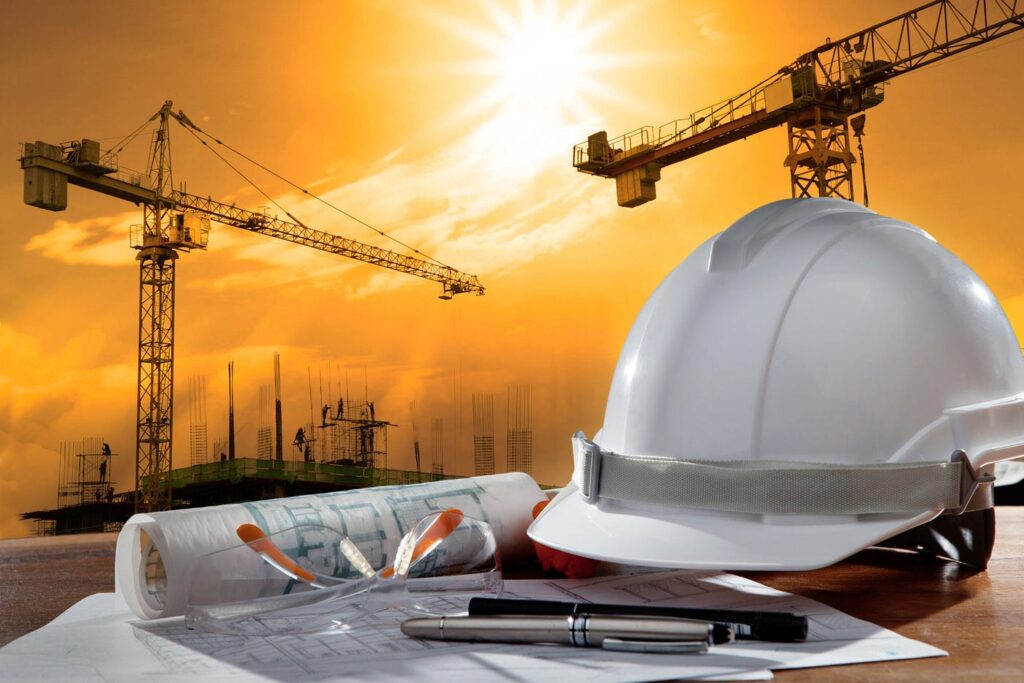
Construction safety is a major priority in apartment projects because workers are exposed to risks such as falls, heavy machinery accidents, electrical hazards, and structural collapses. Project managers are responsible for enforcing site safety procedures and ensuring compliance with construction regulations.
They ensure workers wear personal protective equipment (PPE) such as helmets, safety boots, gloves, reflective jackets, and harnesses where necessary. Project managers also organize safety training sessions and conduct regular safety inspections to identify potential hazards.
In addition, they ensure compliance with NCA regulations, fire safety standards, environmental guidelines, and local building codes. Structural inspections are also coordinated at different construction stages to verify that the building meets approved engineering requirements. Effective safety management helps reduce accidents, legal liabilities, and project disruptions.
Importance of Communication in Apartment Construction Projects
Effective communication is one of the most important elements of successful apartment construction management. Apartment projects involve many stakeholders, including developers, project managers, architects, engineers, contractors, subcontractors, suppliers, investors, and government authorities. Without proper communication, misunderstandings can easily occur, leading to delays, conflicts, budget overruns, and poor construction quality.
Project managers play a central role in ensuring smooth communication between all parties involved in the apartment construction process. They regularly communicate with clients and developers to provide updates on project progress, construction challenges, financial performance, and timeline adjustments. Clear communication helps clients make informed decisions and ensures project expectations remain realistic throughout construction.
Coordination between architects and engineers is also essential during apartment construction. Project managers help ensure that architectural designs, structural drawings, electrical systems, plumbing layouts, and mechanical installations are properly aligned before and during construction. This reduces the chances of design conflicts and costly modifications on-site.
Regular contractor meetings are another important part of project communication. Project managers organize site meetings to discuss work progress, safety concerns, material deliveries, technical issues, and upcoming construction activities. These meetings help improve coordination between different contractors and ensure all teams understand their responsibilities and project timelines.
In many apartment developments, investors require continuous progress reports before releasing project funds. Project managers prepare reports containing financial updates, completed milestones, construction photos, and project forecasts to maintain investor confidence and transparency.
Good communication also helps resolve disputes early before they escalate into major legal or financial problems. Construction projects often experience disagreements related to payments, workmanship, timelines, or contract terms. Project managers act as mediators to find practical solutions that keep the project moving forward.
Poor communication can seriously affect apartment construction projects. Misunderstood instructions, unclear drawings, delayed approvals, and lack of coordination often lead to rework, wasted materials, scheduling conflicts, and expensive project delays. Effective communication helps improve teamwork, reduce errors, and ensure smooth project execution from start to completion.
Risk Management in Apartment Construction
Risk management is a critical part of apartment construction management because construction projects are exposed to many uncertainties that can affect timelines, budgets, safety, and overall project success. Apartment developments often involve large financial investments, multiple contractors, strict regulations, and complex construction activities, making proper risk management essential throughout the project lifecycle.
One of the most common risks in apartment construction is cost escalation. Prices of construction materials such as cement, steel, tiles, and electrical fittings can increase unexpectedly due to inflation, supply chain disruptions, or market shortages. Rising labor costs and fuel prices can also affect the overall construction budget if not properly managed.
Material shortages are another major challenge that project managers must address. Delayed deliveries or lack of essential materials can interrupt construction activities and slow down project progress. In large apartment projects where work sequences depend heavily on timely material supply, even small procurement delays can create expensive setbacks.
Weather disruptions can also affect apartment construction schedules, especially during excavation, foundation works, concrete casting, roofing, and exterior finishing. Heavy rainfall, flooding, strong winds, or extreme temperatures may delay site activities and reduce worker productivity.
Labor shortages are another common construction risk. Skilled workers such as electricians, plumbers, welders, and machine operators may sometimes be unavailable, leading to slower project progress and scheduling problems. Project managers must also manage risks related to worker strikes, low productivity, or workforce conflicts.
Design changes during construction can create serious delays and additional costs. Modifications requested by clients, consultants, or regulatory authorities may require demolition, redesign, or rework of completed sections. Legal disputes involving contractors, suppliers, land ownership, or contract disagreements can also disrupt apartment projects and create financial losses.
Delayed permits and government approvals are another significant risk in apartment construction. If approvals for building plans, inspections, environmental compliance, or utility connections are delayed, the entire project timeline may be affected.
Effective risk management helps project managers identify potential problems early and implement solutions before they escalate into major construction challenges.
How Project Managers Reduce Construction Risks
Project managers use several strategies to reduce risks during apartment construction projects. One of the most important methods is contingency planning, where backup solutions and emergency budgets are prepared in advance to handle unexpected events such as material price increases, weather delays, or equipment breakdowns.
Supplier diversification is also important in reducing procurement risks. Instead of relying on a single supplier, project managers work with multiple vendors to ensure construction materials remain available even if one supplier experiences delays or shortages.
Contract management helps reduce legal and financial disputes during construction. Project managers carefully review contracts, clarify responsibilities, monitor contractor performance, and ensure all parties comply with agreed terms and project specifications.
Another important strategy is continuous progress tracking. Project managers monitor construction activities daily, compare actual progress with project schedules, and identify delays early before they affect the overall timeline. This allows corrective actions to be implemented quickly.
Insurance coordination is also essential in construction risk management. Project managers ensure appropriate insurance coverage is in place for workers, equipment, materials, and potential construction damages. Proper risk management improves project stability, protects investments, and increases the likelihood of successful apartment project completion.
Technology Used by Modern Apartment Project Managers
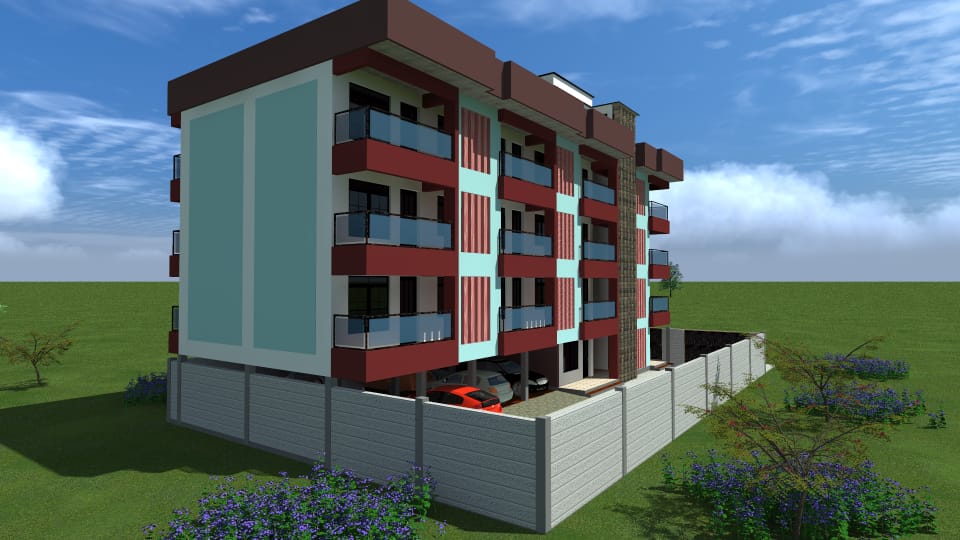
Technology has become an essential part of modern apartment construction management because it helps project managers improve efficiency, reduce errors, and manage complex projects more effectively. As apartment developments continue to grow in size and technical complexity, digital tools are increasingly being used to improve planning, coordination, communication, and project monitoring.
One of the most important technologies used in apartment construction is construction management software. These platforms help project managers organize schedules, track budgets, manage documents, monitor progress, assign tasks, and coordinate communication between stakeholders. Construction software also allows teams to access project information in real time, improving decision-making and reducing delays caused by miscommunication.
Building Information Modeling (BIM) is another major innovation transforming apartment project management. BIM allows architects, engineers, and contractors to create detailed 3D digital models of apartment buildings before construction begins. These models help identify design conflicts, structural issues, and system clashes early in the planning phase, reducing costly errors during construction. BIM also improves collaboration between different project teams by providing accurate and updated project information.
Project scheduling software is widely used to create and manage construction timelines. These tools help project managers allocate resources, monitor task completion, track project milestones, and identify delays early. Proper scheduling improves workflow coordination and helps apartment projects stay on schedule.
Drones are also becoming increasingly common in apartment construction projects. Project managers use drones for aerial site monitoring, progress tracking, surveying, safety inspections, and capturing construction images for reporting purposes. Drone technology allows faster and more accurate site assessments compared to traditional inspection methods.
Digital reporting systems have also improved how project information is recorded and shared. Project managers can now generate real-time reports on construction progress, financial performance, safety incidents, and material usage. These reports help improve transparency between developers, investors, contractors, and consultants.
Technology continues to transform apartment construction by improving project control, reducing manual processes, and enhancing overall construction efficiency.
Benefits of Technology in Apartment Construction
Technology provides many advantages in apartment construction projects by improving communication, accuracy, and project management efficiency. One major benefit is faster communication between project teams. Digital platforms allow architects, engineers, contractors, suppliers, and project managers to share updates instantly, reducing delays caused by slow information flow.
Technology also helps reduce construction errors. Tools such as BIM identify design conflicts before construction begins, helping avoid expensive rework and structural problems during project execution. Accurate digital documentation also minimizes misunderstandings between stakeholders.
Improved cost tracking is another important benefit. Construction management software allows project managers to monitor expenses, procurement costs, labor payments, and budget performance in real time. This improves financial control and helps prevent budget overruns.
Digital systems also provide better documentation and record keeping. Project reports, inspection records, contracts, drawings, and safety reports can be stored securely and accessed easily whenever needed. Proper documentation improves accountability, simplifies project audits, and supports better decision-making throughout the apartment construction process.
Challenges Faced by Project Managers in Apartment Construction
Project managers in apartment construction face numerous challenges that can affect project timelines, budgets, quality, and overall project success. Since apartment developments are large-scale projects involving multiple stakeholders, strict regulations, and significant financial investments, managing these challenges requires strong leadership, planning, and problem-solving skills.
One of the biggest challenges is rising material costs. Prices of construction materials such as cement, steel, paint, tiles, plumbing fixtures, and electrical components can increase unexpectedly due to inflation, supply chain disruptions, currency fluctuations, or market shortages. Sudden price increases often place pressure on project budgets and may force developers to adjust financial plans during construction.
Cash flow issues are another major problem in apartment construction projects. Delayed payments from clients, investors, or financial institutions can interrupt procurement, labor payments, and contractor operations. Without proper cash flow management, construction progress may slow down or stop completely, resulting in expensive delays and financial losses.
Project managers also frequently deal with contractor conflicts. Disagreements may arise over payment terms, work quality, project timelines, contract responsibilities, or material specifications. If conflicts are not resolved quickly, they can negatively affect teamwork and disrupt construction activities.
Tight project deadlines create additional pressure for project managers. Many apartment developers aim to complete projects quickly to meet investor expectations, market demand, or financing conditions. Managing fast-track construction schedules while maintaining quality and safety standards can be extremely challenging.
Labor shortages are another common issue in apartment construction. Skilled workers such as electricians, plumbers, masons, welders, and equipment operators may sometimes be difficult to find, especially during periods of high construction activity. Labor shortages can reduce productivity and delay important construction tasks.
Government approvals and regulatory compliance can also slow down apartment projects. Delays in obtaining permits, inspections, utility approvals, environmental clearances, or occupancy certificates may interrupt construction schedules and increase project costs.
Managing client expectations is equally important. Clients and investors often expect high-quality construction, fast completion, and strict budget control. Project managers must balance these expectations while dealing with real-world construction challenges such as weather disruptions, material shortages, and labor issues.
Successfully managing these challenges is essential for ensuring apartment construction projects are completed safely, efficiently, and profitably.
Common Causes of Apartment Project Delays
Apartment construction projects can experience delays for many reasons, and even small disruptions can affect the overall project timeline. One of the most common causes of delays is poor planning during the early stages of construction. Incomplete designs, unrealistic schedules, inadequate budgeting, and poor procurement planning often create problems later in the project.
Scope changes are another major source of delays. Clients or consultants may request design modifications after construction has already started, forcing contractors to redo completed work or adjust construction activities. These changes usually increase costs and slow down progress.
Delayed payments also contribute to construction delays. When contractors or suppliers are not paid on time, procurement and site operations may be interrupted, affecting workflow continuity. Weather conditions such as heavy rainfall, flooding, or strong winds can also delay outdoor construction activities.
Poor coordination between contractors, consultants, suppliers, and project teams is another major issue. Miscommunication and scheduling conflicts often result in rework, idle labor, and inefficient construction processes that delay apartment project completion.
Skills Every Apartment Construction Project Manager Should Have
Successful apartment construction projects require project managers with a combination of technical knowledge, leadership abilities, financial management skills, and strong communication capabilities. Since apartment developments involve complex coordination between multiple stakeholders, project managers must possess a wide range of skills to ensure projects are completed efficiently, safely, and within budget.
One of the most important skills is leadership. Project managers are responsible for guiding construction teams, coordinating contractors, resolving conflicts, and ensuring everyone works toward common project goals. Strong leadership helps improve teamwork, maintain productivity, and keep construction activities organized throughout the project lifecycle.
Communication skills are equally important in apartment construction management. Project managers constantly interact with developers, architects, engineers, contractors, suppliers, government officials, and investors. Clear communication helps prevent misunderstandings, improves coordination, and ensures project expectations remain aligned.
Financial management skills are also essential because apartment construction projects involve large budgets and continuous financial monitoring. Project managers must track expenses, control procurement costs, manage cash flow, and ensure the project remains financially stable throughout construction.
Negotiation skills help project managers secure better contracts, resolve disputes, manage supplier agreements, and handle contractor conflicts professionally. Effective negotiation can reduce project costs and improve collaboration between stakeholders.
Technical construction knowledge is another critical skill. Project managers must understand construction methods, structural systems, engineering principles, building regulations, and construction materials to make informed decisions during project execution.
Problem-solving abilities are necessary because construction projects often face unexpected challenges such as material shortages, weather disruptions, labor issues, or design conflicts. Project managers must identify practical solutions quickly to minimize delays and maintain progress.
Time management is also essential for coordinating schedules, monitoring deadlines, and ensuring project milestones are achieved on time. In addition, project managers must have strong risk assessment skills to identify potential construction risks early and implement preventive measures before problems escalate.
Developing these skills helps project managers improve project performance, reduce delays, maintain quality standards, and ensure successful apartment project completion.
Leadership and Decision-Making Skills
Leadership is one of the most important qualities of an effective apartment construction project manager. Construction projects involve large teams of workers, contractors, consultants, and suppliers who must work together efficiently to achieve project goals. Strong leadership helps maintain discipline, improve teamwork, and ensure all construction activities are properly coordinated.
Project managers must also make important decisions daily regarding budgets, scheduling, procurement, safety, and construction challenges. Delayed or poor decisions can negatively affect project timelines and costs. Effective decision-making requires experience, technical knowledge, confidence, and the ability to analyze risks quickly.
Good leaders also motivate teams, resolve conflicts professionally, and maintain clear communication between stakeholders throughout the apartment construction process.
Financial and Contract Management Skills
Apartment construction projects involve significant financial investments, making financial management one of the most important skills for project managers. They must monitor construction costs carefully, manage procurement expenses, track labor payments, and ensure the project remains within budget throughout all construction phases.
Project managers also handle contract management by reviewing agreements, monitoring contractor performance, and ensuring all parties comply with contract terms and project specifications. Strong contract management helps reduce disputes, prevent legal issues, and improve accountability between stakeholders.
In addition, project managers use negotiation skills to secure favorable pricing from suppliers, manage payment schedules, and resolve contractual disagreements effectively. Proper financial and contract management improves project stability, investor confidence, and overall project profitability.
The Impact of Good Project Management on Apartment Investments
Good project management plays a major role in determining the success and profitability of apartment investments. In apartment construction management, the ability to plan, coordinate, and control every stage of the project directly influences the final financial and structural outcome of the development. When project managers perform effectively, developers benefit from improved returns, reduced risks, and higher-quality properties.
One of the most significant impacts of strong project management is better ROI for developers. By controlling costs, minimizing delays, and preventing unnecessary rework, project managers help ensure that the project stays within budget and generates higher financial returns once completed and sold or rented out.
Faster project completion is another key advantage. Efficient scheduling, proper coordination, and proactive problem-solving allow apartment projects to be completed on time or even ahead of schedule. This enables developers to start generating income earlier through sales or rentals.
Good project management also leads to improved property quality. Through strict quality control, regular inspections, and adherence to construction standards, project managers ensure that apartments are structurally sound, safe, and visually appealing.
Higher buyer confidence is achieved when projects are well-managed and consistently updated. Investors and buyers are more likely to trust developers who demonstrate strong organization, transparency, and timely delivery of construction milestones.
Reduced maintenance problems are another long-term benefit. Proper supervision during construction ensures that materials are correctly installed and building systems are properly executed, reducing the likelihood of defects and costly repairs after completion.
Improved tenant satisfaction is also a result of well-managed construction projects. High-quality finishes, reliable building systems, and well-planned layouts create comfortable living environments that attract and retain tenants.
Overall, properly managed apartment projects deliver strong long-term profitability for developers by reducing risks, improving efficiency, and increasing property value in competitive real estate markets.
Future Trends in Apartment Construction Project Management
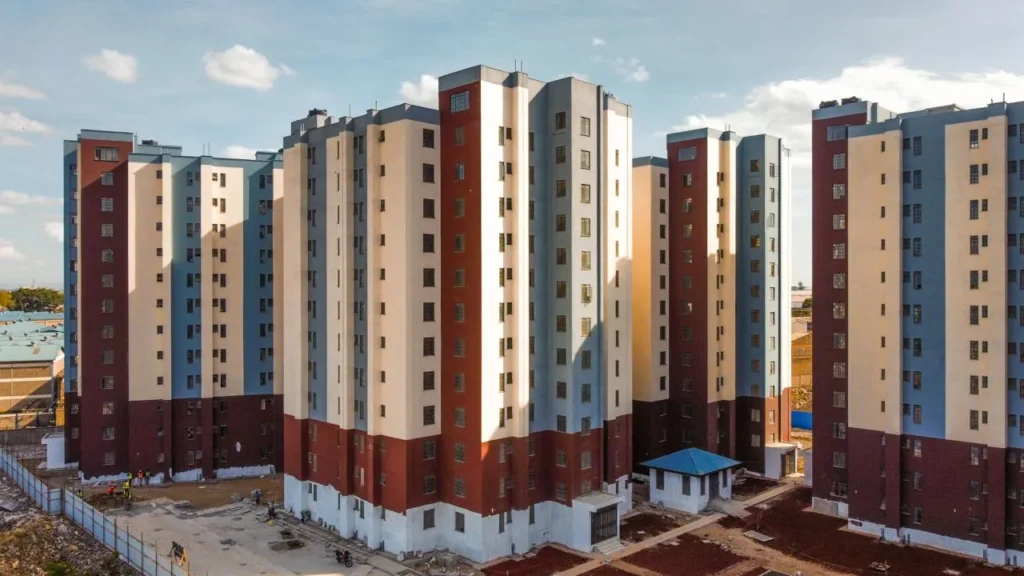
Apartment construction management is rapidly evolving due to advances in technology, environmental concerns, and the increasing complexity of urban housing projects. Future project managers will rely more on digital systems, data analytics, and automated tools to improve efficiency, reduce costs, and deliver higher-quality apartment developments.
One major trend is the adoption of smart construction technologies. These include advanced project management platforms, real-time collaboration tools, IoT-enabled construction equipment, and integrated digital systems that improve coordination across all project stages. These tools allow project managers to monitor construction activities more accurately and respond to issues faster.
Sustainable building practices are also becoming increasingly important. Developers are now focusing on energy efficiency, water conservation, and environmentally friendly materials to reduce the environmental impact of apartment projects. Project managers play a key role in ensuring sustainability goals are met throughout construction.
The rise of green apartments is another important trend. These developments are designed to minimize energy consumption, reduce carbon emissions, and provide healthier living environments. Project managers must ensure that green building standards and certifications are properly implemented during construction.
Artificial intelligence (AI) and automation are also transforming apartment project management. AI tools can predict delays, analyze risks, optimize schedules, and improve decision-making. Automation in construction processes also helps reduce manual labor and improve efficiency.
Data-driven project management is becoming more common, where decisions are based on real-time data collected from construction sites. This improves accuracy in budgeting, scheduling, and resource allocation.
Remote project monitoring is another growing trend. Using drones, mobile apps, and cloud-based systems, project managers can track construction progress from anywhere, improving flexibility and oversight.
Overall, these future trends are making apartment construction management more efficient, transparent, and technology-driven, leading to smarter and more sustainable developments.
Conclusion: Why Project Managers Determine the Success of Apartment Construction Projects
Project managers play a central role in ensuring the success of apartment construction projects because they bring together all the critical elements required for smooth execution. From initial planning to final handover, their coordination and leadership determine whether a project is completed successfully or faces delays, cost overruns, and quality issues.
One of the most important contributions of project managers is effective planning and coordination. They ensure that every stage of the apartment construction process is properly organized, with clear schedules, defined responsibilities, and aligned project goals. This reduces confusion and ensures all stakeholders work toward a common objective.
Budget and timeline management are also key responsibilities that directly influence project success. By carefully monitoring costs and tracking progress against schedules, project managers help prevent financial overruns and ensure timely completion of apartment developments.
Quality assurance is another critical area where project managers make a significant impact. Through continuous inspections, supervision, and adherence to construction standards, they ensure that apartments are safe, durable, and built to the required specifications.
Risk reduction is equally important. Project managers anticipate potential challenges such as material shortages, design changes, labor issues, and regulatory delays, and implement strategies to minimize their impact on the project.
Strong stakeholder communication further enhances project success. By maintaining clear and consistent communication between developers, contractors, engineers, investors, and clients, project managers reduce misunderstandings and ensure smooth collaboration throughout the construction process.
The adoption of technology has also strengthened modern apartment construction management. Tools such as construction software, BIM, drones, and digital reporting systems allow project managers to improve efficiency, accuracy, and transparency in project execution.
Overall, apartment construction projects are highly complex and involve significant financial investment. Without effective project management, developers face high risks of delays, budget overruns, legal disputes, and poor construction quality. Skilled project managers transform architectural designs and investment plans into successful, profitable, and durable apartment developments that meet both investor expectations and market demand.