
Discover everything about contracts and agreements in construction projects, including types of construction contracts, key elements, legal requirements, risks, and best practices to ensure successful, cost-controlled, and dispute-free building projects.
Introduction
Construction projects involve large financial investments, multiple stakeholders, strict timelines, and complex technical requirements. Without clear construction contracts and agreements in construction projects, even a simple building project can quickly face delays, payment disputes, legal conflicts, and costly misunderstandings. A well-drafted contract acts as the foundation of a successful project by clearly defining responsibilities, timelines, costs, quality standards, and dispute resolution procedures.
Many construction projects fail not because of poor workmanship alone, but because there was no proper agreement guiding the relationship between contractors, developers, homeowners, subcontractors, suppliers, and consultants. Clear building contracts help reduce risks, improve accountability, and provide legal and financial protection for all parties involved throughout the construction process.
Whether you are constructing a residential home, apartment complex, commercial building, or infrastructure project, understanding construction agreements is essential for smooth project execution. This construction agreement guide explores the different types of construction contracts, key contract clauses, legal considerations, payment structures, risk management strategies, and best practices that help ensure successful and dispute-free construction projects.
What Are Construction Contracts and Agreements?
Construction contracts and agreements are legally binding documents that define the terms, responsibilities, obligations, and expectations of parties involved in a construction project. These agreements establish how the work will be carried out, how payments will be made, project timelines, quality standards, dispute resolution procedures, and the legal rights of each party. In the construction industry, contracts serve as the official framework that guides the entire project from planning to completion.
Construction agreements can either be formal or informal. Formal agreements are written contracts signed by all involved parties and are legally enforceable in court. Informal agreements, on the other hand, may involve verbal promises, emails, text messages, or handshake deals. While informal arrangements may sometimes work for small projects, they often create confusion and disputes because critical terms are not clearly documented. This is why written construction contracts are highly recommended for both small and large projects.
A construction contract typically involves several key parties. These include contractors responsible for executing the work, clients or property owners financing the project, architects handling design plans, engineers ensuring structural integrity, consultants providing technical guidance, suppliers delivering construction materials, and subcontractors performing specialized tasks such as plumbing, electrical installation, or roofing. Each party has specific responsibilities that must be clearly outlined in the agreement.
Written contracts are far more reliable than verbal agreements because they provide clear evidence of agreed terms, payment schedules, project scope, and timelines. In case of disagreements, a written agreement protects all parties legally and minimizes misunderstandings that could delay or damage the project. Properly drafted construction contracts are therefore essential for accountability, transparency, and successful project delivery.
Why Contracts Are Important in Construction Projects
Construction projects involve multiple parties, significant financial investments, and complex coordination between labor, materials, equipment, and timelines. Without a proper contract, even a small misunderstanding can escalate into expensive disputes and project delays. This is why construction contracts play a critical role in ensuring projects run smoothly and professionally.
One of the main benefits of a construction contract is that it clearly defines the responsibilities of every party involved. Contractors understand the exact scope of work expected, while property owners know the quality standards, timelines, and payment obligations agreed upon. Architects, engineers, subcontractors, and suppliers also rely on clearly written agreements to avoid confusion during project execution.
Construction contracts also help prevent misunderstandings by documenting important details such as material specifications, project milestones, labor responsibilities, and approval procedures. For example, if the contract does not clearly define the project scope, disagreements may arise when the client expects additional work that the contractor did not include in the original price. Such undefined scope issues often lead to delays, variation claims, and strained relationships.
Another major advantage of contracts is cost control. Well-structured agreements outline payment schedules, deposits, progress payments, and variation procedures, helping both parties manage finances effectively. Without proper payment terms, contractors may face delayed payments, while clients risk unexpected cost increases and budget overruns.
Construction agreements are equally important in managing project timelines. Contracts specify start dates, completion deadlines, extension conditions, and penalties for delays. This improves accountability and encourages all parties to meet agreed schedules.
In the event of disputes, a written contract serves as legal evidence in court, arbitration, or mediation proceedings. Many construction conflicts arise from verbal agreements where there is no documented proof of what was promised. Common examples include disputes over incomplete work, poor workmanship, delayed payments, or changes in design requirements.
Ultimately, construction contracts provide legal and financial protection, improve transparency, ensure payment security, and create a professional working relationship that increases the likelihood of successful project completion.
Essential Elements of a Construction Contract
A well-drafted construction contract contains several critical elements that protect all parties involved and ensure the project runs smoothly from start to finish. Missing or poorly written clauses often lead to disputes, delays, cost overruns, and legal complications. Understanding these essential components is crucial for contractors, developers, homeowners, consultants, and subcontractors involved in any construction project.
Parties Involved
Every construction contract should clearly identify all parties involved in the agreement. This includes the full legal names of individuals or registered companies, physical addresses, company registration details, and official contact information. Proper identification helps avoid legal confusion and ensures accountability. The contract should specify whether the agreement is between the client and main contractor only or also involves subcontractors, consultants, architects, engineers, and suppliers.
Scope of Work
The scope of work is one of the most important sections of any construction agreement because it defines exactly what work will be performed. This section should include a detailed project description, approved drawings, technical specifications, material standards, workmanship quality requirements, and construction methods. A clearly defined scope helps prevent misunderstandings and disputes over additional work requests or incomplete tasks. Undefined project scope is one of the leading causes of construction conflicts and budget overruns.
Project Timeline
Construction contracts should establish a clear project timeline indicating the official start date, expected completion date, and important project milestones. Milestones may include foundation completion, roofing, electrical installation, or finishing works. The agreement should also explain conditions for deadline extensions, such as weather delays, material shortages, or approved variations. A clear timeline improves project management and contractor accountability.
Payment Terms
The payment section outlines how and when payments will be made throughout the project. This may include the initial deposit structure, scheduled progress payments based on completed work, retention amounts held until defects are corrected, and the final payment process. Well-defined payment terms reduce financial disputes and help maintain steady project cash flow for both contractors and property owners.
Change Orders and Variations
Changes are common in construction projects, making variation clauses extremely important. This section explains how modifications to the original scope, materials, or design will be requested, approved, priced, and documented. Without proper change order procedures, disagreements over extra costs and delays can quickly arise.
Liability and Insurance
Construction projects carry significant risks, including accidents, property damage, and injuries. Contracts should clearly define contractor liability, insurance responsibilities, worker safety obligations, and compensation procedures. Site insurance coverage protects both the contractor and property owner against unexpected losses during construction.
Dispute Resolution
Even well-managed projects can experience disagreements. A strong contract should specify how disputes will be handled through mediation, arbitration, or litigation. Alternative dispute resolution methods such as mediation and arbitration are often faster and less expensive than court proceedings.
Termination Clauses
Termination clauses explain the conditions under which either party may legally end the contract. Common reasons include breach of contract, excessive delays, poor workmanship, abandonment of work, or non-payment. These clauses help protect both parties if the project relationship breaks down before completion.
Main Types of Construction Contracts Explained
Choosing the right construction contract is one of the most important decisions in any building project. Different contract types allocate risks, responsibilities, costs, and project control differently between the client and contractor. The ideal contract depends on project size, design complexity, budget certainty, and timeline requirements. Understanding the advantages and limitations of each contract type helps property owners, developers, contractors, and consultants make informed decisions that reduce disputes and improve project success.
Lump Sum (Fixed Price) Contracts
A lump sum contract, also known as a fixed price contract, is one of the most common construction agreements. Under this arrangement, the contractor agrees to complete the entire project for a fixed predetermined amount.
Advantages
- Clear project cost from the beginning
- Easier budgeting for clients
- Reduced financial uncertainty
- Simplified payment management
Disadvantages
- Contractors may inflate prices to cover unforeseen risks
- Changes to project scope can become expensive
- Less flexibility after signing
Best Use Cases
Lump sum contracts work best for projects with complete designs, clear specifications, and minimal expected changes, such as residential homes and small commercial buildings.
Cost-Plus Contracts
In a cost-plus contract, the client pays the actual construction costs plus an additional agreed fee or percentage for the contractor’s profit and overhead expenses.
How They Work
The contractor submits records for labor, materials, equipment, and other project expenses, then adds a management fee.
Risks for Clients
- Final project cost may exceed the initial estimate
- Poor cost monitoring can lead to overspending
Importance of Transparency
Accurate documentation and transparent accounting are essential to maintain trust between both parties.
Cost-plus contracts are ideal when project details are not fully finalized before construction begins.
Time and Materials Contracts
Under time and materials contracts, clients pay based on actual labor hours and materials used during construction.
Flexibility Benefits
- Easy to accommodate design changes
- Suitable for uncertain project scopes
- Faster project commencement
When Suitable
These contracts are commonly used for renovation projects, repair works, emergency construction, and projects where the exact scope cannot be determined in advance.
However, clients must monitor costs carefully because expenses can increase over time.
Unit Price Contracts
Unit price contracts divide the project into measurable work units, such as excavation per cubic meter or road paving per kilometer. The contractor is paid based on completed quantities.
Common in Infrastructure Projects
These contracts are widely used in roads, pipelines, bridges, and civil engineering works where quantities may vary during execution.
Quantity-Based Pricing
The client pays only for the actual quantities completed, offering flexibility when project quantities are uncertain.
Guaranteed Maximum Price (GMP) Contracts
A Guaranteed Maximum Price contract sets a cost ceiling that the contractor cannot exceed without client approval.
Cost Control Advantages
- Protects clients from excessive cost overruns
- Encourages contractor efficiency
- Improves financial planning
Shared Savings
In some agreements, savings achieved below the GMP are shared between the contractor and client, motivating cost efficiency.
GMP contracts are common in large commercial developments and institutional projects.
Design and Build Contracts
In design and build contracts, one entity handles both project design and construction.
Single-Point Responsibility
The client deals with one company instead of managing separate architects, engineers, and contractors.
Faster Project Delivery
Design and construction activities can overlap, reducing project duration and improving coordination.
These contracts are increasingly popular for modern residential, commercial, and industrial developments.
EPC (Engineering, Procurement & Construction) Contracts
EPC contracts are mainly used in large-scale industrial and infrastructure projects such as power plants, highways, factories, and oil facilities.
Large Infrastructure Projects
The contractor handles engineering, procurement of materials, and construction under one agreement.
Turnkey Delivery Systems
The client receives a fully completed and operational facility ready for use.
EPC contracts transfer significant responsibility and risk to the contractor.
Subcontractor Agreements
Subcontractor agreements are contracts between the main contractor and specialized subcontractors performing specific tasks such as electrical works, plumbing, roofing, or steel fabrication.
Relationship with Main Contractor
Subcontractors work under the supervision and coordination of the main contractor rather than directly with the client.
Scope Coordination
Clear subcontractor agreements help avoid overlapping responsibilities, delays, and workmanship disputes.
Comparison of Main Construction Contract Types
| Contract Type | Risk Allocation | Cost Certainty | Flexibility | Suitable Project Types |
| Lump Sum Contract | Higher risk on contractor | High | Low | Residential homes, small commercial projects |
| Cost-Plus Contract | Higher risk on client | Low | High | Complex or evolving projects |
| Time & Materials Contract | Shared risk | Moderate | Very High | Renovations, repairs, uncertain scope projects |
| Unit Price Contract | Shared risk | Moderate | High | Roads, bridges, infrastructure |
| GMP Contract | Balanced risk | High | Moderate | Commercial and institutional projects |
| Design & Build Contract | Higher responsibility on contractor | High | Moderate | Fast-track developments |
| EPC Contract | Major risk on contractor | High | Moderate | Industrial and mega infrastructure projects |
| Subcontractor Agreement | Risk shared with main contractor | Depends on main contract | Moderate | Specialized construction works |
Understanding these construction contract types helps project owners select agreements that align with project goals, budget expectations, risk tolerance, and construction complexity.
Standard Construction Contract Documents
Construction contracts are supported by several important documents that collectively define the scope, quality, cost, and execution requirements of a project. These documents form part of the official agreement between the client and contractor and are legally binding once referenced in the contract. Proper documentation reduces misunderstandings, improves project coordination, and helps ensure smooth project delivery.
One of the most important documents is the Bill of Quantities (BQ), which provides a detailed breakdown of construction items, materials, labor, and estimated costs. Quantity surveyors usually prepare this document to help contractors price the project accurately and assist clients in budgeting and cost control.
Construction drawings are equally essential because they visually communicate the project design, dimensions, layouts, structural details, and technical requirements. These include architectural, structural, electrical, and plumbing drawings prepared by architects and engineers.
Specifications complement drawings by describing the required quality standards, construction methods, material types, workmanship expectations, and performance requirements. While drawings show what to build, specifications explain how the work should be executed.
Tender documents are issued during contractor selection and contain instructions to bidders, project requirements, pricing forms, and evaluation criteria. Once a contractor is selected, many tender documents become part of the final construction agreement.
Work schedules outline project timelines, construction phases, milestone dates, and activity sequencing. These schedules help track progress and improve accountability during project execution.
Addenda are official changes or clarifications issued before signing the contract, usually during the tendering stage. They modify or update original contract information and must be acknowledged by all parties.
During construction, site instructions may also be issued by architects, engineers, or consultants to clarify technical issues or authorize specific adjustments on site.
All these documents become part of the construction contract when they are referenced in the agreement and signed or accepted by the involved parties. Together, they create a complete legal and operational framework that guides the project from start to completion.
Common Construction Contract Risks and Challenges
Construction projects often face numerous risks and challenges that can affect costs, timelines, quality, and professional relationships. Even with a signed agreement, poorly managed contracts can lead to disputes, financial losses, and project failure. Understanding these common construction contract risks helps contractors, developers, and property owners take preventive measures before problems escalate.
One of the most common challenges is scope creep, where additional work is introduced beyond the original contract without proper approval or pricing adjustments. This usually occurs when project requirements are unclear or clients request changes during construction. Scope creep can lead to delays, budget overruns, and disputes over payment. To reduce this risk, the contract should clearly define the scope of work and establish formal variation approval procedures.
Delayed payments are another major issue in construction projects. Contractors may struggle to pay workers, suppliers, and subcontractors when clients fail to honor agreed payment schedules. This can slow down work or completely stop the project. Clear payment terms, milestone-based invoicing, and penalties for late payments help improve financial stability and accountability.
Construction projects are also affected by material price fluctuations, especially during inflation or supply chain disruptions. Sudden increases in the cost of cement, steel, fuel, or imported materials can strain contractor budgets and profitability. Including price adjustment clauses in long-term contracts can help manage this risk fairly.
Poor workmanship disputes frequently arise when completed work does not meet expected quality standards. Clients may refuse payments while contractors argue that the work was acceptable. Detailed specifications, regular inspections, and quality control procedures help minimize workmanship disagreements.
Another common challenge involves project delays and extension requests caused by weather conditions, labor shortages, permit issues, or late material deliveries. Contracts should clearly outline completion timelines, extension procedures, and delay penalties to avoid confusion.
Miscommunication between contractors, consultants, subcontractors, and clients can also create serious problems on site. Verbal instructions, unclear decisions, and undocumented changes often lead to mistakes and disputes. Maintaining written communication, meeting minutes, and proper documentation helps improve coordination.
Contract ambiguities are another significant risk. Poorly written contracts with vague language may create multiple interpretations of responsibilities, payment obligations, or project scope. Professional contract drafting and legal review help eliminate unclear terms.
Finally, contractor abandonment occurs when contractors leave the project before completion due to financial difficulties, disputes, or poor planning. This can result in severe delays and increased completion costs. Clients can reduce this risk by conducting proper contractor background checks, verifying financial stability, and including termination and performance clauses in the agreement.
Proper contract management, detailed documentation, and clear communication are essential in reducing construction risks and ensuring successful project delivery.
Construction Contract Management Best Practices
Effective construction contract management is essential for keeping projects organized, reducing disputes, controlling costs, and ensuring timely completion. Even a well-written contract can fail if it is not properly managed throughout the construction process. Strong contract management practices help contractors, developers, consultants, and property owners maintain accountability and improve overall project performance.
One of the most important practices is maintaining proper documentation throughout the project lifecycle. All agreements, approvals, drawings, invoices, variation orders, inspection reports, and communication records should be stored systematically and updated regularly. Proper documentation provides clear evidence in case of disputes and helps track project progress accurately.
Closely related to documentation is record keeping, which involves maintaining organized files for financial transactions, material deliveries, labor records, project schedules, and site activities. Good record keeping improves transparency and supports smoother project audits and evaluations.
Another critical practice is preparing site meeting minutes after every project meeting. Meeting minutes summarize discussions, decisions made, assigned responsibilities, deadlines, and technical instructions. These records help reduce miscommunication and ensure all parties remain aligned throughout the project.
Modern construction projects increasingly rely on digital contract management systems to improve efficiency and accessibility. Digital platforms allow project teams to store, access, update, and share contract documents in real time from different locations. This minimizes paperwork, improves collaboration, and reduces the risk of lost information.
Regular progress reviews are also essential for monitoring construction performance against project schedules, budgets, and quality standards. Frequent site inspections and progress evaluations help identify delays or problems early before they escalate into costly issues.
Proper variation tracking is equally important because design changes and additional work are common in construction projects. Every variation should be documented, approved, costed, and recorded to avoid disputes over extra charges or unauthorized work.
Construction teams should also maintain accurate payment tracking systems to monitor invoices, payment certificates, pending balances, and retention amounts. This improves financial control and reduces payment-related conflicts between contractors and clients.
In addition, compliance monitoring ensures the project follows building regulations, safety standards, environmental requirements, and contractual obligations throughout execution.
Modern trends are transforming construction contract management significantly. Many companies now use cloud-based project management platforms that enable real-time collaboration between contractors, consultants, and clients. E-signatures have simplified contract approvals and remote document signing, while advanced construction management software helps automate scheduling, budgeting, reporting, and contract administration. These technologies improve efficiency, accuracy, and communication across construction projects.
Legal Considerations in Construction Agreements
Construction projects must comply with various legal requirements to ensure safety, professionalism, and regulatory approval. Failure to meet legal obligations can result in fines, project shutdowns, lawsuits, or even demolition orders. For this reason, construction agreements should clearly address all legal responsibilities before work begins.
One of the most important legal considerations is licensing requirements. Contractors, architects, engineers, and other construction professionals must possess valid licenses and certifications issued by relevant authorities. Hiring unlicensed contractors exposes clients to poor workmanship, legal disputes, and potential regulatory penalties.
Construction projects also require proper building approvals before site work begins. Approved architectural drawings, structural plans, and development permits help confirm that the project complies with zoning laws, land use regulations, and building codes. Starting construction without approval can lead to project suspension or legal action by authorities.
Another major legal requirement involves safety regulations. Construction sites are high-risk environments that must comply with occupational health and safety standards. Contracts should clearly outline responsibilities for worker protection, use of safety equipment, site supervision, emergency procedures, and accident reporting. Strong safety compliance reduces injuries, liabilities, and work stoppages.
Construction agreements must also ensure compliance with construction laws governing contracts, labor practices, insurance, dispute resolution, and professional conduct. Legal compliance protects all parties and improves project accountability throughout the construction process.
In addition, contractors and property owners must fulfill various tax obligations, including value-added tax (VAT), withholding taxes, payroll taxes, and business registration requirements where applicable. Failure to meet tax obligations can create financial penalties and legal complications.
Modern construction projects are also increasingly subject to environmental compliance regulations. Contractors may be required to manage waste properly, control pollution, reduce environmental damage, and obtain environmental impact approvals for large developments.
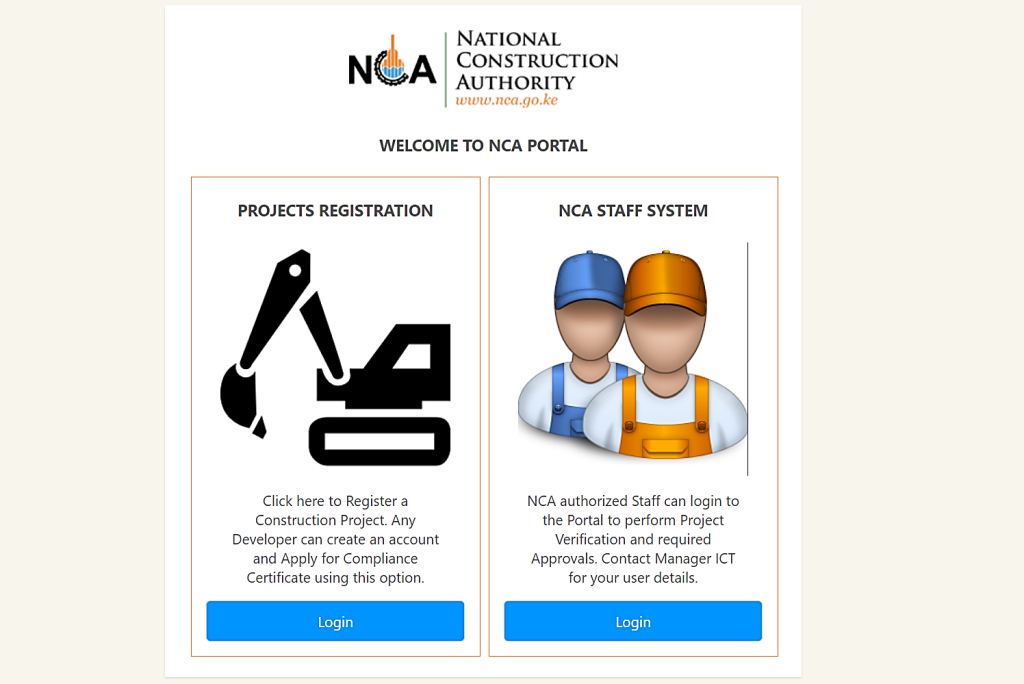
For projects in Kenya, construction agreements should also reference local legal requirements such as compliance with the National Construction Authority (NCA) regulations, contractor registration rules, and mandatory project approvals. Developers must also obtain relevant county government approvals before starting construction. Additionally, compliance with occupational safety standards enforced under Kenya’s labor and workplace safety laws is essential to protect workers and avoid legal penalties.
Proper legal planning and regulatory compliance help construction projects avoid delays, disputes, financial losses, and legal complications while ensuring professional project execution.
Common Mistakes to Avoid When Signing Construction Contracts
Many construction disputes and project failures do not happen during execution but at the contract signing stage. Poorly reviewed or incomplete agreements often create confusion, financial losses, and legal conflicts later in the project. Understanding common mistakes helps contractors, developers, and homeowners protect themselves before committing to any construction agreement.
One major mistake is signing incomplete contracts that lack key details such as scope of work, payment schedules, timelines, or material specifications. When important information is missing, it becomes difficult to hold any party accountable.
Another common error is ignoring the fine print. Small clauses in construction contracts often contain critical conditions related to penalties, variations, liability, or termination. Overlooking these details can lead to unexpected costs or obligations.
Undefined timelines are also a major issue. Without clear start and completion dates, projects often experience unnecessary delays and disputes over responsibility for time overruns.
Many people also forget to include a dispute resolution clause, leaving no clear process for handling disagreements. This can force parties into lengthy and expensive court battles instead of faster solutions like mediation or arbitration.
Unrealistic budgets are another frequent problem. Underestimating project costs or accepting unusually low bids can lead to stalled work, poor workmanship, or contractor abandonment when funds run out.
A poorly defined scope of work is equally dangerous because it opens the door to scope creep, where additional work is added without proper pricing or approval.
Relying on verbal agreements instead of written contracts is a risky practice in construction. Verbal promises are difficult to enforce legally and often lead to misunderstandings between parties.
Finally, lack of legal review before signing a contract can result in signing unfair or one-sided terms without realizing the long-term consequences.
Professional contractors and project managers strongly recommend that every construction agreement be reviewed carefully, ideally by a qualified legal or construction professional. They also advise clients to insist on clear documentation, verify all costs upfront, and ensure every agreement is fully written and signed before any work begins on site.
How to Choose the Right Construction Contract for Your Project
Selecting the right construction contract is essential for balancing cost control, risk management, flexibility, and project efficiency. The best contract depends on several key project factors, and making the wrong choice can lead to disputes, delays, or unexpected cost overruns. Understanding these considerations helps clients, developers, and contractors make informed decisions before starting a project.
One of the first factors to consider is project size. Small residential projects often require simpler contracts like lump sum agreements, while large commercial or infrastructure projects may need more detailed arrangements such as EPC or unit price contracts. The larger the project, the more structured and detailed the contract should be.
Budget certainty is another critical factor. If a client wants a fixed and predictable cost, a lump sum contract is usually the best option. However, if flexibility is more important than cost certainty, cost-plus or time and materials contracts may be more suitable.
The complexity level of the project also influences the contract type. Simple builds with clear designs are easier to manage under fixed-price agreements, while complex or evolving designs may require flexible contracts that allow changes during execution.
Closely related is risk tolerance. Clients who prefer to transfer most risks to the contractor may choose fixed-price or EPC contracts. On the other hand, those willing to share or manage risk can opt for cost-plus or unit price agreements.
Design completeness is also important. Fully developed architectural and engineering drawings support fixed contracts, while incomplete designs often require flexible arrangements since changes are expected during construction.
The project timeline should also guide contract selection. Fast-track projects may benefit from design and build contracts, where design and construction happen simultaneously, reducing overall delivery time.
Another key factor is owner involvement. Highly involved clients who want control over materials, costs, and execution may prefer flexible contracts like cost-plus or time and materials. Less involved clients often choose fixed-price or turnkey solutions for convenience.
Practical Advice: Best Contracts for Different Project Types
For residential projects, lump sum contracts are often the most suitable because they provide cost predictability and are easier to manage for individual homeowners.
For apartments, especially multi-unit developments, design and build or GMP contracts work well due to their balance between cost control and efficiency.
For commercial buildings, GMP or EPC contracts are commonly used because they offer better risk management and structured delivery for complex developments.
For infrastructure projects, unit price or EPC contracts are ideal since they handle large-scale work, variable quantities, and technical complexity effectively.
Choosing the right construction contract ensures smoother project execution, better cost control, and reduced disputes, ultimately increasing the likelihood of successful project completion.

The Future of Contracts in the Construction Industry
The construction industry is rapidly evolving, and contracts are becoming more digital, automated, and data-driven. Traditional paper-based agreements are being replaced by smarter systems that improve accuracy, transparency, and efficiency across all project stages.
One of the biggest changes is the rise of digital contracts, where agreements are created, signed, stored, and managed electronically. This reduces paperwork, speeds up approvals, and allows all parties to access contract documents in real time.
Closely linked to this is the emergence of smart contracts, which use programmed conditions to automatically execute payments or actions once agreed milestones are achieved. This reduces disputes and ensures faster, more reliable transactions between clients and contractors.
BIM (Building Information Modeling) integration is also transforming contract management by linking design data directly to contract terms. This helps ensure that any design changes are automatically reflected in project planning, budgeting, and execution.
At the same time, AI-powered contract management systems are improving how contracts are reviewed, monitored, and enforced. Artificial intelligence can identify risks, detect inconsistencies, and predict potential delays before they happen.
Automated compliance systems are making it easier to ensure that construction projects follow legal, safety, and regulatory requirements without manual tracking. These systems help reduce human error and improve accountability.
Finally, blockchain technology is introducing secure and transparent construction agreements where contract records cannot be easily altered. This increases trust between parties and reduces fraud or manipulation risks.
Overall, technology is transforming construction administration by making contracts more efficient, transparent, and reliable, ultimately leading to better project outcomes and reduced disputes.
Conclusion: Why Proper Construction Contracts Are Essential for Successful Projects
Proper construction contracts are the backbone of every successful building project, regardless of size or complexity. They provide structure, clarity, and legal protection that guide all parties from project initiation to completion. Without a well-drafted agreement, construction projects are exposed to unnecessary risks, misunderstandings, and costly disputes that can easily derail progress.
One of the key benefits of construction contracts is that they reduce risk by clearly defining responsibilities, expectations, and deliverables for contractors, clients, consultants, and subcontractors. This minimizes uncertainty and ensures that everyone understands their role in the project.
Contracts also improve accountability by setting measurable standards for timelines, quality, and performance. Each party is held responsible for their obligations, which encourages professionalism and commitment throughout the construction process.
From a financial perspective, well-structured agreements protect project funds by clearly outlining payment terms, budgets, and cost variations. This helps prevent unexpected expenses and ensures smoother cash flow management for both clients and contractors.
Another major advantage is that contracts clarify responsibilities, reducing confusion over scope of work, material supply, and decision-making authority. When roles are clearly defined, project coordination becomes more efficient and productive.
Construction contracts also prevent disputes by providing documented terms that can be referenced in case of disagreements. Instead of relying on verbal assumptions, parties can refer to signed agreements for resolution.
Ultimately, strong contracts contribute to smoother project delivery, ensuring that construction progresses according to plan with minimal interruptions, delays, or conflicts.
Final Insight
Strong construction agreements are the foundation of every successful building project. Whether constructing a residential home, apartment complex, or commercial development, a well-drafted contract protects all parties, strengthens trust, and significantly increases the chances of completing the project on time, within budget, and to the required quality standards.