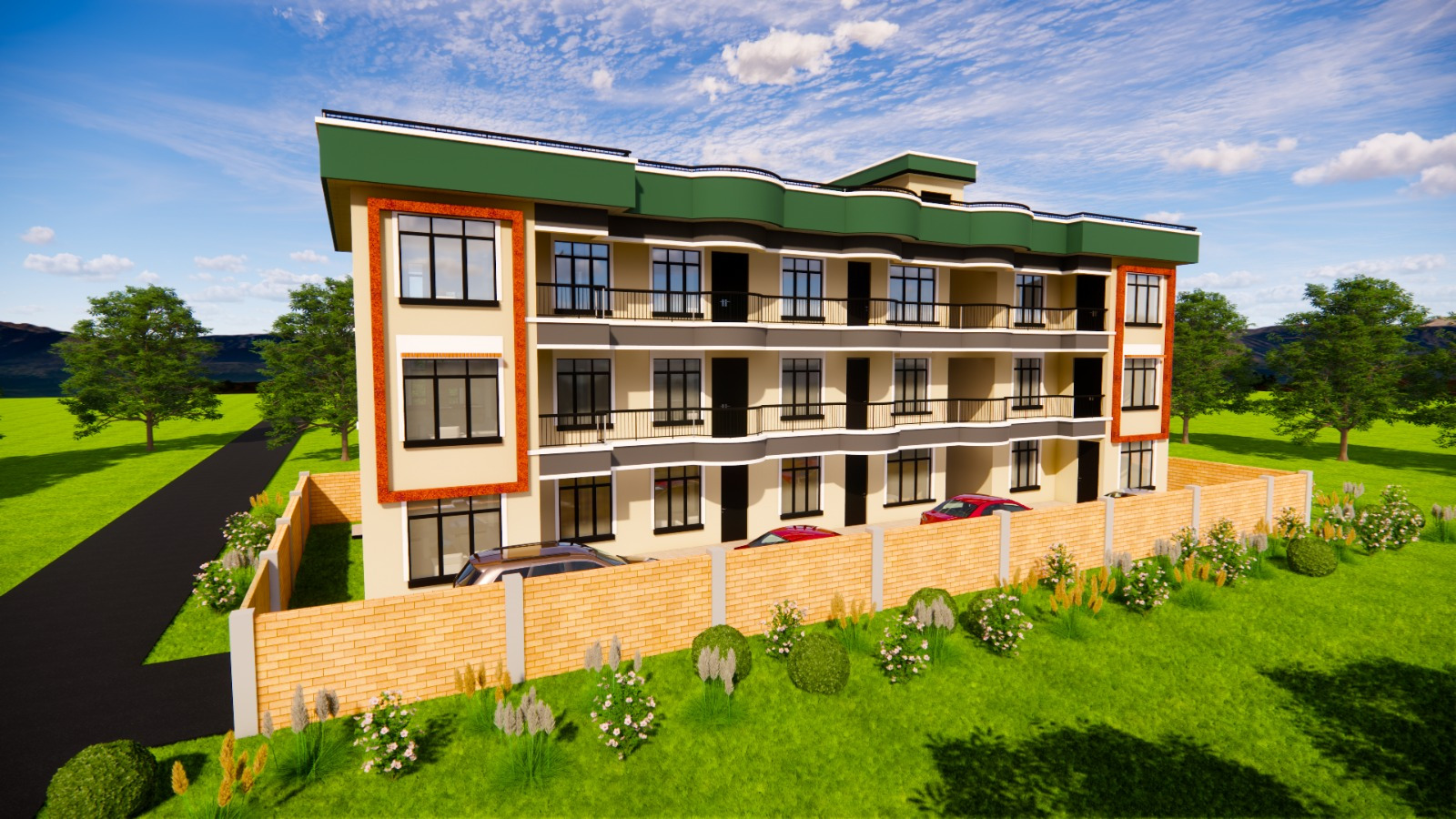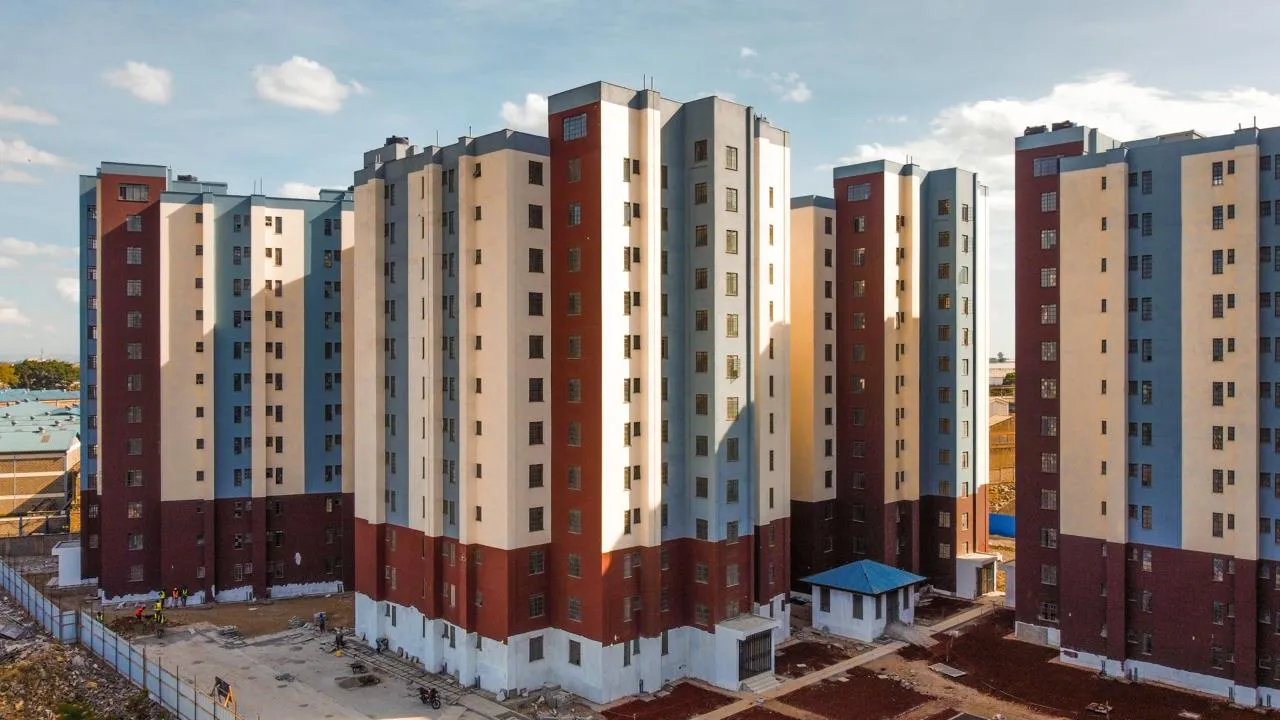
Turnkey apartment construction services in Kenya offer a complete end-to-end building solution from design to handover. Learn benefits, costs, process, ROI, and how to choose the best contractor for stress-free, high-return apartment investment.
Introduction: Why Turnkey Apartment Construction is Transforming Kenya’s Real Estate
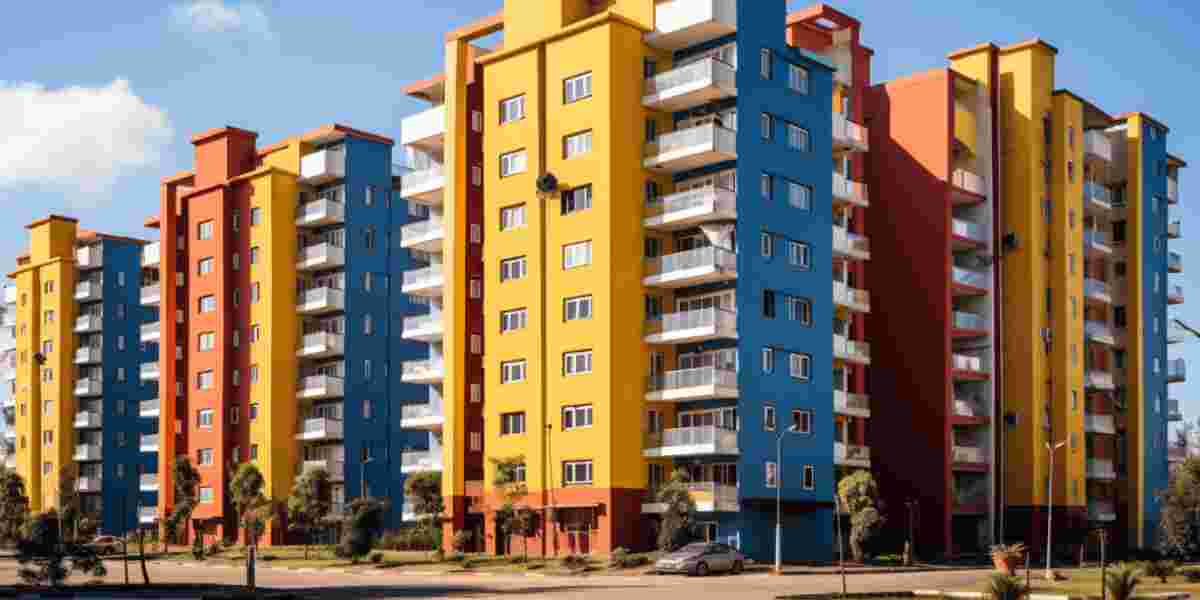
Kenya’s real estate sector is experiencing rapid growth driven by urbanization, increasing demand for rental housing, and rising interest from both local and diaspora investors. Cities such as Nairobi, Kisumu, Mombasa, and Nakuru continue to expand, creating a strong need for well-planned apartment developments that can deliver consistent rental income and long-term value appreciation. As land becomes more expensive and construction projects grow in complexity, investors are increasingly looking for more efficient and reliable building approaches.
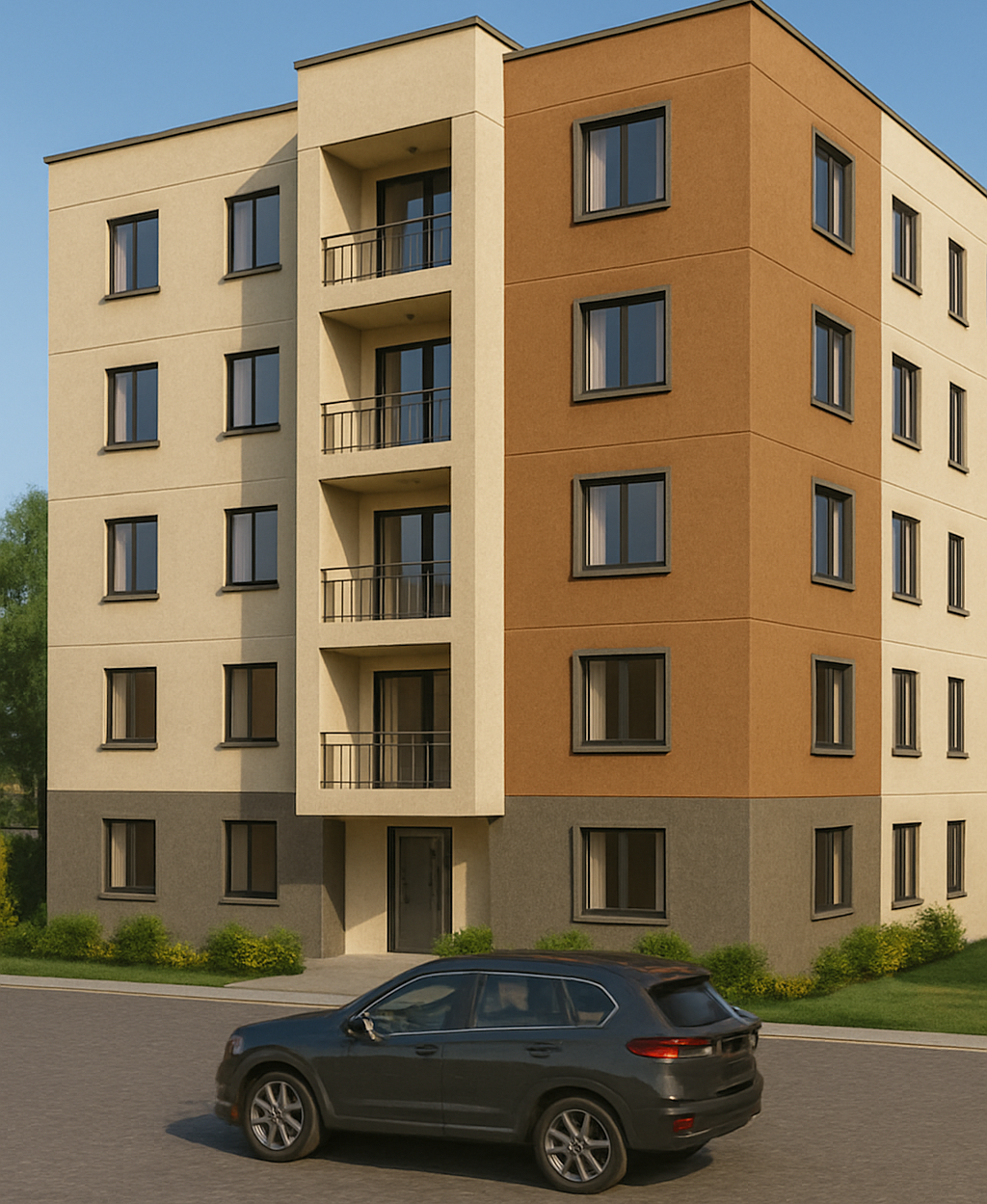
This is where turnkey construction comes in. In simple terms, turnkey apartment construction means a complete building solution where one contractor manages the entire project from design, approvals, construction, finishing, and final handover. The investor only receives the finished building ready for occupation or rental—just “turn the key” and start using it.
This approach is based on a single responsibility model, where one company is fully accountable for the success of the project. Instead of hiring separate architects, engineers, quantity surveyors, and builders, everything is coordinated under one professional team.
Today, investors prefer turnkey apartment construction services in Kenya because it reduces stress, eliminates unnecessary delays, and minimizes the risk of mismanagement across different contractors. It also ensures faster project delivery and more predictable budgeting, which is especially important in large apartment developments.
With these advantages, turnkey construction is quickly becoming the preferred model for modern real estate investors, setting the stage for a more structured and efficient approach to apartment development in Kenya.
What Are Turnkey Apartment Construction Services?
Turnkey apartment construction services refer to a fully integrated building approach where a single contractor handles the entire project lifecycle—from initial design and planning, obtaining approvals, construction, interior finishing, and finally handing over a complete, ready-to-use apartment building. The term “turnkey” comes from the idea that once the project is complete, the client only needs to “turn the key” and start using or renting out the property.
In this model, every stage of development is managed under one contract and one point of responsibility, ensuring smooth coordination and accountability throughout the project.
To understand it better, it helps to compare it with other construction methods:
- Turnkey vs Labour-Only Contracts: In labour-only arrangements, the client supplies materials and manages multiple workers or subcontractors separately. In contrast, turnkey contractors handle both labour and materials, reducing the burden on the investor.
- Turnkey vs Traditional Contracting: Traditional construction often involves hiring different professionals—architects, engineers, quantity surveyors, and contractors—who may not always coordinate effectively. Turnkey construction eliminates this fragmentation by bringing all services under one management system.
A simple way to visualize this is:
Design → Approvals → Construction → Finishing → Handover (All managed by one contractor)
Apartments especially benefit from this model because they involve multiple units, complex structural planning, and strict compliance requirements. Coordination errors in such projects can easily lead to delays and cost overruns.
In Kenya’s construction industry, challenges such as poor contractor coordination, project delays, material mismanagement, and occasional corruption risks make turnkey apartment construction services in Kenya a more reliable and efficient option for serious investors. By centralizing responsibility, turnkey delivery ensures better quality control, faster execution, and reduced project uncertainty.
Step-by-Step Turnkey Apartment Construction Process in Kenya
Turnkey apartment construction follows a structured, end-to-end process designed to ensure efficiency, compliance, and quality delivery. Each stage is carefully managed by the contractor to eliminate delays and coordination gaps common in traditional construction projects.
Feasibility Study & Land Evaluation
The process begins with a detailed feasibility study and land evaluation. This includes soil testing to determine ground strength and suitability for multi-storey apartment development. Zoning laws are also reviewed to confirm that the land is approved for residential or high-density construction. In addition, a return on investment (ROI) analysis is conducted to estimate rental income potential, construction costs, and long-term profitability. This stage ensures the project is financially viable and structurally safe before any design work begins.
Architectural & Structural Design
Once feasibility is confirmed, architects and engineers develop detailed apartment designs. This includes space planning, optimal number of units, parking allocation, and circulation areas such as staircases and corridors. Structural engineers ensure the building can safely support multiple floors. At this stage, compliance with county regulations is also considered to avoid future approval issues. The goal is to balance aesthetics, functionality, and maximum rental efficiency while ensuring the design aligns with investor expectations.
Approvals & Permits
Before construction begins, all necessary approvals must be obtained. These include county government building permits, structural approval, and where required, environmental clearance from NEMA. This step ensures the project complies with all legal and safety standards. A turnkey contractor typically handles the entire approval process, reducing delays and administrative burden on the investor.
Construction Phase
This is the most intensive stage of the project. It begins with foundation excavation and casting, followed by structural framework work such as columns, beams, and slabs. Once the structure is complete, masonry work, roofing, and external walls are completed. Mechanical, electrical, and plumbing (MEP) installations are then integrated into the building. Throughout this phase, strict site supervision ensures quality control, adherence to timelines, and proper use of materials to avoid wastage or substandard work.
Finishing & Interior Works
After structural completion, attention shifts to finishing works. This includes floor tiling, ceiling installation, painting, and decorative finishes. Kitchen fittings, wardrobes, doors, and bathroom fixtures are installed to make the apartments fully functional and ready for occupancy. Finishing quality plays a major role in determining rental value and tenant attraction.
Handover & Quality Inspection
The final stage involves a thorough inspection known as the snag list process, where any defects or incomplete works are identified and corrected. Once everything meets the required standards, a final inspection is conducted. The project is then officially handed over to the client, marking the completion of a fully functional turnkey apartment ready for rental or occupation.
Services Included in Turnkey Apartment Construction Packages in Kenya
Turnkey apartment construction packages in Kenya are designed to offer investors a complete, end-to-end solution where a single contractor takes full responsibility for the entire project. This integrated approach ensures efficiency, accountability, and consistent quality from start to finish.
One of the core services included is full architectural design, where professionals develop functional and space-efficient apartment layouts tailored to the site and target market. This is supported by structural engineering, which ensures the building is safe, stable, and compliant with all construction standards for multi-storey developments.
A detailed Bill of Quantities (BOQ) is also prepared to give a clear breakdown of material requirements, labour costs, and overall project budgeting. This helps investors understand the financial scope of the project and minimizes the risk of unexpected costs.
Comprehensive project management is a key feature of turnkey services. The contractor coordinates all activities, timelines, and subcontractors to ensure smooth execution. This is closely linked with material sourcing and procurement, where quality materials are purchased at competitive prices to maintain standards and control costs.
In addition, labour management and site supervision are handled internally by the turnkey team. This ensures skilled workers are properly coordinated and that construction quality is continuously monitored on-site to avoid errors or delays.
Once structural work is complete, the service extends to interior finishing, including flooring, painting, kitchen fittings, wardrobes, and other final touches that make the apartments ready for occupation.
Turnkey providers also handle compliance and approvals, including county permits and regulatory requirements, ensuring the project remains legally compliant throughout its lifecycle.
Finally, project reporting is a crucial service, especially for diaspora investors. Regular updates, progress reports, and site photos keep clients informed even when they are not physically present in Kenya.
Overall, turnkey apartment construction services in Kenya are built around a single principle: end-to-end responsibility. The contractor manages every stage of development, giving investors peace of mind, reduced risk, and a fully completed income-generating asset.
Benefits of Turnkey Apartment Construction Services in Kenya
Turnkey apartment construction has become one of the most preferred approaches in Kenya’s real estate sector because it offers a wide range of practical benefits for both local and diaspora investors. By consolidating all construction responsibilities under one contractor, the model eliminates many of the challenges associated with traditional building methods.
Time Efficiency
One of the biggest advantages is faster project completion. Since all stages—design, approvals, construction, and finishing—are managed by a single team, coordination is smoother and decision-making is quicker. There are fewer delays caused by miscommunication between multiple contractors, allowing projects to move forward in a more structured timeline.
Cost Control
Turnkey construction helps in better cost management and reduces the risk of budget overruns. With a well-prepared Bill of Quantities (BOQ) and centralized procurement, materials are planned efficiently and purchased at competitive rates. This minimizes wastage and prevents unexpected expenses that are common in fragmented contracting systems.
Reduced Stress for Investors
Investors do not need to coordinate plumbers, masons, electricians, or suppliers separately. The turnkey contractor handles everything, allowing the investor to focus on financial planning rather than day-to-day site issues. This significantly reduces the pressure and complexity of managing a construction project.
Better Quality Control
With a single management system in place, quality standards are easier to maintain. Site supervision is unified, ensuring that all workmanship—from foundation to finishing—meets consistent standards. This reduces errors and improves the overall durability and appearance of the apartment building.
Ideal for Diaspora Investors
Turnkey apartment construction is especially beneficial for diaspora clients who may not be physically present in Kenya. They receive regular progress reports, photos, and updates, enabling them to monitor the project remotely. This transparency builds trust and confidence throughout the construction process.
Legal & Compliance Safety
Another key benefit is reduced legal risk. Turnkey contractors handle all necessary approvals, permits, and compliance requirements. This ensures that the project adheres to county regulations and environmental standards, minimizing the risk of fines, demolition orders, or legal disputes.
Overall, turnkey apartment construction services in Kenya offer a streamlined, reliable, and investor-friendly approach that enhances efficiency, reduces risks, and delivers higher-quality results.
Challenges & Risks of Turnkey Apartment Construction in Kenya
While turnkey apartment construction offers convenience and efficiency, it is not without potential risks. Understanding these challenges is important for investors to make informed decisions and choose the right construction partner.
One of the biggest risks is poor contractor selection. If an investor chooses an inexperienced or unqualified contractor, the entire project may suffer from delays, poor workmanship, or even structural defects. Since the contractor manages everything, any weakness in their capability directly affects the final outcome.
Another common issue is lack of transparency in pricing. Some contractors may present unclear quotations or inflate costs during construction, especially if the Bill of Quantities (BOQ) is not well defined or strictly followed.
Project delays can also occur if the contractor has weak project management systems. Poor scheduling, inadequate labour coordination, or supply chain disruptions can slow down progress and increase costs.
There is also the risk of material substitution, where lower-quality materials are used instead of what was agreed upon. This can compromise the durability and safety of the apartment building if not closely monitored.
These risks highlight the importance of having strong contracts and a detailed BOQ. A clear contract defines responsibilities, timelines, quality standards, and payment structures, reducing room for disputes.
To minimize these risks, investors should conduct thorough due diligence before hiring a contractor. This includes reviewing past projects, checking licenses, and confirming technical capacity. Working with verified and reputable contractors significantly reduces the likelihood of project failure.
Additionally, insisting on regular site reporting and progress updates ensures transparency throughout the construction process, even for investors who are not physically present.
Cost of Turnkey Apartment Construction in Kenya
The cost of turnkey apartment construction in Kenya varies widely depending on several technical, location-based, and design-related factors. Since turnkey projects cover the entire process from design to handover, pricing is usually comprehensive, but still influenced by key project variables.
One of the main cost drivers is location. Construction in Nairobi and other major urban areas tends to be more expensive due to higher land-related requirements, labour costs, and stricter compliance standards. In contrast, outskirts and emerging towns may offer lower construction costs but can vary depending on infrastructure availability.
The number of floors also significantly affects cost. High-rise apartment buildings require stronger structural systems, deeper foundations, and additional reinforcement, which increases material and engineering expenses.
Another important factor is the finishing level. Standard finishes such as basic tiles and fittings are more affordable, while luxury finishes—premium tiles, modern kitchen designs, gypsum ceilings, and high-end fixtures—can substantially increase the total budget.
Material quality plays a major role as well. High-quality cement, steel, and finishing materials improve durability and aesthetics but come at a higher cost. Turnkey contractors often balance cost and quality based on the investor’s budget and target market.
On average, turnkey apartment construction in Kenya can range from approximately KSh 45,000 to KSh 90,000 per square meter, depending on the specifications and location. However, these figures may vary based on market fluctuations and design complexity.
There are also hidden costs that investors sometimes overlook. These include approval fees, utility connections such as water and electricity, and site preparation costs like excavation and leveling. A good turnkey contractor ensures these are included in the planning stage to avoid surprises.
From an investment perspective, ROI is a key consideration. Well-designed apartments in high-demand areas can generate strong rental returns, making turnkey construction a strategic long-term investment when properly planned and executed.
Turnkey vs Traditional Apartment Construction in Kenya
When investing in apartment development in Kenya, one of the most important decisions is choosing between turnkey construction and traditional contracting. Each approach has distinct advantages and limitations depending on the investor’s experience, budget, and level of involvement.
Comparison Overview
| Factor | Turnkey Construction | Traditional Construction |
| Management Structure | Single contractor handles everything | Multiple contractors and consultants |
| Cost Predictability | More controlled with BOQ | Prone to cost overruns |
| Time Efficiency | Faster due to coordinated workflow | Slower due to coordination gaps |
| Risk Level | Lower (single point of responsibility) | Higher (shared responsibility risks) |
| Investor Involvement | Minimal day-to-day involvement | High involvement required |
Why Turnkey Is More Popular Among Investors
Turnkey apartment construction has become more popular in Kenya because it offers convenience, accountability, and efficiency. Investors prefer it because they do not need to manage multiple professionals or deal with site-level problems daily. The single responsibility model reduces confusion, improves communication, and ensures the project moves according to a structured timeline.
It is also highly attractive to diaspora investors who need remote management and regular reporting. With turnkey construction, they can invest confidently without physically supervising the project.
Additionally, turnkey projects reduce the risk of miscommunication between architects, engineers, and contractors—one of the most common causes of delays and cost overruns in traditional construction.
When Traditional Construction Still Makes Sense
Despite its advantages, traditional construction is still suitable in certain situations. It may be preferred when an investor already has strong construction knowledge or wants full control over every stage of the project. It can also be cost-effective for smaller projects or when working with a trusted network of individual professionals.
However, it requires active supervision, strong coordination skills, and more time commitment from the investor.
Best Use Cases for Turnkey Apartment Construction
Turnkey apartment construction services in Kenya are not a one-size-fits-all solution, but they are highly effective for specific types of investors and projects. Understanding where this model works best helps investors maximize efficiency, reduce risk, and achieve better returns.
One of the strongest use cases is for diaspora investors. These investors often cannot be physically present to supervise construction, making turnkey services ideal due to regular reporting, remote monitoring, and full project handling by one contractor.
It is also highly suitable for real estate developers who want to scale multiple apartment projects efficiently. Turnkey construction allows them to focus on land acquisition and financing while the contractor handles execution.
Commercial apartment landlords benefit greatly as well, especially those building rental-focused properties. Turnkey delivery ensures faster completion, meaning they can start generating rental income sooner.
For first-time property investors, turnkey construction reduces complexity and eliminates the need to coordinate multiple professionals. This makes the construction process more predictable and less stressful.
Additionally, institutions such as NGOs, schools, churches, and housing organizations often prefer turnkey solutions for staff housing or student accommodation projects. This is because they require reliable delivery, strict budgeting, and minimal internal management involvement.
Overall, turnkey apartment construction services in Kenya are best suited for investors who value convenience, accountability, and efficiency over direct day-to-day control. It is particularly powerful in projects where timelines, quality consistency, and risk reduction are top priorities.
How to Choose the Best Turnkey Apartment Construction Company in Kenya
Choosing the right turnkey apartment construction company in Kenya is one of the most important decisions an investor can make. Since turnkey contractors handle the entire project from start to finish, their competence directly determines the success, cost, and quality of the apartment development.
The first step is to check registration and licensing. A reputable contractor should be registered with relevant construction authorities and have valid operating permits. This ensures they are legally recognized and qualified to undertake large-scale apartment projects.
Next, always review past apartment projects. A strong portfolio demonstrates experience in handling similar developments. Visiting completed or ongoing sites gives insight into workmanship quality, design execution, and project management capability.
It is also important to evaluate BOQ transparency. A detailed Bill of Quantities should clearly outline materials, labour, and cost breakdowns. This helps prevent hidden charges and ensures the investor understands exactly what they are paying for.
Investors should also ask for clear timelines and milestones. A professional turnkey company should provide a realistic project schedule showing key stages such as foundation, structural works, finishing, and handover. This helps track progress and avoid unnecessary delays.
For diaspora investors, communication systems are critical. The best companies provide regular updates through reports, photos, videos, and even virtual site tours. Transparent communication builds trust and keeps investors informed even when they are abroad.
Before signing any agreement, it is advisable to conduct physical site visits. Seeing ongoing projects helps verify the contractor’s capacity, workforce organization, and quality control standards.
Finally, pay close attention to the contract structure and payment terms. A good contract should clearly define scope of work, payment schedule, timelines, quality standards, and penalties for delays. This protects both the investor and the contractor.
Real Estate ROI: Why Turnkey Apartments Are a Smart Investment in Kenya
Turnkey apartment construction in Kenya is increasingly viewed as a smart investment strategy due to strong real estate demand and the potential for stable long-term returns. Urban centres such as Nairobi, Mombasa, Kisumu, and Nakuru continue to experience rising demand for quality rental housing driven by population growth, urban migration, and a growing middle-income population.
One of the key advantages is passive income potential. Once completed, turnkey apartments can generate consistent monthly rental income with minimal ongoing involvement from the investor, especially when managed professionally.
Another major benefit is long-term capital appreciation. Property values in well-located urban and peri-urban areas tend to increase over time, making apartments not only income-generating assets but also wealth-building investments.
Professionally executed turnkey projects also help reduce vacancy risks. Well-designed apartments with modern layouts, proper finishes, and essential amenities attract tenants faster and maintain higher occupancy rates compared to poorly planned developments.
The importance of good design cannot be overlooked. Functional layouts, adequate ventilation, parking space, and aesthetic appeal significantly influence tenant demand and rental pricing. A well-designed apartment block is more competitive in the rental market and delivers stronger returns.
Overall, turnkey apartment construction services in Kenya provide investors with a structured path to achieving reliable ROI by combining efficiency, quality construction, and strong rental market demand into a single streamlined investment model.

Conclusion: Why Turnkey Apartment Construction is the Future of Real Estate in Kenya
Turnkey apartment construction is rapidly becoming the preferred model in Kenya’s real estate sector because it brings together convenience, efficiency, and accountability in one streamlined system. Unlike traditional construction methods that require investors to manage multiple professionals, turnkey solutions offer a single point of responsibility from design to final handover.
One of the key advantages is convenience. Investors do not need to coordinate architects, engineers, and contractors separately, making the entire process smoother and less stressful. This is especially valuable for busy professionals and diaspora investors.
Another major benefit is cost control. With a well-prepared Bill of Quantities and centralized procurement, budgets are better managed, reducing the risk of unexpected expenses and financial overruns.
Turnkey construction also ensures quality assurance. Since one contractor is fully responsible for the entire project, there is better supervision, consistent workmanship, and stronger accountability across all stages of construction.
In addition, it enables faster project delivery. Coordinated planning and execution eliminate many of the delays common in fragmented construction systems, allowing investors to start earning rental income sooner.
As Kenya’s urban population continues to grow, more investors are shifting toward turnkey apartment construction services in Kenya because they offer a reliable, predictable, and professionally managed path to property development.
Ultimately, while construction methods may vary, the most important factor is not just the approach but the professionalism of the contractor. A well-executed turnkey project can deliver exceptional results, proving that in real estate development, expertise and accountability matter more than the method itself.