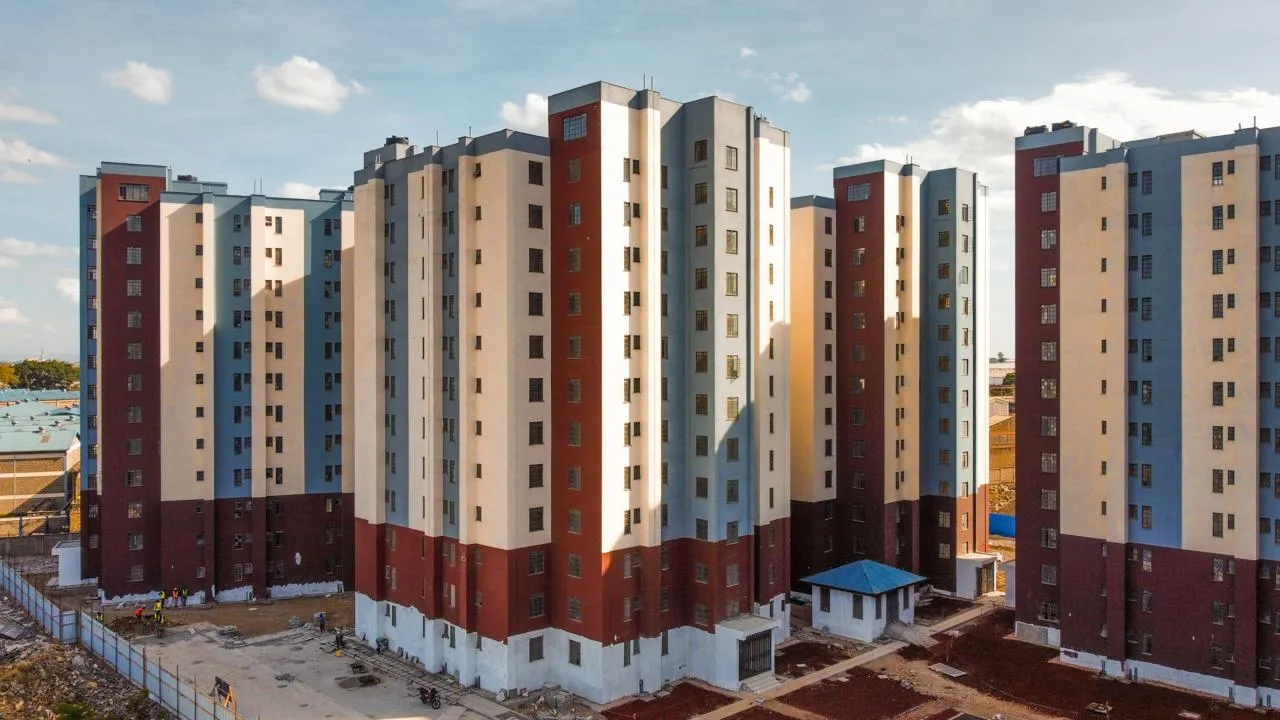
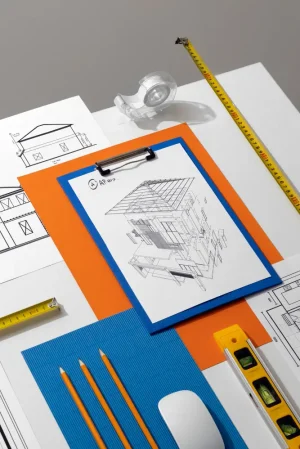
Most people who build in Kenya start the same way: they find an architect for the drawings, a quantity surveyor for the BQ, an engineer for the structure, then go looking for a contractor. Every handover between these people is a chance for delays, extra costs and finger-pointing. Design and build in Kenya removes most of those handovers. One firm takes responsibility for the design, the approvals, the costing and the construction, from the first sketch to the day you receive the keys.
This guide explains what design and build means, how a project runs, how it compares with the traditional route, which contracts are used, and how to choose the right firm. If you are ready to talk about a project, see our design-build services.
Planning to build? Get a free design-and-build estimate for your plot: WhatsApp 0789 217 685
What design and build means
Design and build (also called design-build or, for larger projects, turnkey or EPC) is a way of delivering a building where the client signs one contract with one firm for both the design and the construction. That firm employs or appoints the architect, structural engineer, MEP engineer and quantity surveyor, prepares and submits the drawings for approval, prices the work, and then builds it.
The key idea is single-point responsibility. If the roof leaks because of a design fault or a workmanship fault, you do not have to work out whether to call the architect or the contractor. The design-build firm is responsible for both.
How a design-build project runs, step by step
- Brief and site visit. You explain what you want to build, your budget and timeline. The firm visits the plot to check access, slope, soil and services.
- Concept design and budget. The architect prepares sketch plans and the quantity surveyor gives an early cost estimate, so design and budget are matched from day one.
- Detailed design. Architectural, structural, electrical and plumbing drawings are completed, along with a Bill of Quantities (BQ).
- Approvals. The firm submits drawings to the county and handles other approvals the project needs, such as NCA project registration and, where required, NEMA.
- Contract and price. You sign the construction price and payment schedule, usually tied to stages such as foundation, walling, roofing and finishes.
- Construction. The same team that designed the building supervises it, so design questions on site are answered quickly.
- Handover and defects period. You receive the building, a snag list is closed out, and the firm remains responsible for defects for an agreed period.

Design and build vs the traditional route
In the traditional route (often called design-bid-build), you hire consultants first, they complete the design and tender documents, contractors bid, and you then sign a separate building contract, often on the Joint Building Council (JBC) conditions of contract. Both routes can produce a good building. The difference is who carries the risk and how many parties you manage.
| Question | Design and build | Traditional (design-bid-build) |
|---|---|---|
| How many contracts do you sign? | One | Several: each consultant plus the contractor |
| Who is responsible for design errors? | The design-build firm | The consultant who made the error, often disputed with the contractor |
| When do you know the price? | Early, refined as design develops | After tender, once design is complete |
| Speed | Faster: design and approvals overlap with planning for construction | Slower: each stage waits for the one before |
| Your control over design details | High at briefing; changes later cost more | High throughout, through your own consultants |
| Best suited to | Homes, rental apartments, warehouses, schools, diaspora clients | Complex public projects needing independent checks at each stage |
The main benefits for Kenyan property owners
- One point of contact. Especially valuable for busy professionals and Kenyans in the diaspora who cannot visit site every week.
- Fewer gaps between design and site. The engineer who designed the slab is on the same team as the site agent pouring it.
- Budget control from the start. The QS prices the design as it develops, so you do not fall in love with a design you cannot afford.
- Faster completion. Approvals, procurement and early works can be planned in parallel.
- Clear accountability for defects. There is one firm to call back.
The risks, and how to manage them
Design and build is not risk-free. Because the same firm designs and prices the work, a weak firm could design to suit its own costs rather than your needs. You can manage this by:
- writing a clear brief: room sizes, finishes, number of units and quality level;
- asking for a full BQ, not a one-line lump sum;
- agreeing the specification for key items (roofing, tiles, doors, windows, sanitary fittings) before signing;
- linking payments to completed stages, with a retention sum held until the defects period ends;
- for larger projects, hiring an independent QS or project manager to review the price and certify payments.
Which contracts are used for design and build in Kenya?
Smaller private projects, such as homes, often use a written design-and-build agreement drawn up by the firm and reviewed by the client’s lawyer. Larger projects commonly use FIDIC forms. FIDIC’s Plant and Design-Build conditions (the “Yellow Book”) and its EPC/Turnkey conditions (the “Silver Book”) are both used on Kenyan public tenders. Whatever the form, the contract should cover the scope and specification, the price and payment stages, the programme, variations, insurance, the defects liability period and how disputes are resolved.
The contractor must also be registered with the National Construction Authority (NCA) in a category that covers your project’s value. Read our guide on how to verify a contractor’s credentials in Kenya before you sign.
How much does design and build cost?
The total cost is the construction cost plus the design and management work that the firm now does in-house. Because the professional services are bundled, design and build is often no more expensive than hiring each consultant separately, and the early cost control can save money. The real number depends on floor area, number of storeys, finishes, site conditions and location, so ask for a BQ-based quote for your specific plot. Make sure the quote states clearly whether it includes approval fees, utility connections, external works and the perimeter wall.
Payments are usually made in stages as work is completed. See how this works in our guide to payment schedules.
Is design and build right for you?
Design and build usually suits you if you:
- want one firm to manage everything and report to you;
- live abroad or far from the site;
- are building a home, rental apartments, a warehouse, school or commercial building with a clear brief;
- want an early, reliable idea of the total cost.
The traditional route may suit you better if you want to appoint and control each consultant yourself, or if your organisation’s procurement rules require separate design and construction tenders.
Frequently asked questions
Do I still own the drawings in a design-build contract?
That depends on the contract. Agree in writing that you receive a full set of approved drawings at handover and may use them to maintain or extend the building.
Can I change the design once construction starts?
Yes, but changes after the price is agreed are variations and usually cost extra time and money. The cheapest time to change a design is at concept stage.
Who gets the building approvals?
In design and build, the firm prepares and submits the drawings and follows up approvals on your behalf. Approval fees are normally paid by the owner, so check whether your quote includes them.
One team, from drawings to handover
Tell us your town, plot size and what you want to build. Marble Engineering will prepare the design, handle approvals, price the work in a BQ and build it, with one point of contact throughout. Learn more about our design-build services.
Or call 0789 217 685 / 0724 481 087.