Apartment Construction Tender Kenya
Learn how to find apartment construction tenders in Kenya, check whether your company qualifies, prepare the required tender documents, price your bid and submit a compliant proposal.
Introduction
Finding an apartment construction tender in Kenya is only the first step. Before submitting a bid, contractors need to confirm that they meet the tender’s eligibility requirements, understand the scope of work, review the drawings and specifications, check the Bills of Quantities (BOQ), prepare the required technical and financial documents, and submit the bid according to the stated instructions.
Apartment construction tenders may be issued by government agencies, county governments, public institutions, private developers, real estate companies and other organizations undertaking residential developments. The requirements can vary significantly from one tender to another, so contractors should always use the specific tender documents as the final source of information about eligibility, submission requirements and deadlines.
This guide explains how to find apartment construction tenders in Kenya, assess whether a tender is suitable for your company, understand the key requirements, prepare your bid and avoid common mistakes that can make a submission non-responsive.
What is an Apartment Construction Tender in Kenya?
An apartment construction tender is a formal invitation issued by a government agency, county government, private developer, institution, or real estate investor requesting qualified contractors to submit bids for the construction of residential apartment projects. An apartment project tender Kenya outlines the project’s scope, technical specifications, qualification requirements, submission procedures, evaluation criteria, and contract conditions, enabling clients to select the most capable contractor through a transparent and competitive procurement process.
Apartment construction tenders can be broadly categorized into public and private tenders. Public tenders are issued by national and county governments, state corporations, and agencies implementing affordable housing and urban development programmes. These projects must comply with public procurement regulations and are typically open to eligible contractors who meet the specified requirements. Private tenders, on the other hand, are issued by property developers, real estate companies, institutional investors, and private organizations seeking experienced contractors for residential developments.
An apartment development tender Kenya may involve constructing low-rise, mid-rise, or high-rise residential buildings, depending on the project’s scale and location. Similarly, a housing construction tender Kenya can include mixed-use developments, gated apartment communities, affordable housing schemes, student accommodation, or staff housing projects designed to meet Kenya’s growing urban housing demand. Contractors may also encounter a flat construction tender Kenya for standalone apartment blocks or phased residential developments.
The procurement process generally begins with the advertisement of the tender, followed by the release of tender documents, pre-bid meetings or site visits where applicable, bid preparation, submission before the specified deadline, tender opening, technical and financial evaluation, contract award, and project implementation. Contractors who understand these stages and prepare complete, compliant bids are better positioned to secure apartment construction contracts and build long-term relationships with both public and private clients.
Where to Find Apartment Construction Tenders in Kenya
Learn how to find apartment construction tenders in Kenya, check eligibility, review tender documents, prepare your bid and avoid common submission mistakes.
Government Procurement Sources
National government ministries, departments and agencies may advertise construction opportunities through official procurement channels. Contractors looking for apartment construction projects should monitor relevant notices and review the specific tender documents for eligibility requirements, submission instructions and deadlines.
County Governments
County governments may advertise construction projects involving housing, residential developments, institutional accommodation and other building works. Contractors targeting a particular county can monitor its official procurement and tender notices.
Public Institutions
Universities, hospitals, government agencies and other public institutions may procure contractors for staff housing, student accommodation and other residential developments. Check the institution’s official procurement notices for current opportunities.
Private Developers
Private apartment projects may be advertised differently from public tenders. Developers may invite contractors to bid directly, use prequalified contractor lists or source contractors through professional and industry networks.
Contractors interested in private projects can improve their visibility by maintaining an up-to-date company profile, portfolio, relevant registrations and evidence of previous work.
What to Verify Before Pursuing a Tender
Before preparing a bid, verify:
- The name of the procuring entity
- The tender or reference number
- The official closing date and time
- Eligibility requirements
- Required tender documents
- Where and how the tender documents are obtained
- Whether a site visit or pre-bid meeting is required
- Whether clarifications or addenda have been issued
- The required method and location of submission
Always rely on the official tender notice and tender documents for the specific project. Requirements, deadlines and eligibility conditions can vary from one tender to another.
How to Decide Whether an Apartment Tender Is Worth Bidding For
Finding a tender does not necessarily mean that a contractor should bid for it. Before committing time to preparing a technical and financial submission, it is useful to assess whether the project fits the company’s capabilities, resources and risk tolerance.
Consider the following questions before proceeding:
Does the project match your company’s capabilities?
Check whether the size, complexity and type of apartment development are consistent with projects your company can realistically deliver.
Do you meet the mandatory requirements?
Review the tender’s eligibility criteria before investing significant time in pricing and proposal preparation. These may include registration, experience, financial capacity, personnel, equipment or other requirements specified in the tender.
Can you realistically finance the project?
Consider the project’s payment terms, cash-flow requirements and the resources needed to mobilize and begin the works. A project can appear attractive based on its total contract value while still creating significant cash-flow pressure.
Is the construction period achievable?
Review the required completion period against the scope of work. Consider the number of floors, procurement requirements, site conditions and available resources when assessing whether the programme is realistic.
Are there significant information gaps?
If important information needed for pricing or planning is unclear, identify it early and use the tender’s stated clarification process rather than making assumptions.
Does the opportunity justify the cost of bidding?
Preparing a major construction tender can require substantial time from estimators, engineers, managers and other staff. Consider whether the opportunity is sufficiently suitable before committing those resources.
A tender should therefore be assessed not only by its advertised contract value, but also by its requirements, risks, resources and the company’s ability to deliver the project successfully.
What Can Make an Apartment Tender Difficult to Price?
Some apartment tenders require more careful assessment than others. The size of the development is only one consideration. The information provided, site conditions, construction requirements and contractual obligations can all affect how straightforward a project is to price.
Incomplete or unclear project information
Pricing becomes more difficult when important drawings, specifications or other information are missing or unclear. Contractors should identify these gaps early and determine whether clarification is available before finalizing the bid.
Differences between drawings and the BOQ
If an item shown on the drawings does not appear clearly in the BOQ, or the descriptions and quantities appear inconsistent, the contractor should investigate the discrepancy rather than automatically assuming that the BOQ contains the complete scope.
Restricted or difficult site access
Apartment construction sites in built-up areas may have limitations affecting delivery of materials, storage, movement of equipment and working hours. Where site information is available, these conditions should be considered during planning and pricing.
Tight construction programmes
A short completion period can affect procurement, labour requirements, equipment utilization and project management. The contractor should understand how the programme affects the proposed construction method and resources.
Complex finishes or specifications
High-end finishes, specialist installations or unusual material specifications may require different suppliers, specialist subcontractors or longer procurement periods than standard construction items.
Unclear contractual risk
Payment provisions, retention, securities, delay provisions, variations and other contractual conditions can affect the project’s financial and operational risk.
The purpose of this review is not simply to produce a tender price. It is to understand the conditions under which that price would have to be delivered.
Latest Apartment Construction Tenders in Kenya
The latest apartment construction tenders in Kenya are advertised throughout the year by government agencies, county governments, public institutions, and private developers seeking qualified contractors to deliver residential housing projects. Keeping track of open apartment construction tenders Kenya helps contractors identify new business opportunities, prepare competitive bids, and submit applications before the specified deadlines.
Several categories of apartment construction tenders are available depending on the project owner and development objectives. National government ministries and agencies regularly invite bids for affordable housing estates, staff housing, and urban renewal projects. County governments also advertise apartment developments to support urban expansion, public housing, and county investment initiatives. These projects often require contractors with the appropriate NCA registration, financial capacity, and proven experience in residential construction.
The Affordable Housing Programme continues to generate current apartment construction tenders Kenya, creating opportunities for contractors to participate in the delivery of quality, affordable homes across different counties. In addition, universities, hospitals, security agencies, and other public institutions frequently procure contractors for staff accommodation, student hostels, and residential apartment developments. Apartment Construction Tender Kenya
Private developers remain another major source of apartment construction opportunities. Real estate companies, property investment firms, SACCOs, and institutional investors regularly issue tenders for gated apartment communities, mixed-use developments, and high-rise residential projects in rapidly growing urban centres. Contractors should also monitor apartment construction tenders closing soon Kenya to avoid missing submission deadlines and to allocate sufficient time for preparing technical proposals, Bills of Quantities (BOQs), and financial bids.
The table below highlights the common types of apartment construction tenders available in Kenya.
| Tender Type | Typical Employer | Eligible Contractors | Contract Size |
| Affordable Housing Projects | National Government | NCA-registered contractors with residential construction experience | Large |
| County Apartment Developments | County Governments | Qualified building contractors meeting county procurement requirements | Medium to Large |
| Institutional Housing | Universities, Hospitals, Government Agencies | Experienced building contractors and construction firms | Medium |
| Private Residential Apartments | Real Estate Developers & Investors | Private construction companies and apartment specialists | Small to Large |
| Mixed-Use & High-Rise Developments | Property Developers | Contractors with proven multi-storey construction expertise | Large |
To stay informed about new opportunities, contractors should regularly monitor official tender portals, county procurement websites, the Ministry responsible for Housing and Urban Development, and official procurement notices published by government agencies. Checking these sources frequently ensures you never miss newly advertised apartment construction projects and gives you ample time to prepare a responsive and competitive bid.
How to Apply for an Apartment Construction Tender in Kenya
Understanding the tender process is essential when preparing and submitting a construction bid. Government agencies, county governments, state corporations, and private developers follow structured procurement procedures to ensure transparency and fairness. A complete and compliant submission helps demonstrate that your company has followed the tender requirements and can proceed through the applicable evaluation stages.
Follow these key steps when preparing and submitting your bid:
1. Find the Right Tender
Begin by searching official government procurement portals, county government websites, public procurement notices, newspapers and reputable private developer websites. Choose a tender that matches your company’s NCA registration category, technical expertise, financial capacity and relevant project experience.
2. Download the Tender Documents
Once you identify a suitable tender, download the complete tender documents from the specified procurement portal or collect them from the procuring entity if required. Carefully verify the submission deadline, mandatory forms, specifications, Bills of Quantities (BOQs), drawings, and contractual conditions.
3. Study the Tender Requirements
Read every section of the tender document thoroughly. Pay close attention to eligibility requirements, mandatory statutory certificates, bid security, technical specifications, evaluation criteria, submission instructions, and qualification requirements. Missing even one mandatory document can result in automatic disqualification.
What to Check Before Pricing an Apartment Construction Tender
Before preparing a price, contractors should review the tender documents as a complete package rather than relying on the Bills of Quantities (BOQ) alone. The drawings, specifications, BOQ, scope of work and contract conditions should be considered together to understand what the project requires.
The following areas deserve particular attention:
1. Review the Drawings
Review the available architectural, structural and other relevant drawings to understand the proposed building, dimensions, layouts, number of floors, unit arrangements and major construction elements.
Where drawings are available, compare them with the BOQ and specifications rather than assuming that the quantities alone represent the entire scope.
2. Check the Specifications
Review the project specifications to understand the required materials, workmanship standards, finishes, construction methods and performance requirements.
A contractor should avoid making assumptions about materials or finishes simply because similar items have been priced on previous projects.
3. Check the BOQ
Review the descriptions, units and quantities in the Bills of Quantities. Consider whether the BOQ is consistent with the drawings and specifications and identify any items that may require clarification.
The BOQ should be used as part of the overall tender information rather than being considered in isolation.
4. Understand the Scope of Work
Confirm exactly what the contractor is expected to provide. The scope may include construction works, temporary works, site establishment, testing, commissioning, subcontracted works or other responsibilities depending on the tender.
5. Consider the Site
Review any available site information and identify requirements that could affect construction planning and pricing. Depending on the project, this may include site access, existing structures, ground conditions, services, storage requirements and working restrictions.
Where important site information is not provided, contractors should follow the tender’s procedure for requesting clarification rather than making unsupported assumptions.
6. Review the Construction Programme
Check the required completion period and any milestones stated in the tender documents. Consider whether the proposed programme is realistic for the scope of work, procurement requirements and available resources.
7. Review the Contract Conditions
Pay attention to contractual requirements such as payment terms, retention, insurance, performance security, liquidated damages, variations and other obligations where applicable.
These requirements can affect the financial and contractual risk associated with the project.
8. Check for Clarifications and Addenda
Before finalizing the bid, check whether the procuring entity has issued clarifications, amendments or addenda. Any changes should be reviewed and incorporated into the submission where applicable.
Important
If the drawings, specifications, BOQ or other tender documents appear to contain conflicting information, contractors should not simply choose whichever option produces the lowest price. They should use the clarification procedure specified in the tender documents and keep a record of relevant responses.
4. Attend the Site Visit or Pre-Bid Meeting
Many apartment construction projects include a mandatory or optional site visit and pre-bid meeting. This allows contractors to inspect site conditions, understand project constraints, seek clarifications, and gather information that will help prepare a realistic work plan and accurate pricing.
5. Prepare the Technical Proposal
Develop a comprehensive technical proposal demonstrating your company’s capability to deliver the project. Include your company profile, relevant completed projects, construction methodology, work programme, equipment schedule, key personnel, health and safety plan, quality assurance procedures, and any other documents requested in the tender.
6. Prepare the Financial Proposal
Prepare a detailed financial proposal based on the provided BOQ and project specifications. Ensure all rates are accurate, competitive, and realistic. Double-check calculations to eliminate arithmetic errors and include all required taxes, labour, materials, equipment, and overhead costs.
7. Submit Before the Deadline
Carefully package all technical and financial documents according to the tender instructions and submit the completed bid before the stated closing date and time. Late submissions are typically rejected according to the applicable tender conditions.
8. Tender Opening
After the submission deadline, the procuring entity conducts the tender opening. During this stage, submitted bids are officially opened, and key details such as bidder names, bid prices (where applicable), and bid securities are recorded in accordance with procurement procedures.
9. Technical and Financial Evaluation
Evaluation committees first review bids for responsiveness and compliance with the mandatory requirements. Qualified bids then undergo technical evaluation to assess experience, personnel, equipment, methodology, and capacity. Contractors who meet the technical threshold proceed to the financial evaluation, where pricing and value for money are assessed.
10. Contract Award
The highest-ranked responsive bidder is recommended for contract award. After the notification of award, the successful contractor submits any remaining contractual documents, signs the agreement, provides the required performance security where applicable, and mobilizes to site for project implementation.
By following these ten steps carefully and submitting a complete, accurate, and compliant tender, contractors can improve their competitivenessand increase their chances of securing apartment construction projects across Kenya.
Apartment Construction Tender Submission Checklist
Before submitting a tender, use the tender documents as the final checklist and confirm that all mandatory requirements have been addressed.
Before submission, check:
- ☐ The company meets the stated eligibility requirements.
- ☐ The complete tender document has been reviewed.
- ☐ The drawings and specifications have been reviewed where provided.
- ☐ The BOQ has been checked and priced correctly.
- ☐ Any discrepancies requiring clarification have been addressed through the specified procedure.
- ☐ All applicable addenda and clarifications have been reviewed.
- ☐ Mandatory forms have been completed.
- ☐ Required certificates and supporting documents are included and valid where applicable.
- ☐ The technical proposal follows the tender instructions.
- ☐ The financial proposal follows the required format.
- ☐ The pricing has been checked for errors and omissions.
- ☐ Required signatures, stamps or declarations have been completed where applicable.
- ☐ The submission format and file requirements have been followed.
- ☐ The correct submission method and location have been confirmed.
- ☐ The tender closing date and time have been confirmed.
- ☐ The bid will be submitted before the stated deadline.
Apartment Construction Tender Documents Required
Preparing complete and accurate apartment construction tender documents Kenya is one of the most important steps in winning apartment construction contracts. Procuring entities carefully evaluate every submission to ensure bidders meet the mandatory legal, financial, and technical requirements. Missing or incomplete documentation can lead to immediate disqualification, even if your company has the experience and capacity to execute the project. Before you download apartment tender documents Kenya, review the eligibility criteria and prepare all supporting documents well in advance to avoid last-minute delays.
While specific requirements may vary depending on the procuring entity, the following checklist includes the documents most commonly requested for apartment construction tenders.
Apartment Construction Tender Document Checklist
1. Company Registration Certificate
Provide a valid Certificate of Incorporation or Business Registration to prove that your company is legally registered and authorized to operate in Kenya.
2. CR12 Certificate
Submit a recent CR12 issued by the Registrar of Companies showing the company’s directors, shareholders, and ownership structure, where applicable.
3. KRA PIN Certificate
Include a valid Kenya Revenue Authority (KRA) PIN Certificate for the company as proof of tax registration.
4. Tax Compliance Certificate
A current Tax Compliance Certificate issued by the KRA is a mandatory requirement for most public and many private construction tenders.
5. NCA Registration Certificate
Provide a valid National Construction Authority (NCA) registration certificate indicating the appropriate contractor category required for the apartment project.
6. Financial Statements
Submit recent financial statements demonstrating your company’s financial stability and ability to undertake the proposed construction works.
7. Bank Reference Letter
Many procuring entities require a bank reference letter confirming your company’s financial standing and banking relationship.
8. Audited Accounts
Include audited financial statements for the period specified in the tender documents, usually covering the last two or three financial years.
9. Equipment Schedule
Prepare a detailed list of construction equipment, machinery, and plant available for the project, whether owned or leased, together with supporting documentation where required.
10. Personnel CVs
Attach curriculum vitae and professional qualifications for key project personnel, including the project manager, site engineer, quantity surveyor, architect, safety officer, and site supervisor.
11. Similar Completed Projects
Provide evidence of successfully completed apartment or multi-storey residential projects. Include completion certificates, recommendation letters, contract values, project photographs, and client references where available.
12. Bid Bond or Tender Security
Where required, include the prescribed bid bond or tender security from an approved financial institution in the correct amount and format specified in the tender documents.
13. Bills of Quantities (BOQ)
Complete the provided BOQ accurately by pricing every item as instructed. Ensure calculations are correct and that no items are omitted unless directed by the tender instructions.
14. Completed Tender Forms
Fill in, sign, stamp, and submit all mandatory tender forms, declarations, schedules, and appendices exactly as required. Ensure every section is completed to avoid non-responsive submissions.
Meeting all apartment tender requirements Kenya not only demonstrates professionalism but also increases the likelihood of your bid progressing through the technical and financial evaluation stages. Before submitting your tender, review the document checklist carefully, verify that every required attachment is included, and ensure all forms are properly signed and certified where necessary. A well-organized and compliant tender submission reflects your company’s readiness to deliver high-quality apartment construction projects and significantly improves your chances of winning the contract.
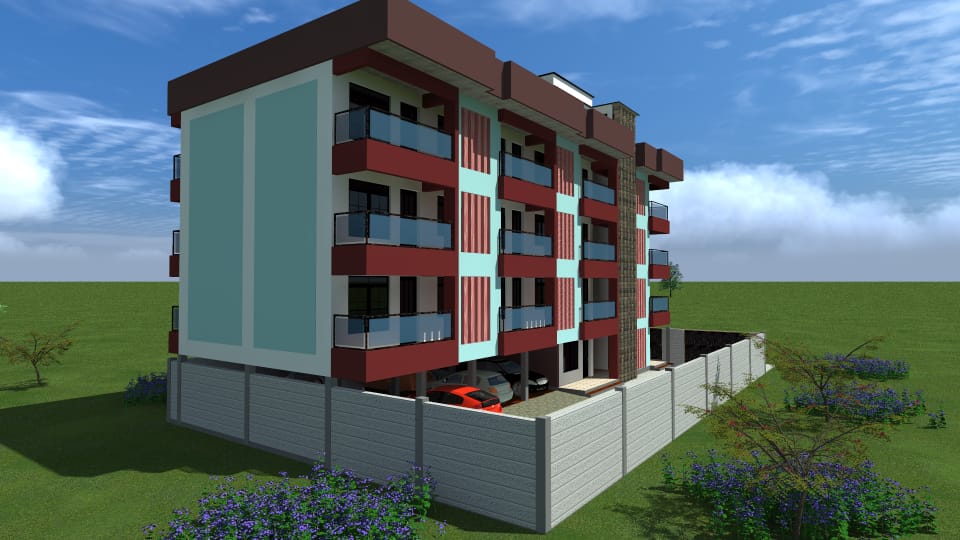
Eligibility Requirements for Apartment Construction Tenders
Meeting the apartment construction tender eligibility Kenya requirements is essential for contractors seeking to participate in public and private apartment construction projects. Procuring entities evaluate bidders based on their legal compliance, technical expertise, financial strength, and ability to successfully deliver multi-storey residential developments. Contractors that satisfy these requirements are more likely to progress through the technical evaluation stage and compete effectively for contract awards.
One of the primary requirements is holding the appropriate National Construction Authority (NCA) registration. An NCA registered apartment contractor Kenya must possess a valid registration certificate in the category specified in the tender documents. Higher-value and multi-storey apartment developments often require contractors with higher NCA classifications that reflect their capacity to undertake complex construction projects.
Relevant experience is another critical evaluation criterion. Procuring entities typically require bidders to demonstrate successful completion of similar apartment or residential construction projects within the past several years. Contractors should provide completion certificates, client references, recommendation letters, and project portfolios to verify their experience in delivering projects of comparable size and complexity.
Financial capability is equally important. Bidders are often required to submit audited financial statements, bank reference letters, and evidence of adequate working capital to demonstrate they can finance project activities before receiving interim payments. Strong financial standing assures clients that the contractor can complete the project without unnecessary delays.
A qualified apartment contractor Kenya should also have a competent technical team. Tender documents commonly require experienced professionals such as project managers, architects, engineers, quantity surveyors, site supervisors, and health and safety officers. Their academic qualifications, professional registrations, and experience should be supported with updated CVs and relevant certificates.
Health and safety compliance is another major consideration during evaluation. Contractors should have a documented occupational health and safety policy, risk management procedures, and evidence of compliance with workplace safety regulations. Many procuring entities also require proof of valid insurance covers, including contractor’s all-risk insurance, work injury insurance, public liability insurance, and professional indemnity insurance where applicable.
Finally, bidders may be required to disclose their litigation history and confirm they are not involved in disputes that could affect project delivery. A clean legal record, combined with strong technical capacity and financial stability, demonstrates reliability and increases the likelihood of winning apartment construction tenders in Kenya.
Construction Tender Procurement Process in Kenya
The apartment construction procurement Kenya process is designed to ensure transparency, fairness, accountability, and value for money when awarding construction contracts. Whether the project is funded by the national government, county governments, public institutions, or private organizations, procurement generally follows a structured process from tender advertisement to contract signing. Understanding each stage enables contractors to prepare compliant bids and improve their chances of securing a construction procurement tender Kenya or building works tender Kenya.
1. Tender Advertisement
The procurement process begins with the advertisement of the tender. Procuring entities publish tender notices on official procurement portals, their websites, county government websites, newspapers, and other approved communication channels. The advertisement provides essential information, including the project description, eligibility requirements, submission deadline, and instructions for obtaining tender documents.
2. Clarifications
After the tender documents are issued, bidders are given an opportunity to seek clarification on any unclear requirements. Questions are submitted within the period specified in the tender documents, and the procuring entity issues official responses to all prospective bidders to ensure equal access to information.
3. Pre-Bid Meetings and Site Visits
For complex apartment developments, the procuring entity may organize a pre-bid meeting or site visit. These sessions allow contractors to inspect the project site, understand existing conditions, identify potential risks, and obtain additional technical information that may influence pricing and project planning.
4. Tender Submission
Contractors prepare their technical and financial proposals according to the tender instructions and submit them before the specified closing date and time. Tender documents must be complete, properly signed, and accompanied by all mandatory statutory documents, bid securities, and supporting information. Late or incomplete submissions are typically rejected.
5. Tender Opening
Immediately after the submission deadline, the procuring entity conducts the official tender opening. Bid submissions are opened in accordance with the applicable procurement procedures, and key details such as bidder names and bid securities are recorded. This stage promotes transparency in the procurement process.
6. Technical Evaluation
The evaluation committee first determines whether each submission is responsive by verifying compliance with the mandatory requirements. Responsive bids are then assessed based on technical criteria such as company experience, NCA registration, financial capacity, availability of qualified personnel, construction equipment, methodology, and previous project performance.
7. Financial Evaluation
Only bidders who successfully pass the technical evaluation proceed to the financial evaluation stage. The committee reviews the submitted Bills of Quantities (BOQs), verifies arithmetic accuracy, assesses price competitiveness, and determines whether the bid offers value for money while meeting all tender requirements.
8. Notification of Award
Following the evaluation process, the successful bidder receives a formal notification of award. Unsuccessful bidders may also be notified in accordance with the applicable procurement procedures, and where appropriate, debriefing information may be provided.
9. Contract Signing
The final stage involves signing the construction contract after the successful bidder fulfills all post-award requirements, such as submitting the required performance security and any outstanding documentation. Once the agreement is executed, the contractor is issued with site possession and mobilizes resources to commence the apartment construction project.
Kenya’s public procurement framework, guided by the Public Procurement and Asset Disposal Act and overseen by the Public Procurement Regulatory Authority (PPRA), promotes competitive, transparent, and accountable procurement. Contractors who understand this process and comply with every requirement are better positioned to win apartment construction contracts and establish long-term relationships with public and private clients.
Government Apartment Construction Tenders in Kenya
Government-funded residential developments offer some of the most valuable opportunities for contractors in the construction industry. Government residential construction tenders may be advertised by national government ministries, county governments, state corporations and other public institutions seeking qualified contractors for projects such as residential apartments, staff housing, student accommodation and affordable housing. These projects are awarded through competitive procurement processes that emphasize transparency, compliance, and value for money.
The National Government regularly procures contractors for large-scale housing projects aimed at addressing the country’s growing demand for quality residential units. These opportunities may include apartment developments, mixed-use housing estates and urban regeneration projects. Contractors should check the specific tender for the required NCA registration, financial capacity, experience and other eligibility conditions. Contractors must meet the specified eligibility requirements, including the appropriate NCA registration, financial capacity, and relevant experience in multi-storey residential construction.
County governments also play a significant role in expanding housing infrastructure across Kenya. County residential construction tenders may involve affordable apartments, staff housing, rental units and urban redevelopment projects. The requirements and procurement procedures depend on the specific tender and procuring entity.
The Affordable Housing Programme continues to create numerous opportunities for contractors across the country. Through partnerships between the government and private sector, new apartment developments are being constructed to increase access to decent and affordable housing. These projects often require experienced contractors capable of delivering high-quality work within strict timelines while complying with national construction standards.
State corporations and public institutions also issue apartment construction tenders for staff accommodation and residential developments. Housing agencies, hospitals, research institutions, and other government-owned organizations regularly procure contractors to expand or improve their residential facilities.
Public universities frequently advertise tenders for student hostels, lecturers’ housing, and staff apartments to accommodate growing student populations and academic personnel. Similarly, security agencies such as the Kenya Defence Forces, National Police Service, Kenya Prisons Service, and other disciplined services periodically undertake residential housing projects for their officers.
Whether applying for a public apartment construction tender or a county-funded housing project, contractors should monitor official procurement portals and government procurement notices regularly. Early preparation, complete documentation, and strict compliance with procurement requirements can significantly improve the chances of securing government apartment construction contracts in Kenya.
Apartment Construction Tender Opportunities by Location
Apartment construction opportunities are available across Kenya as urban centres continue to expand and demand for quality housing increases. Both public and private sector developers regularly advertise tenders for new residential developments, affordable housing projects, and mixed-use apartment complexes. Monitoring opportunities in key cities allows contractors to identify projects that match their expertise and operational capacity.
Nairobi
Nairobi has a large construction and property-development market, with residential projects ranging from apartment developments to mixed-use schemes and affordable housing. Contractors may encounter opportunities from public entities, private developers and other organizations, depending on their eligibility and experience.
Kisumu
Kisumu has a growing residential construction market, with opportunities potentially arising from county projects, institutional developments and private apartment projects. Contractors targeting the region should monitor relevant procurement notices and maintain relationships with local developers and professional networks.
Mombasa
Residential construction projects in Mombasa may include apartments, gated communities, staff housing and other developments. Contractors can monitor county procurement notices and private-sector opportunities while considering the specific requirements and conditions of each project.
Nakuru
Nakuru’s expanding residential market includes apartment developments, student accommodation, affordable housing and other multi-storey projects. Contractors interested in the area should monitor relevant public procurement notices and private development opportunities.
Eldoret
Eldoret’s residential and commercial development creates opportunities for contractors working on apartments, institutional housing and other building projects. Contractors targeting the region should monitor relevant procurement notices and private development opportunities.
How to Prepare a Construction Tender Proposal
A well-prepared tender proposal should clearly demonstrate the contractor’s ability to meet the project’s technical, financial and contractual requirements. Depending on the tender’s evaluation criteria, the submission may be assessed on factors such as technical capability, relevant experience, methodology, financial capacity and price.
The tender documents should be used as the final checklist for determining which components must be included in the submission. Common components may include:
Executive Summary
Begin with a concise executive summary that introduces your company, highlights your experience in apartment construction, and outlines your understanding of the project objectives. Briefly explain why your company is the best choice by emphasizing your technical expertise, successful completion of similar projects, qualified personnel, and commitment to delivering quality work on time and within budget.
Technical Proposal
The technical proposal should clearly demonstrate how you intend to execute the project. Describe your construction methodology, quality assurance procedures, environmental management measures, and compliance with applicable building regulations and tender specifications. Include evidence of previous apartment developments that are similar in size and complexity to strengthen your proposal.
Method Statement
A detailed method statement explains how each phase of construction will be carried out. Outline activities such as site preparation, foundation works, structural construction, masonry, roofing, electrical and plumbing installations, finishes, testing, and final handover. A clear and logical methodology assures the client that the project will be executed efficiently and safely.
Work Programme
Prepare a realistic work programme showing the planned project timeline from mobilization to completion. Include major milestones, activity durations, resource allocation, and completion dates. A well-structured schedule demonstrates your ability to manage time effectively and complete the apartment project within the contractual period.
Equipment and Construction Resources
Provide a comprehensive schedule of the equipment and machinery available for the project. List items such as excavators, cranes, concrete mixers, dump trucks, scaffolding systems, vibrators, generators, and lifting equipment. Indicate whether the equipment is owned or leased and confirm that sufficient resources will be available throughout the construction period.
Key Personnel
Introduce the professionals who will manage the project, including the project manager, resident engineer, architect, quantity surveyor, site supervisor, safety officer, and other key staff. Attach updated CVs, professional registrations, and relevant qualifications to demonstrate that your team possesses the expertise required for successful project delivery.
Pricing and Tender Quotation
Your tender quotation should be accurate, transparent and consistent with the tender requirements. Ensure that every applicable cost component—including labour, materials, equipment, subcontractors, overheads and taxes—is properly considered. Avoid underpricing simply to appear competitive, as an unrealistic price can create financial and project-delivery risks.
Bills of Quantities (BOQ)
Complete the BOQ exactly as provided in the tender documents. Price every item carefully, verify all arithmetic calculations, and ensure consistency between the BOQ, tender forms, and financial proposal. Any omissions or mathematical errors may result in disqualification or reduce your evaluation score.
Risk Management
Identify potential project risks and explain how they will be managed. Address risks such as material price fluctuations, labour shortages, adverse weather conditions, supply chain disruptions, safety incidents, and project delays. Demonstrating proactive risk management assures the client that your company is prepared to minimize disruptions and deliver the project successfully.
Value Engineering
Conclude your proposal by highlighting value engineering solutions that improve project efficiency without compromising quality or safety. These may include alternative construction methods, sustainable building materials, optimized structural designs, energy-efficient systems, and cost-saving recommendations. Offering practical innovations can strengthen your proposal and Offering practical innovations can strengthen a submission where the tender allows alternative solutions or value-engineering proposals, while ensuring that any proposed changes remain compliant with the project requirements.
Common Reasons Apartment Construction Bids Fail
Bids can fail for reasons that have little to do with a contractor’s ability to build the project. Missing mandatory documents, incorrect forms, non-compliance with eligibility requirements and pricing errors can all affect whether a submission proceeds through evaluation. Understanding these common problems can help contractors prepare more carefully.
Missing Documents
One of the leading reasons bids are rejected is the omission of mandatory documents. Missing items such as the Certificate of Incorporation, CR12, KRA PIN, Tax Compliance Certificate, NCA registration, audited financial statements, or signed tender forms can result in automatic disqualification. Always use the tender document checklist to verify that every required attachment is included before submission.
Wrong NCA Category
Apartment construction tenders often specify the minimum National Construction Authority (NCA) registration category required for the project. Contractors applying with a lower or incorrect NCA classification are considered ineligible and their bids may be rejected during the preliminary evaluation stage.
Arithmetic Errors
Errors in the Bills of Quantities (BOQs), tender summaries, or financial schedules can affect the accuracy of the bid price. Incorrect calculations, inconsistent figures, or omissions may lead to evaluation penalties or render the financial proposal non-compliant. Carefully review all calculations before submission.
Late Submission
Tender deadlines are strictly enforced. Even a well-prepared proposal will be rejected if it is submitted after the specified closing date and time. Contractors should complete their documentation early and allow sufficient time for delivery to avoid last-minute delays.
Invalid Bid Security
Where a bid bond or tender security is required, it must comply with the specified amount, validity period, and issuing institution. An expired, incorrect, or missing bid security can lead to immediate disqualification.
Non-Responsive Bids
A bid is considered non-responsive if it fails to comply with the mandatory requirements outlined in the tender documents. Examples include unsigned forms, incomplete schedules, failure to provide mandatory declarations, or ignoring the prescribed submission format. Procuring entities typically eliminate non-responsive bids before technical evaluation.
Unrealistic Pricing
Submitting an excessively low or inflated bid price can reduce your chances of success. Extremely low prices may raise concerns about your ability to deliver the project, while overly high quotations may be considered uncompetitive. Prepare a realistic and well-supported financial proposal based on accurate cost estimates, current market rates, and a carefully priced BOQ to demonstrate both value for money and project viability.
Some common problems contractors should check for before submission include:
1. Missing Mandatory Documents
A tender may require specific forms, certificates, declarations, schedules or other supporting documents. Missing a mandatory requirement can affect whether the submission is considered responsive.
2. Incomplete or Incorrect Forms
Check that all required forms have been completed correctly and signed where required. Avoid leaving sections blank unless the tender instructions specifically allow it.
3. Pricing Errors
Check calculations, quantities, rates, totals, taxes and other applicable costs before submitting the financial proposal. A small error can affect the overall tender price or create difficulties during evaluation.
4. Pricing Without Reviewing the Drawings
The BOQ should be reviewed alongside the drawings and specifications where these are provided. Pricing from the BOQ alone can lead to assumptions or omissions if other tender information contains requirements that are not obvious from the quantities.
5. Ignoring Addenda or Clarifications
Procuring entities may issue clarifications or addenda before the tender closes. Contractors should check for updates and make sure their final submission reflects any applicable changes.
6. Using Outdated Company Documents
Check that company registrations, certificates and other supporting documents meet the requirements and validity periods stated in the tender.
7. Missing the Submission Deadline
A technically strong bid can still fail to achieve its intended purpose if it is submitted after the stated deadline. Allow sufficient time for final checks and submission.
Construction Contract Award Process
After bids have been submitted, procuring entities follow a structured process to award the contract to the most responsive and qualified bidder.Understanding the contract award process helps contractors know what may happen after submission and prepare for the next stage if their bid is successful.
Tender Opening
The process begins with the tender opening, which takes place after the submission deadline according to the applicable procurement procedure. During this stage, the procuring entity officially opens all bids received before the closing time. Basic information such as the bidder’s name, tender security (where applicable), and bid price may be recorded in accordance with the tender requirements. This process promotes transparency and accountability in procurement.
Evaluation
Following the tender opening, an evaluation committee reviews all submissions. The evaluation typically starts with a preliminary assessment to confirm that bidders have submitted all mandatory documents and complied with the tender instructions. Responsive bids then proceed to the technical evaluation, where factors such as experience, NCA registration, personnel, equipment, methodology, and financial capability are assessed. Contractors who meet the technical requirements advance to the financial evaluation, where bid prices and overall value for money are considered before determining the highest-ranked bidder.
Notification of Award
Once the evaluation is complete and the approval process has been finalized, the successful bidder receives the successful bidder receives a formal notification of award. The notification confirms that the contractor has been selected, subject to fulfilling any remaining post-award requirements. Unsuccessful bidders may also receive communication regarding the outcome of the tender in line with the applicable procurement procedures.
Contract Signing
After accepting the award, the successful contractor submits any outstanding documents, including the required performance security and insurance certificates where applicable. Both parties then sign the construction contract, making the agreement legally binding and establishing the obligations, timelines, payment terms, and project specifications.
Mobilization and Site Handover
The final stage involves mobilization and site handover. The contractor deploys personnel, equipment, and construction materials to the project site while the client provides official possession of the site. Following the handover, construction activities commence according to the approved work programme, marking the official start of the apartment construction project.
Conclusion
Successfully competing for apartment construction tenders requires more than submitting a price. Contractors need to understand the tender requirements, prepare accurate documentation, review the scope carefully and submit their bids according to the stated instructions.
Get Professional Tender Support Today
Don’t let incomplete documentation or avoidable mistakes cost you valuable construction opportunities. Partner with an experienced commercial apartment contractor Kenya and tender preparation team to strengthen your bid and improve your competitive advantage.
Contact us today to:
- Request professional apartment construction tender preparation support.
- Get expert assistance reviewing tender documents and procurement requirements.
- Prepare fully compliant technical and financial proposals.
- Improve your bid competitiveness with accurate pricing and professional documentation.
- Partner with experienced construction professionals for successful apartment construction projects across Kenya.
Take the next step today and position your business to win more apartment construction tenders with confidence, compliance, and professional expertise.