
Discover proven strategies on how to reduce construction costs without compromising quality. Learn smart planning, value engineering, procurement tips, and modern construction techniques to achieve affordable, durable, and efficient building projects.
Introduction: Why Construction Costs Keep Rising
How to Reduce Construction Costs Without Compromising Quality
Construction costs have been rising steadily due to several economic and industry-related factors. The price of essential materials such as cement and steel continues to fluctuate due to inflation, global supply chain disruptions, and increased demand in developing regions. At the same time, labour costs and transportation expenses have also increased, especially in rapidly growing urban areas where construction activity is high.
One of the most common mistakes made by developers and homeowners is confusing “low cost” with “low quality.” In an attempt to save money, many projects cut corners on materials, supervision, or design—only to end up with expensive repairs, delays, or structural issues later. True cost reduction is not about choosing the cheapest option, but about making informed decisions that balance efficiency and durability.
This is why smart cost control is far more effective than relying on cheap shortcuts. Proper planning, accurate budgeting, and strategic decision-making can significantly reduce waste and unnecessary expenses while maintaining high construction standards.
In Kenya and many other countries, most construction projects exceed their original budgets due to poor planning, design changes during construction, inaccurate cost estimates, and lack of professional supervision. These challenges are preventable with the right approach.
This article explores practical, proven strategies to reduce construction costs without affecting durability or safety. By applying these methods, you can achieve reduce construction costs, implement effective construction cost saving strategies, and achieve truly affordable quality construction without compromising long-term value.
Understanding Where Construction Money Goes
To effectively reduce construction costs, the first step is understanding exactly where the money goes in a typical building project. Most construction budgets are distributed across several key areas, with materials taking the largest share. On average, materials such as cement, steel, sand, stones, and finishes account for about 50–60% of the total project cost. This makes material selection and management one of the most critical factors in cost control.
Labour is the second major expense, usually consuming around 20–30% of the budget depending on the complexity of the project and level of skill required. Skilled labour tends to be more expensive but often reduces errors and rework, which can save money in the long run.
Other essential costs include design and approvals, which cover architectural drawings, structural plans, and county permits. Transport and logistics also contribute significantly, especially when materials are sourced from distant suppliers. Finally, finishing works such as tiles, painting, cabinetry, and fittings can take up a substantial portion of the budget depending on the desired quality level.
Beyond these visible expenses, there are hidden costs that often push projects over budget. These include rework due to poor workmanship, design changes during construction, wastage of materials, and poor site supervision. These hidden costs are often overlooked but can significantly increase total expenditure.
Understanding this cost structure is the foundation of any successful project. Without it, it becomes difficult to identify areas of waste or inefficiency. Once you clearly understand where your money is going, you can begin to apply targeted strategies to control spending, optimize resources, and ultimately reduce construction costs without compromising quality or safety.
Smart Planning and Design Optimization
Smart planning and design optimization is one of the most effective ways to reduce construction costs without compromising quality. Many project overruns begin long before construction starts—often due to poor planning, incomplete drawings, or lack of coordination among professionals. A well-structured plan ensures that resources are used efficiently and unnecessary expenses are avoided.
Importance of Proper Planning
Proper planning helps prevent costly redesigns and material wastage during construction. When a project is clearly mapped out from the beginning, contractors can follow a structured workflow without interruptions. This also reduces delays, which are often expensive due to extended labour and equipment usage. Good planning ensures that every phase of construction flows smoothly and logically.
Detailed Architectural & Structural Drawings
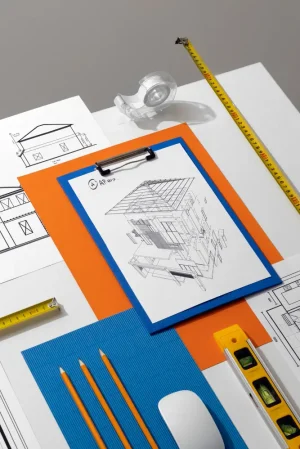
Having complete and detailed architectural and structural drawings before starting construction is essential. These drawings act as a roadmap for the entire project. Making changes during construction often leads to increased costs, material wastage, and structural inconsistencies. Finalizing all designs beforehand helps maintain control over the budget and ensures construction progresses without unnecessary interruptions.
Use of BOQ (Bill of Quantities)
A Bill of Quantities (BOQ) is a powerful budgeting tool that breaks down the entire project into measurable items. It provides accurate cost estimates for materials, labour, and other requirements. With a BOQ, it becomes easier to track spending and prevent overspending. It also allows developers to compare supplier prices and make informed purchasing decisions, improving overall cost efficiency.
Simplified Building Design
Complex building designs often lead to higher construction costs due to specialized labour, additional materials, and longer timelines. Simplifying the design—such as using standard room sizes, straight layouts, and minimal structural complications—can significantly reduce costs. Cost-effective building design focuses on functionality rather than unnecessary architectural complexity.
Early Stakeholder Involvement
Engaging the architect, structural engineer, and contractor early in the planning stage ensures better coordination and fewer mistakes during construction. Early collaboration helps align design expectations, budgeting, and construction methods, reducing conflicts and costly changes later.
Choosing the Right Building Materials Without Sacrificing Quality
Selecting the right building materials is one of the most important decisions in any construction project, as materials often account for the largest portion of the total budget. The goal is not to choose the cheapest options, but to identify cost-effective materials that maintain strength, durability, and long-term value.
Local vs Imported Materials
Locally available materials are often more affordable and practical compared to imported alternatives. Using locally sourced cement, stones, sand, and timber reduces transportation costs significantly and ensures faster delivery to the site. Imported materials may sometimes offer aesthetic appeal, but they often increase overall project costs due to shipping, taxes, and delays. In most cases, local materials provide sufficient quality when properly selected and tested.

Smart Material Substitution
One of the most effective ways to reduce costs is through smart material substitution. For example, stabilized soil blocks (SSB) can replace conventional bricks in certain structures while maintaining strength and reducing cost. Machine-cut stones offer uniformity, reducing plastering costs and construction time. Additionally, alternative roofing materials such as lightweight steel sheets or pre-painted roofing solutions can provide durability at a lower cost compared to traditional options.
Quality vs Price Balance
A common misconception in construction is that expensive materials automatically mean better quality. This is not always true. What matters most is certification, compliance with standards, and suitability for the intended use. Choosing certified materials ensures structural safety and durability while avoiding unnecessary overspending on branding or imported luxury finishes that may not add functional value.
Bulk Buying Strategy
Purchasing materials in bulk can significantly reduce overall construction expenses. Suppliers often provide discounts for large orders, and bulk buying also reduces repeated transport trips, which lowers logistics costs. Proper planning and storage ensure materials are available when needed, preventing delays and price fluctuations.
By applying these strategies, developers can effectively access cheap building materials in Kenya, choose affordable construction materials, and successfully reduce material cost construction while maintaining high-quality building standards.
Value Engineering: The Core Cost-Saving Strategy
Value engineering is one of the most powerful approaches used in modern construction to reduce costs while maintaining or even improving quality. It focuses on analyzing every component of a building project to ensure that each element delivers maximum function at the lowest possible cost without compromising safety, durability, or performance.
What is Value Engineering?
Value engineering is the systematic process of improving the function of a building or structure while reducing unnecessary expenses. Instead of simply cutting costs, it looks for smarter, more efficient alternatives that achieve the same or better results. This makes it a strategic approach rather than a cost-cutting shortcut.
Practical Examples
In real construction projects, value engineering can be applied in several practical ways. For instance, replacing expensive granite finishes with high-quality quartz alternatives can significantly reduce finishing costs while maintaining a modern appearance. Another example is using precast concrete slabs instead of full in-situ concrete casting, which reduces labour time, material wastage, and construction duration. Additionally, simplifying structural designs—such as reducing unnecessary beams or complex architectural curves—can lower both material and labour costs while maintaining structural integrity.
Benefits
The benefits of value engineering are substantial. It leads to lower overall construction costs, improved efficiency, and faster project completion. In many cases, it also enhances performance by eliminating unnecessary complexity in design and construction processes. This approach ensures that resources are used wisely and effectively.
Role of Professionals
Value engineering cannot be effectively implemented without the involvement of qualified professionals. Engineers play a key role in optimizing structural efficiency and ensuring safety standards are met, while architects focus on balancing aesthetics with practicality and cost efficiency. Their collaboration ensures that the final design is both functional and affordable.
By applying value engineering construction principles, developers can adopt effective reduce construction cost techniques and implement innovative smart building solutions that deliver long-term value without sacrificing quality.
Hiring the Right Contractors and Skilled Workforce
Hiring the right contractors and skilled workforce plays a critical role in controlling construction costs without compromising quality. Even with the best designs and materials, poor execution can lead to costly mistakes, delays, and structural problems that increase the total project budget.
Importance of Experienced Contractors
Experienced contractors bring technical knowledge, efficient project management, and practical problem-solving skills to the site. They are less likely to make costly mistakes and are better at coordinating different phases of construction. This reduces the need for rework, which is one of the major hidden costs in building projects. A competent contractor ensures that work is done right the first time, saving both time and money.
Avoiding Cheap but Unskilled Labor
While it may be tempting to hire the cheapest available labour, unskilled workers often lead to poor workmanship. This can result in structural defects, material wastage, and frequent repairs. In the long run, these issues increase construction costs significantly. Investing in skilled labour ensures durability, accuracy, and better overall project outcomes.
Supervision and Site Management
Proper supervision is essential for maintaining quality and controlling costs. Daily site supervision helps ensure that work is carried out according to the approved plans and standards. Regular reporting and accountability systems also help track progress, identify issues early, and prevent unnecessary wastage or delays.
Contract Transparency
Clear and transparent contracts are vital in preventing misunderstandings and hidden costs. Payment should be structured in well-defined milestones based on completed work stages. This ensures accountability and motivates contractors to maintain quality and efficiency throughout the project.
By choosing the right team, developers can effectively implement construction planning tips, avoid unnecessary risks in reduce building cost planning, and achieve better outcomes through cost-effective building design execution.
Smart Procurement and Supply Chain Management
Smart procurement and efficient supply chain management are essential strategies for reducing construction costs without compromising quality. Poor purchasing decisions and inefficient material handling are among the biggest causes of budget overruns in construction projects.
Competitive Supplier Comparison
One of the most effective procurement strategies is always comparing multiple suppliers before making any purchase. Prices for the same materials can vary significantly between suppliers depending on location, stock availability, and market demand. By obtaining several quotations, developers can identify the most cost-effective option without sacrificing quality standards.
Direct Purchasing from Manufacturers
Buying directly from manufacturers helps eliminate middlemen costs, which often inflate material prices. Direct sourcing ensures better pricing transparency and sometimes allows for customization or bulk discounts. This approach is especially useful for high-volume materials such as cement, steel, and roofing sheets.
Just-in-Time Delivery System
A just-in-time delivery system ensures that materials arrive exactly when needed on site. This reduces the need for large storage spaces, minimizes the risk of material damage, and prevents theft or deterioration. It also improves cash flow by avoiding unnecessary early purchases.
Bulk Procurement Strategy
Purchasing materials in bulk can lead to significant cost savings due to volume discounts offered by suppliers. Bulk procurement also reduces transportation costs since fewer delivery trips are required. However, it must be carefully planned to ensure proper storage and avoid material wastage.
Long-Term Supplier Relationships
Building strong, long-term relationships with trusted suppliers can lead to better pricing, priority service, and consistent material quality. Reliable suppliers are also more likely to offer flexible payment terms and timely deliveries, which contribute to smoother project execution.
Effective procurement is a key part of any successful construction procurement strategy. When properly managed, it helps significantly reduce building material cost in Kenya and improves overall cost saving in construction supply chain processes, ensuring better financial control and project efficiency.
Use of Modern Construction Technology
Modern construction technology is transforming the building industry by making projects faster, more accurate, and more cost-efficient. When properly applied, these tools significantly help in reducing waste, improving coordination, and ultimately lowering overall construction costs without compromising quality.
Building Information Modeling (BIM)
Building Information Modeling (BIM) is a digital representation of a construction project that allows architects, engineers, and contractors to collaborate on a single platform. One of its biggest advantages is the ability to detect design clashes early before construction begins. For example, BIM can identify conflicts between electrical, plumbing, and structural systems, preventing costly rework on site. This early detection saves both time and money while improving project accuracy.
Prefabrication and Modular Construction
Prefabrication involves manufacturing building components off-site and assembling them on-site. This method significantly reduces construction time and labour costs while improving quality control. Modular construction takes this further by producing entire sections of a building in controlled environments. Since most work is done off-site, weather delays are minimized, and material wastage is reduced, making it a highly efficient construction method.
Construction Management Software
Construction management software allows real-time tracking of budgets, schedules, and project progress. It improves communication among stakeholders and ensures that any issues are identified and resolved quickly. With better financial tracking, developers can avoid overspending and maintain tighter control over project costs.
Energy Efficiency at Site
Efficient use of energy on-site also contributes to cost reduction. Proper planning of equipment usage, reducing idle machinery time, and using energy-efficient tools help lower fuel and electricity expenses throughout the construction process.
By adopting construction technology tools such as BIM and modular systems, developers can implement effective reduce construction cost techniques and embrace smart building solutions that improve both efficiency and quality outcomes.
Effective Project Management and Cost Control
Effective project management is one of the most important factors in controlling construction costs and ensuring that a project is completed on time, within budget, and to the required quality standards. Even with good designs, materials, and contractors, poor management can quickly lead to cost overruns.
Strict Timeline Management
Maintaining a strict construction timeline is essential to avoid unnecessary delays, which often increase labour costs, equipment rental fees, and overall project expenses. Every phase of construction should have a clear schedule, and any delays should be addressed immediately to prevent a ripple effect on subsequent activities.
Monitoring and Reporting Systems
Regular monitoring ensures that the project is progressing according to plan. Daily site reports help track completed work, material usage, and workforce performance. Budget tracking tools are equally important, as they allow project managers to compare actual spending against planned costs. This helps identify financial issues early and take corrective action before costs escalate.
Controlling Change Orders
One of the biggest causes of budget overruns is frequent design changes during construction. Change orders often lead to rework, material wastage, and delays. It is therefore important to finalize designs before construction begins and strictly control any mid-project changes unless absolutely necessary.
Risk Management
Construction projects are exposed to various risks, including weather disruptions, supply chain delays, and inflation-related price increases. Effective risk management involves planning for these uncertainties in advance by setting contingency budgets, sourcing reliable suppliers, and scheduling critical activities during favorable conditions.
Strong project management ensures better coordination, reduced waste, and improved efficiency. By applying disciplined control systems, developers can successfully implement construction planning tips, strengthen reduce building cost planning, and achieve better outcomes through structured cost-effective building design execution.
Common Mistakes That Increase Construction Costs
Many construction projects become expensive not because of high material prices alone, but due to avoidable mistakes made during planning and execution. Understanding these common errors is essential if you want to successfully reduce construction costs without compromising quality.
One of the biggest mistakes is starting a project without a proper plan. Without clear drawings, timelines, and budgeting, decisions are made on-site, which often leads to waste and delays. Closely related to this is ignoring the Bill of Quantities (BOQ), which results in inaccurate budgeting and uncontrolled spending.
Hiring unqualified contractors is another major issue. While they may appear cheaper at the beginning, poor workmanship often leads to rework, structural problems, and higher long-term costs. Poor supervision further worsens the situation because mistakes go unnoticed until they become expensive to correct.
Another common trap is choosing very cheap materials without considering quality standards. This often results in frequent repairs or early replacement, increasing the overall project cost instead of reducing it.
Frequent design changes during construction also significantly increase expenses. Each change affects materials, labour, and timelines, making the project more expensive and less efficient.
Avoiding these mistakes is crucial for any successful project. Proper planning, professional supervision, and disciplined decision-making are key construction cost saving strategies that ensure affordable quality construction and long-term structural value.
Case Insight: Cost Reduction in Real Construction Projects
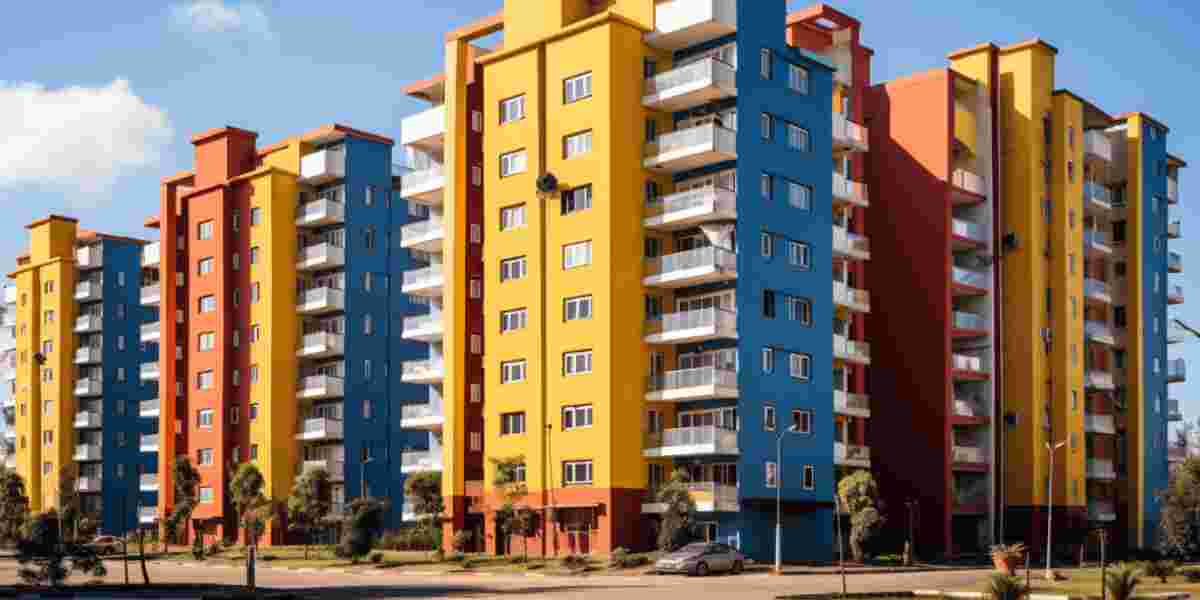
A practical example of cost reduction can be seen in a mid-sized residential apartment project where the developer initially faced a tight budget and rising material prices. Instead of cutting corners, the project team focused on strategic planning, value engineering, and improved procurement methods.
Through detailed design planning and early collaboration between the architect, engineer, and contractor, unnecessary structural complexities were removed. At the same time, value engineering was applied by replacing overly expensive finishes with equally durable but more affordable alternatives. On the procurement side, the team compared multiple suppliers, purchased key materials directly from manufacturers, and used bulk purchasing to secure discounts.
These combined strategies resulted in a 15–25% reduction in total construction costs without affecting the building’s strength, safety, or aesthetics. Importantly, there were fewer delays and almost no rework, which further contributed to savings.
The key lesson from this project is clear: meaningful savings in construction do not come from reducing quality, but from applying smart systems, coordination, and efficiency. True cost reduction is achieved through strategy, not shortcuts.
Conclusion: Building Smart, Not Cheap
Reducing construction costs without compromising quality is not achieved through shortcuts, but through well-informed and strategic decision-making. Throughout this article, we have explored the key areas that directly influence project costs and how they can be optimized for better results.
Effective planning ensures that projects start with a clear roadmap, reducing errors and delays. Careful selection of materials helps balance affordability with durability, ensuring long-term value. Value engineering plays a central role in improving efficiency by identifying smarter alternatives that deliver the same or better performance at a lower cost.
On the procurement side, strong supplier relationships and bulk purchasing strategies help control expenses and improve material availability. The use of modern construction technology such as BIM and project management software enhances accuracy, reduces waste, and improves coordination. Finally, proper project management ensures timelines, budgets, and quality standards are consistently maintained.
The key message is simple: quality and affordability can coexist when the right strategies are applied. Construction success is not about spending less blindly, but about spending wisely and efficiently.
Ultimately, smart construction is about making the right decisions at every stage of the project—not relying on shortcuts that compromise safety or durability. By applying these principles, developers, homeowners, and investors can successfully achieve cost-effective, high-quality, and sustainable building outcomes.