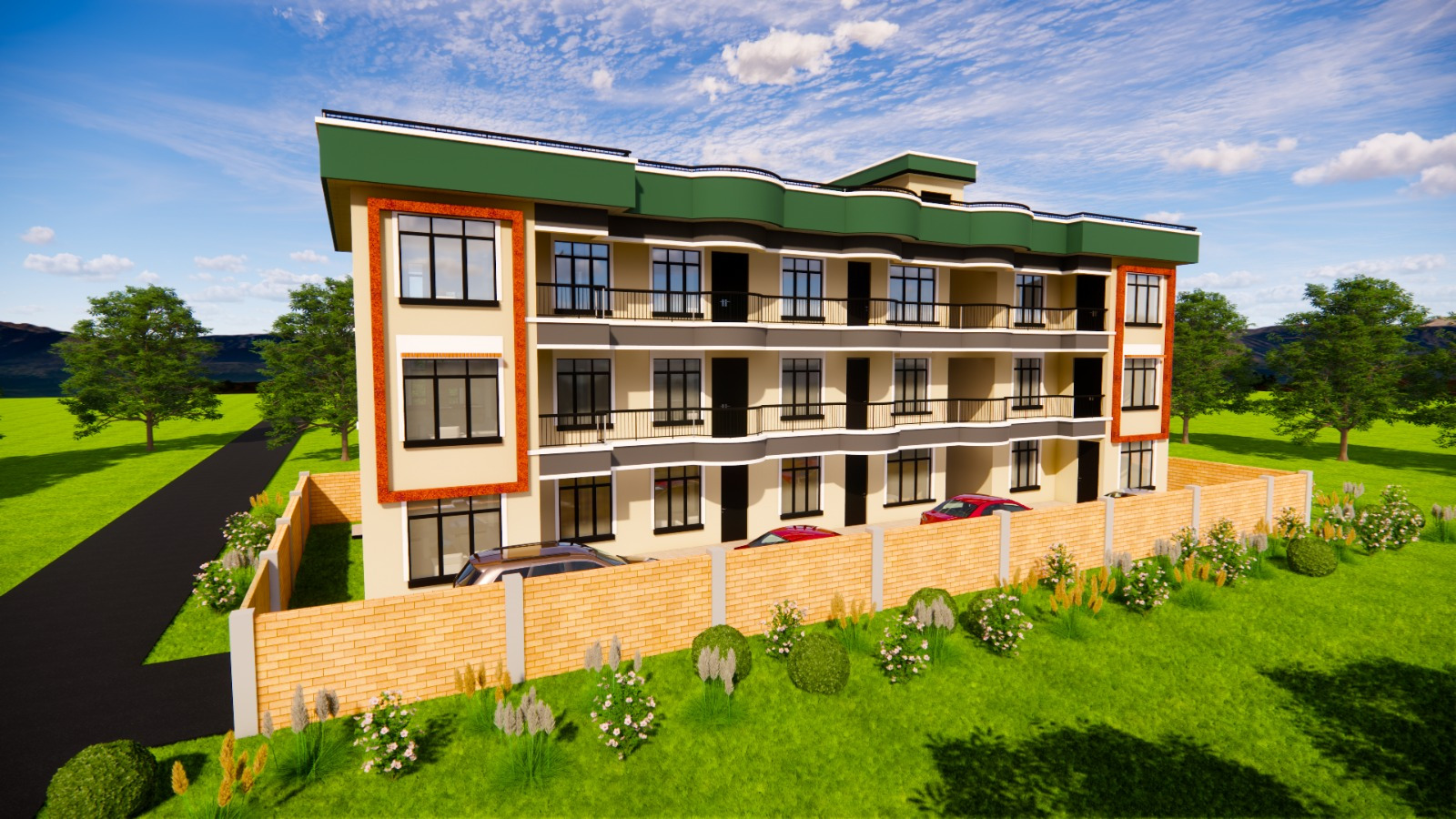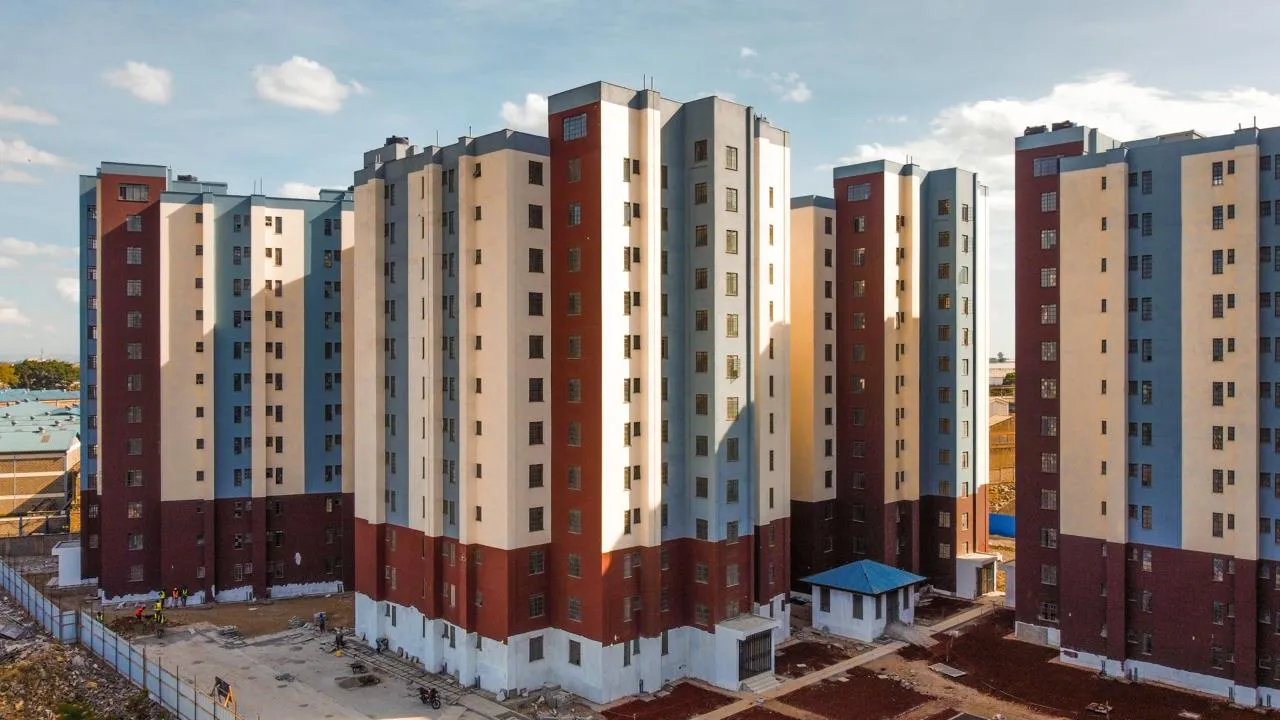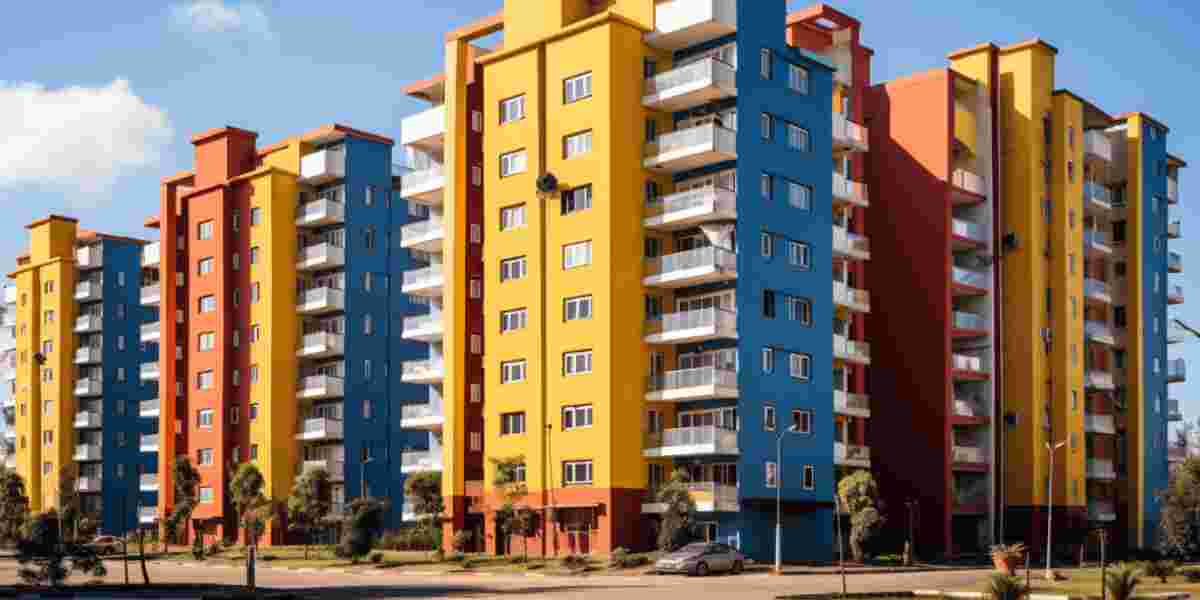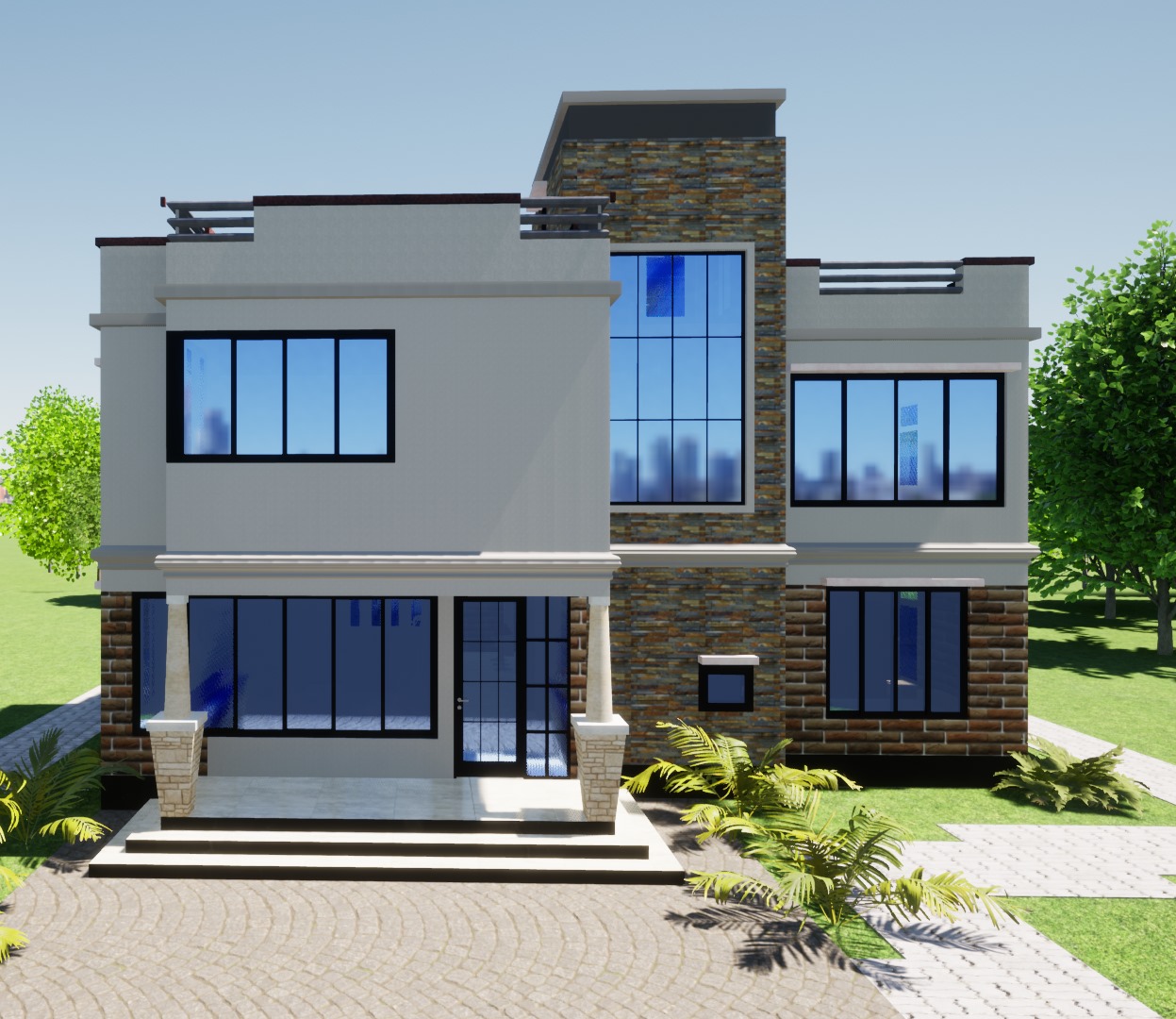
Looking for the best apartment construction company Kenya? Get expert apartment design, BOQs, approvals, project management, and turnkey construction.
Introduction
The demand for apartment developments in Kenya has grown significantly as urban populations continue to expand and the need for quality housing increases. Investors, property developers, businesses, and individuals are increasingly choosing apartment projects to generate steady rental income, maximize land use, and meet the housing needs of Kenya’s rapidly growing towns and cities. As a result, finding a reliable apartment construction company Kenya has become one of the most important decisions for anyone planning a residential or commercial apartment project.
The rising demand for rental apartments in cities such as Nairobi, Kisumu, Mombasa, Nakuru, and Eldoret has created excellent investment opportunities. Whether you are planning a bedsitter block, one-bedroom apartments, luxury apartments, student hostels, or a multi-storey residential development, working with a professional apartment construction company Kenya ensures your project is completed to the highest standards while complying with all building regulations.
Choosing experienced apartment builders Kenya goes beyond hiring a contractor to construct a building. A qualified team provides expert guidance throughout the project, helping you optimize your design, control construction costs, maintain quality workmanship, and complete the project on schedule. Experienced contractors also minimize costly mistakes, ensure structural integrity, and coordinate every phase of construction efficiently.
At West Kenya Real Estate Ltd, we provide complete design-to-construction solutions under one roof. Our comprehensive services include architectural design, structural engineering, quantity surveying and BOQ preparation, county approval drawings, project management, and turnkey construction. From the initial concept and planning stages to the final handover, our experienced team delivers coordinated construction documentation that are functional, durable, cost-effective, and tailored to your investment goals anywhere in Kenya.
Why Choose Our Apartment Construction Company in Kenya?
Selecting the right contractor is one of the most important decisions when developing an apartment project. The success of your investment depends on the expertise, reliability, and professionalism of the team you hire. As one of the best apartment construction company Kenya clients trust, West Kenya Real Estate Ltd delivers comprehensive solutions that ensure every project is completed to the highest standards of quality, safety, and efficiency.
Our team consists of experienced engineers, registered architects, quantity surveyors, and project managers who work together to transform your vision into a durable and profitable apartment development. As trusted apartment construction experts Kenya, we carefully plan every stage of the project, from feasibility studies and architectural design to structural engineering, construction, and final handover.
We are also recognized as leading apartment construction specialists Kenya because we use modern construction methods and industry best practices to deliver efficient, cost-effective, and long-lasting buildings. Every project is executed using quality materials, advanced equipment, and proven construction techniques that enhance structural integrity, reduce delays, and maximize value for your investment.
Our licensed contractors strictly adhere to the National Construction Authority (NCA) regulations, county building codes, and all applicable safety standards. Throughout construction, we implement comprehensive safety measures to protect workers, visitors, and your investment while maintaining an organized and productive work environment.
Transparency is another reason clients choose our apartment construction services Kenya. We provide detailed quotations, accurate Bills of Quantities (BOQs), realistic project timelines, and regular progress updates, ensuring there are no hidden costs or unexpected surprises during construction. Our commitment to timely delivery allows investors to complete projects on schedule and begin generating rental income sooner.
Whether you are constructing a rental apartment, mixed-use development, student hostel, or multi-storey residential complex, our experienced team is equipped to manage projects of every size across Kenya. With successful projects delivered nationwide, we combine technical expertise, professional project management, quality workmanship, and exceptional customer service to deliver apartment developments that exceed expectations and stand the test of time.
Complete Apartment Construction Services in Kenya
At West Kenya Real Estate Ltd, we provide complete apartment construction services Kenya for developers, investors, institutions, and individuals looking to build high-quality apartment developments. As a trusted apartment design and build company Kenya, we manage every stage of your project under one roof, eliminating the need to coordinate multiple consultants and contractors. Our integrated approach saves time, reduces costs, and ensures your apartment project is completed efficiently while meeting all regulatory and quality standards.
Architectural Design
Every successful apartment project begins with a well-thought-out architectural design. Our registered architects create functional and attractive designs that maximize available space, improve tenant comfort, and increase the property’s long-term value. We undertake comprehensive site planning to ensure the building suits your land and complies with local planning regulations. Our services include designing efficient apartment layouts, detailed floor plans, modern elevations, and customized building concepts that reflect your investment goals while enhancing market appeal.
Structural Engineering
A safe and durable apartment building requires expert structural engineering. Our experienced engineers carry out detailed structural calculations to determine the strength and stability of every structural component. We prepare reinforcement drawings that guide proper steel placement during construction and develop foundation designs based on site conditions and soil characteristics. Every structural design complies with Kenyan building codes to ensure your apartment remains strong, safe, and durable for decades.
BOQ Preparation
Proper budgeting is essential for a successful construction project. Our quantity surveyors prepare comprehensive Bills of Quantities (BOQs) that provide accurate cost estimates before construction begins. The BOQ includes detailed material schedules, labour estimates, and itemized quantities, enabling investors to budget effectively, compare quotations, control costs, and minimize unexpected expenses throughout the project.
County Approvals
Navigating statutory approvals can be challenging without professional guidance. We prepare all the required documentation for county approvals and provide guidance on NEMA requirements where applicable. Our team ensures your project complies with county regulations, zoning requirements, and all relevant building standards, helping you avoid costly delays and ensuring construction begins legally and smoothly.
Construction
Our apartment construction services Kenya cover every phase of construction, from site preparation and foundation works to the superstructure, roofing, and final finishes. We use high-quality materials, skilled craftsmen, and modern construction techniques to deliver apartment buildings that are structurally sound, aesthetically appealing, and built to last. Throughout construction, we maintain strict quality control and safety standards to achieve excellent workmanship.
Project Management
Effective apartment construction project management Kenya is key to delivering successful developments on time and within budget. Our dedicated project managers oversee every stage of construction, coordinating contractors, consultants, suppliers, and site activities. We focus on budget control, continuous quality assurance, timeline management, and regular progress reporting to ensure your apartment project is completed efficiently while meeting your expectations for quality, cost, and timely delivery.
Apartment Design and Build Services Kenya
Choosing a company that offers apartment design and construction Kenya services provides a more efficient and cost-effective way to complete your development. Instead of hiring separate architects, engineers, quantity surveyors, and contractors, you work with one experienced team that manages the entire project from concept to completion. At West Kenya Real Estate Ltd, we offer integrated apartment architectural design and construction Kenya solutions that simplify the building process while ensuring exceptional quality at every stage.
As experienced apartment design build contractors Kenya, we provide a true one-stop solution for apartment developments of all sizes. Our services include feasibility studies, site planning, architectural drawings, structural engineering, Bills of Quantities (BOQs), county approval documentation, construction, project supervision, and final handover. Having every service under one roof improves communication, enhances accountability, and ensures that every phase of the project aligns with your investment objectives.
One of the biggest advantages of our design and build approach is faster project completion. Since our architects, engineers, and construction teams collaborate from the beginning, potential design conflicts are identified and resolved before construction starts. This streamlined workflow reduces unnecessary revisions, minimizes interruptions on site, and keeps the project progressing according to schedule.
How Design Decisions Can Affect Apartment Construction Cost
Construction cost is influenced by decisions made during the design stage, not only by the prices of materials and labour. A well-coordinated apartment design can help reduce unnecessary complexity, improve the use of available space, and make construction more efficient while still meeting the project’s functional and regulatory requirements.
Some design considerations that can influence construction cost include:
- Efficient building footprint: A practical building footprint can make better use of the available site while reducing unnecessary external wall areas and circulation spaces.
- Reducing unnecessary corridors: Excessive circulation space can increase the total floor area that must be constructed without directly increasing the number or size of rentable units. Efficient layouts can improve the balance between shared spaces and usable apartment areas.
- Practical unit layouts: Well-planned apartment layouts can reduce awkward spaces and unnecessary structural or finishing work while providing functional living areas for the intended tenants.
- Repeating room dimensions where appropriate: Where the design allows, using consistent room dimensions and repeating suitable layouts can simplify setting out, material ordering, and construction.
- Efficient structural planning: A coordinated structural system can help avoid unnecessary structural complexity and ensure that columns, beams, slabs, foundations, and other elements work effectively with the architectural layout.
- Practical plumbing layouts: Grouping wet areas such as kitchens and bathrooms where appropriate can simplify service routes and reduce unnecessary pipe runs and installation complexity.
- Selecting finishes according to the target market: Finishes should reflect the type of development and its intended tenants. Premium finishes may be appropriate for a high-end development, while a rental project aimed at a cost-conscious market may require more practical and durable specifications.
- Efficient material use: Design decisions can influence the quantities of concrete, reinforcement, masonry, finishes, doors, windows, and other materials required. Early coordination can help identify opportunities to use materials efficiently without compromising performance.
- Avoiding unnecessary structural complexity: Unusual building shapes, excessive projections, complicated roof forms, and other design features can increase construction complexity. Where these features do not provide sufficient value to the development, a simpler solution may be more practical.
These considerations do not mean that the cheapest design is always the best design. The objective is to develop an apartment that balances construction cost, functionality, durability, appearance, tenant needs, maintenance requirements, and the site’s planning constraints.
For this reason, involving the design and construction teams early can help identify potential cost and coordination issues before they become more difficult or expensive to change during construction.
Types of Apartment Projects We Construct
As experienced apartment project contractors Kenya, West Kenya Real Estate Ltd delivers a wide range of apartment developments tailored to different investment goals, budgets, and market demands. Whether you are building your first rental property or undertaking a large-scale commercial development, our team has the expertise to design, manage, and construct projects that maximize returns while maintaining the highest standards of quality and compliance.
We construct bedsitter apartments, which remain one of the most popular investment options in Kenya due to their affordability and high occupancy rates, particularly in urban centres and areas near universities and business districts. We also build studio apartments that offer compact, modern living spaces ideal for young professionals and short-term rentals.
For investors targeting families and working professionals, we design and construct one-bedroom and two-bedroom apartments with functional layouts, quality finishes, and efficient use of space. These apartment types continue to enjoy strong demand across major towns and cities, making them attractive long-term investments.
As a trusted apartment construction company for rental apartments Kenya, we help property investors develop profitable residential projects that generate consistent rental income. Our team carefully plans every development to enhance tenant comfort, maximize occupancy rates, and improve the long-term value of the property.
We also specialize in luxury apartments featuring premium finishes, spacious layouts, modern amenities, and contemporary architectural designs for high-end residential developments. In addition, we construct student hostels with practical room configurations, shared facilities, and durable finishes that suit educational institutions and private investors.
For commercial investors, we are a reliable apartment construction company for commercial apartments Kenya, delivering mixed-use developments that combine residential units with retail shops, office spaces, restaurants, and other commercial facilities. These projects maximize land utilization while creating multiple income streams from a single development.
Our expertise also extends to multi-storey apartment buildings, designed to accommodate higher-density developments on limited land while meeting structural, safety, and regulatory requirements. As trusted apartment developers Kenya, we provide complete design, engineering, approvals, construction, and project management services, ensuring every apartment project is completed efficiently, within budget, and to the highest professional standards.
How Do You Choose the Right Apartment Unit Mix?
Choosing between bedsitters, one-bedroom, and two-bedroom apartments should not be based only on the number of units that can fit on a plot. The most suitable unit mix depends on the location, target tenants, expected rental income, construction budget, available floor area, and the requirements of the proposed development.
For example, a bedsitter development may allow an investor to create more units within a given floor area, but a higher unit count does not automatically mean higher returns. The additional units may also increase requirements for parking, water storage, waste management, circulation spaces, and other shared facilities. Similarly, larger one-bedroom or two-bedroom apartments may require more floor area per unit but could be more appropriate in locations where families or working professionals are the main target market.
When evaluating the appropriate apartment unit mix, we consider factors such as:
- Target tenants: The intended tenants influence whether bedsitters, one-bedroom, two-bedroom, or a combination of unit types is appropriate.
- Local rental demand: The unit mix should reflect the types of apartments that are actually in demand within the surrounding area.
- Achievable rental rates: Expected rent for each unit type should be considered alongside the construction cost and overall development budget.
- Construction cost: Different unit layouts and specifications can affect the total floor area, materials, services, and finishing costs.
- Available floor area: The size and shape of the site, together with planning and design requirements, influence how many units can practically be accommodated.
- Parking requirements: Increasing the number of units may also affect parking requirements and the amount of land available for other site facilities.
- Amenities and shared facilities: Water storage, circulation areas, waste management, security, laundry areas, recreational spaces, and other facilities may affect the practical unit mix.
- Expected occupancy: Investors should consider whether the proposed unit types are likely to attract and retain tenants in the specific location.
- Management requirements: A development with a larger number of smaller units may have different maintenance, tenant-management, and service requirements from one with fewer larger apartments.
- Location: Proximity to universities, employment centres, transport routes, commercial areas, and other amenities can influence the types of apartments that are most suitable.
For this reason, we recommend assessing the proposed unit mix as part of the early feasibility and design process rather than selecting apartment types based solely on the maximum number of units that can fit on the site. A well-planned development should balance the available space, construction budget, planning requirements, target market, and expected rental performance.
Common Apartment Construction Mistakes to Avoid
Planning an apartment development involves many decisions that can affect the project’s cost, functionality, construction timeline, and long-term performance. Investors can reduce avoidable problems by addressing important design, budgeting, site, and contractor decisions before construction begins.
Choosing the Apartment Type Before Studying the Market
One common mistake is deciding to build a particular type of apartment without first considering the local rental market. For example, bedsitter apartments may work well in some locations, while one-bedroom or two-bedroom units may be more suitable in areas where families or working professionals are the main target tenants.
The appropriate unit mix should be considered alongside factors such as local rental demand, target tenants, location, available land, parking requirements, construction budget, achievable rental rates, and the type of development permitted on the site. A higher number of units does not automatically make a project a better investment.
Designing Before Understanding the Site
Starting the design without properly assessing the site can create problems later in the project. Factors such as plot dimensions, topography, soil conditions, drainage, road access, neighbouring buildings, utilities, and site constraints can influence the building layout, foundation requirements, parking, external works, and construction logistics.
A site assessment should therefore be carried out before the design is finalized so that the proposed development responds to the actual conditions of the property.
Choosing a Contractor Based Only on the Lowest Quotation
The cheapest quotation is not necessarily the lowest-cost construction option in the long term. Quotations can differ because contractors may use different specifications, quantities, materials, exclusions, provisional items, or scopes of work.
When comparing apartment contractors, investors should look beyond the final price and review what is actually included. This may involve comparing the BOQ, material specifications, construction scope, exclusions, payment terms, project supervision, programme, and how variations will be handled.
Making Major Design Changes During Construction
Changing the layout, finishes, structural elements, or building services after construction has started can result in additional work, material wastage, delays, and increased costs.
Important design decisions should therefore be reviewed and coordinated before construction begins. Where changes are necessary during construction, their cost, effect on the programme, and technical implications should be assessed before the work proceeds.
Forgetting External Works
Investors sometimes concentrate on the apartment building itself and underestimate the cost of completing the surrounding site. Depending on the project, external works may include parking, access roads, walkways, drainage, boundary walls, gates, landscaping, water infrastructure, waste management areas, and other site works.
These requirements should be considered during design and budgeting so that the project budget reflects the development as a whole rather than only the main building.
Underestimating Approvals and Professional Requirements
Apartment developments may involve various professional services and statutory requirements depending on the project’s location, scale, design, and applicable regulations. Failing to account for these requirements during early planning can affect both the budget and project timeline.
Investors should establish the professional services, approvals, documentation, and other statutory requirements applicable to their specific development before construction begins.
Starting Construction Before the Design and Documentation Are Sufficiently Coordinated
Starting construction while important design information is still changing can create uncertainty on site. Architectural, structural, electrical, plumbing, and other relevant requirements need to be coordinated sufficiently for the construction stage.
Where drawings or specifications conflict or important information is missing, contractors may have to stop work, seek clarification, or make changes that could affect cost and programme.
Failing to Establish How Variations Will Be Handled
Changes can occur during an apartment construction project for legitimate reasons, including changes requested by the client, unforeseen site conditions, design adjustments, or changes in specifications.
Before construction starts, the client and contractor should establish how variations will be identified, priced, approved, and documented. Having a clear variation procedure helps both parties understand the financial and programme implications of changes before additional work is undertaken.
Planning the Budget Without a Contingency
Even with careful planning, some construction projects encounter unforeseen conditions or changes that affect the original budget. Investors should therefore discuss an appropriate contingency allowance with their professional team rather than assuming the initial construction estimate will never change.
A realistic budget should consider the construction works as well as relevant professional, statutory, external, financing, and project-specific costs.
Apartment Construction Process in Kenya
A successful apartment development requires careful planning, professional coordination, and strict adherence to construction standards. At West Kenya Real Estate Ltd, we follow a proven process that delivers approved design documentation Kenya while ensuring quality, efficiency, and regulatory compliance. Our comprehensive apartment planning and construction Kenya approach minimizes risks, controls costs, and keeps projects on schedule from concept to completion.
1. Consultation
Every project begins with a detailed consultation to understand your investment goals, budget, preferred apartment type, and project timeline. During this stage, we discuss your requirements, answer your questions, and recommend the most suitable apartment construction solutions Kenya for your development.
2. Site Visit
What We Check During an Apartment Site Visit
During an initial site visit, our team looks beyond the size of the plot. We assess vehicle access for delivery of construction materials, the existing ground levels, drainage patterns, neighbouring structures, available utility connections, road access, site boundaries, and any physical constraints that could affect the proposed apartment development.
These observations help inform the early design and construction planning. For example, restricted access may affect how materials are delivered and stored on site, while changes in ground levels may influence site drainage, external works, and the eventual building layout. Identifying these issues early can help reduce design changes and unexpected construction challenges later in the project.
How Site Access Affects Construction Logistics
Site access is particularly important for apartment construction because materials such as cement, reinforcement steel, sand, ballast, blocks and finishing products must be delivered to the site throughout the project. A restricted access road or congested urban location can affect delivery times, storage arrangements, equipment movement and labour productivity. These factors should therefore be considered during early project planning rather than after construction has started.
3. Feasibility Study
We conduct a feasibility study to determine whether the proposed apartment project is financially and technically viable. This includes evaluating zoning regulations, land use requirements, estimated construction costs, rental market demand, and the project’s expected return on investment.
4. Architectural Design
Once the project is confirmed, our architects prepare customized apartment designs that maximize space utilization, functionality, natural lighting, and aesthetic appeal. The design includes floor plans, elevations, sections, and detailed layouts that align with your vision and comply with county planning regulations.
5. Structural Design
Our structural engineers develop detailed structural calculations and reinforcement drawings to ensure the building is safe, stable, and capable of supporting all anticipated loads. The foundation and structural system are designed according to soil conditions and Kenyan building standards.
6. BOQ Preparation
Our quantity surveyors prepare a comprehensive Bill of Quantities (BOQ), providing accurate cost estimates, material quantities, labour requirements, and project budgets. This enables effective financial planning and helps prevent unexpected construction costs.
7. County Approvals
Before construction begins, we prepare and submit all the required documentation for county approvals and provide guidance on NEMA requirements where applicable. Our team follows up with the relevant authorities to help obtain approvals as efficiently as possible while ensuring full regulatory compliance.
8. Construction
After approvals are secured, construction begins with site preparation and foundation works, followed by the superstructure, roofing, masonry, electrical installations, plumbing, plastering, flooring, and all other structural works. Throughout construction, our experienced supervisors maintain strict quality control, enforce safety standards, and monitor progress to ensure every stage meets the approved specifications.
What We Check During Construction
Site supervision involves more than monitoring whether construction is progressing. At different stages of an apartment project, the site team checks workmanship and construction activities against the approved drawings, specifications, project requirements, and applicable standards. The exact checks vary depending on the design and stage of construction, but may include the following:
Before Concrete Works
Before concrete is placed, the site team may check:
- Reinforcement placement and arrangement against the structural drawings
- Formwork dimensions, alignment, stability, and condition
- Required concrete cover to reinforcement
- Openings, sleeves, and other embedded items that need to be provided before casting
- Dimensions and levels of the structural elements
- Site readiness and coordination of the works scheduled for concrete placement
During Masonry Works
During masonry construction, checks may include:
- Wall alignment and verticality
- Wall dimensions and positioning according to the drawings
- Door and window openings
- Junctions between walls and structural elements
- General workmanship and consistency of the masonry
During Plumbing and Electrical Works
As building services are installed, the team may check:
- Plumbing routes and connection points
- Electrical conduit routes and positions
- Coordination between electrical, plumbing, structural, and architectural requirements
- Locations of service openings and other provisions required before walls or finishes are completed
Before Finishes
Before finishing works are completed, checks may include:
- Surface preparation
- Waterproofing in areas where it is required
- Floor and wall tiling
- Installation and operation of doors and windows
- Sanitary fittings, electrical fixtures, and other installed items
- General workmanship and conformity with the agreed specifications
Regular supervision helps identify issues at the appropriate stage, when they can be addressed before subsequent works make corrections more difficult or costly. The specific inspection and quality-control requirements depend on the project’s drawings, specifications, construction method, and applicable regulations.
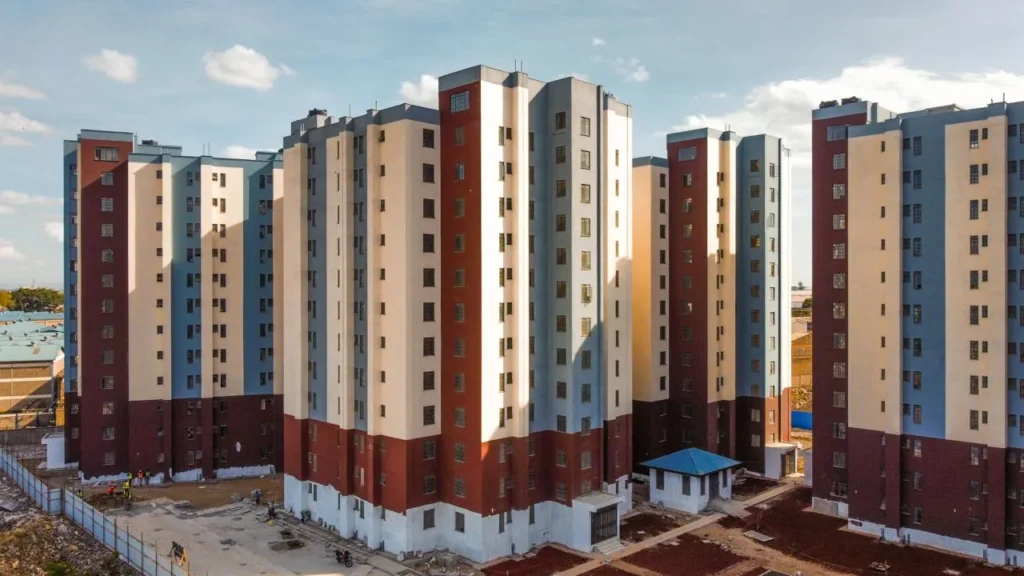
9. Finishing
The finishing stage transforms the completed structure into a functional and attractive apartment building. This includes painting, ceiling installation, tiling, cabinetry, doors, windows, sanitary fittings, electrical fixtures, landscaping, and all interior and exterior finishing works that enhance the property’s appearance and value.
10. Inspection
Before project completion, comprehensive inspections are carried out to verify workmanship, structural integrity, safety compliance, and overall quality. Any identified issues are corrected to ensure the building fully meets contractual specifications and regulatory requirements.
11. Handover
Once all works have been completed and approved, we officially hand over the finished apartment project to the client. We provide the necessary project documentation and ensure every aspect of the development is ready for occupation, rental, or commercial operation. Our commitment extends beyond completion, offering continued support to ensure your apartment investment delivers long-term value and lasting performance.
Our Apartment Construction Experience
Our experience in apartment development includes projects that require careful coordination between architectural design, structural requirements, cost planning, approvals, and construction considerations. The following project example illustrates the type of apartment development our team works on.
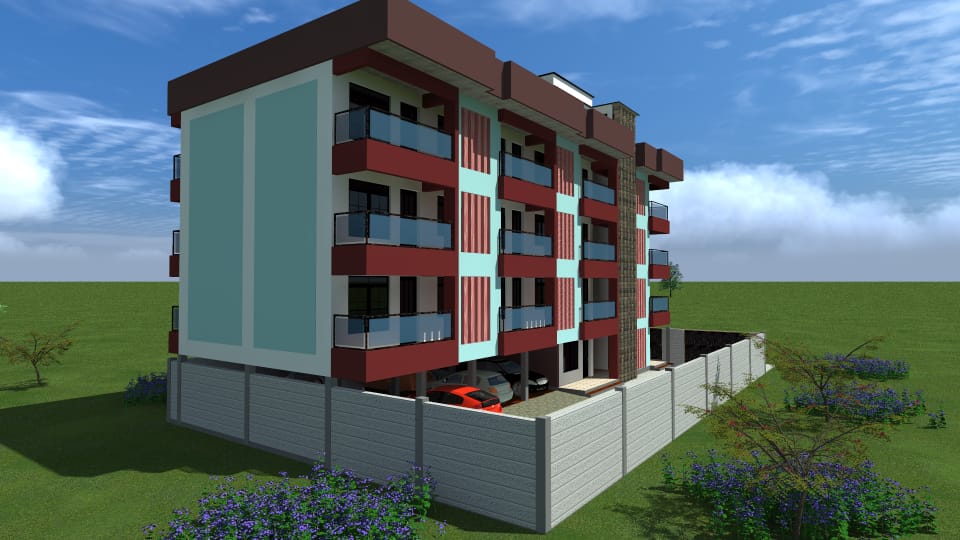
20-Unit Apartment Development in Kanduyi
Location: Kanduyi, Bungoma County
Plot: 50 × 100 ft
Development: 20-unit apartment building
Unit mix: A combination of one-bedroom and two-bedroom apartments
Number of floors: 4
Design services: Architectural design, structural design, BOQ preparation, and approval support available on request
The proposed four-storey development demonstrates the importance of considering the available site area, apartment unit mix, circulation, structural requirements, and other development requirements together during the planning and design stages.
For a 50 × 100 ft plot, the design process needs to balance the usable building area with requirements such as access, circulation, parking, services, and other site considerations. The combination of one-bedroom and two-bedroom units also requires careful planning to ensure that the proposed layouts respond to the intended market and available floor area.
Our design services can include architectural design, structural design, and BOQ preparation, while approval support can also be provided where requested. Coordinating these aspects during the early stages helps the client understand the proposed development before construction decisions are made.
This project is an example of why apartment development should be approached as a coordinated process rather than simply determining how many units can fit on a plot. Site conditions, planning requirements, structural considerations, unit layouts, construction costs, and the intended use of the development all need to be considered together.
Apartment Construction Cost in Kenya
Understanding the apartment construction cost Kenya is essential when planning a successful property development. While the total investment varies from one project to another, proper planning and professional cost estimation help you avoid budget overruns and ensure your project is completed efficiently. At West Kenya Real Estate Ltd, we provide detailed apartment construction estimate Kenya services and comprehensive Bills of Quantities (BOQs) to help clients make informed financial decisions before construction begins.
Several factors influence apartment construction prices Kenya, making it impossible to provide a one-size-fits-all figure. One of the biggest considerations is the project’s location. Construction costs may vary depending on whether the project is in Nairobi, Kisumu, Mombasa, Nakuru, Eldoret, or other regions due to differences in labour costs, transportation, and material availability.
The number of floors also significantly affects the overall budget. Multi-storey apartments require stronger foundations, additional reinforcement, elevators in some cases, and more complex structural systems than low-rise developments. Similarly, the type of foundation required depends on soil conditions. Sites with weak or expansive soils may require deeper or specialized foundations, increasing construction costs.
The quality of finishes you choose also impacts your investment. Standard finishes are more affordable, while premium flooring, imported tiles, designer kitchens, luxury bathrooms, and high-end fittings increase the overall project cost. Material selection also plays a major role, with fluctuations in the prices of cement, steel, roofing materials, windows, and finishing products affecting the final budget.
Labour costs vary depending on the project’s complexity, size, and construction duration. Site accessibility is another important factor. Easily accessible sites reduce transportation and equipment costs, while remote or congested urban locations may require additional logistics planning. Other considerations such as utility connections, drainage requirements, and external works can also influence the total project cost.
To ensure accurate budgeting, we prepare a detailed apartment construction quote Kenya based on your site conditions, design requirements, and preferred specifications. This enables you to plan your investmentconfidently while minimizing unexpected expenses during construction.
Costs Investors Can Overlook When Budgeting for Apartments
When planning an apartment development, investors often focus on the main construction works but may overlook other costs that can affect the total project budget. These costs vary depending on the location, project size, design, site conditions, statutory requirements, and specifications.
Professional and Statutory Costs
In addition to construction works, an apartment development may involve professional and statutory costs. Depending on the project, these can include architectural and engineering services, quantity surveying, approval-related fees, and other required statutory charges. These costs should be considered during the initial budgeting stage rather than added after construction has already started.
Utility Connections
Water, electricity, sewerage, and other utility connections can require additional expenditure depending on the site’s existing infrastructure and the requirements of the relevant service providers. A site without readily available connections may require additional works or infrastructure to serve the completed development.
Drainage and External Works
The construction budget should also account for works outside the main building. These may include stormwater drainage, sewer connections, access roads, walkways, parking areas, paving, landscaping, boundary walls, gates, and other external works required for the completed development.
Water Storage and Waste Management
Apartment developments may require facilities such as water storage tanks, pumps, waste storage areas, and other supporting infrastructure. The specific requirements depend on the development’s design, location, available services, and applicable regulations.
Security and Site Infrastructure
Depending on the project, investors may also need to budget for items such as gates, perimeter security, lighting, access-control systems, and other security-related infrastructure. These costs can be significant, particularly for larger apartment developments.
Temporary Site Facilities
During construction, the project may require temporary facilities and arrangements for site operations, including storage areas, temporary water and power, site offices, worker facilities, security, hoarding, and material handling. The requirements vary depending on the size and location of the project.
Financing and Contingency
Investors should also consider financing costs where the project is funded through borrowing or other external financing arrangements. A contingency allowance may also be appropriate to account for unforeseen costs that can arise from site conditions, design changes, material price changes, or other project-specific circumstances.
Considering these costs at the planning stage gives investors a more realistic view of the total development budget. A detailed design and BOQ can then be used to develop a more project-specific construction estimate rather than relying only on a general cost-per-square-metre figure.
What Commonly Causes Apartment Projects to Exceed the Original Budget?
An apartment construction budget can change for several reasons, even when the project has been carefully planned. Understanding the common causes of cost increases helps investors make important decisions earlier and reduces the likelihood of unexpected variations during construction.
Design Changes During Construction
Changing the apartment layout, finishes, materials, room sizes, structural elements, or building services after construction has started can result in additional work and material costs. Some changes may also require previously completed work to be altered or removed.
For this reason, important design and specification decisions should be reviewed and coordinated before construction begins. Where a change becomes necessary, its cost and effect on the construction programme should be assessed before the work proceeds.
Incomplete Early Planning
Costs can increase when important project requirements are not considered during the initial planning and design stages. For example, parking, drainage, water storage, waste management, external works, utility connections, or other site requirements may be identified later and become additional works.
A more complete early assessment of the site, development requirements, design, and budget helps reduce this type of uncertainty.
Unexpected Site Conditions
The actual conditions found on site can differ from what was initially expected. Soil conditions, groundwater, drainage problems, difficult access, or other site constraints may affect foundation works, excavation, drainage, and external works.
This is one reason why site assessment and appropriate investigations are important before the construction budget is finalized.
Material Price Changes
The prices of construction materials can change between the time a project is initially budgeted and when materials are purchased. Cement, steel, timber, finishes, fittings, and other materials may be affected by market conditions, availability, transport costs, or changes in supplier pricing.
Where a project will be constructed over an extended period, investors should understand how material price changes are treated under the contract.
Client-Selected Upgrades
A project can also become more expensive when the client changes from the originally specified materials or finishes to higher-cost alternatives. For example, upgrading floor tiles, sanitary fittings, kitchen finishes, doors, windows, lighting fixtures, or other fittings can increase the overall project cost.
Such upgrades are not necessarily a problem, but their financial impact should be established before the change is approved.
Poor Coordination Between Design and Construction Requirements
Conflicts or gaps between architectural, structural, plumbing, electrical, and other requirements can result in rework if they are discovered after construction has already progressed.
Early coordination of the different design disciplines can help identify potential conflicts before they affect work on site. Where changes are required, they can then be addressed before the affected work is constructed.
Changes to the Project Scope
Another common cause of budget increases is adding work that was not included in the original project scope. This may include additional rooms, units, external works, upgraded finishes, landscaping, parking improvements, security installations, or other facilities.
The original scope should therefore be clearly defined before construction begins, with any additional work formally assessed and approved.
How Investors Can Reduce the Risk of Budget Increases
No construction project can eliminate every unforeseen cost, but investors can reduce the risk by investing sufficient time in site assessment, design coordination, realistic cost planning, BOQ preparation, specification decisions, and clear contractual arrangements.
Before construction begins, it is also useful to understand which costs are fixed, which may change, what is excluded from the quotation, and how variations and unforeseen conditions will be handled.
The aim is not simply to produce the lowest initial construction estimate, but to develop a realistic project budget that reflects the proposed design, site conditions, specifications, external works, and other requirements of the development.
Indicative Apartment Construction Cost Factors
| Cost Factor | Impact on Construction Cost |
| Project Location | Transport costs, labour rates, and material availability vary by region. |
| Number of Floors | Taller buildings require stronger structural systems and additional reinforcement. |
| Foundation Type | Soil conditions determine the type and cost of foundation required. |
| Finishes | Standard, mid-range, or luxury finishes significantly affect the final budget. |
| Construction Materials | Prices of cement, steel, roofing, windows, and finishes influence overall costs. |
| Labour | Skilled labour requirements vary depending on project complexity. |
| Site Accessibility | Difficult terrain or limited access can increase transportation and equipment costs. |
| Soil Conditions | Poor soils may require soil improvement or specialized foundation solutions. |
For the most accurate pricing, we recommend requesting a customized BOQ and professional cost estimate based on your specific project requirements. Our experienced quantity surveyors will provide a transparent quotation that reflects your design, site conditions, and investment objectives, ensuring you have a realistic budget before construction begins.
Areas We Serve Across Kenya
West Kenya Real Estate Ltd is a trusted construction partner providing professional apartment design and construction services to clients across the country. Whether you are developing a small rental apartment or a large multi-storey residential complex, our experienced team delivers high-quality solutions tailored to your location, budget, and investment goals.
As a leading apartment construction company Nairobi, we work with property developers, investors, businesses, and institutions to deliver modern apartment developments that meet the city’s growing demand for quality housing. We also serve clients looking for a reliable apartment construction company Kisumu, offering complete design, engineering, approvals, project management, and construction services for residential and commercial apartment projects.
Our expertise extends to the coastal region, where we operate as a dependable apartment construction company Mombasa, delivering durable apartment buildings designed to suit the local environment and comply with all construction standards. Clients in the Rift Valley can also rely on us as a professional apartment construction company Nakuru, providing customized apartment solutions for both rental and mixed-use developments.
In North Rift, we proudly serve as an experienced apartment construction company Eldoret, helping investors build profitable apartment projects with quality workmanship and efficient project management. Beyond these major cities, we also undertake apartment developments in Kakamega, Kisii, Bungoma, Machakos, Kiambu, and many other counties across the country.
Our nationwide services include feasibility studies, architectural design, structural engineering, BOQ preparation, county approval drawings, project management, and turnkey apartment construction. Regardless of your project’s location, our dedicated team is committed to delivering safe, durable, and construction-ready apartment developments that meet the highest professional standards. Wherever you plan to invest, West Kenya Real Estate Ltd is ready to bring your apartment project to life anywhere in Kenya.
Why Clients Choose Our Apartment Builders in Kenya
Choosing the right construction partner is essential to the success of any apartment development. At West Kenya Real Estate Ltd, we have built a reputation as trusted apartment builders Kenya by consistently delivering quality workmanship, professional service, and projects that meet our clients’ expectations. Whether you are constructing rental apartments, student hostels, mixed-use developments, or multi-storey residential buildings, our experienced team is committed to delivering value at every stage of the project.
Our success begins with our team of licensed professionals, including registered architects, structural engineers, quantity surveyors, and experienced site supervisors. As reliable apartment building contractors Kenya, we ensure every project complies with National Construction Authority (NCA) regulations, county building codes, and industry best practices. This commitment guarantees that your apartment development is safe, durable, and built to the highest professional standards.
Clients also choose us because of our transparent approach to project costing. We provide detailed quotations, comprehensive Bills of Quantities (BOQs), and realistic construction schedules before work begins. Our affordable pricing ensures you receive excellent value without compromising on quality, while our open communication keeps you informed throughout every phase of construction.
We invest in modern equipment, proven construction techniques, and high-quality materials to deliver structurally sound apartment buildings with excellent finishes and long-term durability. Every stage of construction is carefully supervised to maintain strict quality control and ensure the finished project meets the approved specifications.
When you hire a licensed apartment construction company Kenya, you benefit from professional project management and personalized support. Each project is assigned a dedicated project manager who coordinates consultants, suppliers, subcontractors, and on-site activities, ensuring smooth communication, timely decision-making, and efficient execution. Our focus on timely completion helps clients begin occupying or renting their apartments as planned, reducing unnecessary delays and additional costs.
As professional apartment contractors in Kenya, we are committed to building lasting relationships with our clients. We stand behind the quality of our workmanship and provide a workmanship warranty for completed projects, giving you added confidence in your investment. From the initial consultation to the final handover, our goal is to deliver a seamless construction experience, exceptional customer service, and apartment developments that offer long-term value, durability, and profitability.
How to Choose an Apartment Construction Company in Kenya
Choosing an apartment construction company is an important decision because the contractor you select can affect the project’s cost, quality, construction programme, and overall experience. Rather than comparing contractors based only on the lowest quotation, investors should assess the company’s experience, professional team, construction approach, documentation, and ability to manage the project.
1. Check Relevant Apartment Construction Experience
Ask whether the contractor has experience with projects similar to yours. Constructing a small rental apartment development may involve different requirements from a larger multi-storey or mixed-use development.
Ask to see examples of similar projects and, where possible, verify the contractor’s previous work.
2. Understand Who Will Work on the Project
Find out which professionals will be involved in the development. Depending on the project’s requirements, this may include architects, structural engineers, quantity surveyors, project managers, site supervisors, and other specialists.
You should also understand who will coordinate these professionals during the project.
3. Ask to See Similar Completed Projects
Previous projects can provide useful evidence of a contractor’s experience and workmanship. Ask for examples that are comparable in terms of apartment type, scale, number of floors, or construction scope.
Where possible, look at completed projects rather than relying only on promotional descriptions.
4. Compare the Scope of Services
Construction companies do not necessarily offer the same scope of work. One contractor may provide construction only, while another may offer design, structural engineering, BOQ preparation, approval support, project management, and construction.
Before making a decision, establish exactly which services are included and which will need to be obtained separately.
5. Review the BOQ and Cost Information
Do not compare contractors using only the final quotation amount. Review the BOQ, specifications, quantities, materials, exclusions, provisional items, and other assumptions that make up the price.
A lower quotation may not represent a lower overall project cost if important work or specifications have been excluded.
6. Understand the Contract Terms
Before construction starts, make sure you understand the agreement between you and the contractor. Important areas can include the project scope, payment arrangements, programme, responsibilities of each party, materials and specifications, completion requirements, and procedures for dealing with changes.
7. Ask How Variations Are Handled
Changes can occur during construction. Ask the contractor how variations will be identified, priced, approved, and documented.
A clear variation procedure helps prevent disagreements about additional costs and ensures that changes are considered before the additional work is carried out.
8. Ask Who Will Supervise the Site
Find out who will be responsible for day-to-day site supervision and how the project will be monitored. You should understand who coordinates the construction team, checks workmanship, monitors progress, and communicates project updates to the client.
9. Check Safety Procedures
Construction involves risks to workers, visitors, neighbouring properties, and the public. Ask the contractor how health and safety will be managed on the site and what measures will be used to control construction risks.
10. Understand Defects and Warranty Arrangements
Ask what happens if defects or workmanship issues are identified after completion. The contract should clearly explain the contractor’s responsibilities for correcting applicable defects and any workmanship warranty that is offered.
11. Verify Statutory and Professional Compliance
Ask the contractor about the professional and statutory requirements applicable to your project. Depending on the development, these may involve county approvals, building regulations, NCA requirements, environmental requirements, and the involvement of relevant registered professionals.
Requirements can vary depending on the location, scale, design, and nature of the development, so they should be established for the specific project.
12. Consider Communication and Progress Reporting
Good communication is important throughout construction. Ask how often the contractor provides progress updates, who your main point of contact will be, how decisions are documented, and how issues affecting cost or programme will be communicated.
What to Look for Beyond the Lowest Price
The best contractor is not necessarily the one offering the lowest initial quotation. A better comparison considers the contractor’s relevant experience, scope of services, professional team, cost transparency, project supervision, contractual arrangements, safety practices, communication, and evidence from previous work.
How Marble engineering Approaches Apartment Projects
At Marble engineering, we provide apartment development services that can include architectural design, structural design, BOQ preparation, approval support, project management, and construction, depending on the client’s requirements. Our approach is to coordinate the relevant stages of the project and provide clients with clear information about the scope, costs, and construction process before work proceeds.
Investors considering an apartment development can use the criteria above to compare their options and determine which construction approach and contractor are most appropriate for their specific project.
Conclusion
Hire the Best Apartment Construction Company Kenya Today
Your apartment project deserves a construction partner with the expertise, experience, and commitment to deliver exceptional results. At West Kenya Real Estate Ltd, we are a professional apartment construction company offering comprehensive solutions for investors, property developers, institutions, and individuals across Kenya. From the initial concept to the final handover, we provide everything you need to transform your vision into a successful and profitable apartment development.
When you hire apartment construction company Kenya, you gain access to a multidisciplinary team of registered architects, structural engineers, quantity surveyors, project managers, and experienced builders who work together to ensure every stage of your project is completed to the highest standards. Our complete design and build services include architectural drawings, structural engineering, BOQ preparation, county approval documentation, project management, and turnkey construction, giving you a seamless and stress-free construction experience.
We understand that every apartment development is a significant investment. That is why we offer affordable pricing, transparent quotations, quality workmanship, and dedicated customer support throughout the entire construction process. Whether you are planning a rental apartment, student hostel, mixed-use development, or multi-storey residential building, our experienced apartment builders are committed to delivering projects on time, within budget, and in full compliance with Kenyan construction standards.
If you are ready to move forward, you can book apartment construction consultation Kenya with our experts to discuss your project requirements, investment objectives, and preferred design options. We will guide you through planning, budgeting, approvals, and construction while recommending the most practical and cost-effective solutions for your development.
To help you make informed decisions, you can also request apartment construction quotation Kenya or get apartment construction estimate Kenya prepared by our experienced quantity surveyors. Our detailed quotations and Bills of Quantities (BOQs) provide clear cost breakdowns, helping you plan your investment with confidence and avoid unexpected expenses.
Don’t leave your investment to chance. Contact apartment construction company Kenya today for a free consultation, compare your construction options, and receive expert guidance from a trusted team with nationwide experience. Whether your project is located in Nairobi, Kisumu, Mombasa, Nakuru, Eldoret, or anywhere else in Kenya, we are ready to help you start apartment construction project Kenya with confidence. Partner with West Kenya Real Estate Ltd and experience professional service, timely project delivery, superior quality, and lasting value from one of Kenya’s leading apartment construction specialists.