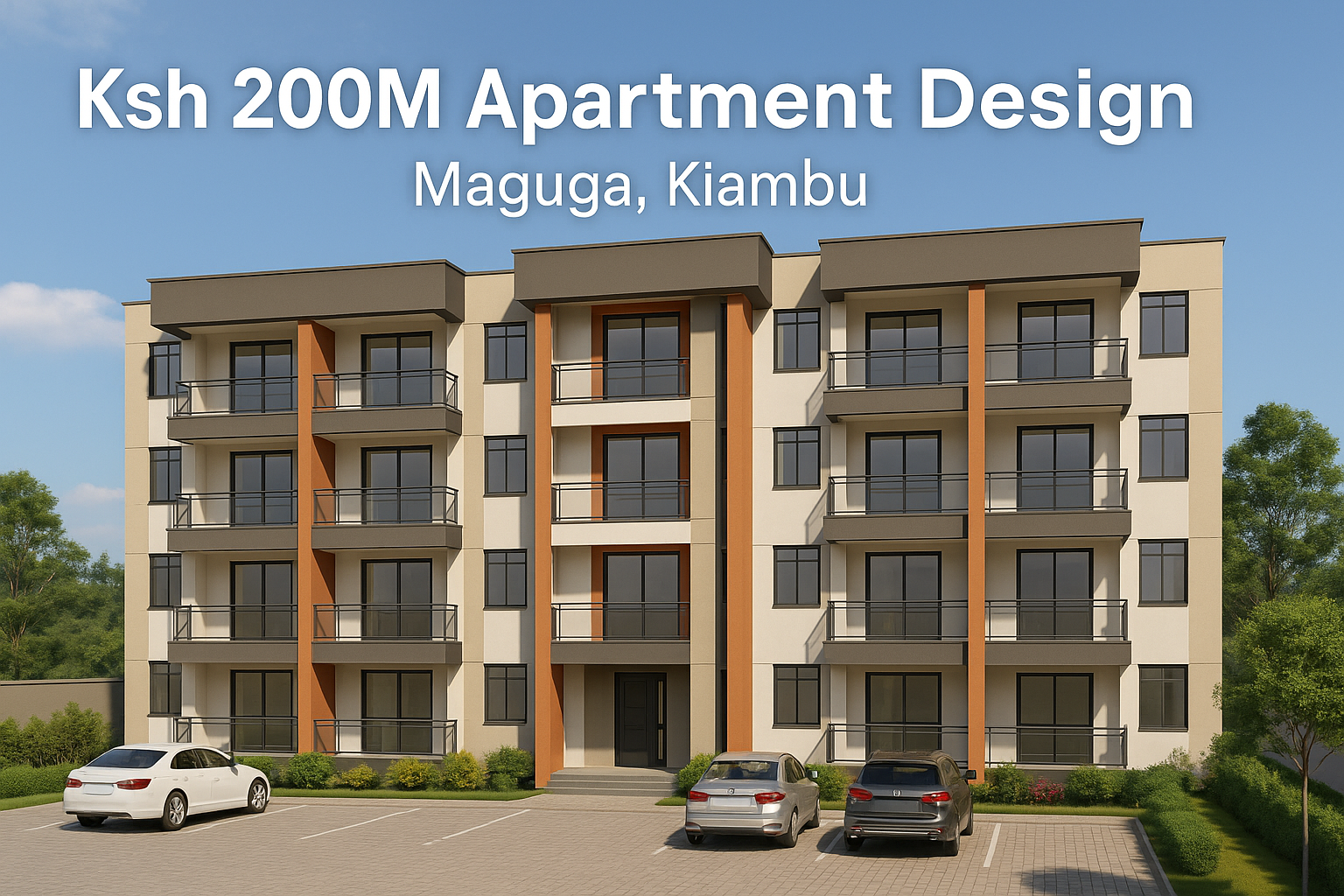
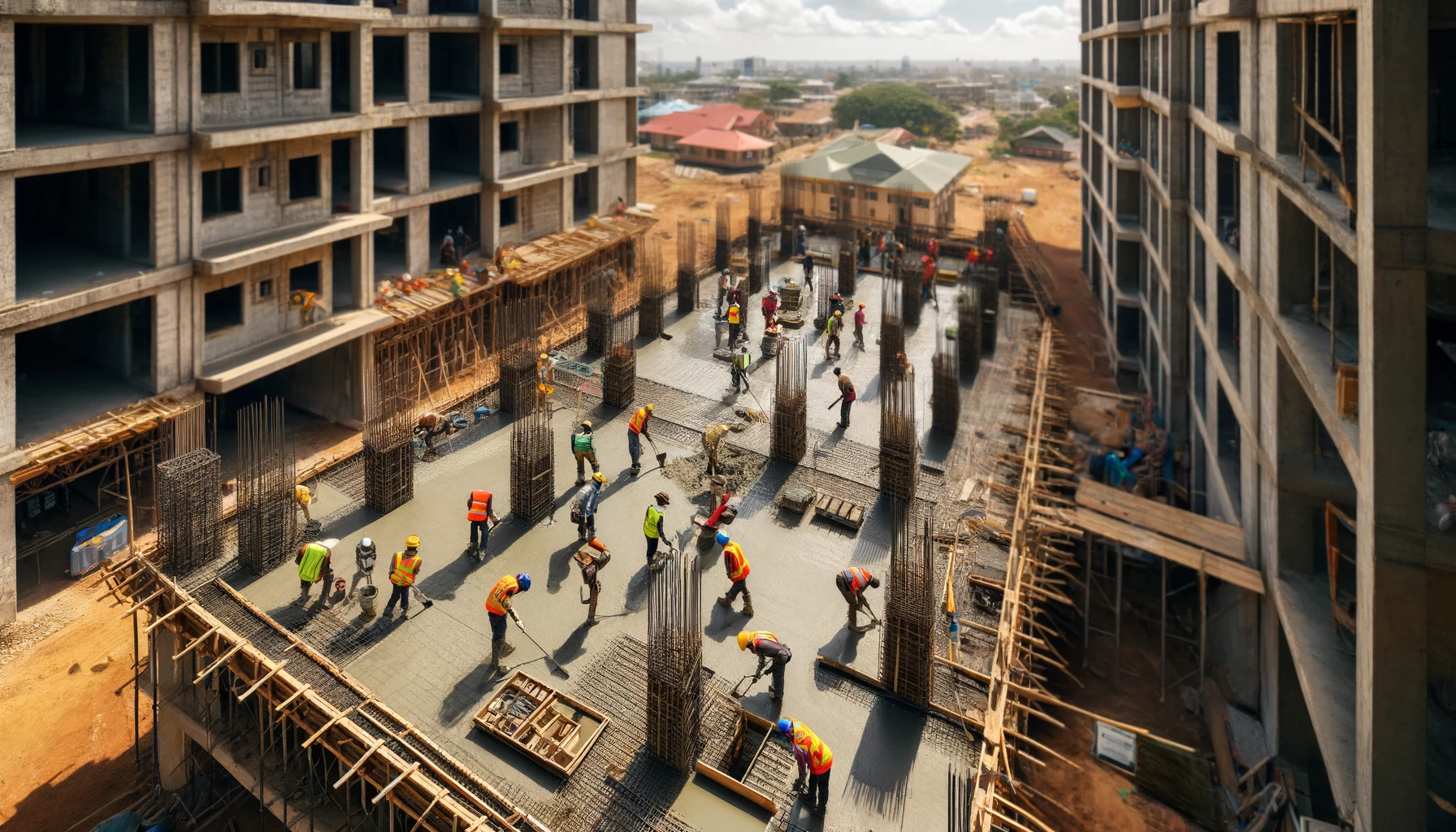
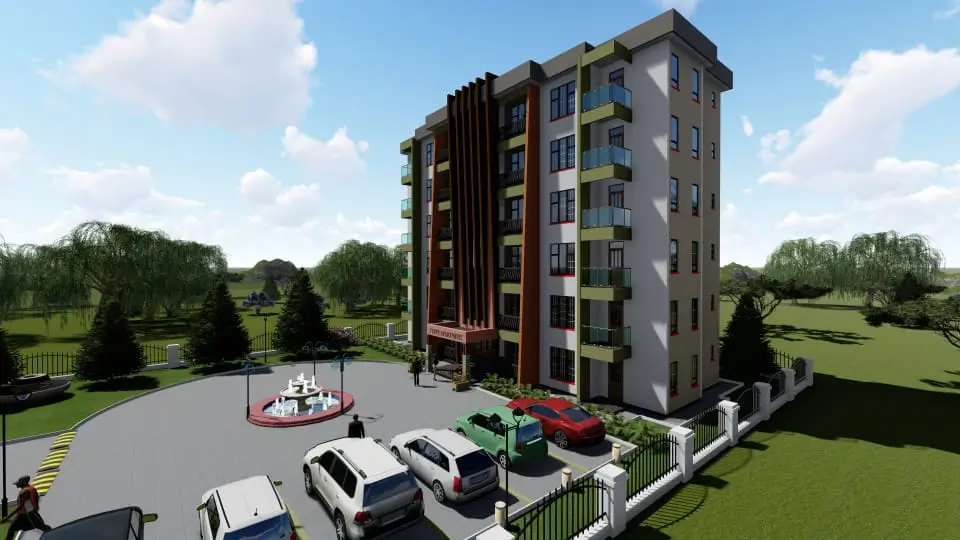
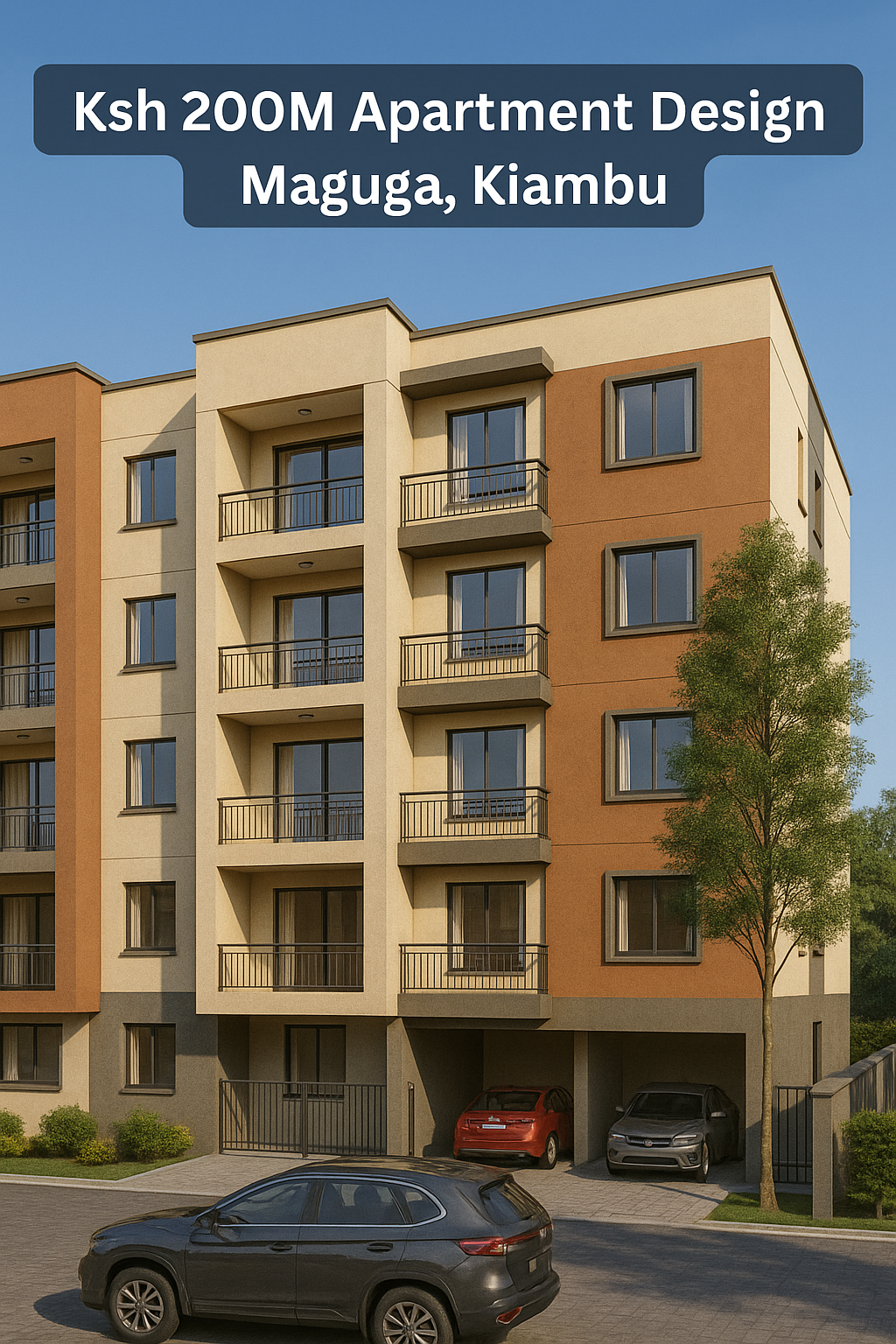
Many Kenyans who want a home – especially those working away from home or abroad – do not want to manage fundis, chase hardware suppliers and visit site every weekend. They want one firm to take the job from the plot to the keys. That is the promise of turnkey construction Kenya clients ask about most: a single contract that covers design, approvals, building and finishing, ending with a key handover when the house is ready to live in.
The trouble is that “turnkey” means different things to different contractors. One firm’s turnkey house Kenya quote may include the borehole, gate and landscaping; another may stop at the front door. This guide explains what a proper turnkey package should contain, what is usually excluded, and how to compare offers. If you are ready to start, see our design-build services from Marble Engineering, which deliver turnkey homes under one contract.
Planning a turnkey home? Get a scope and quote: WhatsApp 0789 217 685
What turnkey construction in Kenya actually means
In a turnkey project, the client agrees the brief, budget and programme, and the contractor delivers a finished building that is ready for use – you simply “turn the key”. It is closely related to design and build, where one firm is responsible for both the design and the construction. The difference is mostly one of emphasis: design and build describes who carries design responsibility, while turnkey describes the condition in which the building is handed over – complete, tested and occupiable.
For the owner, the main benefits are a single point of responsibility, fewer gaps between consultants and builders, and a clearer picture of the total cost before work begins. The main risk is a vague contract: if the scope is not written down room by room, “turnkey” can become an argument at handover.
What should be included in a turnkey house package
A complete turnkey construction package in Kenya normally covers the whole journey. Use this list to check any proposal you receive:
- Site visit and brief: checking the plot, access, soil conditions, utilities and title documents before design starts.
- Architectural design: floor plans, elevations, sections and 3D views agreed with you.
- Structural and services design: foundation, slab and beam design, plus plumbing, drainage and electrical layouts.
- Bills of quantities and budget: a priced BOQ so you can see where the money goes.
- Approvals: county building permit, NCA project registration and, where required, NEMA and other agency approvals.
- Construction: substructure, walling, roofing, doors and windows, plastering and all finishes.
- Services installation: wiring, lighting, sockets, plumbing, sanitary fittings, water storage and drainage.
- Snagging, testing and cleaning: testing electrical and plumbing systems, fixing defects and leaving the house clean.
- Key handover: keys, as-built information, warranties for fittings and a defects liability period.

Items that are often excluded – ask before you sign
Disputes on turnkey projects usually come from items each side assumed the other would cover. The table below shows common grey areas. None of them is right or wrong to include; what matters is that the contract says clearly who pays.
| Item | Often included? | What to confirm |
|---|---|---|
| Kitchen cabinets and wardrobes | Varies | Material, finish and number of units |
| Borehole, water tanks and pumps | Often excluded | Depth, yield risk and tank capacity |
| Kenya Power connection | Varies | Who applies and who pays the connection charges |
| Septic tank or sewer connection | Usually included | Size and whether a soak pit or biodigester is used |
| Perimeter wall, gate and paving | Often excluded | Length of wall, gate type and paved area |
| Solar water heating, CCTV, electric fence | Often excluded | Specification and brand |
| Landscaping and external works | Often excluded | Lawn, planting, drainage channels |
| Curtains, light fittings, appliances | Usually excluded | Allowance (PC sum) if any |
Where an item has not yet been chosen, a good contractor will include a clearly labelled provisional or prime cost (PC) sum rather than leaving it out silently. That keeps the budget honest.
The turnkey process step by step
- Enquiry and brief – you share the plot location, the number of rooms, style and a target budget.
- Concept and budget check – sketches and an early cost estimate confirm the brief is affordable.
- Detailed design and BOQ – full drawings and a priced bill of quantities form the basis of the contract.
- Contract and approvals – a fixed scope, programme and payment schedule are signed, and permits are obtained.
- Construction in stages – foundation, walling, roofing, services and finishes, with progress reports and photos.
- Snagging and key handover – a joint inspection, defects are fixed, and the keys are handed over.
Under the National Construction Authority project registration rules, all construction projects, public or private, must be registered with NCA, and the developer is responsible for doing so within thirty days of awarding the contract. The NCA project registration FAQs confirm that registration is currently free. In a turnkey contract, your builder should prepare this for you, but it is worth confirming it has been done.
How turnkey pricing works (and what drives the cost)
Turnkey projects in Kenya are usually priced as a lump sum based on the drawings and BOQ, paid in stages as work is completed. Rather than relying on a single rate per square metre, look at the factors that move the price. Our guide on design and build project costs in Kenya covers these in more detail.
- Size and complexity: storeys, roof shape, spans and the number of bathrooms.
- Site conditions: sloping ground, black cotton soil or rock add to foundation costs.
- Location and access: distance from material suppliers and the condition of access roads.
- Finishes: tiles, sanitary ware, doors, kitchen and wardrobes can swing the budget widely.
- External works: walls, gates, paving, borehole and water storage.
- Programme: a faster build needs more labour on site; a phased build spreads payments but may cost more overall.
Ask for the BOQ behind any lump-sum quote. If two turnkey prices differ a lot, the BOQ will usually show whether one has left out items or assumed lower-grade finishes.
Turnkey vs managing the build yourself
| Factor | Turnkey contract | Managing fundis yourself |
|---|---|---|
| Responsibility | One firm for design and construction | Owner coordinates everyone |
| Cost certainty | Agreed lump sum and payment stages | Costs revealed as you go |
| Time required from owner | Low – approvals and decisions only | High – frequent site visits |
| Quality control | Contractor’s supervision and snag list | Depends on owner’s knowledge |
| Suited to | Diaspora clients, busy professionals | Owners with time and experience |
If you are comparing procurement routes more broadly, our article on design build vs design bid build in Kenya sets out the trade-offs. For larger rental projects, see turnkey apartment construction services, which applies the same approach to blocks of flats.
How to choose a turnkey contractor in Kenya
- Check the contractor’s NCA registration and the professional registration of its architects and engineers.
- Ask to see completed homes and speak to past clients where possible.
- Insist on a written scope with a room-by-room finishes schedule.
- Agree a payment schedule tied to completed stages, not dates.
- Ask how progress is reported – photos, videos and site reports matter if you live far away.
- Confirm the defects liability period and what happens if snags are not fixed.
If you are thinking “I just want someone to build my house in Kenya properly”, these checks are what separate a true turnkey partner from a builder who only uses the word.
Frequently asked questions
Is turnkey construction more expensive than hiring fundis directly?
The headline price can look higher because it includes design, supervision, approvals and the contractor’s risk. However, owners managing fundis themselves often face wastage, rework and price changes that are hard to see at the start. Compare the full cost, including your own time and travel.
Can I build a turnkey house in Kenya while living abroad?
Yes. Turnkey construction suits diaspora clients well because decisions can be made remotely and progress shared through photos, videos and stage reports. Payments should be linked to verified completed stages.
What happens at key handover?
You inspect the house with the contractor, list any defects, and the contractor fixes them. You then receive the keys, information on installed systems and fittings, and details of the defects liability period.
Get a turnkey house quote from Marble Engineering
Tell us about your plot and the home you want. Our turnkey design-build services from Marble Engineering cover design, approvals, construction and key handover under one contract.
Or call 0789 217 685 / 0724 481 087.