Discover a detailed case study of a successful apartment project in Kenya, covering cost breakdown, design, construction process, ROI analysis, financing models, and key lessons for developers and investors. Learn what makes real estate projects profitable in Kenya’s growing housing market.
Introduction: Why Apartment Case Studies Matter in Kenya
Kenya’s apartment development sector has experienced rapid growth over the past decade, driven by increasing urbanization, a rising middle class, and strong demand for affordable and rental housing in major towns. Cities such as Nairobi, Mombasa, and Nakuru continue to attract both local and diaspora investors who view real estate as a stable and long-term wealth-building option. As land in urban centers becomes more limited and expensive, apartments have become the preferred development model due to their ability to maximize space and generate higher rental income per square foot.
In this competitive environment, investors and developers increasingly rely on real-world case studies to guide their decisions. A well-documented apartment project provides practical insights into costs, construction timelines, design choices, and profitability—helping reduce risks and avoid costly mistakes. Unlike theory, case studies show what actually happens on the ground, including challenges and how they are resolved.
This article breaks down a successful apartment project in Kenya to provide a complete understanding of the development process. It covers key areas including cost breakdown, architectural and design insights, construction process, ROI analysis, and important lessons for both developers and investors. Whether you are planning your first project or expanding your portfolio, this case study offers actionable insights to support smarter and more profitable decisions in Kenya’s real estate market.
Overview of Apartment Development in Kenya
Apartment development in Kenya has grown significantly over the past two decades, becoming one of the most active segments in the real estate sector. This growth is largely driven by rapid urbanization and the increasing demand for affordable and middle-income housing in major towns such as Nairobi, Mombasa, Kisumu, Nakuru, and Eldoret. As more people move to urban areas in search of employment and better living standards, the pressure on housing continues to rise, making apartments a preferred solution for both developers and tenants.
Several key factors are fueling this demand. Urban migration remains a major driver as rural populations shift to cities. At the same time, there is a persistent middle-income housing gap, where supply has not kept pace with demand, especially for quality yet affordable units. Additionally, real estate continues to attract strong investment interest from both local investors and the diaspora, who view apartments as a reliable source of rental income and long-term capital appreciation.
Common apartment types in Kenya include 1-bedroom, 2-bedroom, and 3-bedroom units, designed to cater to different income levels and household sizes. Developers typically adopt two main models: off-plan developments, where units are sold before completion to finance construction, and turnkey developments, where projects are fully completed before sale or occupation.
However, the sector also faces notable challenges. Rising construction costs, increasing land prices in urban areas, and lengthy approval processes from regulatory bodies often slow down development timelines and impact profitability. Despite these challenges, apartment development remains one of the most promising real estate opportunities in Kenya today.
Case Study Project Background
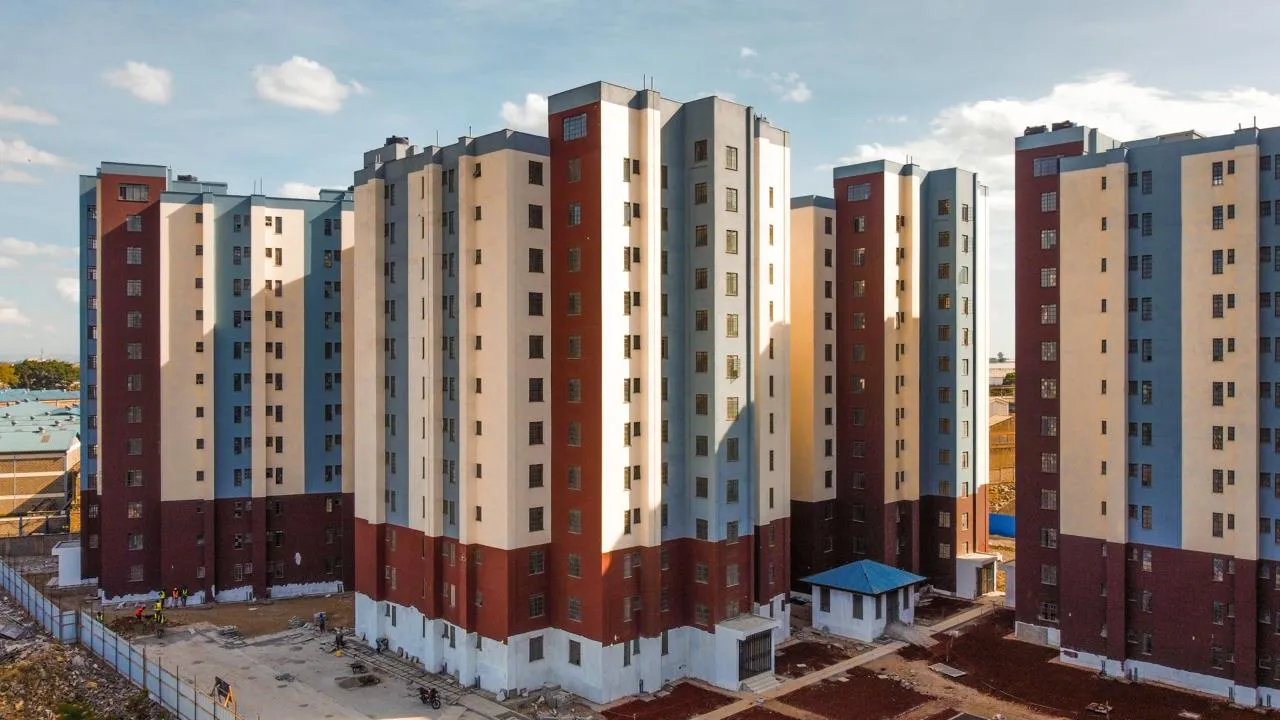
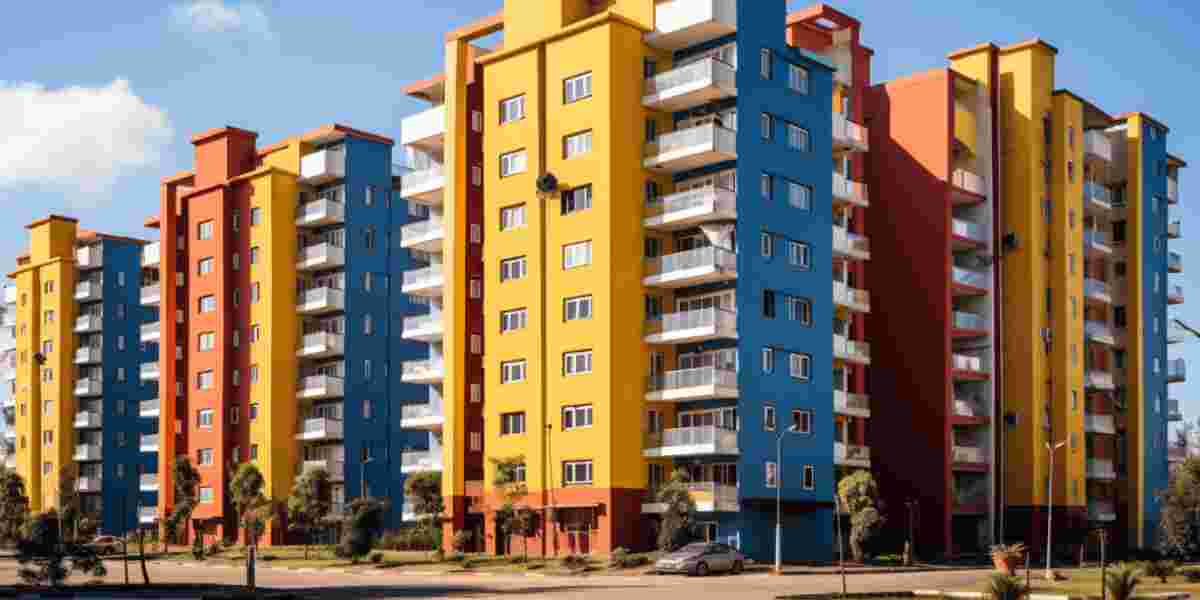
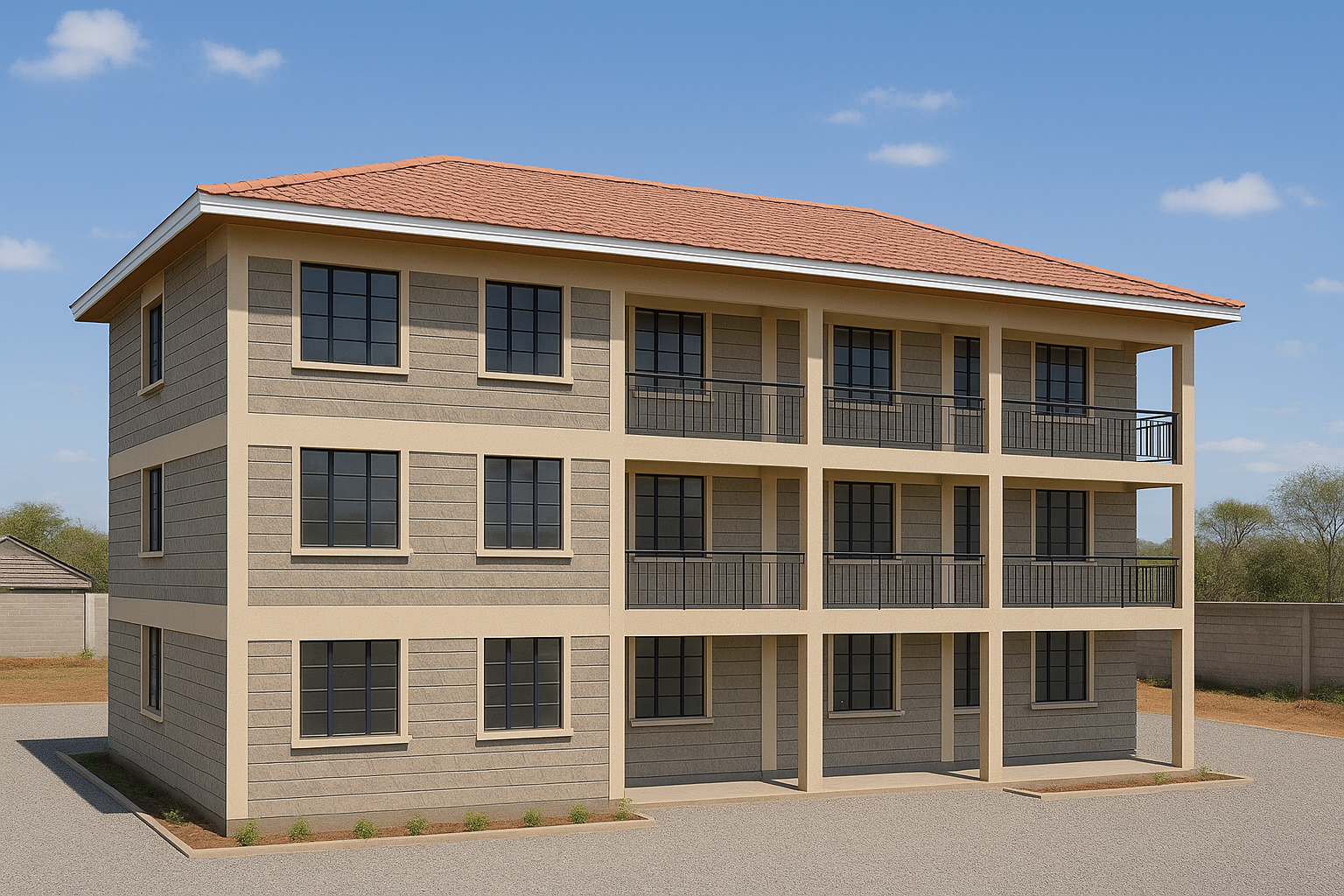
This case study focuses on a mid-income apartment development project consisting of approximately 45 residential units, strategically designed to serve the growing urban housing demand in Kenya. The development includes a mix of 1-bedroom, 2-bedroom, and a limited number of 3-bedroom units, aimed at balancing affordability with functionality and comfort for urban dwellers.
The project was carefully located in a fast-growing peri-urban zone on the outskirts of Nairobi, selected based on several key criteria. These included accessibility to major roads, proximity to essential social amenities such as schools, hospitals, and shopping centers, as well as availability of utilities like water, electricity, and sewer systems. The area also demonstrated strong rental demand due to its increasing population of young professionals and middle-income families seeking affordable housing close to the city.
The developer behind the project is a private real estate investor with prior experience in residential housing developments. Their vision was to bridge the gap between affordability and modern urban living by delivering well-designed apartments that meet current lifestyle expectations while still maintaining strong investment returns. The project was also structured with long-term scalability in mind, allowing for future expansion or replication in other growing urban zones.
The target market for this development included both rental tenants and potential off-plan buyers. Investors were particularly attracted to the project due to its projected rental income stability and capital appreciation potential, while tenants benefited from modern, secure, and conveniently located housing units.
The overall project goals were clearly defined from the outset. First, to achieve affordability without compromising quality. Second, to deliver modern living standards through efficient layouts, natural lighting, and essential amenities. Finally, to maximize return on investment (ROI) through optimized design, controlled construction costs, and strategic pricing. This balance of objectives formed the foundation of the project’s eventual success in the Kenyan property market.
Location Analysis and Market Suitability
Location is one of the most critical factors determining the success or failure of any apartment development in Kenya. Even with strong design and quality construction, a poorly chosen location can lead to low occupancy rates, weak rental returns, and slow capital appreciation. In contrast, a strategically selected site can guarantee consistent demand and long-term profitability.
For this case study, several key location factors were evaluated before project approval. First, accessibility to the Central Business District (CBD) was a priority, ensuring that residents could easily commute for work. The selected site offered reasonable travel time to Nairobi’s commercial zones, making it attractive to working professionals. Second, infrastructure availability played a major role, including well-maintained access roads, reliable water supply, and stable electricity connection, all of which reduce development risks and ongoing maintenance costs.
Third, proximity to essential social amenities such as schools, hospitals, supermarkets, and shopping malls significantly improved the site’s attractiveness. These conveniences are highly valued by tenants, especially families and young professionals seeking a balanced urban lifestyle.
Rental demand in the selected area was already strong due to continuous population growth and limited quality housing supply. This ensured that units would be absorbed quickly upon completion, reducing vacancy risks. Compared to alternative locations further from the city or in less developed zones, this site offered a better balance between affordability and demand stability.
Ultimately, location had a direct impact on both pricing and occupancy rates. Units in this area commanded higher rents compared to similar developments in less connected regions, while still maintaining high occupancy levels. This reinforced the importance of location as a key driver of real estate investment success in Kenya’s apartment market.

Architectural Design and Space Planning
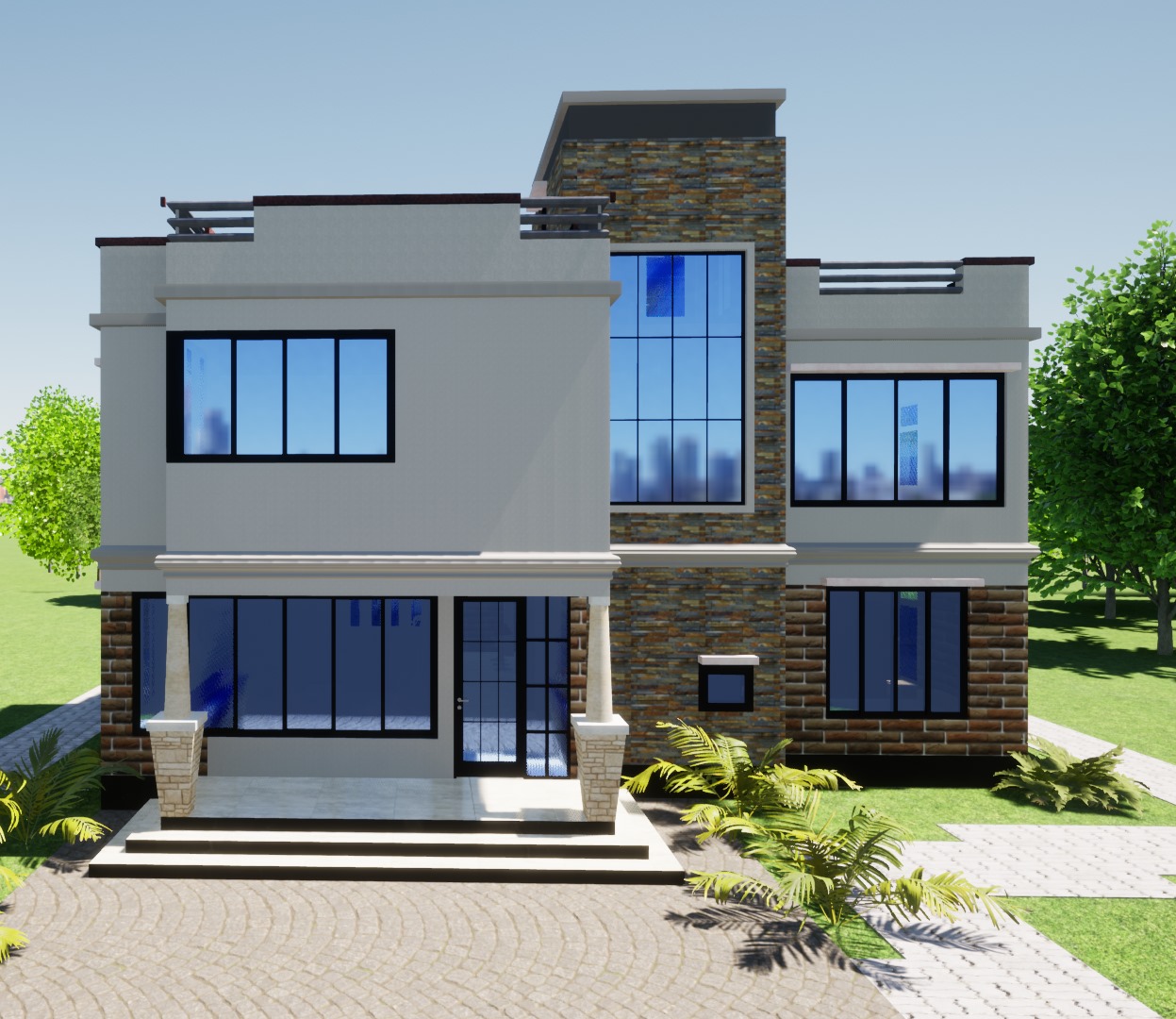
The architectural design of this apartment project was guided by a modern, functional, and market-driven philosophy aimed at maximizing livability while ensuring high investment returns. The core idea was to create efficient residential spaces that meet the needs of urban tenants in Kenya without unnecessary luxury costs that would push rents beyond the target market’s affordability.
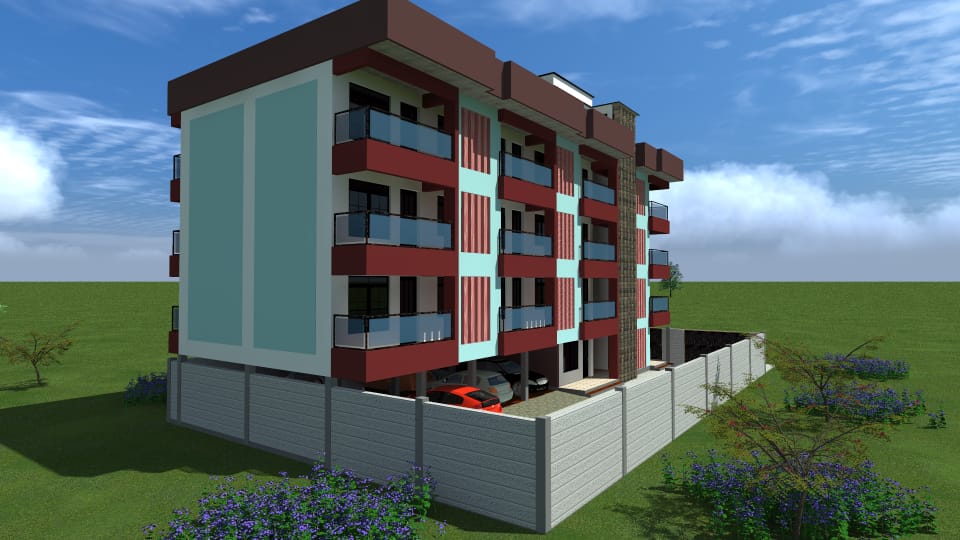
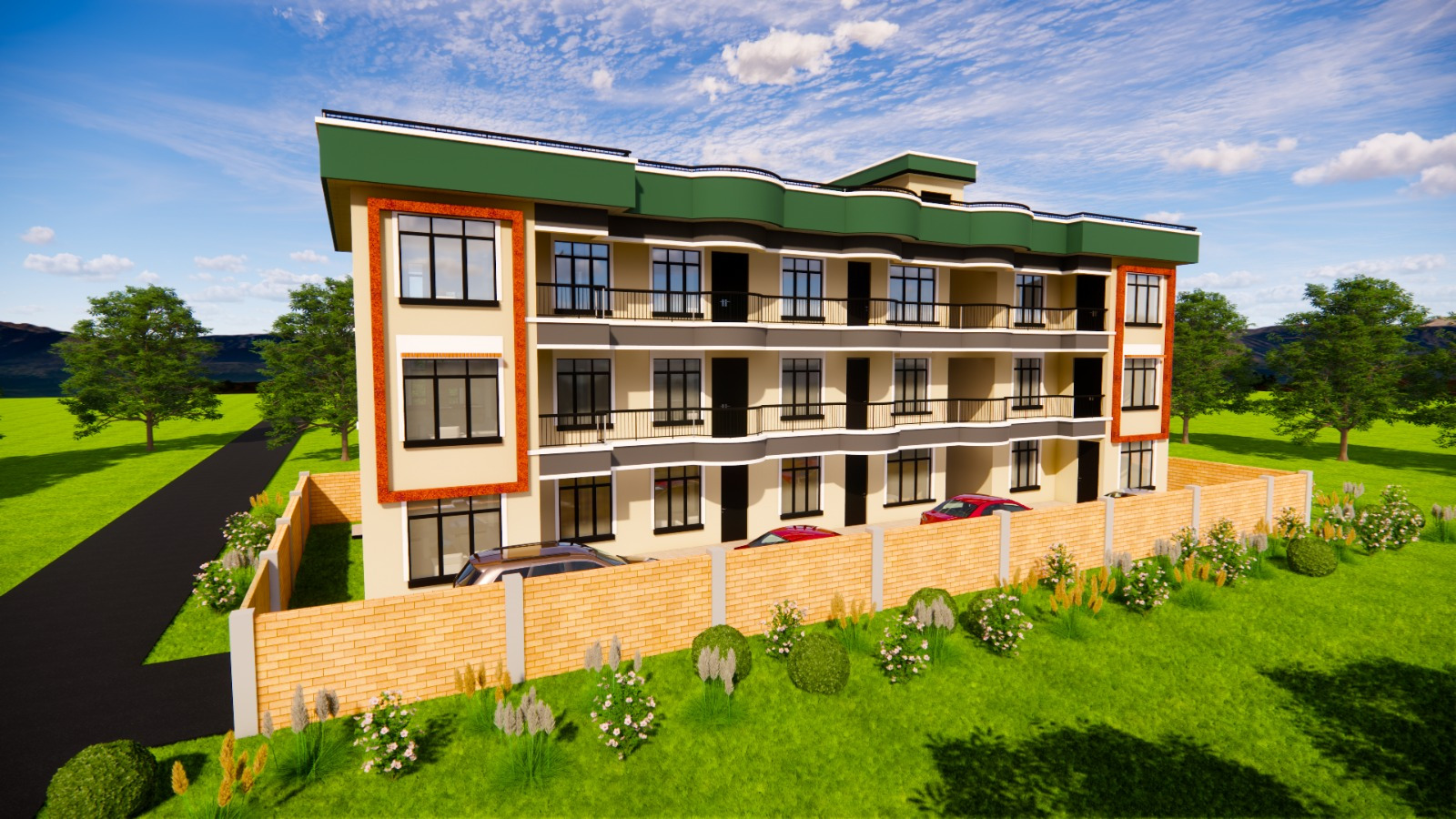
Each unit was carefully planned to ensure optimal use of space and comfort. The living room was designed as the central social area, offering enough room for relaxation and small gatherings while maintaining a compact and efficient layout. Bedrooms were sized to comfortably fit essential furniture such as beds and wardrobes while still allowing adequate movement space. The kitchen design focused on practicality, incorporating sufficient counter space, storage cabinets, and durable finishes suitable for long-term use. Balconies were included in most units to enhance ventilation, natural airflow, and provide residents with small outdoor relaxation areas.
Space optimization was a key priority throughout the design process. The layout minimized wasted corridors and unused areas, ensuring that every square meter contributed to usable living space. This approach helped reduce construction costs per unit while increasing the overall value proposition of each apartment.
Modern features were integrated to improve tenant experience and market appeal. Open-plan kitchen designs were introduced in selected units to create a more spacious and connected living environment. Large windows were strategically positioned to maximize natural lighting, reducing the need for artificial lighting during the day and improving energy efficiency. Parking allocation was also carefully planned to ensure each unit had access to secure and organized parking spaces, which is a major consideration for urban tenants in Kenya.
Overall, architectural design played a critical role in the project’s success. Well-thought-out layouts significantly increased rental attractiveness, reduced vacancy rates, and strengthened the project’s competitiveness in a crowded urban housing market. Good design proved to be not just an aesthetic choice, but a key driver of profitability and tenant satisfaction.
Construction Process and Timeline
The construction process for this apartment project followed a structured, phased approach to ensure efficiency, quality control, and timely delivery. Each stage was carefully planned and monitored to minimize delays and cost overruns while maintaining high construction standards.
The first phase was the foundation stage, which included site clearing, excavation, and laying of a strong reinforced concrete foundation. This stage was critical in ensuring structural stability, especially considering the multi-storey nature of the building. Depending on soil conditions and weather, this phase typically took approximately 1 to 2 months.
The second phase was the structural work, which involved construction of columns, beams, slabs, and masonry walls. This stage formed the skeleton of the building and required skilled workmanship and strict supervision. On average, this phase took around 4 to 6 months depending on the number of floors and workforce efficiency.
The third phase was the finishing stage, which included plastering, tiling, painting, electrical wiring, plumbing installations, and fitting of doors and windows. This is often the most detailed and cost-intensive phase, taking approximately 3 to 5 months. Attention to detail during finishing significantly influenced the final market value and rental appeal of the apartments.
The final phase involved external works, such as paving parking areas, landscaping, drainage systems, water storage installation, and perimeter fencing. This stage enhanced both functionality and aesthetics and typically took 1 to 2 months.
The project relied on a combination of main contractors, subcontractors, and skilled labor teams. A site manager and quantity surveyor were engaged to coordinate activities, control costs, and ensure adherence to specifications.
Common delays included material delivery challenges, weather interruptions, and cash flow constraints. These were managed through advance procurement planning, phased payments, and flexible scheduling.
Quality control was maintained through regular site inspections, material testing, and strict adherence to architectural and structural drawings, ensuring durability and compliance with construction standards in Kenya.
Cost Breakdown of the Apartment Project
A detailed cost analysis is essential in understanding the financial structure and feasibility of any apartment development in Kenya. For this case study, the total project cost was carefully distributed across land acquisition, professional services, construction materials, labor, and infrastructure development.
The land acquisition cost formed a significant portion of the initial investment, reflecting the high demand for strategically located urban land. This cost varied depending on proximity to the CBD, access to infrastructure, and zoning regulations.
Next were the design and approval costs, which included architectural drawings, structural engineering plans, quantity surveying services, and statutory approvals from relevant county authorities. These costs are critical for ensuring compliance with building codes and avoiding legal delays.
The construction materials category accounted for the largest share of the budget. Cement was a primary input used in foundation work, structural elements, and finishing. Steel reinforcement bars were essential for structural strength, especially in columns and slabs. Finishing materials such as tiles, paint, doors, windows, and cabinetry significantly influenced the final quality and market appeal of the apartments.
Labour costs were divided into skilled and unskilled labor. Skilled labor included masons, electricians, plumbers, and carpenters, while unskilled labor supported general site work. Efficient labor management helped control timelines and reduce wastage.
The project also incurred costs for infrastructure and utility installation, including water connections, sewage systems, electrical wiring, drainage, and parking area development. These elements were necessary for making the apartments fully functional and habitable.
Overall, the total estimated project cost was structured to ensure financial efficiency while maintaining quality standards. On average, the cost per square meter ranged between KSh 45,000 to KSh 75,000, depending on finishing level and design complexity. At a unit level, costs varied based on size, with 1-bedroom units being the most affordable and 3-bedroom units requiring higher investment.
This cost breakdown highlights the importance of proper budgeting and value engineering in maximizing profitability in Kenya’s apartment development sector.
Financing Model and Investment Structure
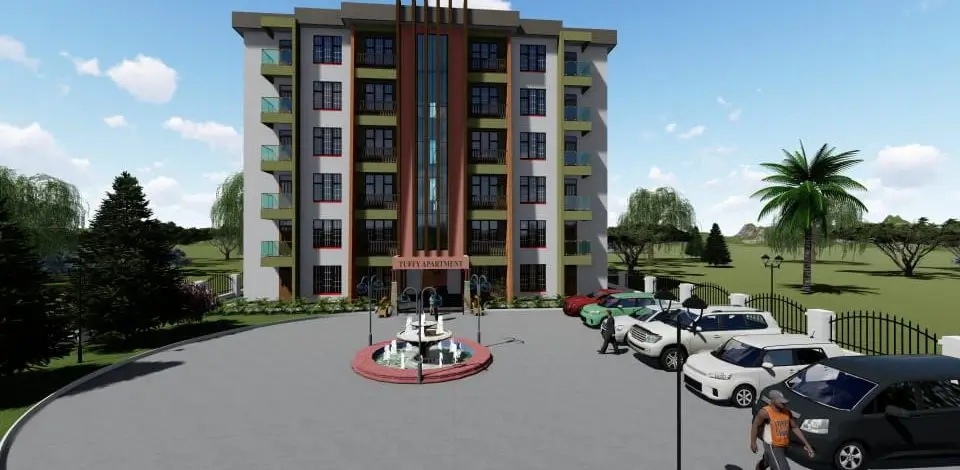
The financing structure of the apartment project was designed to balance risk, maintain steady cash flow, and reduce reliance on a single funding source. A mixed financing model was adopted, combining developer equity, bank loans, and off-plan buyer deposits, which is a common strategy in successful real estate developments in Kenya.
The developer equity formed the initial capital injection, used mainly for land acquisition, preliminary designs, and early construction works. This demonstrated commitment to other financiers and reduced perceived investment risk. A bank loan was then secured to support major construction phases, particularly structural work and materials procurement. The loan was structured with phased disbursements tied to construction milestones to ensure controlled spending.
A key component of the financing strategy was off-plan sales, where buyers paid deposits before project completion. This approach significantly improved cash flow, allowing the developer to fund ongoing construction without excessive borrowing. It also reduced financial pressure during peak construction phases.
Off-plan financing offers several advantages, including improved liquidity, reduced interest burden, and faster project completion. However, it requires strong project credibility and clear communication with buyers to maintain trust.
To manage cash flow effectively, the project adopted strict budgeting, milestone-based payments, and regular financial tracking. Risk management strategies included contingency budgeting for price fluctuations, supplier agreements to stabilize material costs, and insurance coverage for construction risks.
Overall, the financing model played a critical role in ensuring the project remained financially viable, reducing exposure to financial shocks while maximizing investor confidence and project sustainability.
Challenges Faced During Development
Like most large-scale apartment developments in Kenya, this project encountered several challenges during its execution phase. One of the most significant issues was rising construction material costs, particularly cement, steel, and finishing materials. Price fluctuations in the market put pressure on the initial budget and required constant adjustments to maintain financial stability without compromising quality.
Another major challenge involved regulatory approvals and compliance delays. Obtaining necessary permits from county authorities and other regulatory bodies sometimes took longer than expected, slowing down the construction schedule. These delays were largely due to documentation requirements, inspections, and procedural backlogs.
Contractor management issues also emerged during the project. Coordinating multiple subcontractors, including masons, electricians, plumbers, and finishing teams, required strict supervision. At times, inconsistencies in workmanship and delays in task completion affected workflow efficiency and required close monitoring by the project management team.
The project also faced market uncertainties, including shifts in demand for rental units and changes in investor confidence due to economic fluctuations. These factors influenced pricing decisions and sales strategies, particularly for off-plan buyers.
To address these challenges, several solutions were implemented. Value engineering was used to optimize design and material usage without sacrificing structural integrity or aesthetic appeal. The project also adopted phased construction, allowing critical sections to be completed and partially utilized or sold while other phases continued. Additionally, strong supplier negotiation strategies were employed to secure better pricing and stabilize material supply chains.
These combined measures helped the project remain on track, maintain quality standards, and achieve overall financial and operational success despite the challenges encountered during development.
Return on Investment (ROI) and Rental Performance
Return on investment (ROI) is one of the most important measures of success for any apartment development in Kenya. In this case study, the project was structured to achieve strong rental yields while also offering long-term capital appreciation for investors. On average, rental yields for well-located apartments in urban Kenya range between 6% and 10% annually, depending on location, unit design, and occupancy levels.
After completion, the project recorded high occupancy rates, driven by strong demand for modern, well-designed housing units in the area. Within the first few months, most units were occupied, reflecting the effectiveness of the location strategy and pricing model. This quick absorption into the rental market significantly reduced vacancy losses and stabilized cash flow for investors.
When comparing sale versus rental profitability, both strategies showed strong performance. Off-plan buyers who sold units after completion benefited from capital gains, while landlords who retained units enjoyed consistent monthly rental income. Rental income proved especially attractive due to steady demand from young professionals and small families.
The estimated payback period for investors ranged between 8 to 12 years, depending on financing structure and occupancy stability. Projects with higher off-plan sales and lower debt exposure tended to achieve faster recovery of capital.
In terms of long-term appreciation, the property benefited from ongoing infrastructure development and urban expansion, which increased land and property values over time. This made the investment more valuable beyond immediate rental returns.
Overall, investor takeaways highlight the importance of location, efficient design, and strong management in achieving sustainable ROI in Kenya’s apartment market.
Key Lessons from the Project
This apartment development offers several important lessons for developers and investors in Kenya’s real estate sector. One of the most critical insights is the importance of location selection. A well-positioned site with good access to infrastructure, transport, and social amenities directly influences occupancy rates and rental income. Even a well-built project can underperform if located in an area with weak demand.
Another key lesson is the impact of good architectural design on rental demand. Functional layouts, adequate ventilation, natural lighting, and efficient use of space significantly increased tenant interest. Modern design elements such as open-plan kitchens and well-planned parking areas made the units more attractive compared to competing developments in the same price range.
Cost control strategies also played a major role in the project’s success. Careful budgeting, value engineering, and supplier negotiations helped manage rising material costs without compromising quality. Phased procurement of materials further reduced financial strain during construction.
The project also highlighted the importance of professional project management. Having a qualified site manager, quantity surveyor, and coordinated contractor teams ensured smooth execution, reduced delays, and maintained quality standards. Regular site supervision and progress tracking were essential in keeping the project on schedule.
In addition, market research before development proved crucial. Understanding rental demand, tenant preferences, and pricing trends helped shape both design and financial planning. This minimized the risk of oversupply or misaligned product offerings.
Ultimately, what made the project successful was a combination of strategic planning, disciplined execution, and market alignment. The integration of strong location choice, efficient design, controlled costs, and professional management created a balanced development that delivered both strong rental performance and long-term capital growth.
Common Mistakes Developers Should Avoid
Despite the profitability of apartment development in Kenya, many projects fail or underperform due to avoidable mistakes. One of the most common is poor budgeting and underestimating construction costs. Developers often overlook price fluctuations in materials, labour, and approvals, leading to budget overruns and stalled projects.
Another critical mistake is ignoring market demand trends. Building units that do not match tenant needs—such as overly large apartments in low-income areas or small units in high-end neighborhoods—can result in low occupancy and reduced returns.
Overdesigning or underdesigning units is also a frequent issue. Overdesign increases costs without necessarily increasing rental value, while underdesign makes units less attractive to tenants, reducing competitiveness in the market.
Hiring unqualified or poorly managed contractors often leads to delays, substandard workmanship, and costly rework. Proper vetting and supervision of contractors is essential for maintaining quality and timelines.
Poor cash flow planning is another major challenge. Without structured financing and clear payment schedules, projects can stall mid-construction due to lack of funds.
Finally, many developers neglect a strong marketing strategy for units. Even well-built apartments struggle to achieve full occupancy if they are not properly marketed to the right target audience.
Avoiding these mistakes significantly improves project success rates, ensuring better returns, faster occupancy, and long-term investment stability in Kenya’s competitive apartment market.
Conclusion: What Makes an Apartment Project Successful in Kenya?
A successful apartment project in Kenya is not determined by chance but by a combination of well-executed strategies and informed decision-making. From this case study, it is clear that several key success factors consistently influence project outcomes and overall profitability in the real estate sector.
First, strategic location remains the foundation of any successful development. Areas with strong infrastructure, good accessibility, and high rental demand significantly improve occupancy rates and rental yields. Second, proper planning ensures that every stage of the project—from design to financing and construction—is well-coordinated and aligned with market expectations.
Cost efficiency is equally important. Developers who actively manage budgets, control material wastage, and apply value engineering are more likely to achieve higher returns on investment. In addition, strong execution through professional project management, skilled contractors, and consistent supervision ensures that quality standards and timelines are maintained.
Ultimately, success in apartment development depends on preparation, research, and disciplined implementation rather than luck. Developers who understand market dynamics and plan effectively are better positioned to avoid costly mistakes and maximize returns.
The Kenyan apartment market continues to present strong investment opportunities driven by urban growth and housing demand. With the right approach, investors can achieve both stable rental income and long-term capital appreciation in this growing sector.