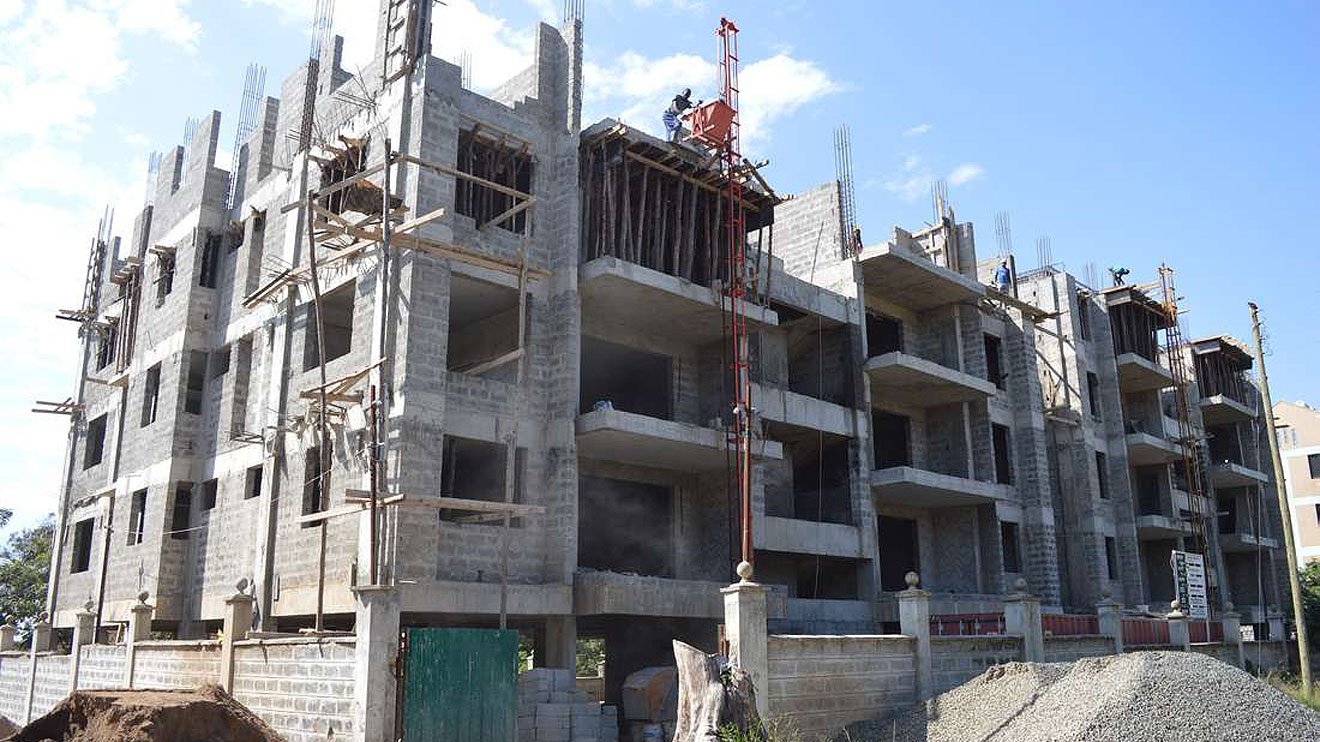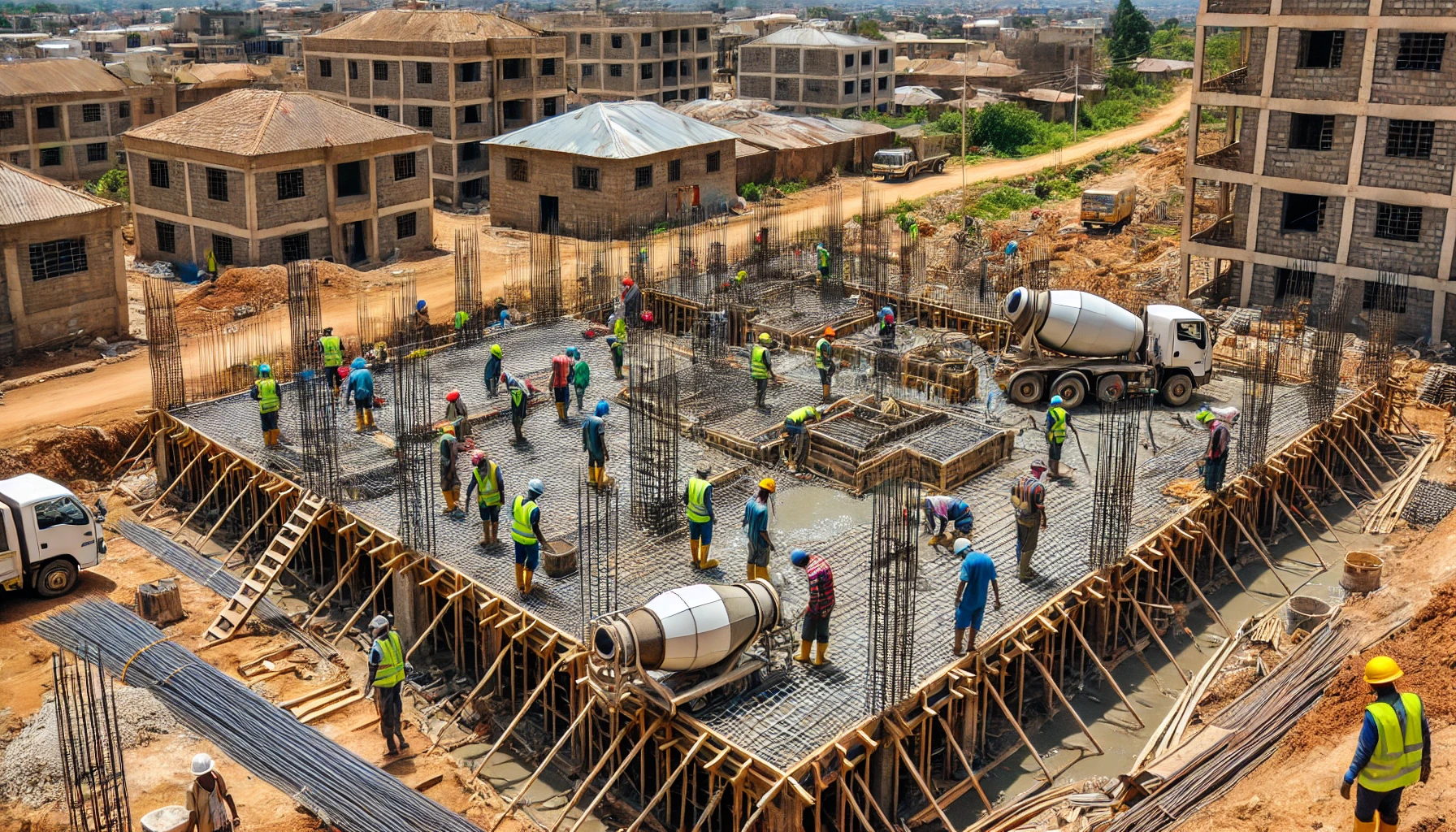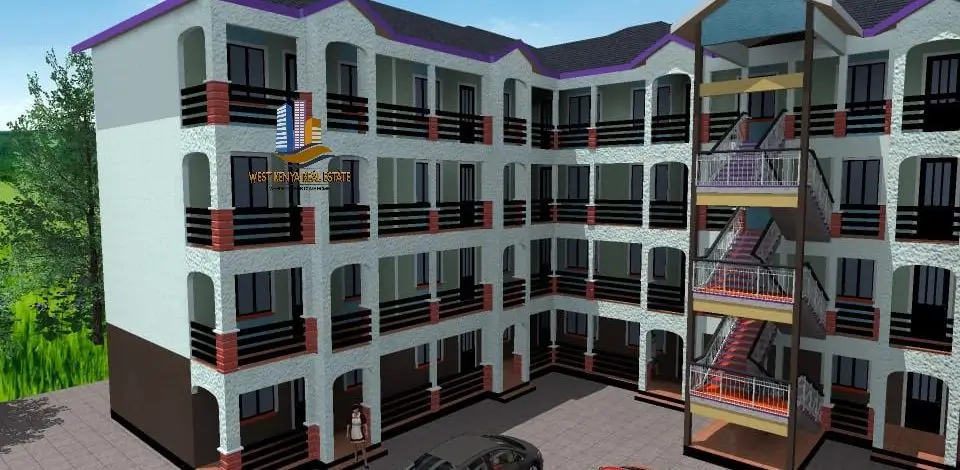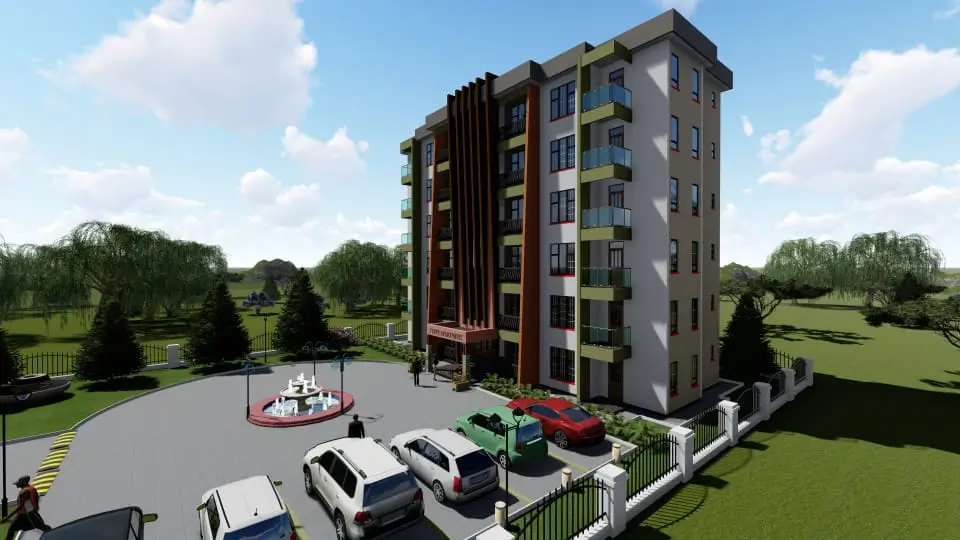

Most stalled apartment blocks in Kenya did not fail because of bad design. They failed because the money ran out half-way. Financing an apartment project in Kenya takes as much planning as the building itself: you need to know where every shilling will come from, when it will arrive, and what each lender will ask for before releasing it.
This guide explains the main ways Kenyan developers fund rental apartments, from bank construction loans and SACCO loans to joint ventures with landowners and phased self-funding, and shows how to combine them into a funding plan. It builds on our apartment construction in Kenya beginner guide.
Planning rental apartments? Get a free apartment estimate and BQ-based budget you can take to your lender: WhatsApp 0789 217 685
Step 1: Know the full cost before you look for money
No lender or partner will take you seriously with a rough guess. Start with approved drawings, a bill of quantities (BQ) and a feasibility study for your apartment that shows expected rent, occupancy and payback.
For a first estimate, Integrum’s indicative 2026 rates put a standard low-rise apartment block at about KSh 61,610 per m² in the Nairobi region and KSh 66,510 per m² in Western & Nyanza. A block of about 700 m² of floor area (for example, a mix of one- and two-bedroom units over three or four floors) would therefore cost roughly:
- Nairobi region: 700 × 61,610 = KSh 43,127,000
- Western & Nyanza: 700 × 66,510 = KSh 46,557,000
These are indicative building costs only. Add professional fees, approvals, utility connections, external works and a contingency, plus interest during construction if you borrow.
Option 1: Bank construction loans
Several Kenyan banks offer development or construction loans for income-producing property. They work differently from a normal mortgage:
- Staged drawdowns. The bank releases money in instalments as work is completed, usually after its valuer or quantity surveyor inspects the site and confirms each stage.
- Your contribution comes first. Banks normally expect you to put in your own share (often the land plus cash) before they release their part. Ask each bank for its exact percentage.
- Security. The land title is charged to the bank, and a professional valuation is required. Our guide on property valuation for a mortgage in Kenya explains how lenders use valuation reports.
- Interest cost. Bank lending rates follow the Central Bank Rate, which the Central Bank of Kenya lists at 8.75% (set 7 October 2026). Get written quotes and include interest during construction in your budget.
Typical documents banks ask for: title deed and official search, approved architectural and structural drawings, NEMA and county approvals, BQ and construction programme, the contractor’s details and contract, a feasibility or cash-flow projection, a valuation report, and your own financial statements or payslips.
Option 2: SACCO development loans
Many first-time developers fund part of their block through their SACCO. SACCO loans are usually linked to your savings or share deposits and may need guarantors or a charge over property. Before you rely on one, confirm that your SACCO is licensed: the Sacco Societies Regulatory Authority (SASRA) licenses SACCOs to take deposits and supervises them.
SACCO funds work best for a defined stage, for example the foundation and ground floor, rather than the whole block. If your SACCO requires a valuation, see our guide on property valuation for SACCO loans.
Option 3: Joint venture with a landowner
In a joint venture, a landowner contributes the land and a developer funds and manages construction. The finished units, or the rental income, are then shared in agreed proportions. It removes the cost of buying land, which is often the biggest single cost in towns like Kisumu, Ruiru or Kitengela.
What to agree in writing, with an advocate:
- Who contributes what (land, cash, drawings, approvals, supervision).
- How units or income are split, and which units each party gets.
- What happens if construction stops or one party cannot pay.
- How the title is handled and when units are transferred.
- Who appoints the contractor and approves payments.
Option 4: Off-plan sales or pre-leasing
Some developers sell units before completion and use deposits to fund construction. This can work for well-located projects, but it carries legal and reputational risk: buyers expect delivery on time. Use an advocate to draft sale agreements, keep buyer funds separate and accounted for, and do not start selling until approvals are in place and the first phase is funded. For pure rental projects, a softer version is pre-agreeing leases with an institution or employer near the site.
Option 5: Phased self-funding
Many Kenyan blocks are built floor by floor from savings and rental income. Done properly, with the full structure designed at the start, it avoids debt altogether. Our guide to phased apartment construction in Kenya explains how to plan each phase so the building is never left exposed.
Example: a funding plan for a KSh 46.6 million block
The table below is an illustration only, using the Western & Nyanza estimate above. Your mix will depend on what lenders offer you.
| Source | Share | Amount (KSh) | Used for |
|---|---|---|---|
| Own savings and SACCO loan | 30% | 13,967,100 | Foundation, ground floor slab |
| Bank construction loan (staged) | 70% | 32,589,900 | Upper floors, roofing, finishes |
| Total | 100% | 46,557,000 |
Common financing mistakes
- Starting construction before the full funding plan is confirmed in writing.
- Borrowing for the whole project but forgetting interest during construction.
- Using a budget from a different region; costs per m² in Western & Nyanza and Nairobi differ.
- Paying the contractor ahead of work done. Link payments to measured stages; see payment schedules in apartment projects.
- No contingency. Leave room for price changes in cement, steel and finishes.
Questions to ask any lender or partner
- What share of the cost must I contribute, and in what form?
- How are drawdowns approved, and how long does each release take?
- What fees apply (arrangement, valuation, legal, insurance)?
- Can the loan convert to a long-term facility once the block is let?
- What happens if construction is delayed?
A clear design helps every conversation. If you are still choosing a layout, our apartment plan for 1- and 2-bedroom units is a practical starting point for a rental block.
Planning rental apartments?
Send us your plot location and size and the number of units you have in mind. Our NCA-registered Design & Build team (Kisumu and Nairobi offices) will prepare a free apartment estimate and a phased budget you can take to your bank or SACCO.
Or call 0789 217 685 / 0724 481 087.