Discover modern apartment designs in Kenya, including floor plans, interior trends, construction costs, smart features, and best locations for investment in 2026.
Introduction: Why Modern Apartment Designs Are Transforming Kenya’s Real Estate Market
Kenya’s real estate sector has experienced significant growth over the past decade, driven by rapid urbanization, population growth, and increasing demand for quality housing. As more people migrate to urban centers in search of employment, education, and better living standards, cities such as Nairobi, Mombasa, Kisumu, Nakuru, and Eldoret are witnessing an unprecedented need for residential developments. This demand has positioned apartment living as one of the most practical and profitable housing solutions in the country.
Unlike traditional apartment blocks that primarily focused on maximizing occupancy, modern apartment designs in Kenya emphasize a balance between functionality, comfort, aesthetics, and sustainability. Today’s residents seek homes that offer efficient space utilization, natural lighting, enhanced security, contemporary finishes, and modern amenities that support a convenient urban lifestyle. As a result, developers and architects are increasingly embracing innovative design concepts that cater to changing market preferences.
The shift toward contemporary apartment architecture is also influenced by the growing importance of investment returns. Well-designed apartments attract higher occupancy rates, command better rental yields, and enjoy stronger long-term property value appreciation. Features such as smart home technology, energy-efficient systems, attractive facades, and flexible living spaces have become key differentiators in Kenya’s competitive property market.
In this comprehensive guide, we explore the latest modern apartment design trends in Kenya, popular apartment types and floor plans, interior and exterior design ideas, sustainability features, construction costs, regulatory requirements, and future innovations shaping the industry. Whether you are a homeowner, property investor, architect, or developer, this article will provide valuable insights to help you create or invest in apartments that meet today’s market demands and remain relevant for years to come.
What Defines a Modern Apartment Design in Kenya?
Modern apartment designs in Kenya have evolved significantly to meet the changing needs of urban residents, property investors, and developers. Unlike older apartment buildings that prioritized basic accommodation, contemporary designs focus on creating comfortable, functional, and visually appealing living spaces. Modern apartments combine efficient space planning, high-quality finishes, sustainability features, and innovative architectural concepts to enhance the overall living experience. As urban populations continue to grow, modern apartment developments have become an essential solution for addressing housing demand while maintaining quality and convenience.
Key Characteristics of Modern Apartments
Modern apartments are distinguished by their emphasis on functionality, simplicity, and comfort. One of the most notable features is the use of open-plan layouts that seamlessly connect living rooms, dining areas, and kitchens to create a spacious feel. Minimalist aesthetics, clean lines, and uncluttered interiors contribute to a contemporary appearance that appeals to many residents. Large windows are commonly incorporated to maximize natural lighting, reducing reliance on artificial lighting during the day. Improved ventilation systems enhance indoor comfort, particularly in Kenya’s warm climate. Additionally, modern finishes such as stylish flooring, fitted kitchens, elegant bathroom fixtures, and high-quality cabinetry help elevate the overall appeal and value of the property.
Evolution of Apartment Architecture in Kenya
Apartment architecture in Kenya has undergone a remarkable transformation over the years. Earlier apartment developments primarily focused on maximizing the number of units within limited urban land. While functional, many lacked sufficient lighting, ventilation, and aesthetic appeal. Today, architects and developers prioritize resident comfort, sustainability, and modern lifestyles. Contemporary apartment buildings feature attractive facades, efficient floor plans, integrated parking solutions, landscaped outdoor areas, and energy-efficient technologies. Advances in construction methods and changing consumer preferences have also encouraged the adoption of innovative architectural designs that balance practicality with visual appeal, resulting in more attractive and marketable developments.
Why Buyers and Tenants Prefer Modern Designs
Modern apartment designs continue to attract buyers and tenants because they align with current lifestyle expectations. Open layouts provide greater flexibility and make spaces feel larger and more inviting. Abundant natural lighting creates brighter interiors while helping reduce energy costs. Improved ventilation contributes to healthier indoor environments and increased comfort throughout the year. Modern finishes offer a premium living experience and require less maintenance compared to outdated materials. Furthermore, contemporary apartments often include enhanced security systems, ample parking, recreational amenities, and smart home features. These advantages make modern apartments highly desirable for urban residents seeking convenience, comfort, and long-term value.
Factors Driving Demand for Modern Apartment Designs in Kenya
The growing popularity of modern apartment designs in Kenya is influenced by several economic, demographic, and social factors. As cities continue to expand and land becomes increasingly scarce, apartments have emerged as a practical solution for accommodating urban populations. Developers are responding by creating modern residential developments that maximize available space while providing comfort, convenience, and attractive living environments. Understanding these factors helps explain why apartment construction continues to dominate Kenya’s urban real estate market.
Rapid Urbanization
Kenya is experiencing rapid urbanization as people migrate from rural areas to cities in search of employment opportunities, education, healthcare, and improved living standards. Major urban centers such as Nairobi, Mombasa, Kisumu, Nakuru, and Eldoret continue to attract new residents every year. This population influx has significantly increased the demand for housing, making apartment developments an efficient way to accommodate growing urban populations. Modern apartment designs offer a practical solution by providing quality housing within limited urban spaces while meeting the lifestyle needs of city dwellers.
Rising Land Prices
Land values in major Kenyan cities have risen steadily over the years, making standalone housing developments increasingly expensive. Developers are turning to apartment projects because they allow multiple residential units to be built on a single parcel of land, maximizing investment returns. High-density developments help spread land acquisition costs across many units, making apartments a more financially viable option for both developers and buyers in prime urban locations.
Population Growth
Kenya’s growing population continues to place pressure on the housing sector. As the number of households increases, so does the need for safe, comfortable, and accessible housing. Apartment developments provide an effective way to meet this demand without requiring large amounts of land. Modern apartment designs also cater to diverse market segments, including young professionals, families, students, and retirees, making them suitable for a wide range of residents.
Demand for Affordable Urban Housing
The need for affordable housing remains one of Kenya’s biggest real estate challenges. Many urban residents seek homes that balance cost, convenience, and quality. Modern apartment developments help address this need by offering relatively affordable housing options compared to standalone homes in similar locations. Through efficient space planning, shared amenities, and optimized construction methods, developers can create apartments that remain accessible to middle-income earners while still delivering modern features, security, and comfortable living environments.
Essential Features of Modern Apartment Designs
Modern apartment designs prioritize comfort, functionality, efficiency, and aesthetics. Today’s residents expect homes that maximize available space while creating a pleasant living environment. Architects and developers achieve this by incorporating innovative design elements that improve convenience, enhance visual appeal, and support modern lifestyles. From open layouts to smart storage solutions, these features help modern apartments stand out in Kenya’s competitive real estate market.
Open-Plan Living Areas
Open-plan living areas are among the most recognizable features of modern apartment design. Instead of separating living rooms, dining spaces, and kitchens with multiple walls, these areas are integrated into one seamless space. This design creates a sense of openness, improves movement throughout the apartment, and allows residents to interact more easily. Open layouts also make smaller apartments appear larger and more welcoming while providing greater flexibility in furniture arrangement and interior decoration.
Large Windows and Natural Lighting
Natural lighting plays a vital role in modern apartment design. Large windows allow sunlight to penetrate deeper into interior spaces, creating bright and inviting rooms. Well-lit apartments often feel more spacious and comfortable while reducing the need for artificial lighting during the day. In addition to enhancing aesthetics, large windows can improve energy efficiency and provide attractive views of the surrounding environment. Proper window placement also contributes to healthier and more enjoyable living spaces.
Smart Space Utilization
Efficient use of available space is essential in apartment living. Modern apartment designs incorporate smart space-planning strategies that maximize functionality without compromising comfort. Built-in storage units, multifunctional furniture, optimized room layouts, and carefully planned circulation areas help residents make the most of limited square footage. Effective space utilization ensures that every area serves a purpose, making apartments practical for individuals, couples, and families alike.
Contemporary Kitchens
Modern apartments feature stylish and highly functional kitchens designed to meet contemporary lifestyle needs. Common features include fitted cabinets, durable countertops, modern appliances, and efficient storage solutions. Open-concept kitchens often connect directly to dining and living areas, promoting convenience and social interaction. These kitchens combine practicality with visual appeal, making them a key selling point for many apartment buyers and tenants.
Modern Bathrooms
Today’s apartment bathrooms emphasize cleanliness, comfort, and elegant design. Features such as quality sanitary fittings, sleek vanities, walk-in showers, and modern tiling create a sophisticated appearance. Good lighting and ventilation further enhance functionality while ensuring a pleasant user experience.
Private Balconies
Private balconies provide residents with valuable outdoor space for relaxation, fresh air, and scenic views. They enhance the overall living experience by creating a connection between indoor and outdoor environments while increasing the apartment’s appeal and value.
Flexible Home Office Spaces
The rise of remote and hybrid work has increased demand for dedicated work areas within apartments. Modern designs often include flexible spaces that can function as home offices, study corners, or multipurpose rooms, providing residents with greater adaptability and convenience.
Popular Types of Modern Apartment Designs in Kenya
Modern apartment developments in Kenya cater to a wide range of residents, from students and young professionals to growing families and high-income investors. Different apartment types are designed to meet varying lifestyle needs, budgets, and space requirements. As urban housing demand continues to rise, developers are increasingly offering diverse apartment options that combine functionality, comfort, and contemporary design features. Understanding the characteristics of each apartment type can help buyers, tenants, and investors make informed decisions.
Studio Apartments
Studio apartments are among the most compact and affordable housing options available in Kenya’s urban centers. They typically feature a single open space that combines the living area, bedroom, and kitchenette, with a separate bathroom. These units are ideal for students, young professionals, and individuals seeking affordable accommodation near workplaces or educational institutions. Modern studio apartments maximize limited space through smart layouts, multifunctional furniture, and efficient storage solutions, making them both practical and comfortable.
One-Bedroom Apartments
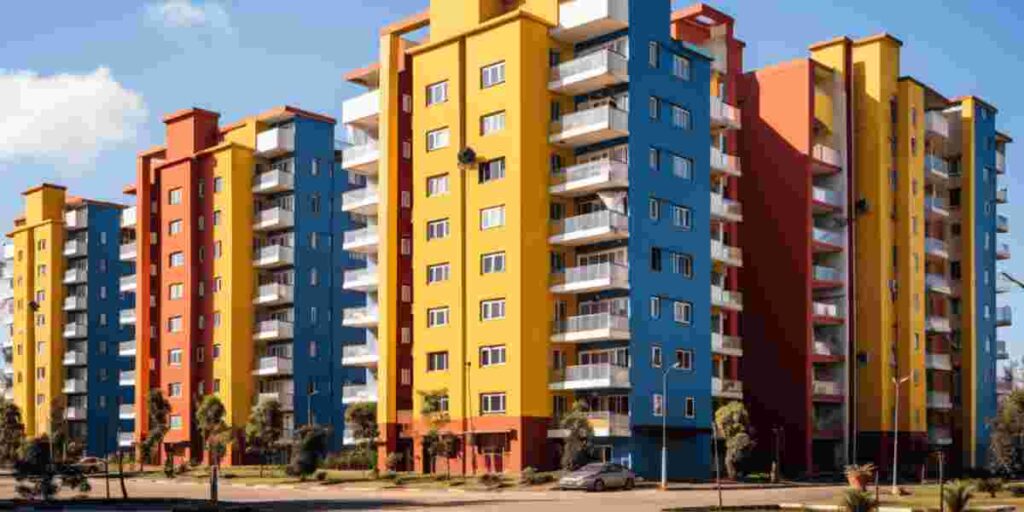
One-bedroom apartments are a popular choice for single professionals, young couples, and small households. They provide greater privacy by separating the bedroom from the living and dining areas. Modern one-bedroom designs often incorporate open-plan living spaces, contemporary kitchens, ample storage, and quality finishes. Their balance between affordability and comfort makes them highly attractive to both tenants and property investors seeking strong rental demand in urban areas.
Two-Bedroom Apartment Designs
Two-bedroom apartments are among the most common apartment types in Kenya due to their versatility and broad market appeal. They are suitable for small families, roommates, young professionals, and investors targeting long-term tenants. Modern two-bedroom designs typically include a spacious living room, dining area, fitted kitchen, one or two bathrooms, and private balconies. Architects focus on efficient room layouts that maximize usable space while maintaining privacy between living and sleeping areas. Their affordability, practicality, and strong rental potential make them a preferred option in many residential developments across the country.
Three-Bedroom Apartment Designs
Three-bedroom apartments are designed to accommodate larger families and residents seeking additional space. These units often feature a master ensuite bedroom, multiple bathrooms, generous living and dining areas, and larger kitchens. Many modern three-bedroom apartments also include dedicated study areas, laundry spaces, and ample storage. Their spacious layouts provide flexibility for families with children or individuals who work from home. As demand for comfortable family housing increases in urban areas, three-bedroom apartments continue to be a valuable segment of Kenya’s residential property market.
Luxury Apartments and Penthouses
Luxury apartments and penthouses represent the premium end of the apartment market. These properties are designed for buyers and tenants seeking exclusivity, superior comfort, and high-end amenities. Features often include expansive floor plans, premium finishes, designer kitchens, smart home technology, private terraces, panoramic views, and enhanced security systems. Many luxury developments also provide amenities such as swimming pools, fitness centers, rooftop lounges, landscaped gardens, and concierge services. Located in prime neighborhoods and high-demand investment areas, luxury apartments and penthouses command higher rental rates and property values while offering residents an exceptional living experience that combines sophistication, convenience, and prestige.
Modern Apartment Floor Plans and Layout Strategies
A well-designed floor plan is the foundation of every successful apartment development. Beyond aesthetics, the layout of an apartment directly influences comfort, functionality, privacy, and long-term property value. Modern apartment floor plans in Kenya are carefully planned to maximize usable space, improve resident experience, and meet the expectations of today’s urban dwellers. By integrating efficient layouts, natural ventilation, privacy features, and adequate parking solutions, developers can create apartments that remain attractive to both buyers and tenants.
Efficient Space Planning
Efficient space planning is essential in modern apartment design, especially in urban areas where land is limited and construction costs continue to rise. Architects carefully arrange rooms, corridors, and service areas to eliminate wasted space while enhancing functionality. Open-plan living and dining areas, built-in storage solutions, and strategically positioned kitchens help maximize usable floor space. Well-planned apartments provide comfortable living environments without requiring excessively large floor areas, making them both cost-effective and practical for residents.
Maximizing Natural Ventilation
Natural ventilation plays a crucial role in creating healthy and comfortable living spaces. Modern apartment floor plans are designed to encourage cross-ventilation by positioning windows and openings on opposite sides of rooms whenever possible. This allows fresh air to circulate freely throughout the apartment, reducing heat buildup and improving indoor air quality. Effective ventilation can also lower dependence on mechanical cooling systems, helping residents reduce energy consumption and utility costs.
Privacy Considerations
Privacy remains a key factor in apartment design. Modern layouts separate private spaces such as bedrooms from common areas like living rooms and kitchens to minimize disturbances. Careful placement of doors, windows, balconies, and shared corridors helps prevent direct views into private living spaces. Sound insulation measures and strategic unit orientation further enhance privacy, ensuring residents can enjoy a peaceful and comfortable home environment even in high-density developments.
Shared Spaces and Circulation
Efficient circulation improves movement throughout an apartment building and enhances overall user experience. Well-designed corridors, staircases, elevators, and common areas allow residents to move safely and conveniently between different sections of the building. Shared amenities such as lounges, recreational spaces, and landscaped courtyards should also be easily accessible while maintaining an organized flow of movement throughout the development.
Parking Integration
Parking is an increasingly important consideration in modern apartment developments across Kenya. Successful floor plans incorporate adequate parking facilities without compromising living spaces or outdoor amenities. Depending on project size and location, developers may use ground-level parking, basement parking, or multi-level parking structures. Proper parking integration improves convenience for residents, enhances property value, and helps developments comply with local planning and approval requirements while supporting the growing number of vehicle owners in urban areas.
Exterior Architectural Styles for Modern Apartments
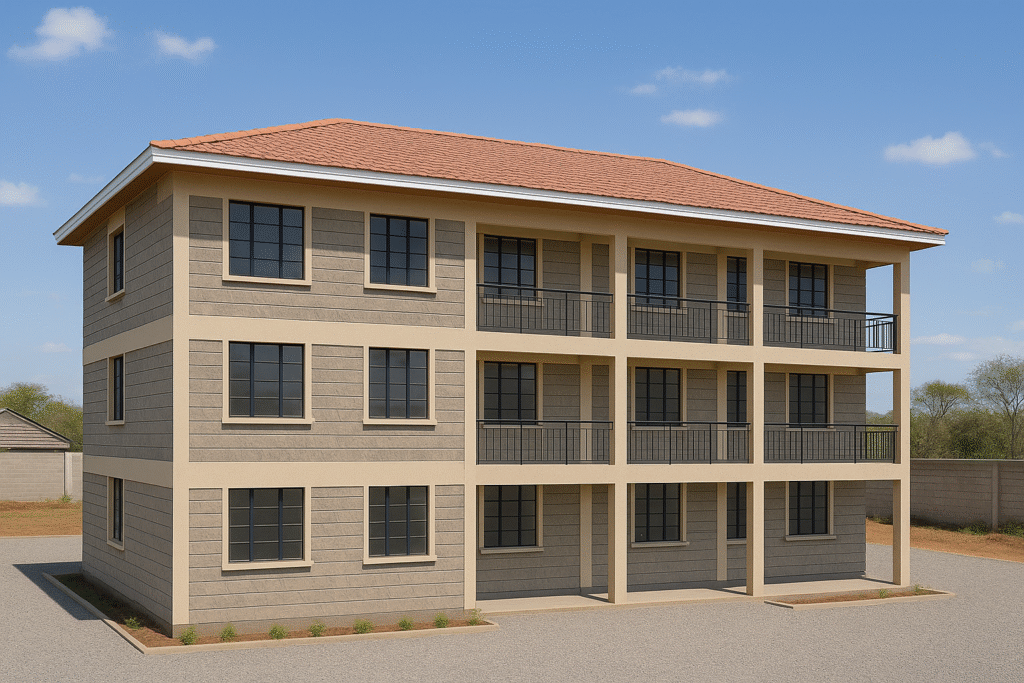
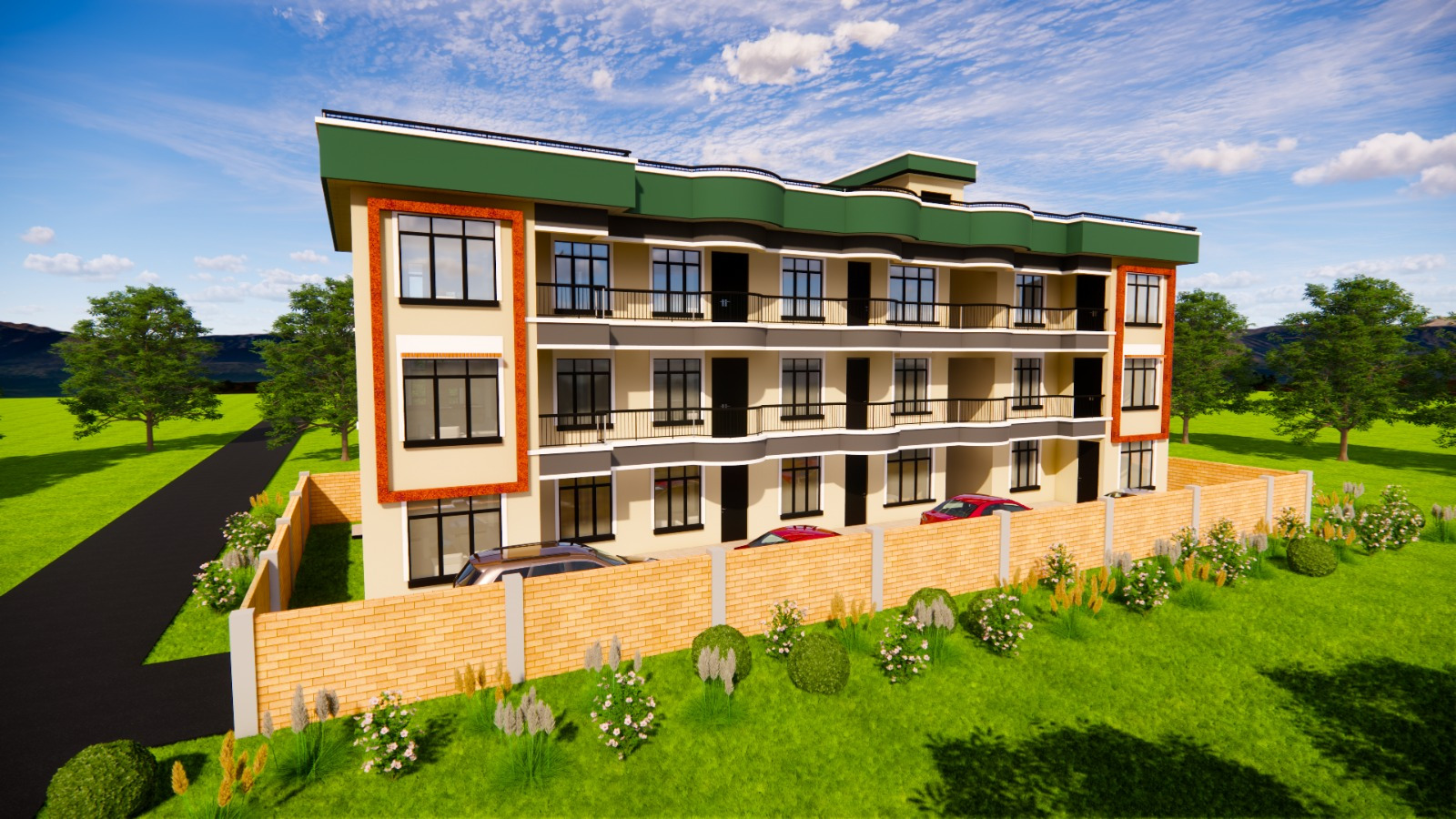
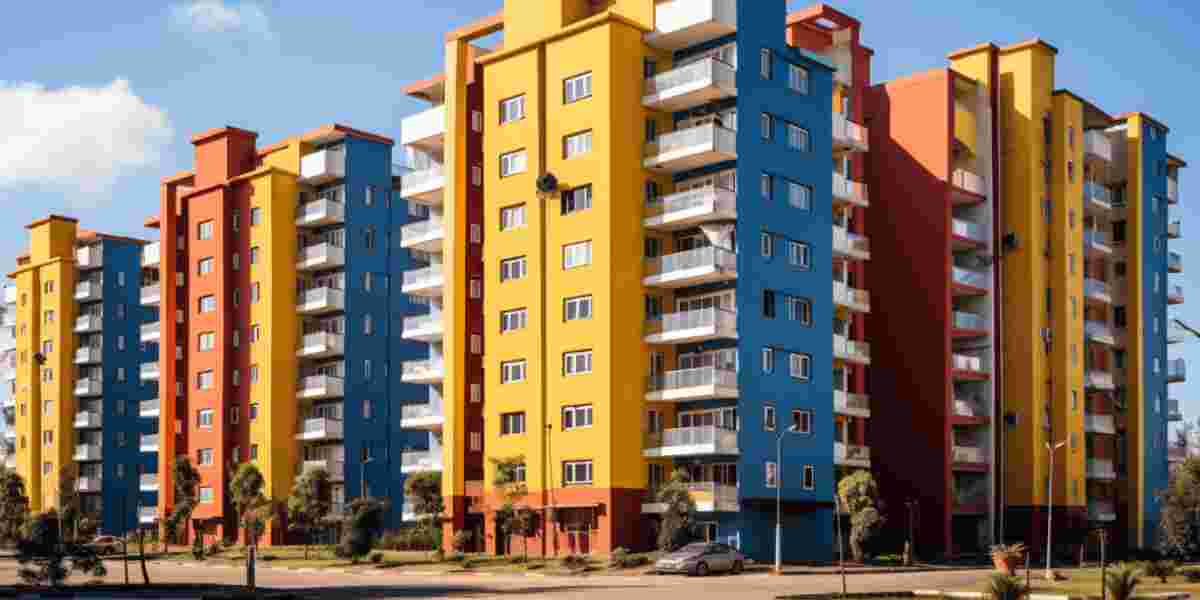
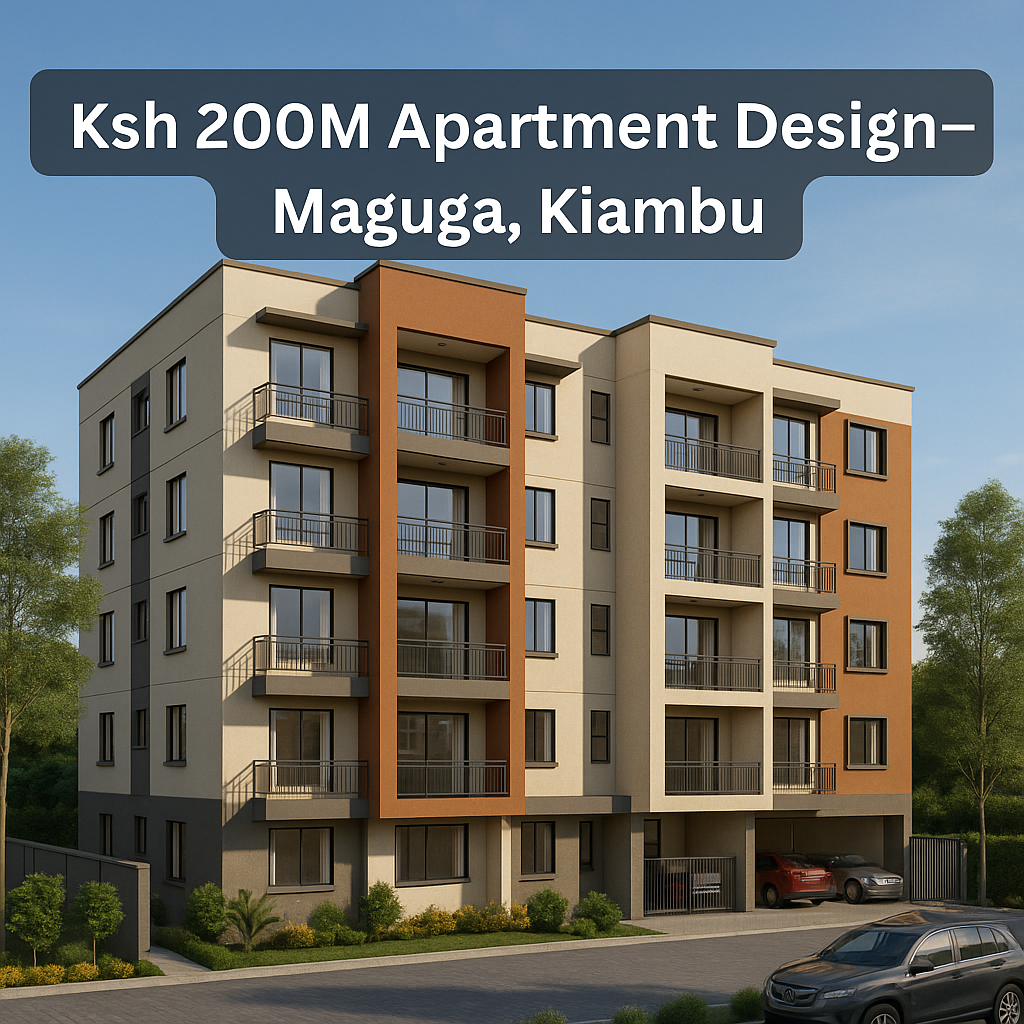
The exterior appearance of an apartment building plays a significant role in determining its market appeal, property value, and overall architectural identity. Modern apartment developments in Kenya increasingly feature contemporary designs that combine aesthetics, functionality, and durability. Developers and architects are moving away from plain, repetitive facades and embracing innovative architectural styles that create visually striking and competitive residential properties. The choice of exterior design not only enhances curb appeal but also contributes to sustainability, maintenance efficiency, and long-term investment performance.
Contemporary Flat Roof Designs
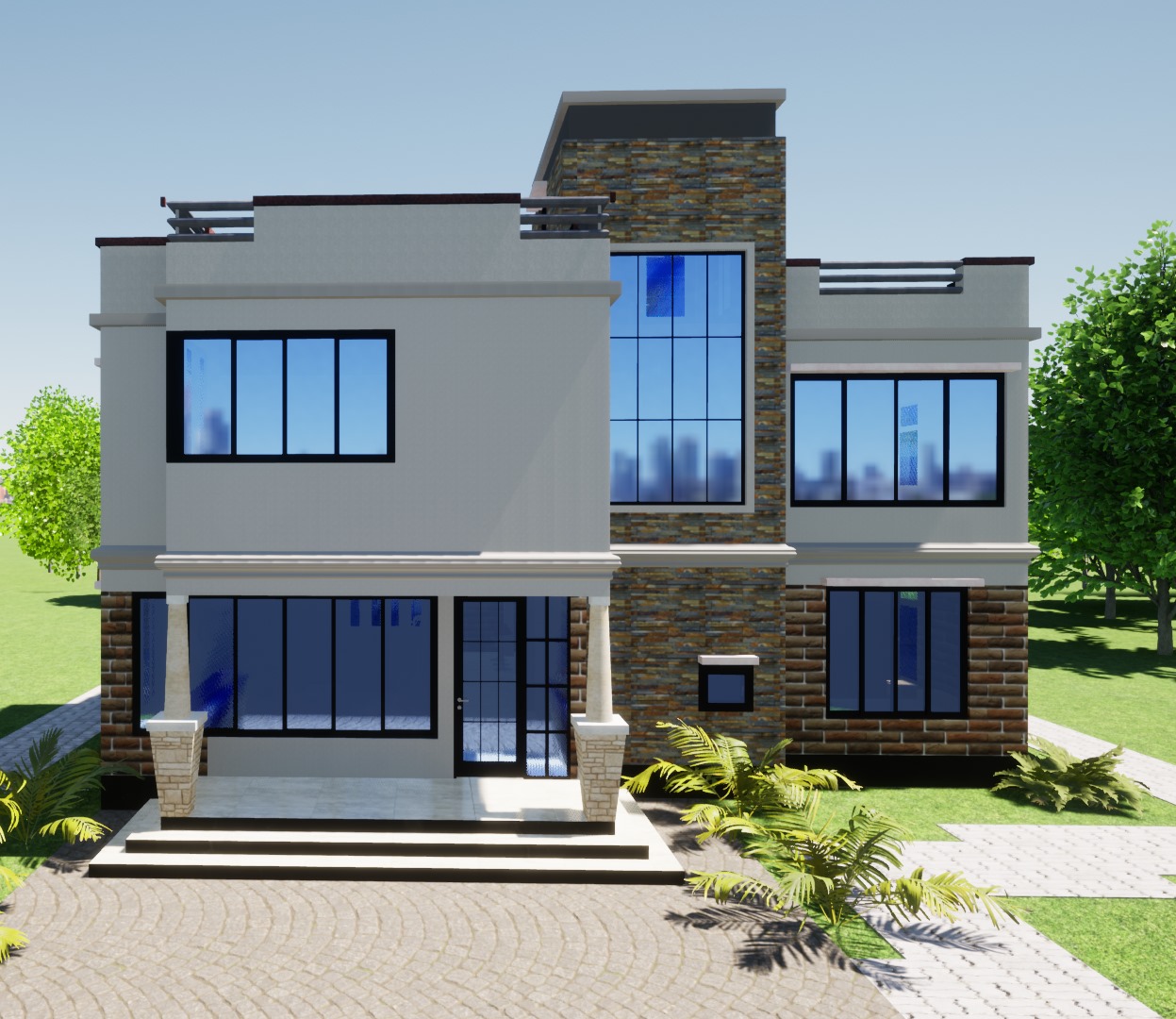
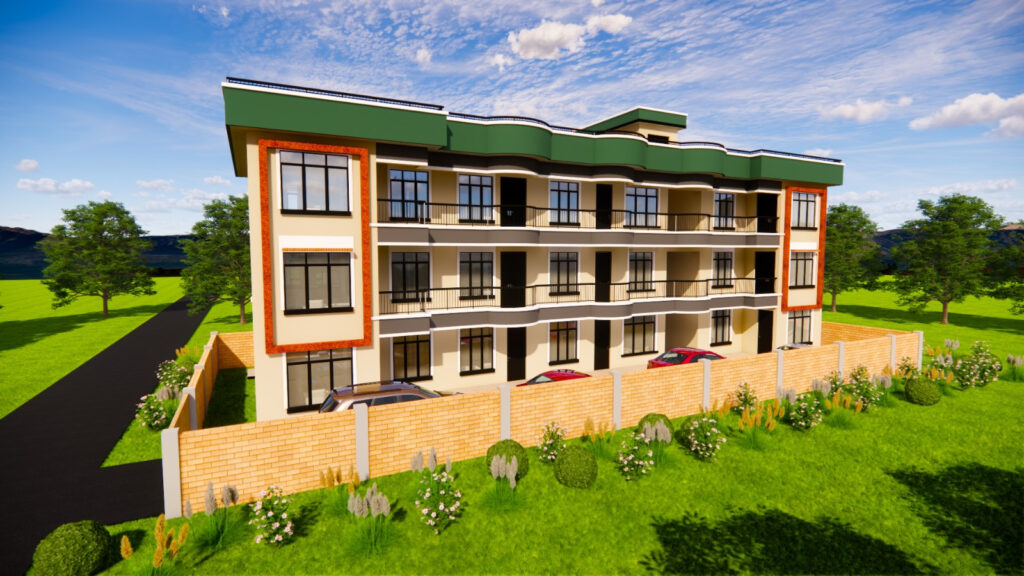
Flat roof designs have become a defining feature of modern apartment architecture in Kenya. Their clean lines and minimalist appearance create a sleek and sophisticated look that appeals to contemporary buyers and tenants. Flat roofs also provide practical advantages, including easier installation of solar panels, water tanks, rooftop gardens, and recreational spaces. In addition, they can reduce construction complexity while offering opportunities for future expansion and the integration of modern building technologies.
Glass and Steel Facades
Glass and steel facades are increasingly popular in upscale apartment developments due to their modern and elegant appearance. Large glass panels create a sense of openness while allowing natural light to penetrate interior spaces. Steel elements add strength, durability, and a contemporary architectural character. Together, these materials create visually impressive buildings that project luxury and innovation. When properly designed, glass and steel facades can also improve energy efficiency and enhance the overall aesthetic value of a development.
Stone-Clad Exteriors
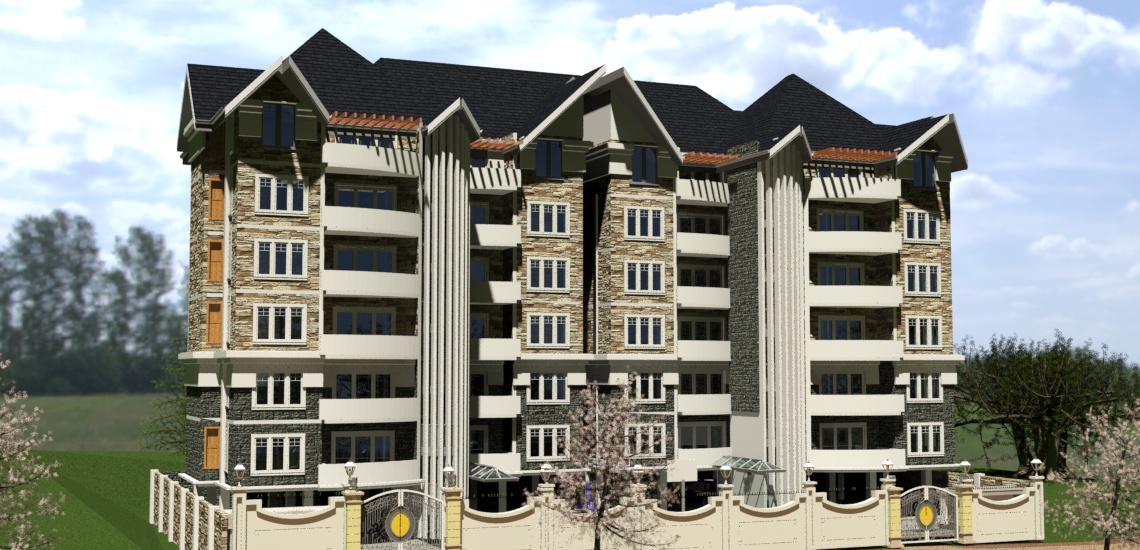
Stone cladding is widely used to add texture, character, and durability to modern apartment buildings. Natural or engineered stone finishes create a timeless appearance that blends contemporary design with natural elements. Stone-clad facades are highly resistant to weathering and require relatively low maintenance, making them a practical long-term investment. They also contribute to a premium look that enhances the perceived value and prestige of residential developments.
Mixed Material Finishes
Modern apartment facades often combine multiple materials to create depth, contrast, and visual interest. Common combinations include stone, glass, steel, concrete, timber accents, and decorative panels. By blending different textures and finishes, architects can break the monotony of large building surfaces and create unique architectural identities. Mixed material designs allow developers to achieve a balance between aesthetics, durability, and cost while ensuring the building stands out in a competitive real estate market.
Green Building Facades
Sustainability is becoming an important consideration in apartment design, leading to the adoption of green building facades. These designs may incorporate vertical gardens, climbing plants, shaded balconies, energy-efficient materials, and environmentally friendly construction techniques. Green facades help improve building insulation, reduce heat absorption, and enhance environmental performance. In addition to supporting sustainability goals, they create attractive living environments that appeal to environmentally conscious buyers and tenants while contributing positively to the surrounding urban landscape.
Interior Design Trends in Modern Kenyan Apartments
Interior design plays a crucial role in shaping the comfort, functionality, and visual appeal of modern apartments. As lifestyles continue to evolve, homeowners, tenants, and developers are embracing contemporary design trends that maximize space while creating elegant and practical living environments. Modern Kenyan apartments increasingly combine global design influences with local cultural elements to achieve interiors that are stylish, functional, and suited to urban living. These emerging trends help apartments remain attractive, comfortable, and competitive in the real estate market.
Minimalist Interiors
Minimalism has become one of the most popular interior design approaches in modern apartments. This style focuses on simplicity, clean lines, and clutter-free spaces that promote a sense of calm and order. Furniture and décor are carefully selected to serve both functional and aesthetic purposes without overwhelming the room. By reducing unnecessary elements, minimalist interiors make apartments feel more spacious, organized, and visually appealing while simplifying maintenance and everyday living.
Neutral Color Palettes
Neutral color schemes continue to dominate modern apartment interiors due to their timeless appeal and versatility. Shades such as white, beige, cream, gray, and soft earth tones create bright and welcoming spaces while making rooms appear larger. Neutral colors also provide an excellent backdrop for decorative accents, artwork, and furniture, allowing residents to personalize their homes without compromising the overall design harmony.
Multifunctional Furniture
As urban living spaces become more compact, multifunctional furniture has become increasingly important. Modern apartments often incorporate furniture pieces that serve multiple purposes, such as sofa beds, expandable dining tables, storage ottomans, and foldable workstations. These solutions help maximize available space while improving flexibility and convenience. Multifunctional furniture is particularly valuable in studio and one-bedroom apartments where efficient space utilization is essential.
Smart Storage Solutions
Effective storage is a key component of successful apartment design. Modern interiors feature innovative storage solutions such as built-in wardrobes, under-bed storage compartments, floating shelves, and concealed cabinetry. These features help reduce clutter while maintaining a clean and organized appearance. Smart storage design ensures residents can comfortably accommodate their belongings without sacrificing valuable living space.
Biophilic Design Concepts
Biophilic design focuses on strengthening the connection between indoor spaces and nature. Modern apartments increasingly incorporate natural elements such as indoor plants, natural wood finishes, stone textures, and large windows that provide outdoor views. These features create healthier and more relaxing environments while improving air quality and overall well-being. Biophilic design also enhances aesthetic appeal by introducing warmth and natural beauty into interior spaces.
African Contemporary Interior Themes
African contemporary design is gaining popularity in Kenyan apartments as residents seek to celebrate local culture while maintaining a modern aesthetic. This style blends contemporary furniture and finishes with African-inspired artwork, textiles, patterns, and handcrafted décor pieces. Natural materials, earthy colors, and locally sourced design elements add character and authenticity to living spaces. The result is a unique interior that reflects cultural heritage while embracing modern comfort and sophistication.
Sustainable and Eco-Friendly Apartment Designs
Sustainability has become a key consideration in modern apartment development as property owners, developers, and residents seek ways to reduce environmental impact while lowering operating costs. Eco-friendly apartment designs incorporate energy-efficient systems, water conservation measures, and sustainable construction materials to create healthier and more resource-efficient living environments. In Kenya, the growing focus on green building practices is driving the adoption of innovative solutions that improve long-term property value while supporting environmental conservation.
Solar Energy Systems
Solar energy has become one of the most effective sustainability solutions for modern apartment developments. Kenya’s abundant sunshine makes solar power a practical option for reducing dependence on the national electricity grid. Apartment buildings can utilize solar panels to power common areas, security lighting, water heating systems, and other shared facilities. In addition to lowering energy costs, solar installations help reduce carbon emissions and improve the overall sustainability profile of a development.
Rainwater Harvesting
Rainwater harvesting systems are increasingly being integrated into modern apartment designs to support water conservation efforts. These systems collect and store rainwater from rooftops for non-potable uses such as landscape irrigation, cleaning, and toilet flushing. By reducing reliance on municipal water supplies, rainwater harvesting helps lower utility costs while improving water security during periods of scarcity. It also contributes to responsible resource management and environmental sustainability.
Energy-Efficient Lighting
Energy-efficient lighting is a simple yet highly effective feature in eco-friendly apartment developments. The use of LED lighting systems significantly reduces electricity consumption compared to traditional lighting technologies. Motion sensors, automated controls, and smart lighting solutions further enhance efficiency by ensuring lights are only used when necessary. These measures help lower energy bills while reducing the building’s environmental footprint.
Green Roofs and Landscaped Spaces
Green roofs and thoughtfully landscaped outdoor spaces provide both environmental and aesthetic benefits. Rooftop gardens, planted terraces, and landscaped courtyards help reduce heat absorption, improve insulation, and enhance stormwater management. Vegetation also contributes to improved air quality and creates relaxing recreational spaces for residents. In densely populated urban areas, these green features provide valuable connections to nature while enhancing the overall appeal and sustainability of apartment developments.
Sustainable Building Materials
The selection of sustainable building materials plays an important role in eco-friendly apartment design. Developers are increasingly incorporating materials that are durable, locally sourced, recyclable, and environmentally responsible. Examples include sustainably harvested timber, recycled steel, low-emission paints, energy-efficient glazing, and locally manufactured construction products. Using sustainable materials can reduce environmental impact, support local industries, and improve the long-term performance and durability of apartment buildings.
Smart Apartment Technologies Shaping Kenya’s Future
Technology is rapidly transforming the way apartment buildings are designed, managed, and occupied. As urban residents increasingly seek convenience, security, and energy efficiency, smart technologies are becoming an essential feature of modern apartment developments in Kenya. From advanced security systems to intelligent energy management solutions, these innovations enhance the resident experience while improving operational efficiency for property owners and managers. Smart apartment technologies are expected to play an even greater role as Kenya’s real estate sector continues to evolve.
Smart Security Systems
Security remains a top priority for apartment residents, making smart security systems a valuable addition to modern developments. These systems often include CCTV surveillance, motion detectors, smart alarms, video intercoms, and remote monitoring capabilities. Property managers and residents can monitor activities in real time, enhancing safety and reducing security risks. Smart security technologies not only improve protection but also provide residents with greater peace of mind and confidence in their living environment.
Access Control and Digital Locks
Traditional keys are gradually being replaced by modern access control systems and digital locks. Residents can gain entry using keycards, PIN codes, biometric authentication, or smartphone applications. These systems improve convenience while reducing the risks associated with lost or duplicated keys. Access control technology also allows property managers to regulate entry into common areas, enhancing building security and ensuring only authorized individuals can access specific facilities.
Smart Lighting and Energy Monitoring
Smart lighting systems help optimize energy consumption by automatically adjusting lighting levels based on occupancy or natural light conditions. Residents can control lighting remotely through mobile applications, increasing convenience and efficiency. Energy monitoring systems provide real-time information about electricity usage, enabling occupants to identify opportunities for conservation. These technologies help lower utility costs while supporting sustainable living practices.
Integrated Property Management Systems
Modern apartment developments increasingly rely on integrated property management systems to streamline daily operations. These digital platforms assist with maintenance requests, visitor management, rent collection, communication, and facility scheduling. By automating administrative processes, property managers can improve efficiency and provide better service to residents. Integrated systems also enhance transparency and create a more organized residential environment.
Future Smart Living Trends
The future of apartment living in Kenya is expected to include greater integration of artificial intelligence, Internet of Things (IoT) devices, automated home controls, and predictive maintenance technologies. Smart homes will become more connected, efficient, and responsive to residents’ needs. As technology becomes more affordable and widely adopted, smart apartment features will increasingly shift from luxury additions to standard components of modern residential developments.
Cost of Designing and Building Modern Apartments in Kenya
Understanding the cost of designing and building modern apartments in Kenya is essential for developers, investors, and property owners planning residential projects. Apartment construction costs vary significantly depending on factors such as location, project size, building specifications, design complexity, and material selection. Accurate budgeting from the early planning stages helps prevent cost overruns, improves project management, and enhances investment returns. By understanding the major cost components, developers can make informed decisions that balance quality, functionality, and profitability.
Key Cost Factors
Several factors influence the overall cost of apartment development. Location plays a major role, as land prices, labor rates, and material transportation costs vary across different regions. Building height and structural complexity can significantly affect construction expenses, especially for projects requiring elevators, basements, or advanced engineering solutions. Other important factors include soil conditions, site accessibility, utility connections, regulatory approvals, and the quality of finishes selected. The number of units and amenities provided also contribute to the final project cost.
Design and Consultancy Fees
Professional consultancy services form an important part of the project budget. These fees typically cover architectural design, structural engineering, quantity surveying, mechanical and electrical engineering, project management, and approval documentation. While consultancy costs represent a relatively small percentage of the overall development budget, they are essential for ensuring compliance, quality, and efficient project execution. Investing in experienced professionals can help minimize costly design errors and construction delays.
Construction Costs per Square Meter
Construction costs are commonly estimated on a per-square-meter basis. The actual cost depends on factors such as building specifications, structural systems, finishing standards, and location. Basic apartment developments generally cost less than high-end or luxury projects that incorporate premium materials, advanced technologies, and specialized amenities. Developers should obtain detailed cost estimates and Bills of Quantities (BOQs) to accurately forecast project expenses and evaluate financial feasibility before commencing construction.
Finishing Costs
Finishes significantly influence both the appearance and cost of an apartment project. Flooring materials, kitchen fittings, sanitary ware, doors, windows, paint finishes, lighting fixtures, and cabinetry all contribute to the final budget. Premium finishes can enhance property value and attract higher-paying tenants or buyers, while carefully selected mid-range options can achieve an attractive balance between quality and affordability.
Cost-Saving Strategies
Developers can reduce project costs through efficient design, proper planning, and strategic procurement. Standardizing apartment layouts, sourcing materials locally, adopting cost-effective construction methods, and minimizing design changes during construction can generate substantial savings. Effective project supervision and accurate budgeting also help prevent waste, delays, and unexpected expenses, ultimately improving profitability without compromising quality or functionality.
Best Locations for Modern Apartment Developments in Kenya
Location is one of the most important factors influencing the success of an apartment development. Areas with strong population growth, economic activity, infrastructure development, and housing demand tend to offer better investment opportunities and long-term returns. As Kenya continues to urbanize, several cities and emerging towns have become attractive destinations for modern apartment projects. Developers who strategically select locations can benefit from higher occupancy rates, stronger rental yields, and increased property appreciation.
Nairobi
Nairobi remains Kenya’s largest and most active apartment market. As the country’s economic and administrative hub, the city attracts professionals, students, expatriates, and businesses, creating continuous demand for housing. Areas such as Kilimani, Kileleshwa, Westlands, South B, South C, Ruaka, and Kasarani have experienced significant apartment development in recent years. Strong infrastructure, employment opportunities, and access to social amenities make Nairobi a prime location for both affordable and high-end apartment projects.
Mombasa
Mombasa offers excellent opportunities for apartment development due to its status as Kenya’s leading coastal city and tourism center. The city’s growing population, thriving hospitality industry, and expanding business sector continue to drive demand for residential housing. Modern apartments in areas such as Nyali, Bamburi, and Shanzu are particularly attractive to both local residents and investors seeking rental income from long-term tenants and holiday accommodation markets.
Kisumu
Kisumu has emerged as one of Kenya’s fastest-growing real estate markets. As the commercial hub of western Kenya, the city continues to attract professionals, entrepreneurs, students, and government employees. Improved infrastructure, expanding business activities, and increasing urbanization have created strong demand for quality housing. Modern apartment developments are becoming increasingly popular as residents seek secure, convenient, and well-designed urban living spaces.
Nakuru
Nakuru’s rapid urban growth and strategic location along major transport corridors have strengthened its real estate sector. The city’s expanding population and growing commercial activities have increased demand for modern residential developments. Apartments offer an attractive solution for accommodating the city’s rising housing needs while maximizing available urban land.
Emerging Satellite Towns
Several satellite towns surrounding major cities are becoming hotspots for apartment development. Areas such as Ruaka, Ruiru, Juja, Syokimau, Kitengela, Athi River, and Ngong continue to attract developers due to relatively affordable land prices and improving infrastructure. These towns offer residents access to urban amenities while providing a more affordable alternative to city-center housing. As transportation networks improve, demand for modern apartments in these locations is expected to grow significantly.
Building Regulations and Approval Requirements in Kenya
Compliance with building regulations is a critical aspect of apartment development in Kenya. Before construction begins, developers must obtain various approvals and certifications to ensure projects meet legal, environmental, structural, and safety requirements. Adhering to these regulations helps prevent costly delays, penalties, and legal disputes while ensuring the safety and quality of the completed development. Understanding the approval process is essential for successful project planning and execution.
County Government Approvals
Every apartment project must receive approval from the relevant county government before construction can commence. Developers are typically required to submit architectural drawings, structural plans, site plans, ownership documents, and other supporting information for review. County authorities assess whether the proposed development complies with zoning regulations, land-use policies, building codes, and planning requirements. Obtaining county approval is one of the first and most important steps in the development process.
NCA Compliance
The National Construction Authority (NCA) plays a key role in regulating construction activities in Kenya. Apartment developments must be registered with the NCA before construction begins. Developers are required to engage qualified and registered contractors, consultants, and construction professionals. NCA compliance helps ensure projects meet established construction standards and promotes quality, safety, and accountability throughout the building process.
Environmental Requirements
Certain apartment developments may require environmental assessments to evaluate their potential impact on surrounding communities and ecosystems. Environmental compliance focuses on issues such as waste management, drainage systems, water usage, noise control, and pollution prevention. Incorporating environmentally responsible practices not only facilitates approvals but also supports sustainable development objectives and enhances the long-term viability of the project.
Fire and Safety Standards
Modern apartment developments must comply with fire and safety regulations designed to protect occupants and property. Common requirements include emergency exits, fire-resistant construction materials, fire detection systems, extinguishers, alarm systems, and adequate access for emergency services. Proper implementation of fire safety measures reduces risks and ensures residents can evacuate safely during emergencies.
Occupancy Certification
Before residents can legally occupy a completed apartment building, the project must undergo final inspections by the relevant authorities. These inspections verify that construction has been completed according to approved plans and applicable regulations. Once compliance is confirmed, an occupancy certificate or completion approval is issued, allowing the building to be safely occupied and utilized.
Common Mistakes to Avoid When Designing Apartments
Designing a successful apartment development requires more than creating an attractive building. Poor planning decisions can reduce functionality, increase operating costs, lower tenant satisfaction, and negatively impact long-term investment returns. By identifying and avoiding common design mistakes early in the planning process, developers can create apartments that are efficient, marketable, and sustainable. The following are some of the most frequent errors encountered in apartment developments.
Poor Space Planning
Inefficient space planning can result in cramped rooms, wasted floor areas, and uncomfortable living environments. Excessively large corridors, poorly positioned rooms, and inadequate storage spaces reduce functionality and tenant satisfaction. Effective apartment design should maximize usable space while ensuring smooth movement, comfort, and practicality throughout the unit.
Inadequate Parking
Insufficient parking is a common challenge in many apartment developments. As vehicle ownership continues to increase, residents expect convenient and secure parking facilities. Failure to provide adequate parking can lead to congestion, tenant dissatisfaction, and reduced property value. Developers should carefully assess parking requirements during the planning stage.
Ignoring Natural Ventilation
Poor ventilation can make apartments uncomfortable, especially in warm climates. Designs that fail to promote adequate airflow often result in higher indoor temperatures, reduced air quality, and increased reliance on mechanical cooling systems. Incorporating cross-ventilation and strategically placed windows helps create healthier and more energy-efficient living spaces.
Underestimating Future Maintenance
Some developers focus heavily on initial construction costs without considering long-term maintenance requirements. Complex designs, low-quality materials, and difficult-to-access building systems can lead to higher maintenance expenses over time. Selecting durable materials and designing for ease of maintenance helps preserve property value and reduce operational costs.
Overdesigning Beyond Market Demand
While premium features can enhance a property’s appeal, excessive spending on luxury elements that exceed local market expectations may not generate proportional returns. Developers should align apartment specifications with the needs, preferences, and purchasing power of their target market. A balanced approach ensures competitiveness, affordability, and stronger investment performance.
Future Trends in Modern Apartment Designs in Kenya (2026 and Beyond)
The future of apartment development in Kenya is being shaped by changing lifestyles, technological advancements, environmental concerns, and evolving market expectations. As urban populations continue to grow, developers are increasingly focusing on innovative design solutions that enhance convenience, sustainability, and quality of life. Modern apartment projects are no longer judged solely on location and aesthetics; residents now expect smart technologies, wellness-focused amenities, and environmentally responsible developments. The following trends are expected to define the next generation of apartment living in Kenya.
Smart Buildings
Smart building technology is becoming a standard feature in modern residential developments. Future apartments will increasingly incorporate automated lighting, climate control systems, smart security solutions, digital access management, and real-time energy monitoring. These technologies improve convenience, enhance security, and increase operational efficiency while helping residents reduce utility costs.
Net-Zero Developments
As sustainability becomes a global priority, net-zero apartment developments are expected to gain momentum. These buildings are designed to generate as much energy as they consume through renewable energy systems such as solar power, energy-efficient building envelopes, and advanced resource management technologies. Net-zero developments help reduce environmental impact while lowering long-term operating expenses.
Mixed-Use Projects
Future apartment developments will increasingly integrate residential, commercial, and recreational spaces within a single project. Mixed-use developments provide residents with easy access to shops, offices, restaurants, fitness centers, and essential services without requiring extensive travel. This approach enhances convenience, promotes walkability, and creates vibrant urban communities.
Rooftop Amenities
Rooftop spaces are evolving into valuable lifestyle assets. Developers are transforming rooftops into gardens, relaxation lounges, fitness areas, entertainment zones, and social gathering spaces. These amenities maximize the use of available land while providing residents with attractive outdoor environments and panoramic views of surrounding urban landscapes.
Wellness-Centered Living
Health and well-being are becoming central considerations in apartment design. Future developments are expected to include fitness facilities, walking paths, green spaces, enhanced indoor air quality systems, natural lighting strategies, and recreational amenities that support physical and mental wellness. These features contribute to healthier and more enjoyable living environments.
Flexible Living Spaces
The rise of remote work, online learning, and changing family structures is increasing demand for adaptable living environments. Future apartment layouts will incorporate multifunctional rooms and flexible spaces that can easily transition between home offices, study areas, guest rooms, and recreational spaces to accommodate evolving resident needs.
Sustainable Communities
Developers are increasingly focusing on creating sustainable communities rather than standalone buildings. Future apartment projects will emphasize energy efficiency, water conservation, waste management, green spaces, and community engagement. These developments aim to create environmentally responsible neighborhoods that offer long-term social, economic, and environmental benefits for residents and surrounding communities.
Conclusion – Why Modern Apartment Designs Are the Future of Urban Living in Kenya
Modern apartment designs are playing an increasingly important role in shaping the future of Kenya’s urban housing sector. As cities continue to expand and housing demand rises, apartment developments provide an effective solution for maximizing land use while delivering comfortable, functional, and attractive living spaces. Today’s apartment projects go beyond simply providing accommodation; they are carefully designed to enhance resident experiences, improve property value, and support sustainable urban growth.
Throughout this guide, we have explored the key elements that define modern apartment designs in Kenya, including contemporary architectural trends, efficient floor plans, and the various apartment types available to meet different market needs. From studio apartments and family-oriented three-bedroom units to luxury penthouses, modern developments cater to a wide range of lifestyles and investment objectives.
We have also examined the importance of thoughtful interior and exterior design, highlighting how features such as open-plan layouts, natural lighting, quality finishes, attractive facades, and functional outdoor spaces contribute to the overall appeal of a development. Additionally, sustainability initiatives such as solar energy systems, rainwater harvesting, energy-efficient lighting, and eco-friendly building materials are becoming essential components of future-ready apartment projects.
Technology is equally transforming the residential sector through smart security systems, digital access controls, intelligent energy management, and integrated property management platforms. At the same time, understanding construction costs, regulatory approvals, and compliance requirements remains critical for successful project execution.
From an investment perspective, modern apartments continue to offer significant opportunities due to growing urban populations, rising housing demand, and increasing interest in quality residential developments. Well-designed projects often achieve higher occupancy rates, stronger rental income, and better long-term appreciation.
Ultimately, modern apartment designs in Kenya are no longer just about aesthetics. They combine functionality, sustainability, technology, and strong investment performance. Developers, investors, and homeowners who embrace these principles will create properties that remain attractive, competitive, and profitable for years to come while contributing positively to the future of urban living in Kenya.