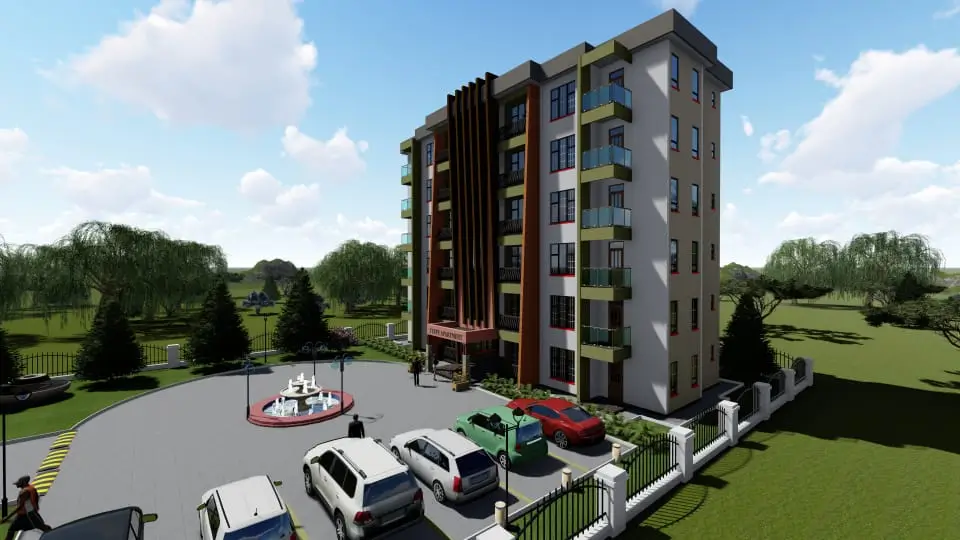
Discover the best apartment plans in Kenya for 2026, including modern layouts, design trends, costs, and investment tips for higher rental returns and value.
Introduction: Why Apartment Design Matters More Than Ever in 2026
Apartment living has become one of the fastest-growing housing solutions in Kenya, driven by rapid urbanization, population growth, and increasing demand for affordable yet modern homes. As major cities such as Nairobi, Mombasa, Kisumu, Nakuru, and Eldoret continue to expand, developers are investing heavily in apartment projects to meet the housing needs of a growing urban population. This shift has made apartment planning and design more important than ever before.
In 2026, homebuyers and tenants are no longer looking for basic living spaces. They want apartments that offer comfort, functionality, privacy, energy efficiency, and modern amenities. At the same time, property investors and developers are seeking designs that maximize rental income, improve occupancy rates, and deliver long-term returns on investment. As a result, selecting the right apartment plan has become a critical factor in determining the success of any residential development.
A well-designed apartment plan can significantly enhance the living experience by optimizing space utilization, improving natural lighting and ventilation, and creating a practical flow between rooms. From an investment perspective, the right layout can increase property value, attract quality tenants, and reduce vacancy periods. Conversely, poor planning can lead to wasted space, higher maintenance costs, and reduced market appeal.
This guide explores the best apartment plans in Kenya for 2026, including popular apartment types, modern floor layouts, emerging design trends, investment considerations, and key planning factors. Whether you are a homeowner, developer, architect, or investor, this article will help you identify the apartment design that best suits your goals and budget.
Understanding Apartment Plans in Kenya
What Is an Apartment Plan? (80 Words)
An apartment plan is a detailed architectural drawing that illustrates the arrangement of spaces within a residential unit or apartment building. It shows the location and dimensions of rooms, doors, windows, corridors, kitchens, bathrooms, balconies, and other essential features. Apartment plans serve as a blueprint for construction and help developers, architects, and property owners visualize how occupants will use the available space. A well-designed apartment plan ensures functionality, comfort, and efficient use of every square meter within the building.
Why Apartment Layout Matters (80 Words)
The layout of an apartment directly affects how comfortable, practical, and attractive the living space will be. A thoughtful layout improves movement between rooms, reduces wasted space, and enhances everyday convenience. It also influences natural lighting, airflow, privacy, and furniture placement. For investors and developers, apartment layouts play a major role in attracting tenants and buyers. Units with functional layouts often command higher rental rates, experience lower vacancy levels, and maintain stronger market value over time.
Key Elements of a Good Apartment Design (90 Words)
Successful apartment designs balance aesthetics with functionality. Space efficiency ensures that every area serves a purpose without feeling cramped. Natural lighting improves comfort, reduces energy consumption, and creates a welcoming environment. Proper ventilation promotes healthy indoor air quality and helps regulate temperatures. Privacy is equally important, particularly in multi-unit developments where residents expect separation from neighboring units. Finally, effective traffic flow allows occupants to move smoothly between rooms without unnecessary obstacles or congested spaces. Together, these elements create apartments that are comfortable, desirable, and highly marketable in Kenya’s competitive housing sector.
Apartment Market Trends Influencing Apartment Plans in 2026
The Kenyan housing market continues to evolve as developers respond to changing lifestyles, economic realities, and technological advancements. Apartment plans in 2026 are increasingly being shaped by the need for affordability, flexibility, sustainability, and modern living conveniences. Understanding these trends can help developers, investors, and homebuyers select apartment designs that remain relevant and competitive in the years ahead.
Rise of Affordable Urban Housing
Rapid urbanization and population growth have increased demand for affordable housing across Kenya’s major towns and cities. Developers are responding by designing compact yet functional apartment units that maximize available space without compromising comfort. Efficient floor plans, standardized construction methods, and cost-effective building materials are becoming common features. As housing affordability remains a key concern, apartment plans that balance quality and cost are expected to dominate the market in 2026.
Demand for Flexible Living Spaces
Modern residents increasingly prefer apartments that can adapt to changing lifestyle needs. Flexible spaces allow rooms to serve multiple functions, such as combining living, dining, and entertainment areas within an open-plan layout. Movable partitions, multifunctional furniture, and adaptable room configurations are gaining popularity. This trend is particularly important for young professionals and small families who want apartments that can accommodate work, leisure, and family activities within limited floor areas.
Home Office Integration
Remote and hybrid working arrangements continue to influence residential design. Apartment plans now incorporate dedicated workspaces, study corners, or compact home offices to support productivity. Developers recognize that many tenants and homeowners value quiet areas for virtual meetings and daily work tasks. As a result, apartment layouts are increasingly designed to accommodate professional activities without disrupting household routines.
Smart Home Features
Technology is becoming a standard component of modern apartment developments. Smart lighting systems, digital security controls, automated energy management, and remote-access devices are increasingly integrated into apartment designs. These features improve convenience, enhance security, and appeal to tech-savvy residents seeking modern and efficient living environments.
Sustainability and Green Building Design
Environmental sustainability is playing a larger role in apartment planning. Developers are incorporating energy-efficient lighting, solar power systems, water-saving fixtures, improved insulation, and natural ventilation strategies. Green building principles not only reduce operating costs but also create healthier living spaces while supporting long-term environmental conservation goals.
Best Apartment Plan Types in Kenya for 2026
Selecting the right apartment type is one of the most important decisions for developers, investors, and homebuyers. Different apartment plans serve different market segments, ranging from budget-conscious urban residents to high-income luxury buyers. The best apartment plans in Kenya for 2026 are those that align with market demand, maximize space utilization, and provide long-term value.
Studio Apartment Plans
Studio apartments are among the most compact apartment designs available, typically ranging between 25 and 50 square meters. They feature an open-plan layout where the living room, bedroom, and kitchen share a single space, with only the bathroom enclosed separately. These apartments are ideal for students, young professionals, and individuals living alone.
The primary advantages of studio apartments include affordability, lower construction costs, and easier maintenance. They also generate attractive rental returns in areas with high demand for budget-friendly housing. However, limited privacy and storage space can be disadvantages for some occupants. In Kenya’s urban centers, studio apartments continue to gain popularity due to rising housing costs and increasing demand for affordable accommodation.
One-Bedroom Apartment Plans
One-bedroom apartments remain one of the most sought-after housing options among young professionals, newly married couples, and single-income households. These units generally range from 45 to 70 square meters and offer a separate bedroom, living area, kitchen, and bathroom.
Their popularity stems from the balance they provide between affordability and comfort. Compared to studio apartments, they offer greater privacy and improved functionality. Rental demand for one-bedroom units remains strong in cities such as Nairobi, Mombasa, Kisumu, and Nakuru, particularly near business districts and educational institutions. Developers often favor one-bedroom apartment plans because they attract a broad tenant base while maintaining relatively low construction costs and high occupancy rates.
Two-Bedroom Apartment Plans
Two-bedroom apartments are widely regarded as the most versatile and marketable apartment type in Kenya. Typically measuring between 70 and 110 square meters, they appeal to small families, working professionals sharing accommodation, and investors seeking stable rental demand.
Their strong investment appeal comes from their ability to attract a larger tenant pool compared to studio or one-bedroom units. Families appreciate the additional bedroom for children, guests, or home office use, while landlords benefit from consistent occupancy levels. The most effective layouts include an open-plan living and dining area, a master ensuite bedroom, a shared bathroom, adequate storage space, and a functional kitchen. Where possible, incorporating balconies and laundry areas further enhances the apartment’s appeal. As urban housing preferences continue to evolve, two-bedroom apartments are expected to remain a top choice for both developers and residents in 2026.
Three-Bedroom Apartment Plans
Three-bedroom apartments cater primarily to growing families seeking larger and more comfortable living spaces. These units generally range from 100 to 160 square meters and often include multiple bathrooms, spacious living rooms, larger kitchens, and private balconies.
In Kenya, three-bedroom apartments are commonly found in premium residential developments targeting middle- and upper-income households. They offer greater privacy and flexibility, making them ideal for families with children or individuals requiring extra rooms for work or recreation. Although construction costs are higher than smaller units, these apartments often command premium rental rates and higher sale values. Their appeal continues to grow in suburban developments where residents prioritize space and convenience.
Penthouse Apartment Plans
Penthouse apartments represent the highest tier of apartment living and are designed for the luxury market. Typically located on the top floors of high-end developments, penthouses offer expansive floor areas, premium finishes, panoramic views, and exclusive amenities.
These units are targeted at affluent homeowners, expatriates, executives, and luxury property investors. Common features include multiple bedrooms, private terraces, entertainment areas, high-end kitchens, and smart home technologies. While penthouses require substantial investment, they often achieve exceptional resale values and rental rates in prime locations. As Kenya’s luxury real estate sector continues to expand, penthouse developments remain a symbol of prestige and exclusivity.
Best Apartment Floor Plan Layouts for Maximum Functionality
A well-designed floor plan can significantly improve an apartment’s comfort, usability, and market appeal. In 2026, developers and homeowners are prioritizing layouts that maximize space efficiency while enhancing the overall living experience. The most functional apartment floor plans focus on seamless movement, flexibility, natural light, and practical room arrangements that meet modern lifestyle needs.
Open-Plan Living Concept
The open-plan living concept remains one of the most popular apartment layouts in Kenya. This design combines the living room, dining area, and kitchen into a single, interconnected space, creating a sense of openness and spaciousness. Open-plan layouts improve natural lighting by allowing sunlight to flow throughout the apartment while also encouraging better interaction among family members. They are particularly effective in small and medium-sized apartments where maximizing usable space is essential. Additionally, fewer internal walls can reduce construction costs and provide greater flexibility in furniture arrangement.
Corridor-Free Designs
Corridors often consume valuable floor space without serving a significant functional purpose. Corridor-free apartment designs eliminate unnecessary passageways and connect rooms directly to living areas. This approach increases the amount of usable space within the apartment and creates a more efficient layout. By reducing wasted square footage, developers can offer larger rooms without increasing the building footprint. Corridor-free designs are especially beneficial in one-bedroom and two-bedroom apartments where every square meter contributes to comfort and functionality.
Split-Bedroom Layouts
Split-bedroom layouts position bedrooms on opposite sides of the apartment, separated by common living spaces such as the lounge, dining area, or kitchen. This arrangement enhances privacy and reduces noise transfer between rooms, making it ideal for families, roommates, and multi-generational households. Parents can enjoy greater separation from children’s rooms, while shared apartments become more comfortable for occupants with different schedules. Split-bedroom layouts also improve flexibility by allowing one room to function as a guest room, home office, or study area without interfering with the privacy of the main bedroom.
Indoor-Outdoor Integration
Modern apartment plans increasingly emphasize a connection between indoor and outdoor living spaces. This is achieved through balconies, terraces, rooftop gardens, and large sliding glass doors that extend living areas beyond the apartment interior. Indoor-outdoor integration improves natural ventilation, enhances access to daylight, and creates a more relaxing environment. Residents benefit from additional recreational space for dining, gardening, or socializing. In Kenya’s favorable climate, apartments that seamlessly blend indoor comfort with outdoor amenities are highly attractive to both homeowners and tenants, making them a valuable feature in contemporary developments.
Features of the Best Apartment Plans in Kenya
The most successful apartment plans in Kenya combine functionality, comfort, and long-term value. Whether targeting homeowners or rental investors, certain features consistently enhance the living experience while increasing a property’s attractiveness in the market. The following elements are commonly found in high-performing apartment developments and contribute significantly to both livability and property value.
Spacious Living Areas
A well-designed living area serves as the heart of an apartment, providing space for relaxation, entertainment, and family interaction. Spacious living rooms create a sense of openness and comfort, making apartments feel larger and more welcoming. Properties with generous living spaces are often more attractive to buyers and tenants, leading to higher occupancy rates and stronger resale values.
Modern Kitchens
Modern kitchens are among the most sought-after features in contemporary apartment developments. Functional layouts, adequate countertop space, quality cabinetry, and efficient storage solutions improve convenience and usability. Open-plan kitchens that connect seamlessly with dining and living areas also enhance social interaction. A well-designed kitchen can significantly increase an apartment’s appeal and market competitiveness.
Ensuite Bedrooms
Ensuite bedrooms provide residents with added privacy, convenience, and comfort. Master bedrooms with private bathrooms are particularly attractive to families, professionals, and premium tenants. In larger apartments, multiple ensuite bedrooms can further enhance the property’s desirability. This feature often allows landlords and developers to command higher rental rates and sale prices.
Balcony Spaces
Balconies extend the living area beyond the apartment interior, providing residents with outdoor space for relaxation, entertainment, or enjoying fresh air. They improve natural lighting and ventilation while enhancing the overall aesthetic appeal of the building. Apartments with balconies are generally perceived as more valuable and appealing to modern urban residents.

Laundry Areas
Dedicated laundry areas improve organization and convenience by providing space for washing, drying, and storing household cleaning items. Separating laundry functions from kitchens and living spaces creates a cleaner and more efficient environment. This practical feature is increasingly expected in modern apartment developments.
Storage Solutions
Adequate storage is essential for maintaining a clutter-free and functional living environment. Built-in wardrobes, kitchen cabinets, utility closets, and additional storage rooms help residents maximize available space. Apartments with thoughtful storage solutions offer greater practicality and often enjoy stronger demand among buyers and tenants seeking long-term comfort.
Apartment Plans Based on Plot Size and Development Goals
The success of an apartment project depends largely on matching the building design to the available plot size and intended development objectives. Whether the goal is maximizing rental income, creating affordable housing, or developing premium residences, the apartment plan should optimize land use while maintaining comfort, functionality, and compliance with local regulations.
Apartments for Small Urban Plots
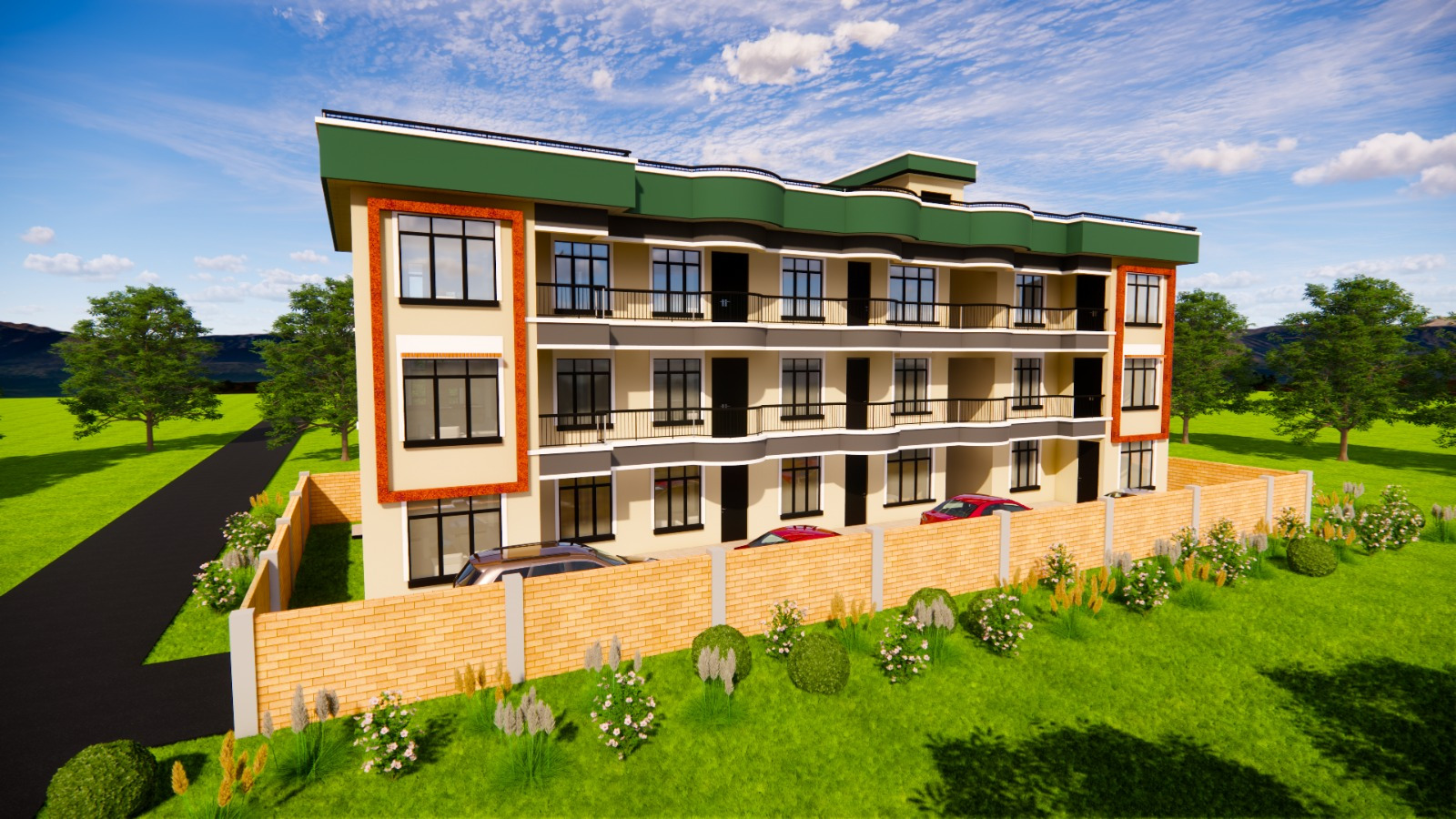
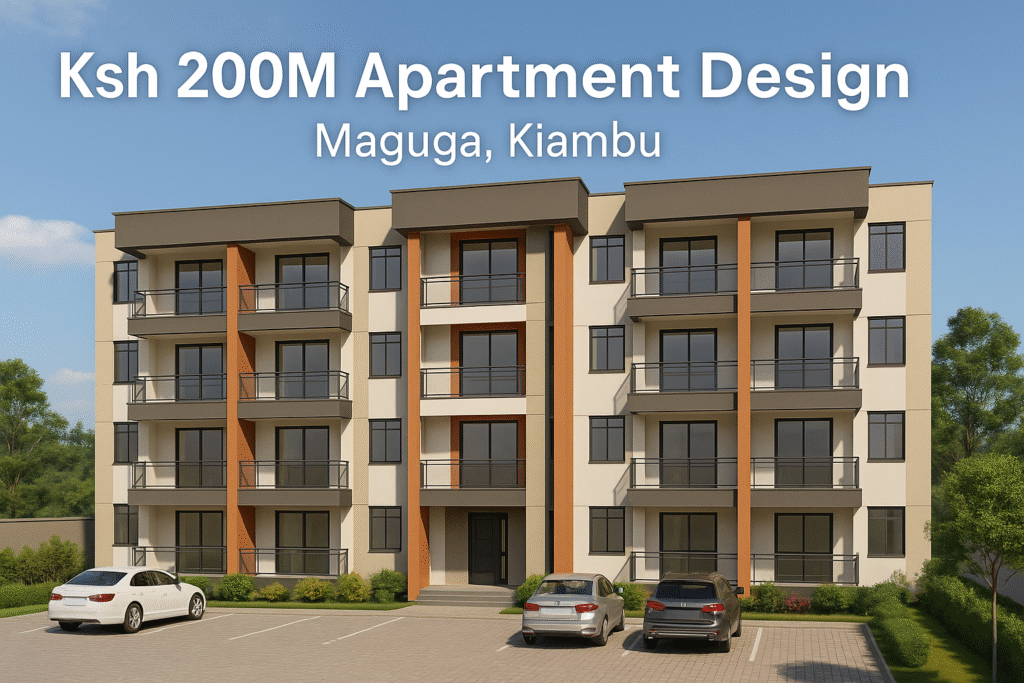
Small urban plots, commonly found in densely populated areas, require highly efficient apartment designs that maximize every square meter. Developers often prioritize studio, one-bedroom, and compact two-bedroom units to increase the number of rentable spaces. Buildings ranging from four to six floors are typically suitable, depending on zoning regulations and site constraints. Open-plan layouts and corridor-free designs help improve space utilization. Parking can be challenging on smaller plots, making basement, semi-basement, or stilt parking solutions valuable. A balanced unit mix of studios and one-bedroom apartments often generates strong rental demand in urban centers.
Apartments for Medium-Sized Plots
Medium-sized plots offer greater flexibility in apartment planning and allow developers to create a diverse mix of unit types. A combination of one-bedroom, two-bedroom, and selected three-bedroom apartments can attract a broader tenant and buyer market. Buildings of five to eight floors are common, depending on local development regulations. The additional space allows for improved landscaping, recreational areas, and better circulation within the development. Parking requirements can be accommodated through ground-level or basement parking facilities. This type of development is ideal for investors seeking a balance between density, livability, and long-term property value.
High-Density Apartment Developments
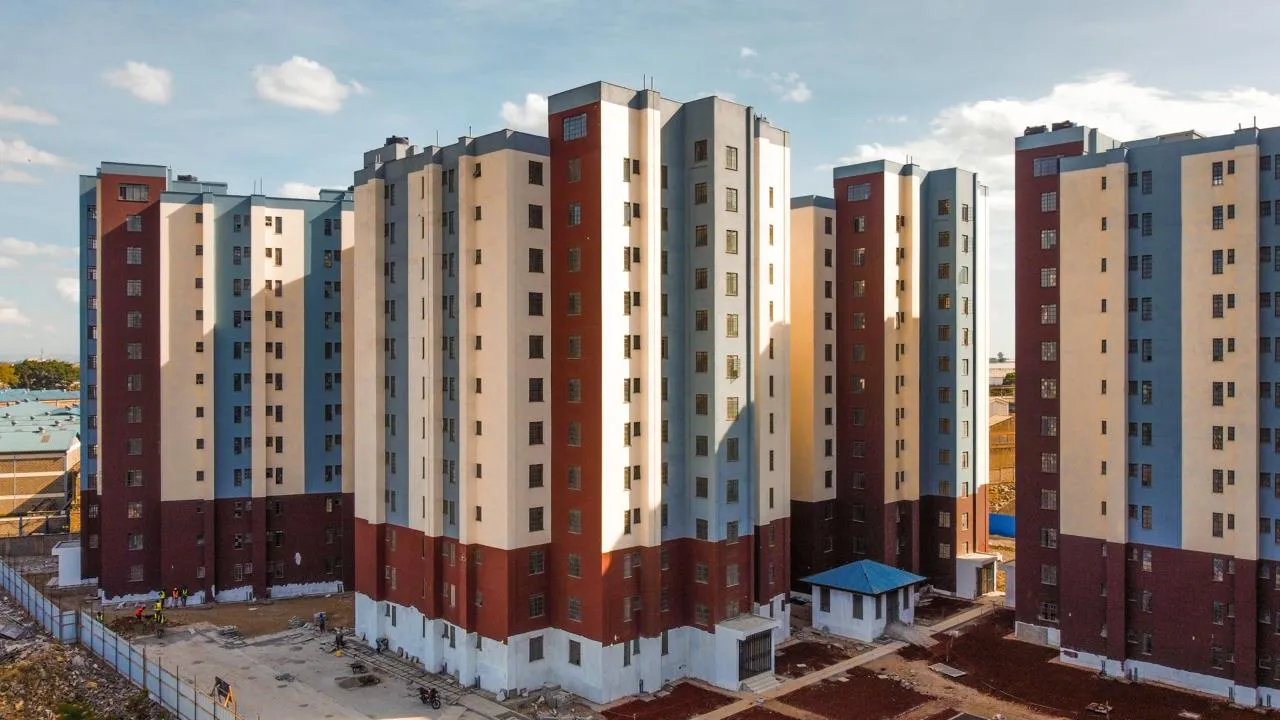
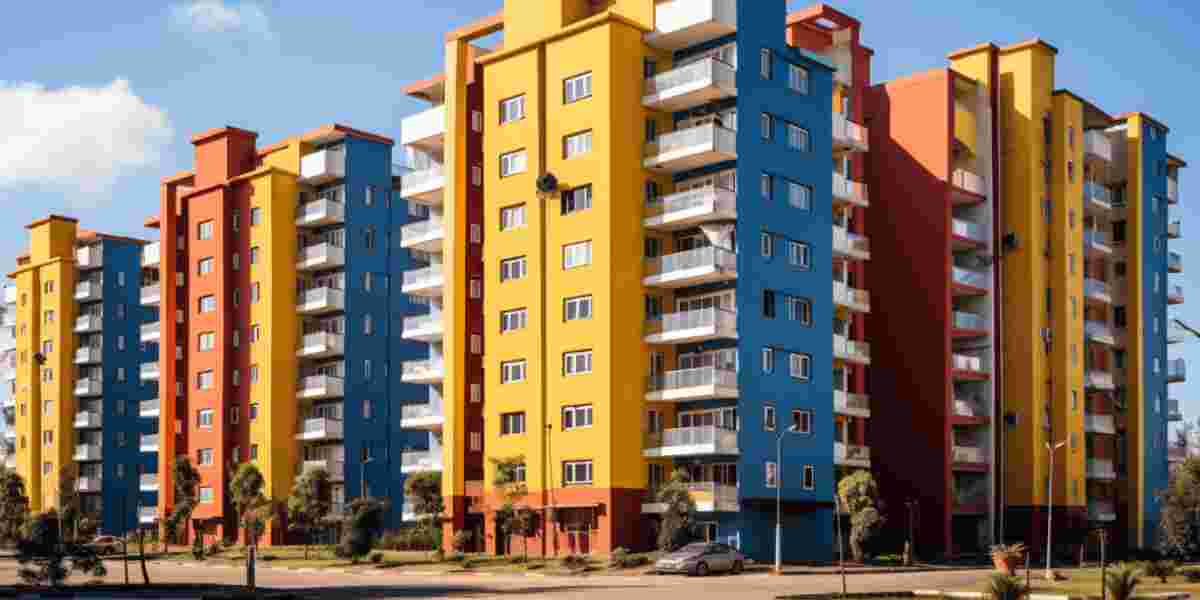
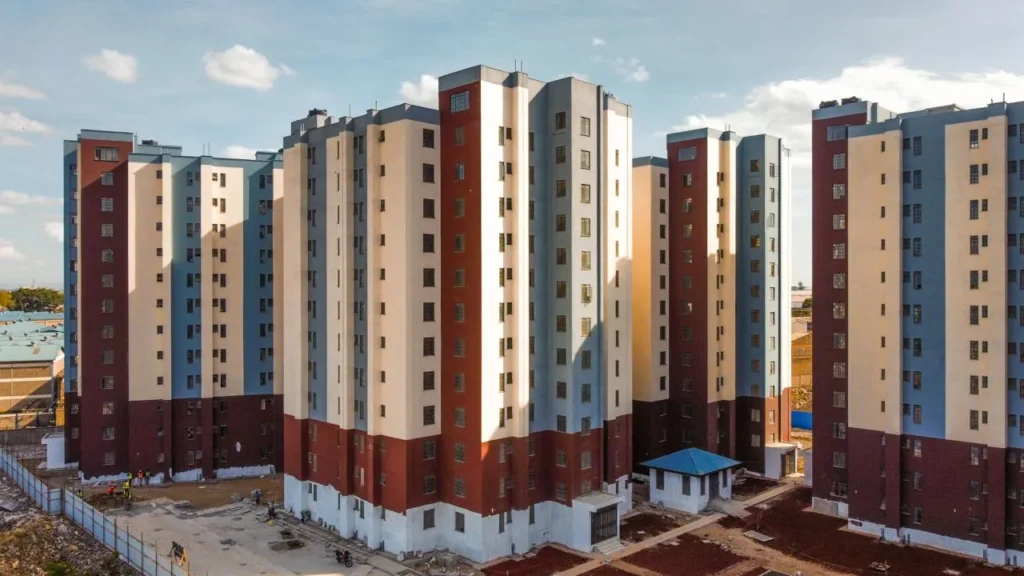
High-density apartment developments are designed to maximize occupancy and land utilization, particularly in rapidly growing urban areas where land costs are high. These projects are commonly developed on larger plots and may consist of multiple apartment blocks or high-rise structures ranging from eight floors to over fifteen floors, subject to local planning approvals.
A strategic unit mix is essential for success. Developers often combine studio, one-bedroom, and two-bedroom apartments, with a smaller percentage of three-bedroom units to cater to different market segments. Efficient circulation systems, including elevators, staircases, and emergency exits, become increasingly important as building height increases.
Parking planning is a critical consideration in high-density developments. Multi-level parking structures, basement parking, or podium parking systems are often necessary to meet demand while preserving valuable land for residential and recreational use. When properly planned, high-density apartment developments can deliver strong rental yields, efficient land use, and sustainable long-term returns for investors.
Best Apartment Plans for Rental Investment in Kenya
For rental investors, apartment design is not just an architectural decision—it is a financial one. The size, layout, and functionality of units directly influence occupancy rates, tenant retention, achievable rent levels, and long-term property appreciation. In Kenya’s urban markets, developments that align closely with tenant preferences generally outperform those that prioritize unit count alone.
Highest-Demand Unit Types
One-bedroom and two-bedroom apartments consistently attract the broadest rental demand in major Kenyan towns and cities. One-bedroom units appeal to young professionals, newly married couples, and single-income households, while two-bedroom apartments attract small families, roommates, and tenants seeking extra space for a home office. Studio apartments can perform well near universities, business districts, and high-density urban centers, but demand is more location-sensitive. Three-bedroom apartments target a narrower, higher-income market. Investors seeking stable occupancy often achieve the best balance of demand and affordability with a unit mix weighted toward one-bedroom and two-bedroom layouts.
Maximizing Rental Yield Through Design
Efficient apartment design can increase rental income without necessarily increasing construction costs. Open-plan living areas, adequate storage, functional kitchens, good natural lighting, and proper ventilation make units feel larger and more comfortable. Balconies, laundry areas, and ensuite master bedrooms can justify premium rents in many urban markets. Reducing wasted corridor space improves usable floor area, allowing developers to deliver more functional units within the same building footprint. Well-designed apartments also tend to attract tenants faster and experience lower turnover, which reduces vacancy losses and marketing costs over time, ultimately improving net rental yield.
Common Planning Mistakes Investors Make
A frequent mistake is maximizing unit count at the expense of livability. Oversized corridors, poorly ventilated rooms, inadequate parking, insufficient storage, and dark interiors can reduce tenant satisfaction and increase vacancy risk. Another common error is building large three-bedroom units in markets where demand is strongest for one- and two-bedroom apartments. Ignoring noise separation, privacy, and practical furniture placement can also hurt rental performance. Investors sometimes underestimate the importance of laundry areas, balconies, and reliable circulation space. Apartments that look efficient on paper but feel cramped in everyday use often struggle to achieve premium rents or sustained occupancy.
Modern Apartment Design Trends for 2026
As the Kenyan real estate market becomes increasingly competitive, developers are adopting innovative design trends to attract modern tenants and homebuyers. Apartment residents today expect more than just a place to live—they seek convenience, sustainability, comfort, and lifestyle-enhancing amenities. The following apartment design trends are expected to shape the market in 2026 and influence the success of new residential developments.
Smart Apartments
Technology is transforming how people interact with their homes. Smart apartments incorporate features such as digital access control systems, smart lighting, remote appliance management, automated security systems, and energy-monitoring devices. These technologies improve convenience, enhance security, and provide greater control over household operations. As more residents embrace digital lifestyles, smart-enabled apartments are becoming increasingly attractive to both buyers and tenants.
Energy-Efficient Buildings
Rising energy costs and growing environmental awareness are encouraging developers to prioritize energy efficiency. Modern apartment designs now incorporate LED lighting, solar energy systems, energy-efficient appliances, improved insulation, and intelligent power management solutions. These features help reduce utility costs while promoting sustainable living. Energy-efficient developments are particularly appealing to cost-conscious residents seeking lower monthly expenses and long-term savings.
Biophilic Design
Biophilic design focuses on strengthening the connection between residents and nature. Developers are incorporating indoor plants, landscaped courtyards, green walls, natural materials, and larger windows that maximize views and natural light. These features create healthier and more relaxing living environments while improving the overall visual appeal of apartment developments. The growing emphasis on mental well-being has made nature-inspired design increasingly desirable among urban residents.
Rooftop Amenities
Rooftop spaces are being transformed into valuable communal areas that enhance the resident experience. Features such as rooftop gardens, social lounges, fitness zones, barbecue areas, and recreational spaces provide additional lifestyle benefits without requiring extra land. These amenities are particularly attractive in densely populated urban areas where outdoor space is limited and can significantly increase a property’s market appeal.
Shared Workspaces
The continued growth of remote and hybrid work has increased demand for dedicated work environments within residential developments. Many modern apartment projects now include shared workspaces, meeting rooms, and business lounges where residents can work productively without leaving the property. These facilities appeal especially to professionals, freelancers, and entrepreneurs seeking convenience and flexibility.
Wellness-Oriented Design
Health and wellness have become central considerations in apartment planning. Developers are incorporating features such as fitness centers, walking paths, improved ventilation systems, noise reduction measures, and enhanced natural lighting. Wellness-focused apartment designs promote physical and mental well-being while creating healthier living environments. As residents place greater value on quality of life, developments that prioritize wellness are increasingly gaining a competitive advantage in the market.
Apartment Planning Considerations Before Construction
Before breaking ground on any apartment project in Kenya, careful planning is essential to ensure compliance, functionality, and long-term success. Many developments fail not because of poor construction, but due to inadequate planning in the early stages. Understanding regulatory requirements, site constraints, and future growth potential helps developersavoid costly mistakes and build projects that are both profitable and sustainable.
Local Building Regulations
Every county in Kenya has specific building regulations that govern apartment development, including zoning laws, height restrictions, plot coverage, and setback requirements. These rules determine how many floors can be built, the type of structures allowed, and the density of units permitted. Ignoring these regulations can lead to project delays, penalties, or even demolition orders. Developers must consult qualified architects and planners to ensure full compliance before design approval.
County Approval Requirements
Apartment developments must be approved by relevant county authorities before construction begins. This process typically includes submission of architectural drawings, structural plans, environmental impact assessments, and fire safety reports. Approval timelines may vary depending on the county and project complexity. Engaging professionals familiar with local approval processes helps streamline documentation and reduces delays during the permitting stage.
Parking Ratios
Adequate parking is a critical requirement in modern apartment planning. Most counties specify minimum parking ratios based on the number and type of units in a development. Failure to provide sufficient parking can result in approval rejection or reduced project viability. Developers must consider basement parking, podium parking, or multi-level parking structures, especially in high-density urban areas where land is limited.
Fire Safety Compliance
Fire safety is a non-negotiable aspect of apartment design. Regulations require features such as fire exits, emergency staircases, fire-resistant materials, smoke detectors, and accessible evacuation routes. Proper fire safety planning not only ensures compliance but also protects residents and reduces liability risks for developers. Regular inspections during construction are often required to confirm adherence to safety standards.
Accessibility Requirements
Modern apartment designs must consider accessibility for all users, including elderly residents and individuals with disabilities. This includes features such as ramps, wide corridors, accessible bathrooms, and elevators in multi-story buildings. Incorporating universal design principles enhances inclusivity and increases the market appeal of the development.
Future Expansion Potential
Forward-thinking developers consider future expansion during the planning stage. This may include structural capacity for additional floors, adaptable unit layouts, or space reserved for future amenities such as gyms or commercial areas. Designing with flexibility ensures the development remains relevant and profitable as market demands evolve over time.
Cost Considerations When Choosing Apartment Plans
Apartment design plays a major role in determining the overall cost of a development project in Kenya. Beyond land acquisition, design decisions influence construction complexity, material usage, labor requirements, and long-term operational expenses. A well-planned apartment design can significantly reduce unnecessary costs while improving efficiency and maximizing return on investment.
Design Costs
Architectural and engineering design costs vary depending on the complexity of the apartment plan. Simple, repetitive layouts such as standardized one-bedroom or two-bedroom units are generally more affordable to design than complex, irregular configurations. Efficient designs that minimize structural complications, reduce wasted space, and simplify circulation systems can also lower consultancy and approval costs. Investing in good design early helps avoid costly revisions during construction.
Construction Costs
Construction costs are heavily influenced by the chosen apartment layout and building form. High-density developments, multi-storey structures, and designs with complex structural elements typically require more materials, labor, and time. Features such as basements, large spans, and extensive parking structures also increase costs. However, efficient floor plans that maximize space utilization can improve the cost-to-unit ratio, making projects more financially viable in the long term.
Finishing Standards
Finishing choices significantly affect the total budget of an apartment project. High-end finishes such as imported tiles, premium fittings, and smart home systems increase costs but can justify higher rental or sale prices. Conversely, standard finishes reduce initial costs but may limit market positioning. Developers must align finishing standards with the target market to ensure profitability without overcapitalizing on non-essential features.
Long-Term Maintenance Costs
Maintenance costs are often overlooked during planning but have a major impact on long-term profitability. Poorly designed apartments may lead to frequent repairs, higher utility consumption, and increased management expenses. Designs that prioritize durability, energy efficiency, proper drainage, and easy access for repairs reduce long-term operational costs. Ultimately, thoughtful apartment planning not only controls construction expenditure but also ensures sustainable financial performance throughout the building’s lifecycle.
Common Apartment Design Mistakes to Avoid
Even well-funded apartment projects can underperform if critical design mistakes are made during planning. In Kenya’s competitive real estate market, avoiding these errors is essential for ensuring strong occupancy rates, tenant satisfaction, and long-term investment returns. Many of these mistakes stem from poor planning, lack of market research, or overemphasis on unit quantity instead of livability.
Poor Room Proportions
Rooms that are too small, too narrow, or awkwardly shaped reduce comfort and limit furniture placement options. Poor proportions make apartments feel cramped, even when square footage is adequate. Balanced room sizing is essential for usability and long-term tenant satisfaction.
Insufficient Parking
Underestimating parking needs is a common issue in urban developments. Inadequate parking leads to tenant frustration, reduced demand, and potential regulatory approval challenges. Proper parking planning should match unit count and target market expectations.
Dark Interiors
Apartments with limited natural lighting feel uninviting and require higher energy consumption. Poor window placement and deep floor layouts often result in dark interiors, which negatively affect tenant appeal and property value.
Inadequate Storage
Lack of storage space reduces functionality and leads to cluttered living environments. Built-in wardrobes, kitchen cabinets, and utility storage areas are essential for modern apartment living.
Poor Ventilation
Insufficient airflow can lead to discomfort, moisture problems, and unhealthy indoor conditions. Proper cross-ventilation and strategic window placement are crucial for maintaining air quality.
Ignoring Tenant Preferences
Designing apartments without understanding the target market often results in mismatched unit sizes, layouts, and amenities. Successful developments align design choices with tenant needs and lifestyle trends.
Overbuilding for the Market
Constructing overly large or luxurious units in low-demand areas can lead to poor sales or rental performance. Developers must balance ambition with realistic market demand to ensure profitability.

How to Choose the Best Apartment Plan for Your Needs
Selecting the right apartment plan in Kenya depends on your specific goals, whether you are building a home, developing for sale, or investing for rental income. A clear decision framework helps ensure that the chosen design aligns with budget, lifestyle needs, and market demand.
For Homeowners
Homeowners should prioritize comfort, functionality, and long-term livability. The best apartment plan should offer adequate space, good natural lighting, privacy, and practical room layouts. Features such as ensuite bedrooms, sufficient storage, balconies, and well-ventilated kitchens improve daily living. Homeowners should also consider future family growth when selecting unit size to avoid costly renovations later.
For Developers
Developers should focus on maximizing land use while maintaining market appeal. The ideal apartment plan balances unit mix, construction cost efficiency, and compliance with county regulations. Standardized layouts, repeatable designs, and efficient circulation spaces help reduce construction complexity. Developers should also prioritize parking, safety compliance, and amenities that improve project competitiveness and approval success.
For Rental Investors
Rental investors should prioritize designs that maximize occupancy and rental yield. One-bedroom and two-bedroom units typically offer the best balance of demand and affordability. Functional layouts, low maintenance finishes, and efficient space utilization are key. Investors should avoid overbuilding luxury features in low- to mid-income rental markets, as this can reduce profitability. The goal is to achieve consistent tenancy and strong cash flow.
For Luxury Property Buyers
Luxury buyers should prioritize exclusivity, space, and premium lifestyle features. Ideal apartment plans include spacious layouts, multiple ensuite bedrooms, high-end finishes, smart home systems, and private outdoor areas such as terraces or rooftop access. Privacy, aesthetics, and comfort take precedence over density or cost efficiency. Buyers in this segment should focus on developments in prime locations with strong long-term value appreciation potential.
Conclusion: Choosing the Best Apartment Plan in Kenya for 2026
Selecting the best apartment plan in Kenya for 2026 requires a balanced understanding of design, market demand, cost efficiency, and long-term investment performance. As urban populations continue to grow and housing needs evolve, successful apartment developments will be those that respond effectively to both lifestyle expectations and economic realities.
Throughout this guide, we have explored the key elements that define successful apartment planning. Different apartment types—ranging from studios and one-bedroom units to three-bedroom apartments and penthouses—serve distinct market segments and investment goals. Layout efficiency plays a critical role in maximizing usable space, improving comfort, and reducing wasted areas within each unit. Modern design trends such as smart home features, energy efficiency, biophilic design, rooftop amenities, and shared workspaces are reshaping how apartments are built and experienced in Kenya.
From an investment perspective, apartment design directly influences occupancy rates, rental income, and long-term property appreciation. Well-planned units attract stronger tenant demand and reduce vacancy periods, while poor layouts can significantly reduce profitability. At the same time, cost considerations—including design complexity, construction methods, finishing standards, and maintenance requirements—must be carefully managed to ensure financial viability.
Equally important are planning requirements such as local building regulations, county approvals, parking ratios, fire safety compliance, accessibility standards, and future expansion potential. These factors ensure that developments are not only legally compliant but also sustainable and adaptable to future market changes.