Discover proven Affordable Apartment Construction Strategies including smart design, cost-effective materials, efficient building methods, and project management tips. Learn how to reduce construction costs while maintaining quality, improving ROI, and building profitable rental apartments in Kenya and beyond.
Introduction: Why Affordable Apartment Construction Matters
Affordable apartment construction has become a critical topic as housing demand continues to rise both globally and in Kenya. Rapid urbanization, population growth, and increased migration to cities like Nairobi, Kisumu, and Mombasa have placed immense pressure on the housing sector. At the same time, construction costs—driven by inflation, material prices, and regulatory requirements—have steadily increased, making it more challenging for developers to deliver housing that remains accessible to the average income earner.
For developers and real estate investors, cost-efficient construction is no longer optional—it is a necessity. Projects that are not carefully planned and managed often face budget overruns, delayed completion, and reduced profitability. On the other hand, adopting affordable construction strategies allows investors to maximize returns, offer competitive rental rates, and meet the growing demand for quality housing.
Affordable apartment construction does not mean building cheaply or compromising on quality. Instead, it refers to the strategic use of smart design, cost-effective materials, efficient construction methods, and proper planning to reduce overall project costs while maintaining durability and functionality.
This article explores practical strategies that can help developers achieve affordability, including optimized building designs, smart material selection, efficient construction techniques, and supportive policy considerations. By understanding and applying these approaches, investors can build sustainable, profitable, and market-ready apartment developments.
Understanding the Cost Structure of Apartment Construction
To successfully implement affordable apartment construction strategies, developers must first understand how project costs are structured. Every apartment development is made up of three main cost components: land costs, hard costs, and soft costs. A clear breakdown of these elements helps investors identify where savings can be achieved without compromising quality.
Land costs typically account for 10–20% of the total project budget, depending on location. In high-demand urban areas such as Nairobi, land prices can significantly increase overall development costs. Choosing emerging or less saturated locations can help reduce this expense while still offering strong future returns.
Hard costs, which make up approximately 50–70% of the total budget, include all physical construction expenses. These cover materials, labor, equipment, and structural works. Since this is the largest cost category, even small efficiencies in design, material selection, or construction methods can lead to substantial savings.
Soft costs, estimated at 20–30%, include professional fees, permits, approvals, legal expenses, financing, and project management. According to research by the Brookings Institution, these costs can increase significantly due to project complexity and regulatory delays, making proper planning essential.
Several factors influence these cost components. Location affects both land prices and regulatory requirements. Building type—whether low-rise, mid-rise, or high-rise—determines structural complexity and associated costs such as lifts and safety systems. Regulations and approvals can also add time and expense, especially if compliance requirements are not considered early in the design phase.
Understanding this cost structure is the foundation of affordability. Without it, developers risk focusing on the wrong areas when trying to cut costs. By identifying where the majority of expenses lie, investors can make informed decisions that optimize budgets, improve efficiency, and ultimately deliver affordable yet high-quality apartment projects.
Smart Design Strategies for Affordable Apartments
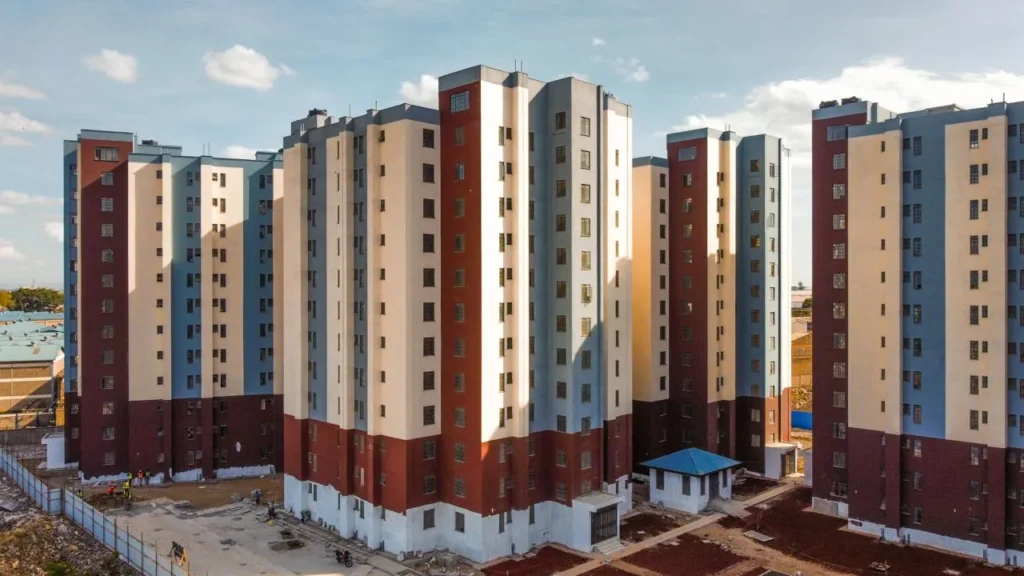
Design plays a crucial role in determining the overall cost of apartment construction. Smart, well-thought-out designs not only reduce construction expenses but also improve functionality and tenant appeal. By focusing on efficiency and simplicity, developers can achieve affordability without sacrificing quality.
Simple and Standardized Layouts
One of the most effective ways to lower construction costs is through simple and standardized layouts. Repeating the same unit design across multiple floors reduces architectural complexity, minimizes material waste, and speeds up construction. Straightforward building shapes—such as rectangular layouts—are far more cost-effective than complex designs with curves or irregular angles. According to West Kenya Real Estate Ltd, simplified designs can significantly cut both labor and material costs while maintaining structural efficiency.
Micro-Units and Compact Living
Micro-units and compact apartments are becoming increasingly popular in urban areas where space is limited and demand is high. Smaller units reduce the cost per unit, allowing developers to build more units within the same space and increase rental yield. Efficient space planning—such as combining living and dining areas—ensures that even smaller units remain comfortable and functional. Insights from Modlar highlight that compact living designs can dramatically improve affordability while still meeting modern housing needs.
Multi-Functional Spaces
Incorporating multi-functional spaces is another smart design approach. Flexible layouts allow a single area to serve multiple purposes—for example, a living room that can double as a workspace or sleeping area. Features like open-plan designs, foldable furniture, and built-in storage reduce the need for additional rooms, lowering construction costs while enhancing usability for tenants.
Shared Amenities (Co-Living Concept)
The co-living concept focuses on shared amenities such as kitchens, laundry areas, and recreational spaces. Instead of duplicating these facilities in every unit, developers can centralize them, significantly reducing construction and maintenance costs. According to Modlar, shared amenities not only cut costs but also create a sense of community, making properties more attractive to tenants.
By combining cost-efficient design with practical living solutions, developers can create apartments that are both affordable and highly desirable in today’s competitive housing market.
Choosing the Right Apartment Typology
Selecting the right apartment typology is a key decision that directly affects construction costs, project complexity, and long-term profitability. Developers typically choose between low-rise, mid-rise, and high-rise apartment structures, each with different cost implications and design requirements.
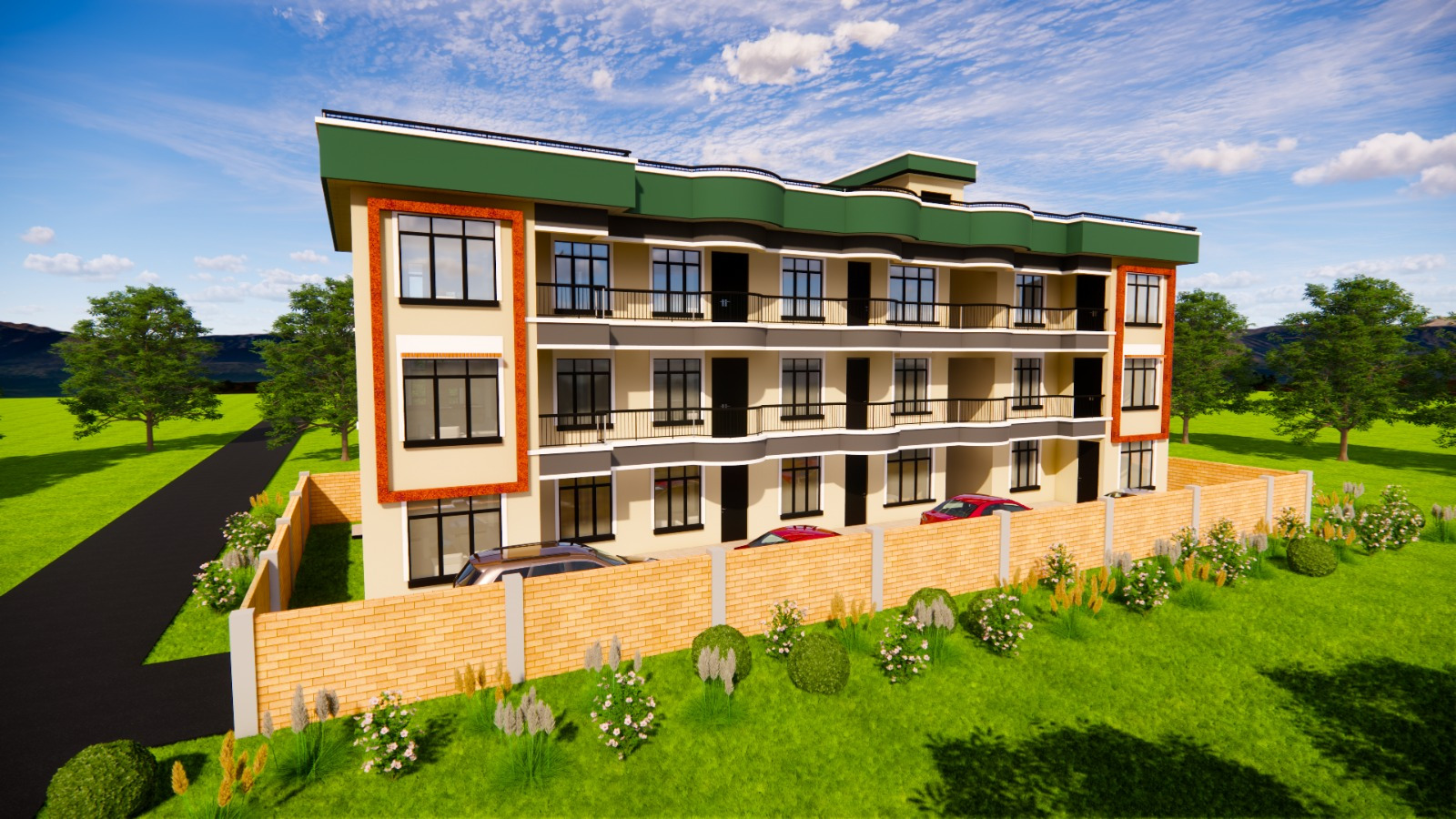
Low-rise apartments (walk-ups) are generally the most affordable option. These buildings usually range from two to four floors and do not require expensive installations such as elevators, heavy structural reinforcement, or advanced mechanical systems. The reduced need for complex engineering makes them faster to construct and more cost-effective to maintain, making them ideal for budget-friendly housing projects.
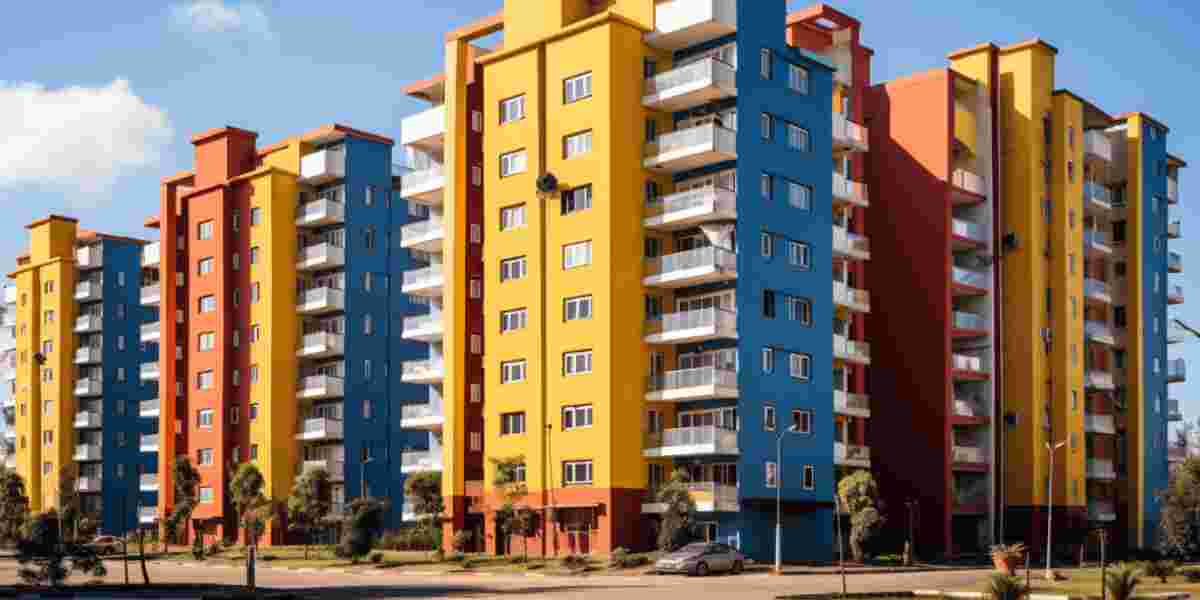
Mid-rise buildings introduce moderate complexity. They may require lifts, stronger foundations, and additional safety systems, which increase both construction and maintenance costs. While they allow for higher unit density, they demand more capital investment compared to low-rise developments.
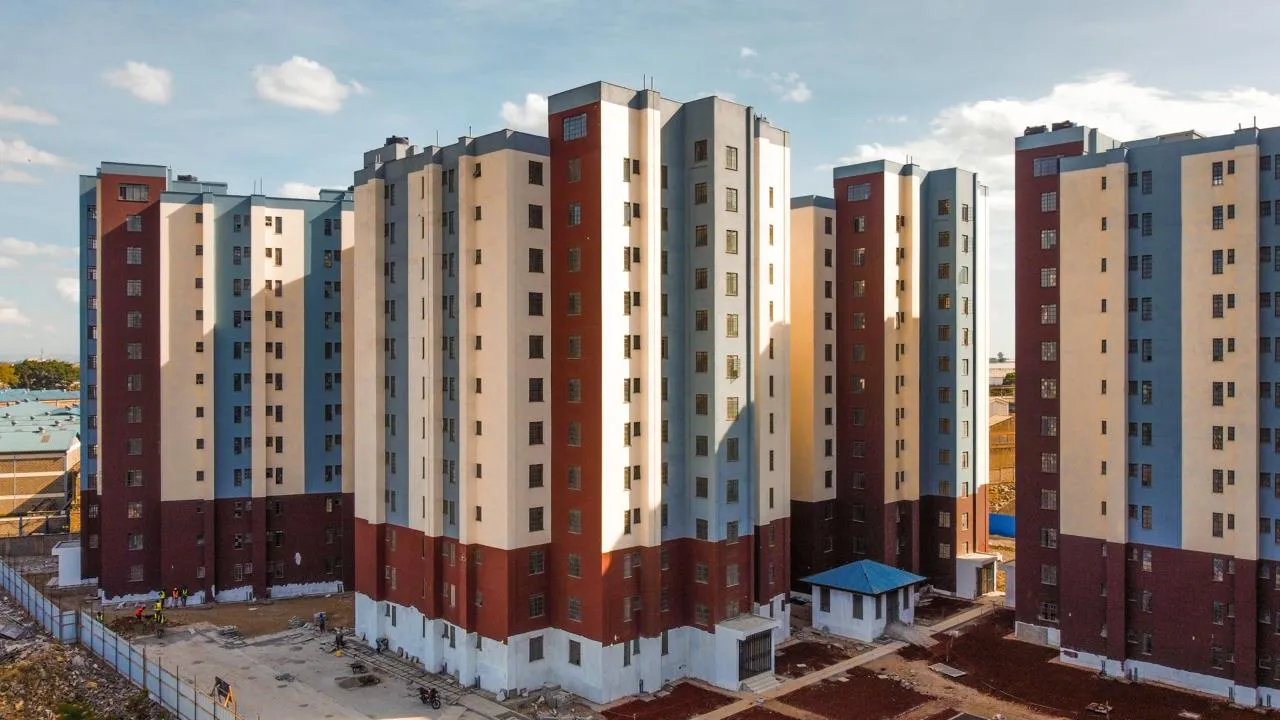
High-rise apartments are the most expensive typology due to their structural requirements, advanced engineering systems, elevators, fire safety compliance, and longer construction timelines. They are best suited for high-value urban locations where land is limited and demand is high.
According to Aalis Studios, matching the building type to the location, target market, and budget is essential for cost efficiency. For example, low-rise developments are more suitable for emerging towns and suburban areas, while high-rise buildings are better suited for dense urban centers.
Choosing the right typology ensures that developers avoid unnecessary costs while maximizing land use and investment returns, making it a foundational strategy in affordable apartment construction.
Cost-Effective Construction Methods
Choosing the right construction methods is one of the most powerful ways to reduce apartment development costs while maintaining quality and durability. In today’s competitive real estate market, especially in developing economies like Kenya, efficiency in construction is essential for affordability and profitability.
Modular and Prefabricated Construction
Modular and prefabricated construction involves manufacturing building components off-site and assembling them on-site. This approach significantly reduces construction time because multiple stages of the project can happen simultaneously. It also lowers labor costs and material waste due to controlled factory production. According to Achiever Magazine, prefabrication improves efficiency while maintaining consistent quality standards. For fast-growing urban areas, this method allows developers to deliver housing faster and respond quickly to market demand.
Off-Site Construction
Off-site construction extends the modular concept by shifting a large portion of building work away from the actual site. This method improves quality control because materials are handled in controlled environments, reducing errors caused by weather or on-site inefficiencies. Research from the Joint Center for Housing Studies of Harvard University shows that off-site construction can reduce overall project costs while improving speed and predictability. For developers in Kenya and similar markets, this approach can be especially useful in urban areas where site congestion and delays are common.
Simplified Structural Systems
Simplifying structural design is another effective cost-reduction strategy. Using fewer beams, shorter spans, and repetitive structural elements reduces engineering complexity and material requirements. This not only lowers costs but also speeds up construction timelines. According to West Kenya Real Estate Ltd, simplified structural systems are particularly effective for rental apartment projects where efficiency and scalability are key priorities.
Overall, these construction methods provide practical solutions for reducing costs while maintaining structural integrity. When applied correctly, they enable developers to deliver affordable apartments faster, more efficiently, and with better long-term value.

6. Material Selection Strategies to Reduce Costs
Material selection is one of the most influential factors in determining the total cost of apartment construction. In most projects, materials alone account for approximately 30–50% of total construction costs, making them a critical area for cost optimization without compromising quality.
According to research published in MDPI, material efficiency and selection significantly influence both upfront construction expenses and long-term building performance. This means that choosing the right materials is not just about saving money initially—it also affects maintenance and durability costs over time.
One of the most effective strategies is the use of locally available materials. Locally sourced materials reduce transportation costs, minimize delays, and support local supply chains. In markets like Kenya, this approach can lead to substantial savings while ensuring materials are easily accessible for repairs and future expansions.
Developers can also reduce costs by choosing cost-effective material alternatives without sacrificing functionality. For example, steel doors instead of hardwood doors provide durability at a lower and more consistent price. Similarly, vinyl tiles instead of ceramic tiles can significantly reduce finishing costs while still offering an attractive and practical flooring solution.
However, affordability should always be balanced with durability. Cheap materials that fail quickly may lead to higher maintenance and replacement costs, ultimately increasing the total lifecycle expense of the building. Therefore, developers must evaluate both initial cost and long-term performance when selecting materials.
In summary, strategic material selection allows developers to reduce construction costs significantly while maintaining structural integrity and tenant satisfaction. When applied correctly, it becomes a powerful tool for delivering affordable, high-quality apartment projects that remain financially sustainable in the long run.
Efficient Building Systems and Services
Efficient building systems play a major role in reducing the overall cost of apartment construction, especially in plumbing, electrical, and mechanical installations. While these systems are often overlooked during the design stage, they significantly influence both construction expenses and long-term maintenance costs.
One of the most effective strategies is plumbing optimization, particularly the concept of stacking wet areas. This means aligning kitchens, bathrooms, and laundry spaces vertically across different floors. By doing this, developers reduce the length of piping required, minimize material usage, and simplify installation work. It also makes future maintenance easier and less expensive since plumbing systems are centralized.
Electrical and mechanical systems can also be made more cost-efficient through smart planning. Grouping electrical lines, reducing unnecessary wiring routes, and designing for energy efficiency helps lower both installation and operational costs. Overcomplicated layouts often lead to higher material use and increased labor time, which can easily inflate budgets.
Another important strategy is reducing unnecessary installations. Many projects include redundant fixtures or overly complex systems that add little value to tenants but significantly increase costs. Keeping systems simple, functional, and well-coordinated ensures efficiency without compromising performance.
According to the Brookings Institution, standardization in building design and systems can significantly reduce service-related costs by minimizing complexity and improving predictability in construction.
Overall, efficient building systems not only reduce upfront construction expenses but also improve long-term affordability through lower maintenance and operational costs.
Land Acquisition and Site Optimization
Land acquisition is one of the most decisive factors in determining the overall cost and success of an apartment development. Strategic site selection and optimization can significantly reduce initial investment while improving long-term returns.
One effective approach is the use of unconventional or underutilized land. This includes plots that may not be in prime urban centers but still offer strong development potential. Such land is often more affordable and allows developers to allocate more budget toward construction quality rather than high acquisition costs.
Building in emerging areas is another key strategy. Locations on the outskirts of major cities or rapidly developing towns often have lower land prices but strong future appreciation potential. Early investment in these areas can lead to higher returns as infrastructure and demand grow over time.
Another important technique is maximizing land use through higher unit density. Efficient site planning allows developers to fit more housing units within the same plot without compromising livability. This can be achieved through smart layout design, optimized building footprints, and efficient vertical development where appropriate.
According to Modlar, creative land use and thoughtful site planning can significantly reduce overall development costs while improving project efficiency and profitability.
Ultimately, effective land acquisition and site optimization ensure that developers do not overpay for location while still achieving strong rental income and long-term capital growth. It is a foundational step in delivering truly affordable apartment projects.
Reducing Soft Costs and Approval Delays
Soft costs are often underestimated in apartment construction, yet they can significantly impact the total project budget. These include expenses such as design fees, permits, legal charges, consultancy services, and financing costs. When not properly managed, they can escalate due to delays and project inefficiencies.
One of the most effective ways to reduce soft costs is streamlining the approval process. Early engagement with relevant authorities and proper submission of compliant architectural and structural drawings helps avoid repeated rejections and costly delays. Developers who understand local building codes and zoning requirements are able to move through approvals much faster, saving both time and money.
Working with experienced consultants—including architects, engineers, and quantity surveyors—also plays a key role. Professionals who are familiar with regulatory processes can anticipate potential issues early, reducing the likelihood of redesigns or compliance-related setbacks. Their expertise ensures that the project remains aligned with approval requirements from the start.
Another critical strategy is avoiding design changes during construction. Mid-project alterations often lead to budget overruns, material wastage, and extended timelines. A well-finalized design before breaking ground helps maintain cost control and project efficiency.
According to the Brookings Institution, soft costs tend to increase significantly with project complexity, delays, and inefficient planning processes. This highlights the importance of early coordination and clear decision-making in reducing unnecessary expenses.
In summary, managing soft costs effectively is essential for maintaining affordability and ensuring smooth project execution from planning to completion.
Regulatory and Policy Considerations
Regulatory and policy frameworks play a major role in determining the affordability of apartment construction. While they are essential for maintaining safety, order, and urban planning standards, they can also significantly influence project costs when not well-optimized or understood early in the planning stage.
One of the most important factors is zoning regulations. These rules determine what type of buildings can be constructed in specific areas, including height limits, density restrictions, and land use requirements. Strict zoning laws can reduce the number of units a developer is allowed to build, thereby increasing the cost per unit and reducing overall affordability.
Another key cost driver is parking requirements. In many urban developments, regulations require a minimum number of parking spaces per unit. While necessary in some contexts, excessive parking requirements can increase construction costs due to additional excavation, structural reinforcement, and space allocation that could otherwise be used for more housing units.
Additionally, approval timelines have a direct impact on project costs. Longer approval processes lead to higher financing costs, extended consultant fees, and inflation-related price increases during delays. Faster, well-coordinated approvals help reduce these unnecessary expenses and improve project efficiency.
According to the Brookings Institution, policy decisions significantly affect housing affordability by shaping construction costs, density levels, and development timelines.
In conclusion, understanding and navigating regulatory requirements early in the project lifecycle is essential for minimizing costs and ensuring smoother, more affordable apartment development.
Project Management and Cost Control Strategies
Strong project management is one of the most practical and effective ways to achieve affordable apartment construction. Even with a good design and cost-efficient materials, poor execution can quickly lead to budget overruns and delays. Effective control systems ensure that every stage of the project stays aligned with the planned budget and timeline.
The first step is early planning and accurate budgeting. Before construction begins, developers should develop a detailed cost estimate that includes land, materials, labor, permits, and contingency allowances. This helps prevent unexpected financial pressure during construction and provides a clear roadmap for decision-making.
Working with trusted and experienced contractors is equally important. Reliable contractors understand how to manage resources efficiently, reduce waste, and maintain quality standards. They also help avoid costly mistakes that often arise from poor workmanship or lack of supervision.
Another effective strategy is bulk purchasing of materials. Buying materials in large quantities can significantly reduce unit costs and ensure price stability throughout the project. It also minimizes delays caused by supply shortages or price fluctuations.
Finally, continuous monitoring of project timelines and progress ensures that work stays on schedule. Regular site inspections and progress reports help identify issues early before they escalate into costly problems.
By combining proper planning, trusted execution, and tight cost control, developers can significantly improve efficiency and deliver apartment projects that remain within budget while maintaining quality and profitability.
Long-Term Cost Efficiency vs Short-Term Savings
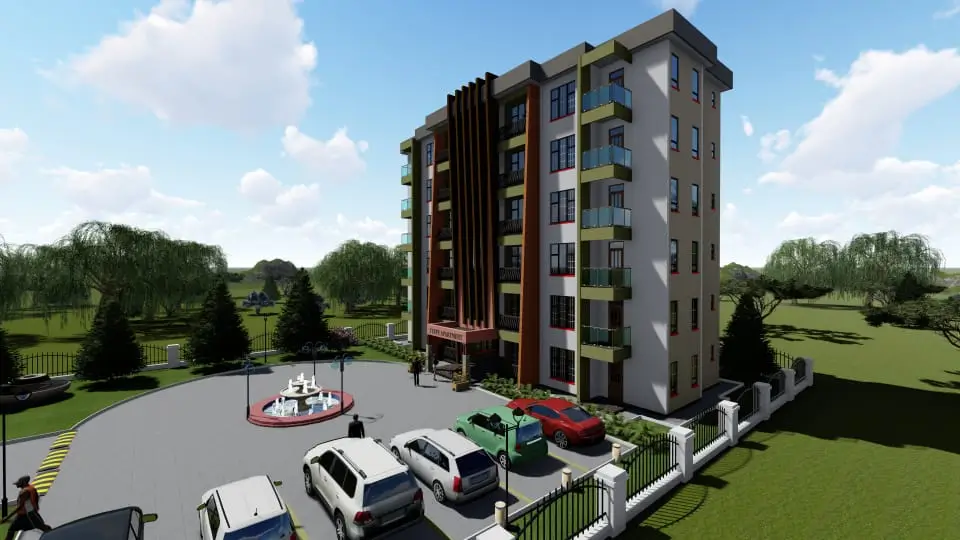
In affordable apartment construction, one of the most common mistakes developers make is focusing only on short-term savings while ignoring long-term performance. While it may seem cost-effective to choose the cheapest materials or construction options upfront, this approach often leads to higher maintenance and replacement costs over time.
A smarter strategy is to focus on lifecycle cost, which considers the total expense of a building over its entire lifespan—including construction, maintenance, repairs, and operation. High-quality but moderately priced materials often deliver better value because they last longer and require fewer repairs.
Energy-efficient design is another key factor in long-term affordability. Features such as proper insulation, natural lighting, and efficient ventilation reduce electricity and water consumption, lowering monthly operating costs for tenants and improving overall building sustainability.
According to the Brookings Institution, successful housing development requires balancing cost, quality, and performance to ensure affordability without sacrificing durability or livability.
Ultimately, true affordability is not just about building cheaply—it is about building smartly to minimize costs throughout the entire life of the property.
Case Study / Real-World Example (Optional but Powerful)
A practical example of affordable apartment construction can be seen in a mid-rise rental project developed in an emerging urban area outside Nairobi. The developer aimed to maximize rental income while keeping construction costs low without compromising structural quality or tenant comfort.
The project successfully applied several cost-saving strategies. First, the design used standardized floor layouts, allowing repetition of units across all floors and reducing architectural and labor costs. Second, the developer adopted a low-rise walk-up typology (four floors), eliminating the need for elevators and reducing mechanical system expenses. Third, locally sourced materials were prioritized, significantly lowering transportation and procurement costs. Plumbing systems were also optimized by stacking wet areas vertically, reducing piping complexity and installation time.
Additionally, bulk purchasing of materials and strict project monitoring helped prevent cost overruns. As a result, the project was completed within budget and ahead of schedule.
From a financial perspective, the development achieved strong returns due to high occupancy rates and competitive rental pricing. The reduced construction cost per unit allowed the developer to offer affordable rents while maintaining healthy profit margins, demonstrating how strategic planning directly improves ROI in apartment projects.
Conclusion: Building Affordable Apartments the Smart Way
Building affordable apartments is not simply about cutting costs—it is about making intelligent, well-informed decisions at every stage of the development process. From understanding the full cost structure to selecting the right design, materials, and construction methods, each step plays a critical role in achieving both affordability and quality.
First, a clear understanding of cost breakdowns helps developers identify where the biggest savings can be made without compromising structural integrity. Second, smart design choices, such as standardized layouts and compact living spaces, significantly reduce construction waste and improve efficiency. Third, efficient construction methods and material selection ensure that projects are completed faster, with fewer resources, while still maintaining durability and performance. Finally, awareness of regulatory and policy requirements helps prevent unnecessary delays and additional costs.
Affordable housing development should always be viewed as a strategic investment approach rather than cheap construction. Cutting corners may reduce initial expenses, but it often leads to higher maintenance costs, reduced tenant satisfaction, and lower long-term returns. Instead, the goal is to balance cost, quality, and sustainability.
For investors and developers, applying these strategies leads to stronger project outcomes, improved rental yields, and long-term asset value growth. In a competitive real estate market, those who build smartly—not cheaply—are the ones who achieve lasting success and sustainable profitability.