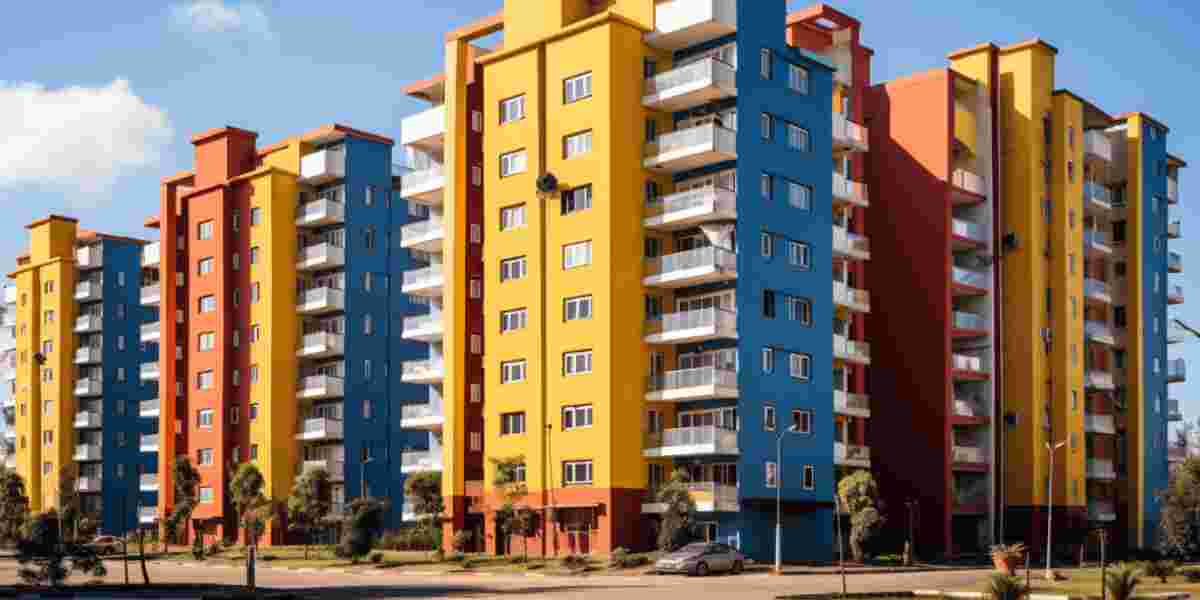
Discover proven affordable housing construction solutions, low‑cost housing construction techniques, and cost‑efficient building strategies that improve sustainability and speed while cutting budgets — including modular, 3D printing, alternative materials, & financing options.
Introduction
A transactional guide for developers, builders, and investors seeking Affordable Housing Construction Solutions that deliver both quality and cost-efficiency. This guide covers modern construction techniques, from modular and prefabricated systems to low-cost building materials, and explains how financing strategies can make housing projects more viable. Whether you are planning a small residential project or a larger budget housing development, this article shows actionable steps to reduce costs while maintaining durability and compliance.
The goal is to equip professionals with practical, implementable solutions that speed up construction, save on materials and labor, and offer long-term sustainability. By combining innovative building methods with smart planning and financial tools, you can achieve successful low-cost housing construction while addressing local community needs effectively.
Modern & Low‑Cost Construction Technologies
Modular & Prefabricated Systems
Modular and prefabricated systems are revolutionizing Affordable Housing Construction Solutions by allowing sections of homes to be built off-site and assembled quickly on-site. This approach significantly reduces labor costs, minimizes on-site errors, and shortens the overall construction timeline, making it ideal for budget housing development. Prefabricated modules can also be customized to meet local design standards and sustainability goals, offering both flexibility and efficiency. Builders implementing these methods often see faster ROI due to lower material waste and reduced project delays.
3D Printing & Additive Construction
3D printing technology provides a modern solution for low-cost housing construction by creating walls, structural components, and even entire homes layer by layer. This method drastically reduces material waste and labor requirements while enabling highly precise and customizable designs. Additive construction can also integrate sustainable materials, helping developers meet environmental standards and affordability targets simultaneously. Its scalability allows developers to produce multiple units efficiently without compromising quality.
Interlocking & Block Systems (IHS‑One, Moladi & Similar)
Interlocking block systems such as IHS-One and Moladi offer a practical, cost-effective solution for budget housing development. These systems simplify construction by eliminating the need for mortar in some cases, reducing labor intensity and construction time. The blocks are durable, energy-efficient, and can be manufactured locally, which lowers transportation costs and supports local economies. Many developers find that combining these block systems with modular strategies further optimizes building efficiency and cost savings.
Material Innovations for Budget Housing
Low-Cost & Local Materials
Using low-cost and locally sourced materials is a cornerstone of Affordable Housing Construction Solutions, as it minimizes transportation expenses and supports local economies. Materials like stabilized earth, bamboo, or recycled aggregates not only reduce costs but also enhance sustainability and adaptability to local climates. Developers can tailor these materials to various building designs while maintaining structural integrity, making them suitable for both single-family and multi-unit projects. This strategy also aligns with SDG 11 on sustainable cities and communities, promoting resilient urban growth.
Stabilized Mud Blocks, Filler Slabs & Soil Tech
Stabilized mud blocks, filler slabs, and innovative soil technologies are affordable, eco-friendly alternatives for low-cost housing construction. These methods reduce the need for cement, lower overall material costs, and improve thermal performance in hot climates. By integrating such techniques, developers can achieve durable and safe homes while staying within tight budgets. Many projects using these technologies have successfully combined speed of construction with environmental benefits.
Biogenic or Eco-Materials (Mycelium, Recycled Panels)
Biogenic and recycled materials, including mycelium and recycled panels, are emerging as innovative solutions for budget housing development. These materials are lightweight, renewable, and often carbon-neutral, making them ideal for sustainable low-cost housing projects. They can be adapted to modular or prefabricated construction, enhancing flexibility and affordability. Incorporating these materials also demonstrates environmental responsibility while meeting long-term durability and energy efficiency goals.
Cost-Optimized Design & Planning Strategies
Compact Functional Layouts
Compact functional layouts optimize Affordable Housing Construction Solutions by maximizing usable space while minimizing construction costs. Smart space planning reduces material requirements and simplifies structural needs, making it easier to achieve low-cost construction targets. This approach also improves livability by creating multi-functional areas and efficient room arrangements for families and communities. Developers can combine these layouts with modular systems to further accelerate construction.
Passive Climate & Energy-Efficient Design
Passive climate design and energy-efficient strategies help reduce operational costs for low-cost housing construction over the building’s lifetime. Techniques such as natural ventilation, strategic orientation, and insulation reduce energy consumption and improve comfort without expensive systems. Integrating these strategies during planning ensures affordable housing is both sustainable and cost-effective. Developers can achieve long-term savings and attract environmentally conscious buyers.
Cluster & Shared Infrastructure Planning
Clustered housing and shared infrastructure planning enhance the efficiency of budget housing development by optimizing land use and resource sharing. Grouping homes and communal facilities reduces infrastructure costs for water, electricity, and roads while fostering stronger community interaction. Developers can phase construction to manage budgets effectively, making it a practical solution for both urban and peri-urban areas.
Site & Structural Strategies for Lower Costs
Load Bearing vs Frame Decisions
Choosing between load-bearing walls and framed structures is a critical decision in Affordable Housing Construction Solutions, as it directly affects material costs, labor requirements, and construction speed. Load-bearing systems can reduce steel and concrete use, while framed structures allow for larger open spaces and future scalability. Developers must weigh initial costs against long-term flexibility, durability, and maintenance. Selecting the right approach ensures both immediate savings and long-term efficiency.
Simple Roof & Foundation Choices
Simplified roof designs and foundation techniques can significantly lower overall project costs in low-cost housing construction. Options like filler slab roofs or shallow foundations reduce material requirements without compromising structural integrity. By aligning roof and foundation choices with soil conditions and local climate, developers can avoid expensive repairs and delays. Efficient structural design also accelerates project timelines and minimizes labor costs.
Scalable & Incremental Construction Approaches
Scalable and incremental construction allows budget housing development to grow in phases according to available funding and demand. Developers can start with core structures and expand over time, spreading costs while maintaining quality. This strategy also supports community planning and resource allocation, ensuring long-term sustainability. Implementing incremental methods reduces financial risk while keeping construction timelines manageable.
Financial Tools & Policy Support
Public-Private Partnerships
Public-private partnerships (PPPs) are an effective way to fund affordable housing construction solutions, combining government support with private sector expertise. PPPs reduce financial burden for developers and speed up project approval and execution. By leveraging these partnerships, investors gain access to subsidies, technical support, and shared risk. Implementing PPPs strategically can unlock larger-scale budget housing projects without overstretching capital.
Subsidies, Grants & Incentives
Government subsidies, grants, and tax incentives provide actionable support for low-cost housing construction. Developers can reduce upfront expenses, improve affordability for buyers, and increase project feasibility. These tools are often tied to meeting sustainability and compliance requirements, so proper planning is essential. Leveraging these incentives effectively ensures financial efficiency and supports long-term housing affordability.
Affordable Mortgages & Developer Financing
Access to affordable mortgages and tailored developer financing is crucial for budget housing development. These financial tools allow buyers to pay over time while enabling developers to maintain cash flow and scale production. Structured financing options can also make projects more attractive to investors, increasing funding opportunities. Incorporating these strategies ensures both market accessibility and sustainable construction growth.
Common Pitfalls & How to Avoid Them
Regulatory & Permitting Delays
Regulatory and permitting delays are common obstacles in affordable housing construction solutions that can inflate costs and extend project timelines. Developers must understand local zoning laws, building codes, and permit requirements before breaking ground. Proper planning, early engagement with authorities, and documentation help avoid unnecessary delays and fines. Staying compliant ensures smoother project execution and cost efficiency.
Cost Overruns & Labor Misestimates
Cost overruns and labor misestimates are frequent challenges in low-cost housing construction. Inaccurate budgeting, poor workforce planning, and unexpected material price fluctuations can quickly derail a project. Effective cost monitoring, labor management, and contingency planning reduce financial risk. Ensuring accurate estimates from the start protects both developers and investors from overspending.
Quality vs Price Trade-Offs
Balancing quality and price is essential in budget housing development to ensure durability and safety while maintaining affordability. Cutting costs too aggressively can compromise structural integrity, resulting in higher long-term maintenance expenses. Developers should prioritize materials and techniques that provide value without sacrificing standards. Strategic decision-making ensures homes are safe, sustainable, and cost-effective.
Conclusion
Implementing Affordable Housing Construction Solutions requires a combination of smart design, innovative materials, efficient construction methods, and financial planning. By integrating modular systems, 3D printing, low-cost materials, and incremental construction, developers can reduce costs, shorten timelines, and deliver high-quality homes for communities. Long-term planning and sustainable strategies ensure these solutions remain viable for future housing projects.