
Why Hire a Structural Engineer in Kenya? (Key Benefits & Value)
Hiring a structural engineer in Kenya ensures your project is safe, cost-effective, and fully compliant with building regulations. From residential homes to commercial buildings, structural engineering services help you avoid costly mistakes while delivering long-term value.
Safety, Code Compliance and EBK Registration
Every building must meet Kenya’s county bylaws and national codes. A licensed structural engineer (EBK registered) guarantees your design follows these rules, reducing risks of rejection or demolition.
Key points:
Compliance with county approval processes.
Use of Kenyan Standards, Eurocodes, and building bylaws.
Accurate calculations for foundations, beams, and slabs.
Liability Protection & Professional Indemnity (PI) Insurance
A structural engineer protects both you and your investment. With professional indemnity insurance, the engineer takes legal responsibility for design errors or omissions. This shields you from financial loss if problems arise.
Benefits of PI coverage:
Reduces owner liability in case of design failure.
Adds confidence when working with contractors.
Meets requirements for bank loans and insurance providers.
How Engineers Save Money Across the Project Lifecycle
Many clients think hiring an engineer adds cost. In reality, it prevents waste and saves money long-term. Engineers optimise designs, reduce unnecessary reinforcement, and extend the lifespan of structures.
Ways structural engineers cut costs:
Value engineering for smarter material use.
Avoiding design mistakes that lead to expensive repairs.
Efficient supervision that keeps projects on schedule.
Structural Engineering Services Offered in Kenya
A licensed structural engineer in Kenya provides a wide range of services for both residential and commercial projects. These services ensure your building is safe, durable, and cost-efficient from design to completion.
Structural Design: Foundations, Slabs, Beams, Columns
Structural engineers create safe and economical designs for critical elements like foundations, slabs, beams, and columns. Proper design prevents structural failures and guarantees compliance with county approvals.
Example: A well-designed foundation reduces settlement issues and extends the lifespan of your building.
Analysis & Calculations (Seismic, Wind, Load Combinations)
Every structure must withstand forces such as weight, wind, and even earthquakes in some regions. Engineers perform detailed calculations and simulations to confirm your building can safely handle these loads.
This process improves safety and avoids costly overdesign.
Reinforcement Detailing & Shop Drawings (Ready-for-Construction Packs)
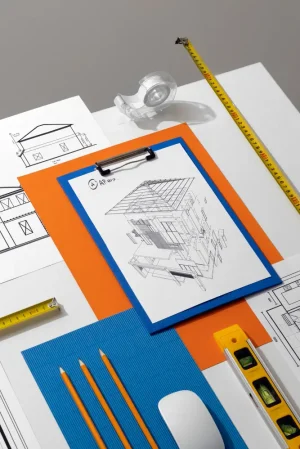
Structural engineers prepare reinforcement detailing and shop drawings used directly on-site by contractors. These documents specify steel bar sizes, spacing, and connections.

Clear drawings reduce errors during construction and ensure your project runs smoothly.
Site Supervision, Inspections & Testing (Material Tests, Slump, Cubes)
Engineers don’t just design; they supervise and inspect work during construction. Site visits ensure that materials and workmanship meet required standards.
Common quality checks include:
Concrete slump tests.
Cube strength tests.
Steel quality verification.
Retrofitting, Strengthening, Crack Repair and Diagnostics
For older or damaged buildings, engineers provide retrofitting and strengthening solutions. They also assess cracks and structural weaknesses to recommend safe, cost-effective remedies.
This service helps property owners avoid demolitions and extend the life of their buildings.
Temporary Works, Shoring, Formwork & Demolition Support
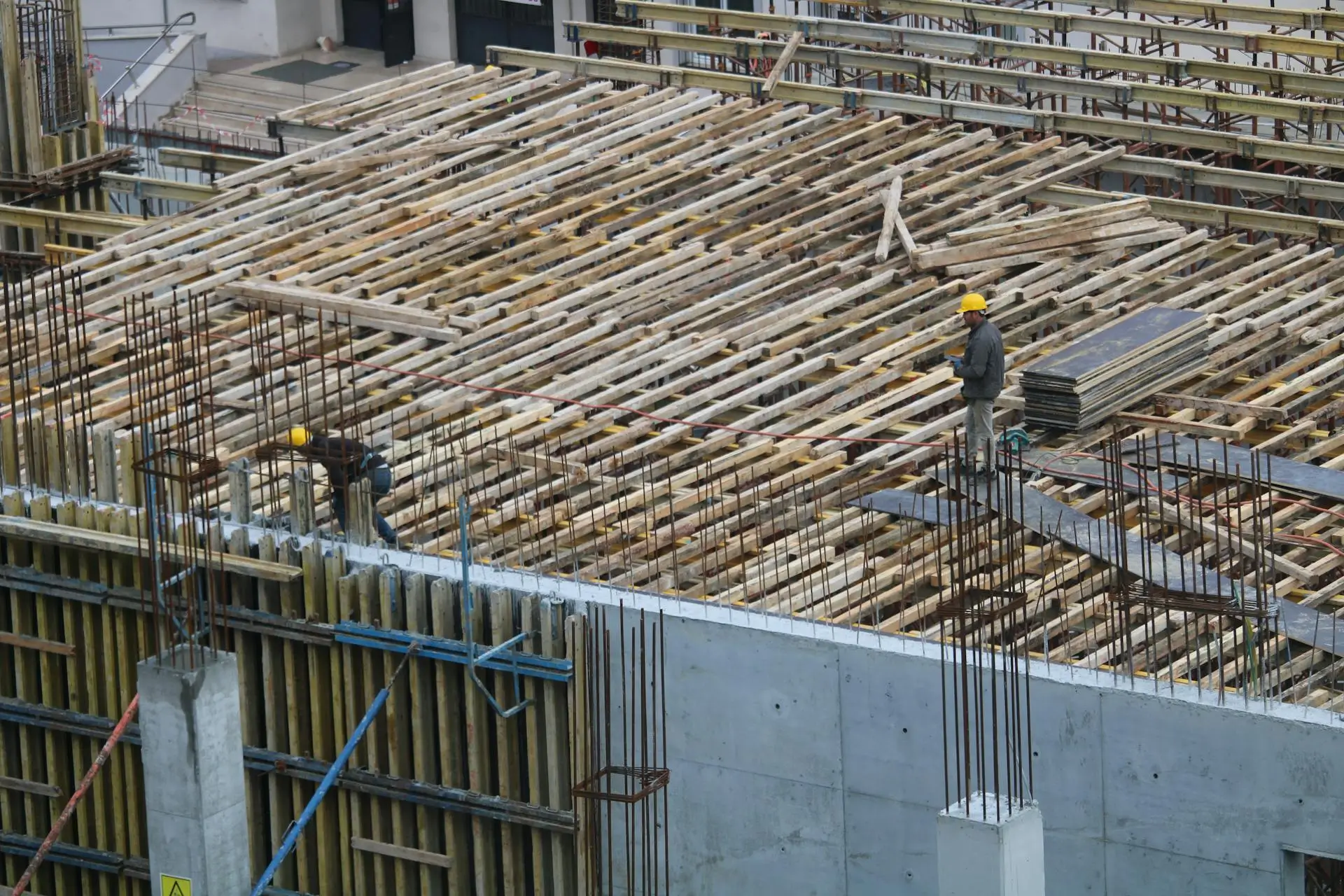
Engineers design temporary structures such as scaffolding, shoring, and formwork. These ensure stability during construction or the safe demolition of existing buildings.
Proper design of temporary works reduces accidents and costly delays.
Value-Adds: 3D Modelling / BIM, Peer Review and Constructability Checks
Some firms offer advanced services like 3D modelling (BIM) and peer review of designs. These tools help detect clashes early, improve accuracy, and cut down on rework.
They also provide constructability reviews to confirm a project can be built efficiently on-site.

Typical Projects & Sample Fee Bands in Kenya
Understanding structural engineer fees in Kenya helps property owners budget better. While costs vary depending on complexity and location, ballpark ranges give you a realistic starting point before requesting a detailed quote.
Fee Bands for: Single-Storey Bungalow, 2–3 Bed Maisonette, Small Commercial, Multi-Storey
Typical structural engineering fees in Kenya are based on project type and size. Below are rough ranges (for guidance only — confirm with a licensed engineer):
Single-storey bungalow: KSh 60,000 – 90,000
2–3 bedroom maisonette: KSh 100,000 – 150,000
Small commercial block (2–3 floors): KSh 180,000 – 300,000
Multi-storey apartments (5+ floors): 1.5% – 3% of total construction cost
These ranges cover drawings and calculations but may exclude site supervision and specialist reports.
Example Mini Case: Cost Comparison — With Engineer vs Without (Numbers + Savings)
Hiring an engineer may seem like an extra cost, but it often saves money overall.
Example:
Without an engineer: A 2-storey maisonette
design overestimates steel bars. Extra 5 tonnes of steel = ~KSh 400,000 wasted.
With the engineer: Optimised design saves 30% reinforcement, cutting costs significantly while still passing approvals.
This shows how structural design services in Kenya reduce waste and keep projects safe.
When to Expect Additional Costs (Soil Report, Specialist Testing, Revisions)
Some items are not always included in a base quotation. Clients should budget for:
Soil investigation report: KSh 25,000 – 40,000 (depending on site).
Material testing: Concrete cubes, steel certification, and slump tests.
Design revisions: Major architectural changes may add extra fees.
Travel expenses: For sites outside Nairobi or major towns.
Pricing Models & What Affects Structural Engineer Costs in Kenya
When budgeting for structural engineering services in Kenya, it’s important to understand how fees are structured. Different pricing models and project conditions can change the final cost, so knowing these factors helps you avoid surprises.
Common Fee Structures: Percentage, Lump Sum, Hourly, Milestone-Based
Structural engineers in Kenya use different pricing methods depending on the scope:
Percentage of construction cost: Common for large commercial or multi-storey projects (1.5%–3%).
Lump sum: A fixed fee for defined deliverables, often used for residential homes.
Hourly rate: Charged for consultations, minor works, or design checks.
Milestone-based: Payments tied to stages such as design, approvals, and supervision.
Cost Drivers: Project Complexity, Soil & Site Access, Approvals, Materials Choice
Several factors directly influence structural engineer fees in Nairobi and other towns:
Project complexity: Multi-storey designs require more calculations than bungalows.
Soil and site conditions: Poor soils need advanced foundation design.
County approvals: Some regions demand more documentation, adding time and cost.
Materials: Structural steel vs reinforced concrete can affect design hours.
These cost drivers explain why no two quotations are exactly alike.
How Change Orders and Scope Creep Shift Final Fees
Unexpected changes often increase the final bill. Examples include:
Client revises architectural layouts after structural drawings are complete.
Extra floors are added mid-project.
Contractors request frequent design adjustments.
Each change requires new calculations, drawings, and sometimes county resubmissions — all billed separately. This is why a clear contract with your engineer is vital.

How to Get an Accurate Structural Engineering Quote in Kenya
To avoid hidden costs and delays, property owners should provide the right information upfront. A well-prepared request makes it easier for a structural engineer in Kenya to give a precise quotation, saving both time and money.
Documents to Prepare: Site Plan, Architectural Drawings, Soil Report, BOQ, Photos
Engineers need accurate data to price services correctly. Before requesting a quote, prepare: Site plan with plot boundaries. Architectural drawings approved or in progress. Soil investigation report if available. Bill of Quantities (BOQ) or preliminary cost estimate. Site photos to show access and conditions.
Standard Deliverables to Request in a Proposal (Drawings, Calcs, Inspection Reports)
Every quote should clearly state what you will receive. Typical deliverables include:
Structural design drawings.
Engineering calculations.
Reinforcement detailing/shop drawings.
Inspection and supervision reports.
Asking for these upfront ensures transparency and avoids disputes later.
Quick Quote Flow: Submission → Site Visit → Draft Proposal → Final Quote (Timeline)
Most engineering firms in Nairobi and major towns follow a simple process:
1. Submission: Client sends documents and a request.
2. Site visit: Engineer inspects site conditions.
3. Draft proposal: Initial scope and fee shared.
4. Final quote: Confirmed after review and client approval.
This process usually takes 3–7 working days, depending on project complexity.
Lead Magnet: Downloadable “Quotation Checklist” & Simple Online Cost Estimator
To help clients prepare, firms can offer free tools such as: A Quotation Checklist PDF with required documents. A basic online cost estimator for structural design fees. These tools build trust and encourage potential clients to request a detailed quote.
Related post: The Latest Apartment Design Trends in Kenya (2025 Update)

Choosing & Verifying the Right Structural Engineer in Kenya
Hiring the wrong engineer can lead to unsafe structures, costly redesigns, or county approval delays. Property owners should always verify qualifications and contracts before engaging a structural engineer in Kenya.
Checklists: EBK Registration, PIN, Professional References, Portfolio
A qualified engineer must provide:
EBK (Engineers Board of Kenya)
registration number – confirm online.
KRA PIN certificate for compliance.
Professional references from past clients or architects.
Portfolio of drawings and completed projects (residential, commercial, industrial).
Verify PI Insurance, Past Case Studies and County Approvals History
Beyond licenses, serious firms should show proof of:
Professional Indemnity (PI) insurance for liability protection.
Case studies showing similar projects handled successfully.
County approvals history – evidence that their designs are accepted by Nairobi County or other local authorities.
This gives confidence that your project will pass compliance checks without costly redesigns.
Tendering vs Direct Hire — Pros, Cons and Recommended Contract Clauses
Two main options exist for engaging engineers:
Tendering: Competitive bids, but risk of lowest-cost/lowest-quality offers.
Direct hire: Faster, with direct accountability, but requires strong vetting.
Regardless of method, ensure contracts include:
Clear scope of work.
Agreed deliverables.
Payment milestones tied to deliverables.
Dispute resolution clause.
Sample Short Contract Terms and Payment Milestones (What to Include)
A simple, protective contract should state:
Advance deposit (e.g. 20–30%). Design submission milestone (30%). Approval & detailing milestone (30%). Final handover / supervision reports (balance).
This structure ensures cash flow for the engineer while protecting the client from unfinished work.
Lead magnet idea: Download a Free Sample Engineer Contract Template (Kenya Edition).
Related post: The Latest Apartment Design Trends in Kenya (2025 Update)
Related post: 2-Bedroom vs 3-Bedroom Modern Apartment Designs in Kenya – Which is Better?
Value Engineering & Design Options That Reduce Build Cost
Structural engineers don’t just design for safety — they also apply value engineering to make projects affordable without compromising quality. By reviewing spans, materials, and reinforcement details, engineers can help you achieve long-term savings in both construction and maintenance.
Practical Swaps: Optimized Spans, Alternative Materials, Efficient Reinforcement Layouts
Some cost-saving adjustments include:
Optimized spans: Reducing beam lengths or adjusting column placement lowers reinforcement needs.
Alternative materials: Switching from imported steel sections to locally available ones.
Efficient reinforcement layouts: Avoiding overdesign by tailoring steel ratios to actual loads.
Precast vs cast-in-situ: Choosing based on project size and site conditions.
Related post: Modern Apartment Designs for Small Plots in Kenya
Related post: 3-Bedroom House Plans in Kenya – Designs & Cost
Case Study: How Value Engineering Cut Costs on a Local Project (Figures)
Example:
A 2-storey maisonette in Nairobi was initially designed with large spans requiring heavy reinforcement. After structural review, engineers reduced spans by 0.8m and used a ribbed slab instead of a solid slab.
Result: 15% savings in steel costs and 8% faster construction time. This shows how expert input directly impacts the budget.
When to Invest in Strengthening vs Full Rebuild (Financial Checklist)
Sometimes owners face old or damaged structures.
The decision: repair or rebuild?
Strengthening is better when:
Damage is localized (e.g., cracks or corrosion).
Less than 40% of total structure needs replacement.
Future use does not change (no major load increase).
Rebuild is smarter when:
Structural defects are widespread.
Planned usage changes (e.g., adding floors).
Long-term costs of repairs exceed rebuild budget.
Lead magnet idea: Free “Strengthen or Rebuild? Decision Checklist” PDF.
Related post: Best Apartment Designs for Urban Living in Kenya
Related post: Cost of Land in Kiambu vs Machakos Counties (2025 Guide & Comparison)
Regulatory Compliance, Local Approvals & Codes to Know
Every building in Kenya must meet legal and safety standards before construction begins. Structural engineers guide property owners through the approvals maze, ensuring designs are accepted by the right authorities and that construction follows Kenyan codes and international benchmarks.
Key Bodies & Docs: Engineers Board of Kenya (EBK), County Building Permits, Standards Used (KS/KS ISO / Eurocode Note)
Property owners should expect engineers to reference:
Engineers Board of Kenya (EBK) – all engineers must be licensed here.
County building permits – issued by local governments such as Nairobi or Kiambu County.
National standards – Kenya Standards (KS/KS ISO) for materials and workmanship.
Eurocode references – increasingly used for advanced structural designs.
Typical Approval Timeline and Common Hold-Ups (How Engineers Help Fast-Track)
The approval process can take 4–12 weeks, depending on county and project size.
Common hold-ups include:
Missing soil reports or unclear drawings.
Delays in payment of statutory fees.
Revisions requested by county engineers.
How engineers help:
Submitting complete drawing packs.
Following up with county officials.
Addressing queries quickly to avoid resubmissions.
Health & Safety (Site Safety Inspections) and Certification on Handover
Beyond approvals, engineers oversee site safety practices, such as:
Regular site inspections for scaffolding, shoring, and load-bearing safety.
Material testing reports (concrete cubes, steel tests).
Issuing completion certificates for occupancy and insurance.
These steps protect both the owner and future occupants from legal or safety risks.
Related post: Top 10 Modern Apartment Designs in Kenya (With Floor Plans)
Project Delivery, Quality Assurance & Aftercare
A professional structural engineer in Kenya doesn’t stop at design. They guide the project through execution, quality checks, and aftercare to ensure the structure remains safe, compliant, and durable over time. This protects your investment beyond just the initial build.
Typical Milestones and Deliverables (Concept → Detailed Drawings → Supervision)
The engineering process usually follows these phases:
Concept design: Preliminary layouts, structural options, cost estimates.
Detailed drawings & calculations: Foundations, beams, columns, reinforcement schedules.
Approvals: Submission to county + EBK for review.
Construction supervision: Site visits, progress reports, issue resolution.
Materials Testing, Third-Party QA, and Inspection Reports
Quality assurance includes:
Concrete tests (slump + cubes).
Steel tensile and bend tests (to confirm grade).
Third-party inspections for independent verification.
Site inspection reports signed by the engineer, used for county approvals and insurance claims.
These checks reduce risks of structural failure and ensure compliance with Kenyan Standards.
Warranties, Maintenance Guidance & Handling Defects/Disputes
Professional engineers should provide:
Warranties on design integrity (often 5–10 years).
Maintenance guidance — how to monitor cracks, leaks, or corrosion.
Defect resolution process — clear timelines for addressing site issues.
Dispute handling clauses in contracts (e.g., arbitration or mediation).
Lead magnet idea: Free “Homeowner’s Structural Maintenance Checklist (Kenya Edition).”
Conclusion
Hiring a structural engineer in Kenya is not just a legal requirement — it’s a smart investment. From ensuring safety and compliance with EBK and county codes to helping you save money through value engineering and accurate designs, structural engineers add measurable value across the project lifecycle.
By understanding costs, pricing models, and the services offered, property owners can budget wisely and avoid costly mistakes. The right engineer provides not only designs and approvals but also quality assurance, warranties, and aftercare that protect your long-term investment.
Ready to get started? Request a free quotation checklist or talk to our team for a tailored consultation on your upcoming project.
Related post: Apartment Investment in Githunguri: What You Can Build with Kshs.60M and the Expected Monthly & Annual Rental Returns
Frequently asked questions (FAQ)
- What do structural engineering services in Kenya cover?
They include structural design, analysis, reinforcement detailing, site inspections, retrofitting, and value engineering. Some firms also offer BIM modeling, peer reviews, and quality assurance testing.
- How much do structural engineers charge in Kenya?
Fees vary depending on project type and size. For example:
Single-storey bungalow: KSh 50,000–120,000
2–3 bedroom maisonette: KSh 100,000–250,000
Small commercial building: KSh 200,000–500,000
Multi-storey project: Percentage-based (1.5–3% of total cost)
- What documents are needed to get an engineering quote?
You’ll need architectural drawings, a site plan, soil test report, BOQ, and site photos. These allow engineers to prepare accurate calculations and proposals.
- How do I verify a structural engineer in Kenya?
Check their EBK registration, KRA PIN, past references, and portfolio. Always ask for proof of Professional Indemnity insurance for liability protection.
- How long does it take to get county approval?
Approvals usually take 4–12 weeks, depending on county workload and completeness of documents. A licensed engineer can help fast-track approvals by submitting full, compliant packs.
- Can a structural engineer help reduce construction costs?
Yes. Through value engineering, they optimize spans, select cost-effective materials, and prevent overdesign. Case studies show savings of 10–20% on steel and concrete costs.
- What happens if I skip hiring a structural engineer?
Risks include unsafe structures, failed county approvals, costly redesigns, or even building collapse. Insurance claims and resale value may also be affected.
- Do engineers offer aftercare or warranties?
Reputable engineers provide completion certificates, warranties on design integrity (5–10 years), and maintenance guidance. Some also assist with defect resolution and disputes.