Explore the complete guide on Urban vs Rural Apartment Construction in Kenya. Compare costs, ROI, design differences, infrastructure impact, legal approvals, and investment strategies. Learn where to build apartments for maximum profit, rental demand, and long-term growth in Kenya’s real estate market.
Introduction: Why This Comparison Matters in Kenya
Urban vs Rural Apartment Construction in Kenya
Kenya’s real estate sector is evolving rapidly, driven by a powerful mix of urbanization and changing investment priorities. Major cities like Nairobi, Mombasa, and Kisumu continue to attract thousands of people each year in search of employment, education, and better living standards. This steady rural-to-urban migration has significantly increased the demand for rental housing, especially apartments, making urban construction highly attractive to developers.
At the same time, rural and peri-urban areas present a different kind of opportunity. Land is more affordable, more readily available, and often comes with fewer regulatory hurdles. For investors with limited capital or long-term development goals, these regions can seem like the smarter choice. However, the trade-off often lies in lower tenant demand, slower returns, and infrastructure limitations.
This contrast creates a common dilemma for developers: should you invest in high-cost, high-demand urban areas, or opt for lower-cost rural projects with potentially slower returns? The decision is not always straightforward, as both options come with unique risks and rewards that can significantly impact profitability.
So, the key question becomes: Where should you build apartments in Kenya for maximum profit and sustainability?
Overview of Apartment Construction in Kenya
Apartment construction in Kenya has become one of the most attractive segments in the real estate and construction industry. In this context, it refers to the development of multi-unit residential buildings designed to accommodate multiple tenants within a single structure. These developments are typically built for rental income, sale, or a mix of both, and are increasingly preferred due to rising housing demand and limited land availability in urban centres.
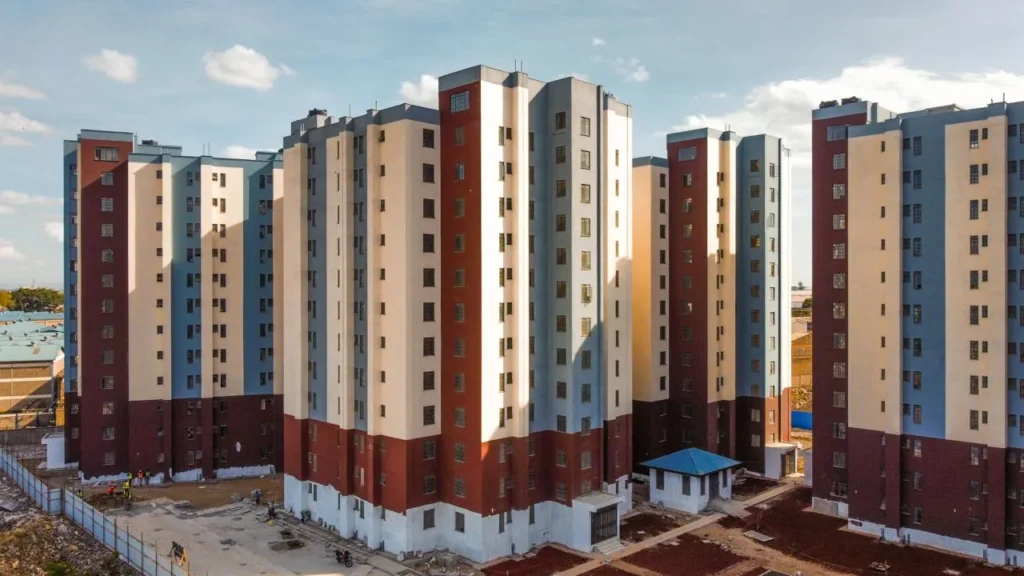
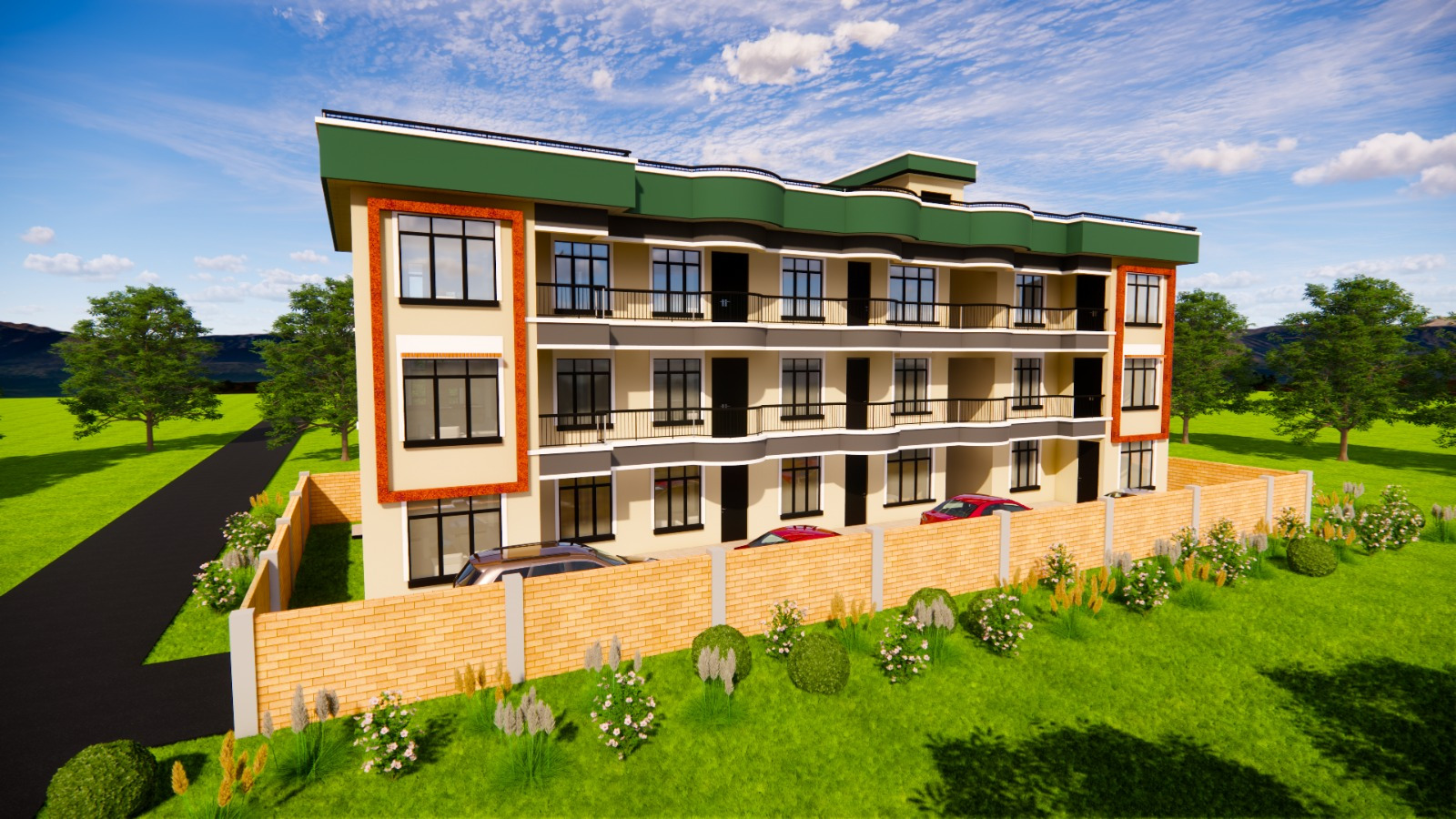
There are several types of apartment developments across the country. Low-rise apartments, usually ranging from one to three floors, are common in both urban outskirts and smaller towns due to their lower construction costs and simpler approval processes. High-rise urban flats, on the other hand, dominate major cities like Nairobi and Mombasa, where land scarcity pushes developers to build vertically, often incorporating modern amenities such as parking, lifts, and security systems. In rural and peri-urban areas, rental blocks or town-centre apartments are emerging, typically modest in design and tailored to local demand, including small families, traders, and civil servants.
The growth of apartment construction in Kenya is fueled by several key demand drivers. Rapid urban migration continues to increase the need for affordable rental housing in cities. At the same time, the expanding middle class is driving demand for better-quality housing with modern amenities. Additionally, student housing demand around universities and colleges has created new opportunities for apartment-style developments in both urban and rural towns.
As these demand patterns evolve, developers are increasingly faced with a critical choice—whether to invest in urban or rural apartment construction—each offering distinct advantages and challenges.
Urban Apartment Construction in Kenya
Urban apartment construction in Kenya remains the most dominant and competitive segment of the real estate market. Cities such as Nairobi, Mombasa, and Kisumu continue to experience high population growth, making them prime locations for apartment development. However, building in urban areas comes with a unique set of challenges and advantages that directly impact project feasibility and profitability.
Land Costs & Acquisition Challenges
One of the biggest barriers to urban apartment construction is the high cost of land. Prime areas in cities command premium prices, significantly increasing the initial capital required for any project. In Nairobi, for instance, land in well-developed neighborhoods can consume a large portion of the total project budget. Additionally, available land is often limited, forcing developers to maximize space through vertical construction. This shift toward multi-storey and high-rise developments increases complexity, requiring more advanced structural designs and higher construction standards.
Construction Costs & Labour
Construction costs in urban areas are generally higher compared to rural regions. Labour rates are elevated due to the cost of living in cities and the demand for experienced workers. However, urban areas also offer easier access to skilled labour, including engineers, architects, and specialized contractors. While this improves construction quality and efficiency, it also drives up overall project costs. Developers must balance the benefits of skilled workmanship against the increased financial outlay.
Approvals, Permits & Regulations
Urban construction projects are subject to stricter regulatory frameworks. Developers must obtain approvals from county governments, which involve detailed architectural and structural plan reviews. Environmental compliance is also mandatory, often requiring approval from national environmental authorities. These processes can be time-consuming and costly, especially if revisions are needed. Delays in approvals can significantly affect project timelines, making proper planning and professional guidance essential.
Infrastructure Advantage
Despite the higher costs, urban areas offer a major advantage in terms of infrastructure. Access to reliable water supply, electricity, sewer systems, and well-developed road networks makes construction and property management more efficient. Good infrastructure not only reduces long-term operational challenges but also increases the attractiveness of the apartments to potential tenants. Connectivity to workplaces, schools, and commercial centres further enhances property value.
Rental Demand & ROI
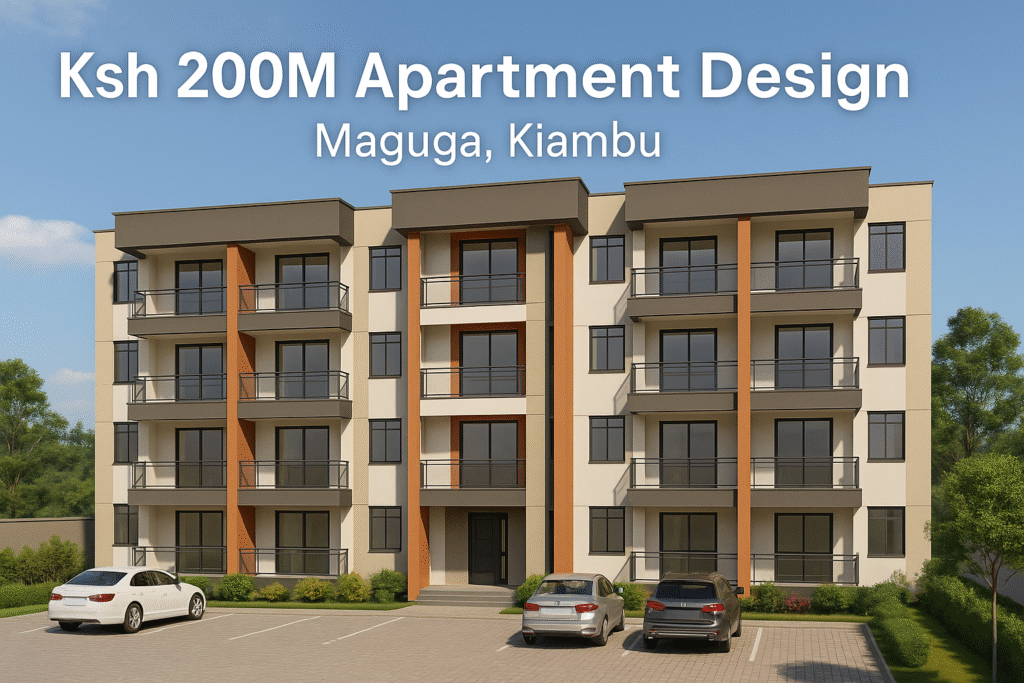
Urban centres provide the strongest rental markets in Kenya. High population density ensures consistent demand for housing, leading to higher occupancy rates compared to rural areas. In addition to long-term tenants, urban apartments can generate income through short-term rental platforms, especially in prime locations. This flexibility allows developers to diversify income streams. As a result, urban apartment projects often achieve higher rental yields and faster return on investment, making them particularly appealing for investors focused on steady cash flow.
Rural Apartment Construction in Kenya
Rural and peri-urban apartment construction in Kenya is increasingly gaining attention among developers looking for lower entry costs and long-term investment opportunities. While these areas may not offer the immediate returns seen in major cities, they present unique advantages that can be highly profitable when approached strategically.
Land Affordability Advantage
One of the most significant benefits of building in rural areas is the affordability of land. Compared to major urban centres, land prices are considerably lower, allowing developers to acquire larger plots at a fraction of the cost. This creates opportunities for phased development, future expansion, or even mixed-use projects. Larger land sizes also provide more flexibility in design, including spacious layouts, parking areas, and additional amenities that would be costly to incorporate in cities.
Lower Construction Costs
Construction costs in rural areas are generally more manageable. Labour is cheaper due to lower living costs, and developers can often source materials such as stone, sand, and ballast locally, reducing transportation expenses. Additionally, rural projects tend to be low-rise, which minimizes the need for complex structural systems and expensive equipment. These factors make rural apartment construction more accessible, especially for small to medium-scale investors.
Infrastructure Limitations
Despite the cost advantages, infrastructure remains a major challenge. Many rural areas lack reliable road networks, which can complicate the transportation of materials and increase project timelines. Access to clean water may require borehole drilling, while electricity supply can be inconsistent, particularly in remote locations. Sewer systems are also less developed, forcing developers to invest in septic tanks or alternative waste management solutions. These additional requirements can offset some of the initial savings if not properly planned.
Market Demand Challenges
Demand for rental apartments in rural areas is typically lower compared to urban centres. Population density is lower, and income levels may not support high rental rates. As a result, developers often face slower tenant uptake and longer vacancy periods. This can delay return on investment and requires careful market research before construction. Building too many units without confirmed demand is a common mistake that can affect project viability.
Opportunities in Rural Towns
However, not all rural areas face low demand. Emerging satellite towns such as Kitengela, the outskirts of Ruiru, and peri-urban zones around Kisumu are experiencing rapid growth due to urban spillover. These areas benefit from improving infrastructure and increasing population movement from cities. Additionally, university towns and busy trading centres offer strong rental potential, driven by students, small business owners, and civil servants. For developers who identify the right location, rural apartment construction can deliver steady long-term returns with lower initial risk.
Cost Comparison: Urban vs Rural Apartment Construction (350–400 words)
Understanding the cost differences between urban and rural apartment construction in Kenya is critical for making informed investment decisions. While both options require careful budgeting, the overall cost structure varies significantly depending on location, scale, and available infrastructure.
In urban areas, apartment construction costs are generally higher due to expensive land, stricter regulations, and the need for more complex building designs. On average, construction costs in cities like Nairobi can range between KES 35,000 to KES 60,000 per square metre, depending on the quality of finishes and building height. High-rise apartments, which require lifts, reinforced structures, and advanced systems, tend to fall on the higher end of this range. When calculated per unit, this translates to a substantial upfront investment, especially when combined with high land acquisition costs.
In contrast, rural apartment construction is more affordable. Costs typically range between KES 25,000 to KES 40,000 per square metre, largely due to cheaper labour, simpler designs, and the availability of local building materials. Most rural projects are low-rise, which reduces structural complexity and eliminates the need for costly features like elevators. This makes rural developments more accessible to investors with limited capital.
However, beyond the basic construction costs, developers must consider several hidden expenses that can significantly impact the total budget. Transport costs can be higher in rural areas due to poor road networks and long distances from suppliers. Permits and approvals, while generally cheaper in rural regions, can still vary depending on county requirements. Additionally, utility connections—such as water, electricity, and sewer systems—can be costly in undeveloped areas, sometimes requiring boreholes, septic tanks, or power backups.
Simple Cost Comparison Table
| Factor | Urban Areas | Rural Areas |
| Cost per sqm | KES 35,000 – 60,000 | KES 25,000 – 40,000 |
| Land Cost | Very High | Low |
| Labour Cost | High | Low |
| Building Type | High-rise / Multi-storey | Low-rise |
| Infrastructure Availability | Well-developed | Limited / Developing |
| Hidden Costs | Permits, compliance | Transport, utilities setup |
Ultimately, while rural construction appears cheaper on the surface, hidden costs and lower rental returns must be weighed against the higher but potentially more profitable urban investment.
ROI and Investment Analysis
Return on Investment (ROI) is one of the most important factors developers consider when choosing between urban and rural apartment construction in Kenya. While both options can be profitable, they differ significantly in terms of income generation, appreciation rate, and investment timeline.
Urban ROI
Urban apartment developments are well known for delivering faster payback periods. Due to high population density and strong housing demand in cities like Nairobi, Mombasa, and Kisumu, occupancy rates are typically high. This ensures consistent rental income almost immediately after project completion. In prime locations, units can be occupied even before full completion through off-plan or early leasing strategies.
Additionally, urban apartments offer high rental yields, especially in areas close to business districts, universities, and transport hubs. Developers can also diversify income streams through short-term rental options such as furnished apartments and serviced units. These factors contribute to a steady and predictable cash flow, making urban projects highly attractive for investors seeking regular income.
Another advantage is the strong resale market. Urban properties tend to appreciate faster due to limited land availability and ongoing infrastructure development. This makes it easier for developers to exit projects profitably, whether by selling individual units or the entire property.
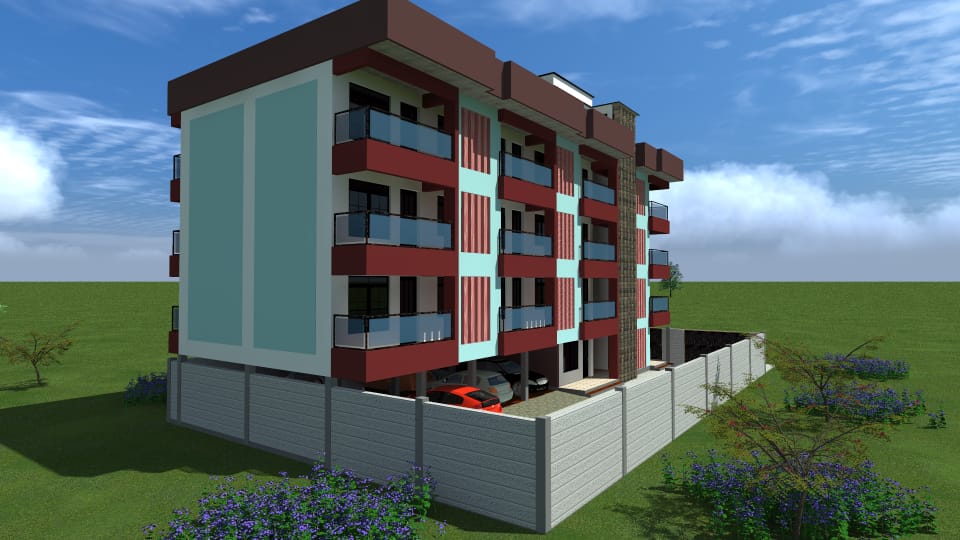
Rural ROI
Rural apartment construction, on the other hand, offers a different type of return. While initial costs are lower, rental income is generally slower and less predictable due to lower demand and population density. Occupancy rates may take time to stabilize, resulting in a longer payback period compared to urban investments.
However, rural developments provide significant land banking benefits. As infrastructure improves and towns expand, land values in these areas can increase substantially over time. Investors who enter early in emerging locations often benefit from long-term appreciation, even if short-term rental income is modest.
Rural areas also present strong long-term development potential, particularly in growing satellite towns and regions near universities, highways, or industrial zones. With the right location and timing, a rural apartment project can transition from a slow starter into a highly valuable asset.
Key Investor Insight
Ultimately, the choice between urban and rural apartment construction depends on your investment goals and time horizon. Urban areas are ideal for investors seeking immediate cash flow and quicker returns, while rural areas are better suited for those focused on long-term growth and land value appreciation.
Urban wins short-term income, rural wins long-term land value.
Infrastructure Impact on Construction Success
Infrastructure plays a decisive role in determining the success or failure of apartment construction projects in Kenya. While many developers focus heavily on land prices, the reality is that infrastructure often has a greater impact on overall project viability, cost efficiency, and long-term returns.
One of the most critical factors is road access and accessibility. Well-developed road networks make it easier to transport construction materials, machinery, and labour to the site. In urban areas, good accessibility reduces delays and ensures a smoother construction process. In contrast, poor or seasonal roads in rural areas can significantly slow down progress, increase transport costs, and even damage materials during delivery.
Equally important are utilities such as water, electricity, and sewer systems. Reliable access to water is essential not only during construction but also for future tenants. In areas without a stable water supply, developers may need to invest in boreholes or water storage systems, which adds to the initial cost. Electricity is another key consideration, as inconsistent power supply can disrupt construction timelines and affect the attractiveness of the completed apartments. Proper sewer systems are also crucial, particularly for high-density developments, as they directly impact sanitation and compliance requirements.
Infrastructure also has a direct influence on the construction timeline and overall cost. Projects in well-serviced areas tend to be completed faster and within budget, while those in underdeveloped regions often face delays, unexpected expenses, and logistical challenges.
Ultimately, infrastructure can make or break an apartment project. A cheaper plot of land in a poorly serviced area may end up costing more in the long run than a more expensive plot in a well-developed location. For this reason, smart developers prioritize infrastructure availability over land price when selecting a construction site.
Design Considerations: Urban vs Rural Apartments
Design plays a crucial role in the success of apartment construction, and the approach varies significantly between urban and rural settings in Kenya. Developers must align their design choices with land availability, target market, and infrastructure to maximize both functionality and returns.
Urban Designs
In urban areas, space is limited and expensive, which drives the need for compact and efficient layouts. Apartments are typically designed to maximize the number of units within a small plot, often featuring one-bedroom and studio units that appeal to young professionals and small households. This focus on space efficiency ensures higher rental yield per square metre.
Urban developments also rely heavily on vertical expansion, with buildings ranging from three to ten floors or more depending on zoning regulations. This allows developers to optimize land use but also requires more complex structural designs, lifts, and safety systems, increasing construction costs.
Another key challenge is parking constraints. Limited space forces developers to incorporate creative solutions such as basement parking, stilt parking, or reduced parking ratios. Proper planning is essential, as inadequate parking can reduce the attractiveness and value of the property.
Rural Designs
In contrast, rural apartment designs benefit from larger land sizes, allowing for more spacious layouts. Units can be bigger, with more rooms and outdoor spaces, which appeals to families and long-term tenants. Developers are not as constrained by space, making it easier to create comfortable and flexible living environments.
Rural projects also favor horizontal expansion, with buildings spread across the plot rather than stacked vertically. Most developments are low-rise, which simplifies construction and reduces costs associated with structural complexity.
Additionally, rural developments allow for flexible unit planning. Developers can easily adjust unit sizes, add extensions, or phase construction based on demand. This adaptability is a major advantage, especially in areas where market demand is still growing and evolving.
Legal & Approval Differences
Legal and approval processes are a critical part of apartment construction in Kenya, and they vary significantly between urban and rural areas. Understanding these differences helps developers avoid costly delays, disputes, and compliance issues.
In urban areas, construction is governed by strict county regulations. Developers must submit detailed architectural, structural, and service drawings for approval before breaking ground. These approvals often involve multiple departments, including planning, public health, and environmental authorities. Compliance requirements are high, and any errors or omissions can lead to delays, redesign costs, or even project suspension. While the process is well-structured, it can be time-consuming and requires professional expertise to navigate efficiently.
In rural areas, the process is generally less complex, but it comes with its own challenges. Land ownership systems may vary, especially in regions where ancestral or community land is common. This makes due diligence extremely important before purchasing land. Developers must confirm that the seller has legitimate ownership rights and that the land is free from disputes.
One of the biggest risks in rural construction is title deed uncertainty. While urban properties typically have clear and well-documented titles, rural plots may have incomplete documentation or pending registration issues. This can lead to legal complications if not properly verified.
When it comes to approval timelines, urban projects often take longer due to strict regulatory checks, while rural approvals may be faster but less standardized. Ultimately, whether building in urban or rural areas, proper legal verification and compliance are essential to ensure a smooth and secure construction process.
Common Mistakes Developers Make
Apartment construction in Kenya can be highly profitable, but many developers make avoidable mistakes that significantly affect project success. One of the most common errors is building rural apartments without proper demand research. Some investors are attracted by cheap land and low construction costs, only to realize later that tenant demand is too low to sustain occupancy. Without understanding the local market—such as population trends, income levels, and rental demand—projects can remain vacant for long periods.
Another frequent mistake is underestimating urban compliance costs. Many developers budget for construction and land but overlook expenses related to approvals, permits, environmental assessments, and professional fees. In cities, these costs can be substantial and may delay projects if not planned for in advance.
Poor contractor selection is also a major risk. Choosing contractors based solely on the lowest bid often leads to substandard workmanship, delays, or cost overruns. Quality construction requires experienced professionals who understand both design and execution.
Developers also tend to ignore infrastructure availability, especially in rural areas. Building in locations without reliable roads, water, or electricity can increase costs and reduce the attractiveness of the apartments to potential tenants.
Finally, wrong location targeting can undermine an otherwise well-executed project. Even in urban areas, choosing the wrong neighborhood—far from transport routes, schools, or commercial centres—can lead to low occupancy. Successful apartment construction always starts with the right location backed by solid research.
Best Strategy: Urban, Rural or Hybrid Approach?
Choosing between urban and rural apartment construction in Kenya is not always a straightforward decision. Each option offers distinct advantages, and the best approach often depends on an investor’s budget, goals, and investment timeline. However, a well-planned strategy can significantly improve profitability and reduce risk.
Urban areas are best suited for cash flow-driven investments. Due to high demand for rental housing in cities such as Nairobi, Mombasa, and Kisumu, apartments in urban locations tend to generate consistent rental income. Investors who prioritize quick returns and steady monthly income often prefer urban developments, despite the higher initial costs.
On the other hand, rural areas are ideal for land banking and long-term investment growth. While rental income may be slower to develop, land values in emerging towns and rural growth centres tend to appreciate over time. Investors who are patient and focused on future value creation often benefit from holding rural properties as infrastructure gradually improves.
A more balanced and increasingly popular option is the hybrid strategy. This approach focuses on building in peri-urban growth zones, which combine elements of both urban and rural environments. These areas often have improving infrastructure, growing populations, and relatively affordable land prices. They provide a sweet spot between cost and demand.
Examples include the outskirts of Nairobi such as Kitengela, Ruiru, and Athi River, as well as Kisumu suburbs and satellite towns around major highways and trading centres. These locations offer strong rental demand while still allowing developers to acquire land at reasonable prices.
Ultimately, the hybrid strategy allows investors to balance risk and reward, making it one of the most effective approaches in Kenya’s evolving real estate market.
Future Trends in Kenyan Apartment Construction
Kenya’s apartment construction sector is rapidly evolving, shaped by population growth, urban expansion, and changing housing needs. One of the most notable trends is the rise of satellite towns. Areas surrounding major cities such as Nairobi, Mombasa, and Kisumu are experiencing accelerated growth as people seek more affordable housing options while still staying connected to urban centres. This is driving increased demand for well-planned apartment developments in peri-urban zones.
Another major driver is the government’s focus on affordable housing projects, which is encouraging private developers to explore cost-effective construction models. This initiative is expanding opportunities for mid-income and low-income rental apartments across both urban and emerging towns.
The industry is also gradually shifting toward smart construction techniques, including improved project planning tools, digital design (BIM), and better material optimization. These innovations are helping developers reduce waste, control costs, and improve construction efficiency.
In addition, prefabricated and modular building methods are gaining attention. These approaches allow faster construction timelines and more predictable quality, making them attractive for large-scale apartment projects, especially in urban areas where speed and efficiency are critical.
Finally, there is a continuous increase in demand for rental apartments, driven by a growing urban population, rising student numbers, and a mobile workforce. This sustained demand ensures that apartment construction will remain one of the most profitable real estate sectors in Kenya for years to come, provided developers adapt to changing market trends.
Conclusion: Smart Decision-Making for Developers
Choosing between urban and rural apartment construction in Kenya is ultimately a strategic decision rather than just a location preference. Urban developments offer strong demand, faster occupancy, and higher rental yields, but they come with significantly higher land, construction, and compliance costs. On the other hand, rural projects provide lower entry costs and larger land opportunities, but they often experience slower rental absorption and longer return periods.
The key takeaway is that success in real estate is not determined by location alone, but by how well the project is planned and executed. Developers who rely only on cheap land or high-demand areas without proper analysis often face financial setbacks. Instead, a balanced approach that considers demand, infrastructure, costs, and long-term growth potential is essential.
A proper feasibility study before construction is critical. It helps assess market demand, estimate realistic costs, evaluate risks, and determine expected returns. This step ensures that investors make informed decisions rather than speculative ones.
Ultimately, smart developers focus on strategy, not emotion—choosing locations and designs that align with both current market conditions and future growth trends.
CALL TO ACTION
Ready to build profitable apartments in Kenya without costly mistakes?
Work with professionals who understand:
✔ Urban vs rural construction feasibility
✔ Apartment design optimization for ROI
✔ Cost planning and material budgeting
✔ County approvals and compliance processes
✔ Site selection for maximum rental demand
Whether you’re targeting Nairobi, Kisumu, or emerging rural towns, success in construction is not just about where you build—but how well you plan it. A well-structured strategy can mean the difference between a stalled project and a high-return investment.
Get expert guidance today and turn your apartment project into a profitable, well-planned investment from the ground up.