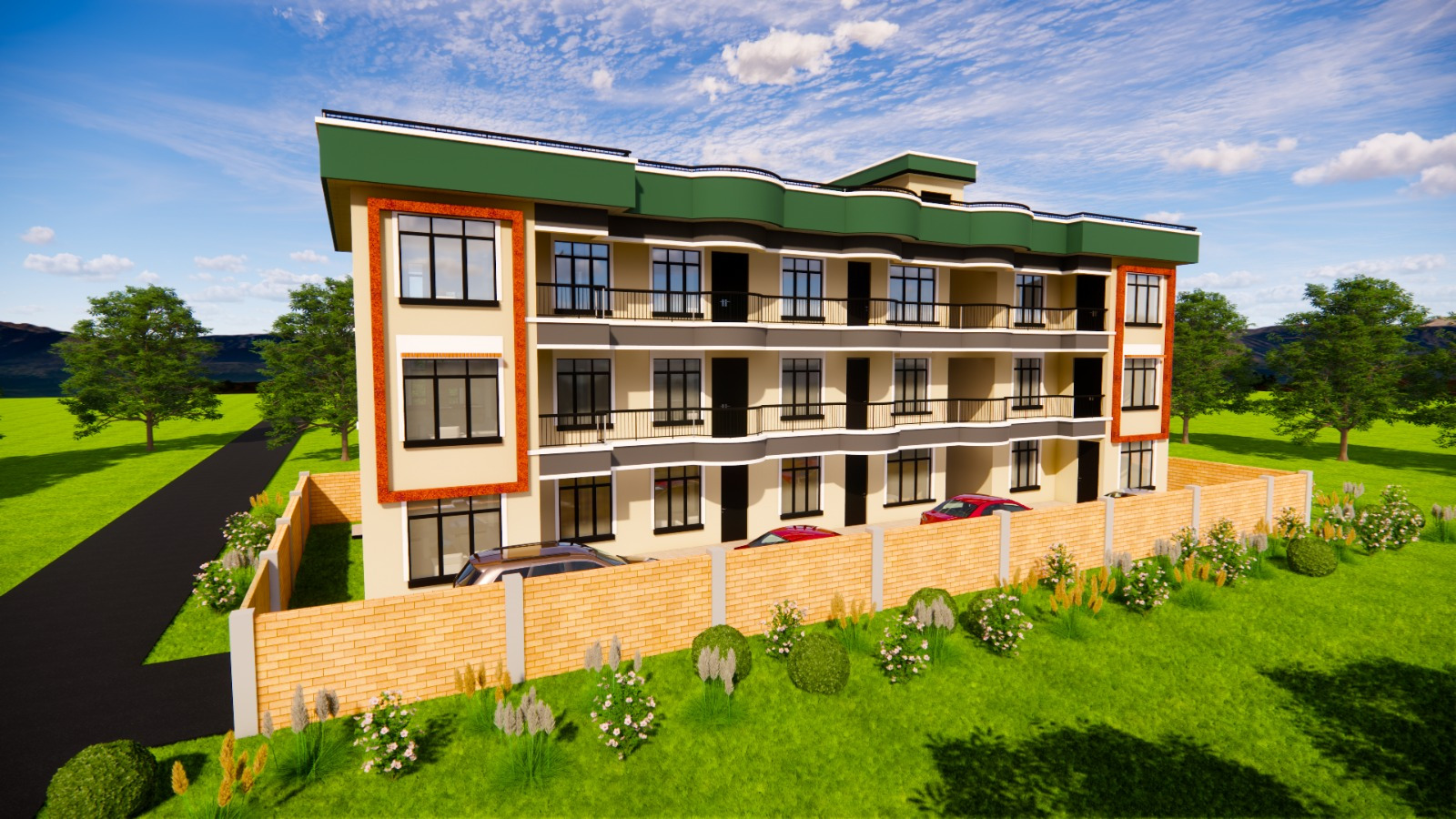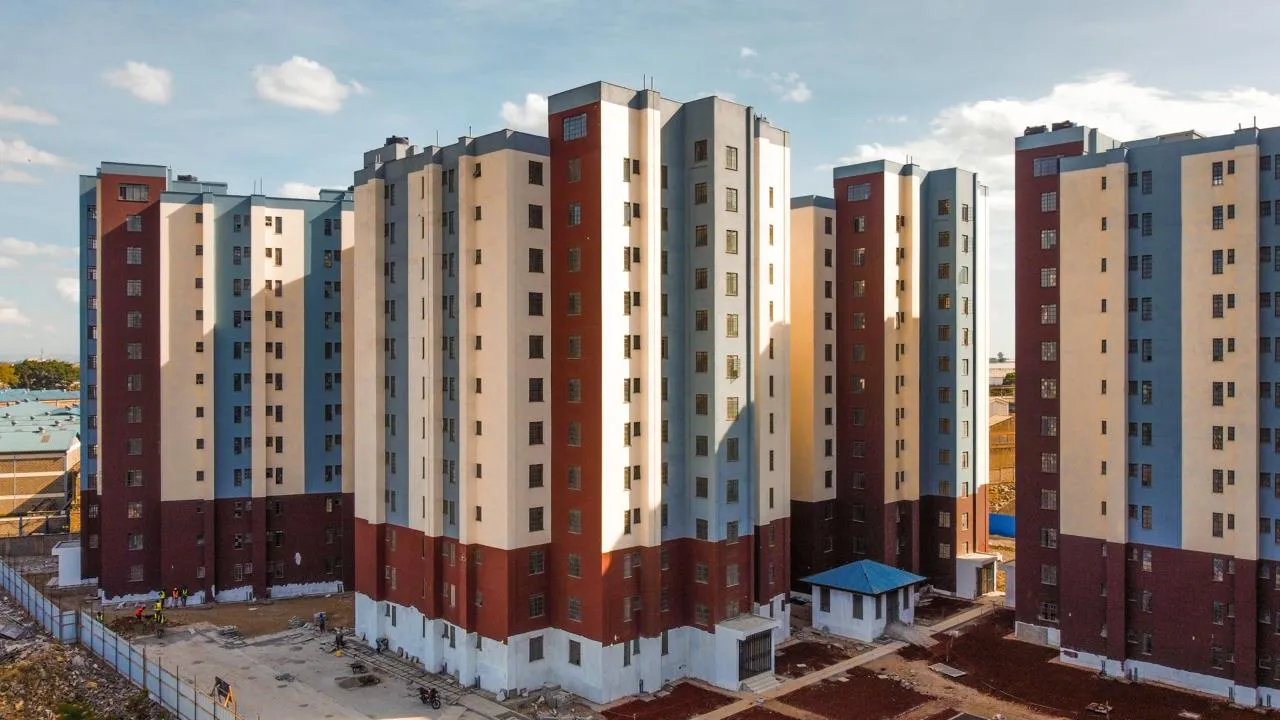
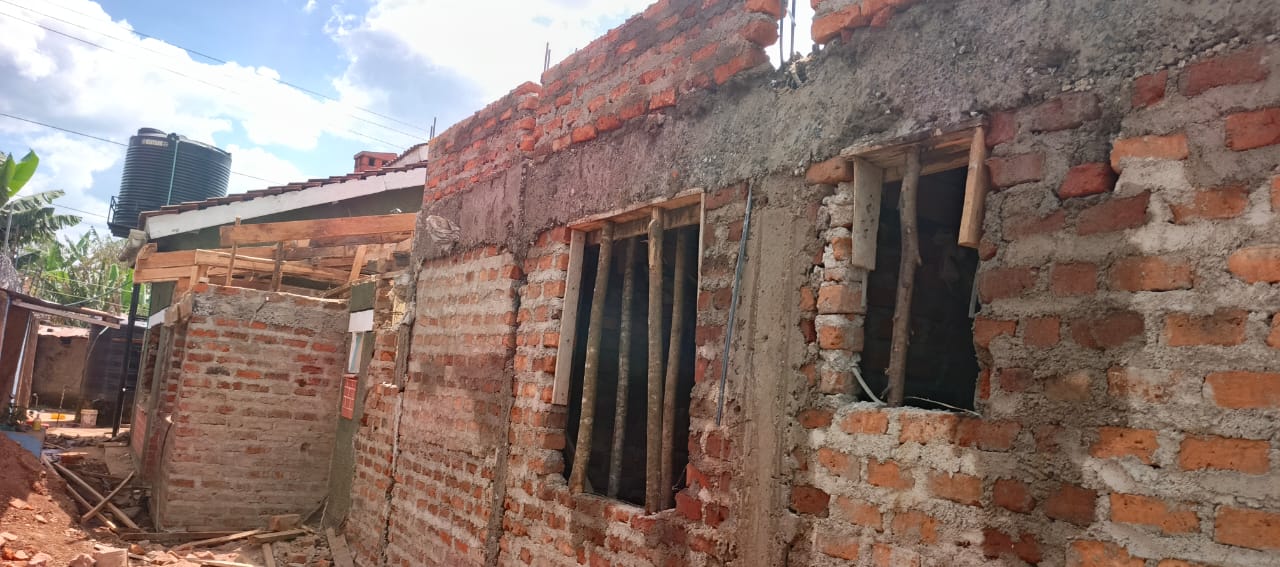
Professional school construction services in Kenya for classrooms, dormitories, sanitation, and education facilities. Get CBC-compliant designs, transparent costing, approvals, and fast delivery.
Introduction
In Kenya’s rapidly evolving education sector, quality physical infrastructure is essential for effective learning. Whether you’re planning new classroom blocks, dormitories, sanitation facilities, or administrative buildings, professional School Construction Services ensure durability, compliance, and functionality.
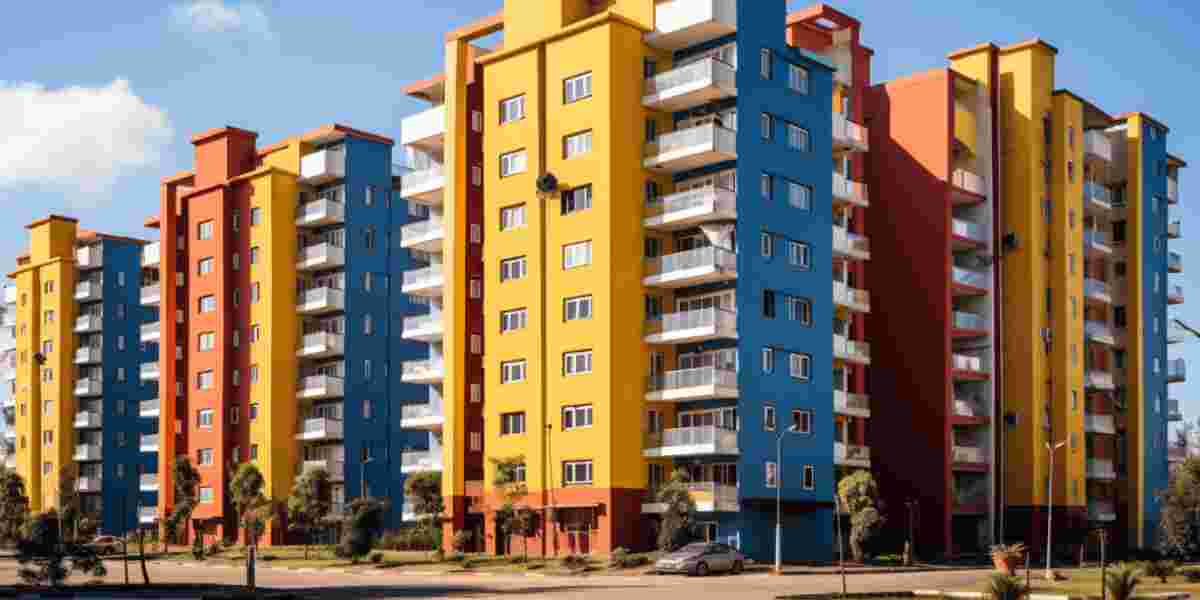
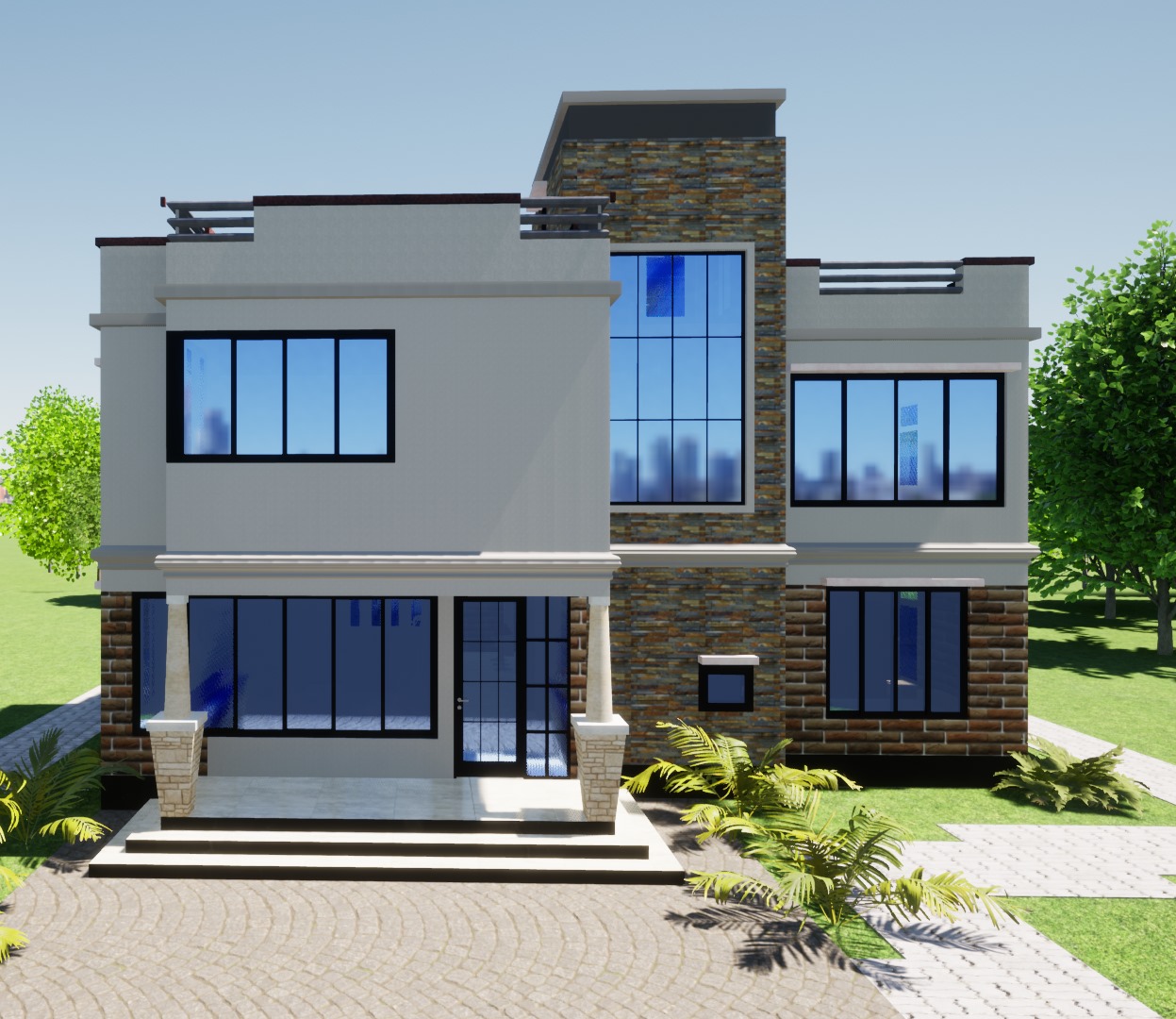
These services focus on Institutional Building Construction for both public and private education facilities in Kenya, including CBC-compliant classrooms, libraries, and laboratories. Working with experienced contractors guarantees that your school projects meet Education Facilities Kenya standards while staying within budget.
This guide will walk you through service types, construction standards, costs, timelines, contractor selection, and frequently asked questions to help you make informed decisions for your next school construction project.
Quick Snapshot: School Construction Services in Kenya
| Key Aspect | Summary | |
| Services Covered | Classroom blocks, CBC-compliant classrooms, dormitories, laboratories, libraries, administrative offices, sanitation facilities, staff housing, boundary walls, playgrounds, and landscaping. | |
| Target Projects | Public schools, private schools, institutional education facilities, donor-funded projects, and government-supported infrastructure programs. | |
| Compliance Standards | Ministry of Education (MoE) specifications, National Construction Authority (NCA) codes, Kenya Bureau of Standards (KEBS), CBC curriculum infrastructure guidelines. | |
| Construction Process | Site assessment → architectural design & BOQs → approvals & permits → construction execution → quality control → handover & aftercare. | |
| Cost & Budgeting | Transparent cost estimates, budgeting guidance, urban vs rural cost considerations, and support for public and private school funding models. | |
| Typical Timelines | Classroom blocks: 4–6 months; larger institutional projects: 6–18 months depending on scope and approvals. | |
| Contractor Requirements | NCA-licensed contractors with institutional building experience, regulatory compliance support, clear pricing, and delivery guarantees. | |
| Key Benefits | Durable and safe buildings, CBC compliance, improved learning environments, reduced long-term maintenance costs, and reliable project delivery. | |
| Best Practice Tip | Engage experienced institutional builders early to ensure compliance, accurate costing, and timely delivery of education facilities. |
What Are School Construction Services?
Definition of School Construction Services
School Construction Services refer to professional services that plan, design, and build educational infrastructure. This includes classroom blocks, dormitories, laboratories, libraries, and administrative facilities. These services ensure that school buildings are structurally sound, functional, and meet the standards set by Kenyan authorities.
Role in Institutional Building Construction
School construction is a specialised form of institutional building construction focusing on educational needs. It involves creating facilities that support learning, staff accommodation, and student welfare. Professional contractors handle everything from design to project management to ensure the school operates efficiently.
Why Specialised Services Matter for Education Facilities Kenya
Specialized School Construction Services are essential in Kenya to meet CBC curriculum requirements and government regulations. They ensure classrooms are suitable for modern learning, laboratories are safe, and sanitation facilities are adequate. Choosing experienced builders improves the longevity of structures and enhances the learning environment.
Types of Institutional Building Construction Solutions
CBC‑Compliant Classroom Blocks
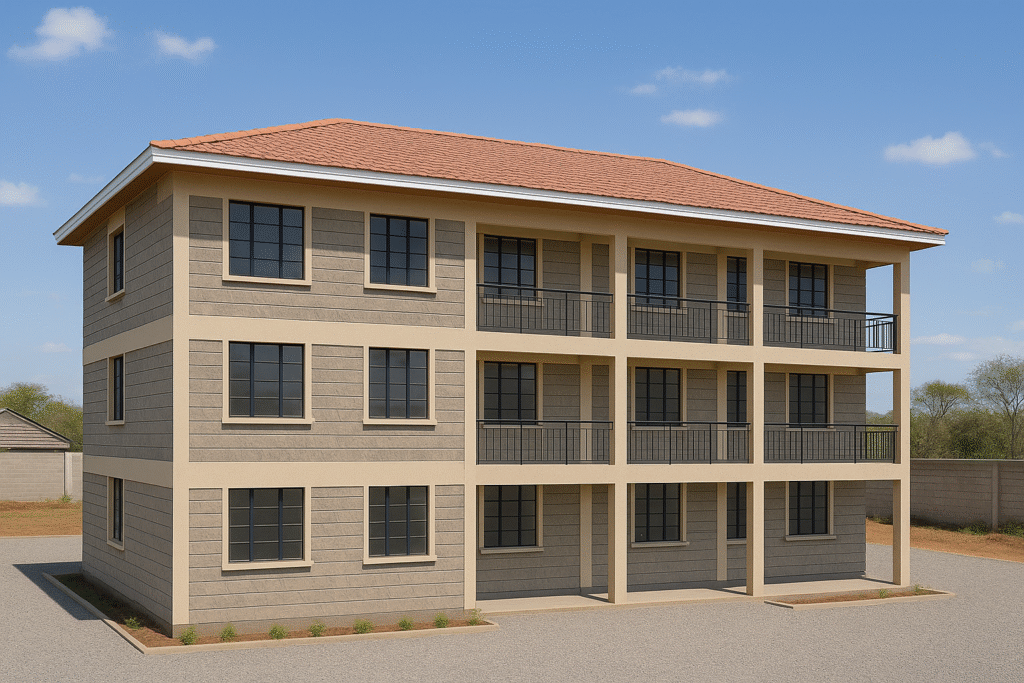
CBC-compliant classrooms are designed to accommodate the Competency-Based Curriculum in Kenya. They provide optimal lighting, ventilation, and space for modern teaching methods. These classrooms are essential for student engagement and effective learning outcomes.
Dormitories & Staff Housing
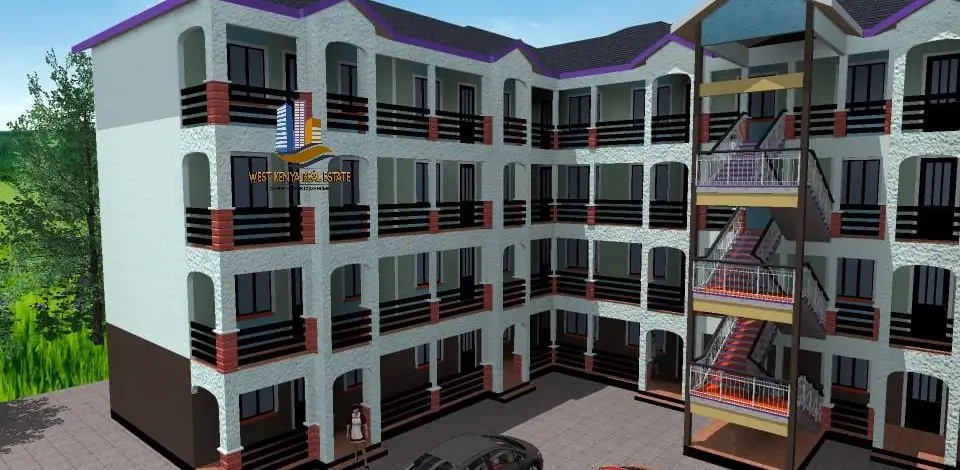
School dormitories and staff housing are integral for boarding schools and larger campuses. Proper planning ensures comfort, security, and efficient space utilisation. These buildings help attract quality staff and provide safe accommodations for students.
Sanitation, Water & Support Facilities
Sanitation blocks, water systems, and support facilities maintain hygiene and student health. Construction includes proper toilets, handwashing stations, and accessible water points. These facilities are critical for meeting safety and government standards.
H3: Administrative, Library & Laboratory Blocks
Administrative offices, libraries, and laboratories support the academic and operational functions of a school. These facilities require specialised design for workflow, safety, and usability. Proper construction ensures a productive and organised learning environment.
Boundary Walls, Playgrounds & Landscaping
Boundary walls, playgrounds, and landscaping secure the school premises and create a conducive learning environment. Safe outdoor areas encourage physical activity and student interaction. Landscaping also enhances aesthetics and long-term property value.
Education Facilities Standards & Compliance in Kenya
Ministry of Education Specifications
All school construction projects in Kenya must align with Ministry of Education (MoE) specifications. These guidelines cover classroom sizes, student-teacher ratios, laboratories, libraries, and sanitation facilities. Compliance ensures schools are functional and ready for CBC implementation, including infrastructure rollouts under government programs.
National Construction Authority (NCA) Codes
The National Construction Authority (NCA) regulates construction quality and contractor licensing in Kenya. Following NCA codes ensures projects are structurally sound, safe, and built by certified professionals. This is essential for public school projects funded by government or donor programs.
KEBS Material Standards
The Kenya Bureau of Standards (KEBS) defines material quality requirements for school construction. From concrete and steel to roofing and finishes, using certified materials guarantees durability and safety. KEBS compliance also protects long-term investments in education infrastructure.
Accessibility & Safety Requirements
Accessibility and safety are key in school buildings. Facilities must accommodate learners with disabilities, provide safe emergency exits, and follow proper sanitation guidelines. CBC infrastructure programmes also emphasise safety as part of their classroom rollout initiatives (vision2030.go.ke).
Process & Timeline for School Construction Projects
Needs Assessment & Site Survey
Every school construction project starts with a needs assessment and site survey. This step identifies the type of buildings required, evaluates soil conditions, and determines infrastructure needs. Proper assessment ensures efficient design and accurate project costing.
Architectural Design & BOQ Preparation
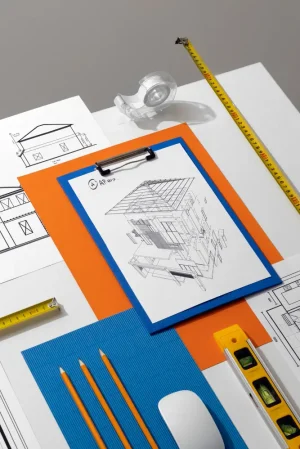
Next, architects create detailed designs and prepare Bills of Quantities (BOQs). This includes layout plans for classrooms, labs, dormitories, and administrative blocks. Accurate designs reduce delays and ensure compliance with MoE and NCA standards.
Permit Approvals (MOE & Local Authorities)
School construction requires permits from the Ministry of Education and local authorities. Approvals confirm that designs meet national standards and local zoning requirements. Obtaining permits early prevents project delays and legal issues.
Construction Execution & Quality Control
During execution, contractors follow strict quality control procedures. Regular inspections ensure materials and workmanship meet NCA and KEBS standards. Supervised construction guarantees safety, durability, and timely completion.
Handover, Maintenance Plans & Aftercare
After completion, schools are formally handed over to the client with maintenance plans and aftercare services. This includes guidance on facility upkeep and warranty coverage. Proper handover ensures schools remain functional and compliant long-term.
Cost Estimates & Budgeting for School Builds
Classroom Block Cost Factors
The cost of building classroom blocks in Kenya depends on multiple factors, including size, design, materials, and contractor fees. Other considerations include the number of classrooms, laboratories, and administrative spaces required. Quality construction ensures long-term durability and reduces future maintenance costs.
Cost Variations — Urban vs Rural
Construction costs vary significantly between urban and rural areas. Urban projects often face higher labor and material costs, while rural sites may incur additional transport or infrastructure expenses. Government-funded classroom rollouts also impact regional construction budgets (kenyanews.go.ke).
Budgeting for Public & Private Projects
Public and private school projects require different budgeting approaches. Public projects must follow government procurement guidelines, while private schools may have more flexibility in design and materials. Proper budgeting ensures the project stays on schedule and within financial limits.
Financing Options & Government Support
School construction can be funded through government grants, donor programs, or private financing. Programs like CBC classroom infrastructure initiatives provide partial funding for public schools. Exploring financing options early helps schools secure funds and reduce project delays.
Choosing the Right Contractor for Education & Public Buildings
Experience with Institutional Building Construction
Selecting an experienced contractor is key for successful school construction. Contractors with proven experience in institutional building construction understand MoE standards and CBC requirements. Their expertise ensures quality execution for classrooms, dormitories, and administrative facilities.
Compliance & Documentation Support
A reliable contractor handles all regulatory requirements, including permits, approvals, and compliance with NCA, KEBS, and MoE standards. This support reduces legal risks and ensures the project meets government regulations.
Transparent Pricing & Delivery Guarantees
Clear pricing and guaranteed timelines are essential for school projects. Contractors should provide detailed quotations, avoid hidden costs, and commit to project delivery schedules. This ensures accountability and builds trust with school boards and investors.
Aftercare & Warranty Services
Aftercare services and warranties protect the school investment post-construction. Contractors may provide maintenance guidance, repairs, and follow-up inspections. This ensures facilities remain functional, safe, and compliant for years to come.

Conclusion
Delivering high-quality School Construction Services in Kenya goes beyond simply building classrooms. It requires strict adherence to MoE specifications, NCA and KEBS standards, and CBC curriculum infrastructure guidelines to ensure every facility is safe, functional, and future-ready. Partnering with experienced contractors ensures that all aspects—from architectural design and project management to transparent costing and timely execution—are handled professionally.
Well-constructed schools contribute significantly to improving learning outcomes, boosting enrollment rates, and providing a safe and engaging environment for students. Beyond classrooms, comprehensive projects also include dormitories, staff housing, laboratories, libraries, sanitation facilities, and recreational areas, ensuring the school operates as a fully functional education hub. Incorporating government programs, donor initiatives, and proper budgeting strategies further enhances accessibility and affordability for public and private institutions.
By choosing the right contractor, schools gain not only expert construction but also guidance on approvals, compliance, and maintenance, minimising future costs and maximising the longevity of the facilities. Overall, investing in professional institutional building construction for educational facilities strengthens the community, supports sustainable development, and aligns with Kenya’s Vision 2030 education infrastructure goals.