
Discover proven strategies for avoiding construction delays, including planning, scheduling, risk management, procurement, and modern construction technologies to ensure projects are completed on time and within budget.
Introduction
Avoiding Construction Delays
Construction delays remain one of the biggest challenges facing the construction industry worldwide. Whether in residential housing developments, commercial buildings, or large infrastructure projects, delays can significantly disrupt project timelines, increase costs, and damage relationships between clients, contractors, investors, and consultants. In many cases, even small delays can trigger a chain reaction that affects labor schedules, material deliveries, equipment usage, and overall project profitability.
Studies across the global construction sector show that a large percentage of projects fail to meet their original completion deadlines due to poor planning, financial constraints, design changes, supply chain disruptions, labor shortages, and regulatory approvals. These setbacks not only increase construction costs but also harm company reputations and reduce investor confidence. For developers and contractors, delayed projects may result in legal disputes, penalties, and loss of future business opportunities.
Avoiding construction delays therefore requires a proactive and well-coordinated approach from the early planning stage to project completion. This article explores the major causes of construction delays, their financial and operational impact, and the most effective strategies for preventing them. It also discusses modern scheduling methods, communication practices, technology solutions, risk management systems, and contractor coordination techniques that help keep construction projects on schedule and within budget.
What Are Construction Delays?
Avoiding Construction Delays
Construction delays refer to any event or situation that causes a project to take longer than the agreed completion timeline. Delays can occur during any phase of construction, including planning, design, procurement, site preparation, or actual construction works. They are common in residential, commercial, and infrastructure projects and often lead to increased costs, disrupted schedules, and strained relationships between stakeholders.
Construction delays are generally categorized into excusable and non-excusable delays. Excusable delays are caused by factors beyond the contractor’s control, such as extreme weather conditions, government approval delays, labor strikes, or unexpected site conditions. In such cases, contractors may receive additional time to complete the project without penalties. Non-excusable delays, on the other hand, result from contractor-related failures such as poor supervision, inadequate planning, delayed procurement, or insufficient workforce management. These delays may expose contractors to financial penalties or legal claims.
Delays can also be classified as critical or non-critical. Critical delays directly affect the project completion date and can stop major construction activities. For example, delayed foundation works can postpone the entire building structure. Non-critical delays affect minor activities that may not immediately impact the final completion date.
Another common concept is concurrent delays, where two or more delays occur at the same time from different causes. For instance, a project may experience heavy rainfall while also facing material shortages simultaneously, making responsibility difficult to determine.
Understanding the different types of delays is important because it helps project owners, contractors, and consultants manage risks, allocate responsibilities, and handle claims fairly. Delays also affect project cash flow by increasing labor costs, equipment rental expenses, overheads, and financing charges, which can significantly reduce project profitability if not managed properly.
The Major Causes of Construction Delays
Construction delays can arise from multiple factors, and in many projects, several issues occur simultaneously. Most delays actually begin during the pre-construction phase, where poor planning, inadequate investigations, and unclear project requirements create problems that later affect execution. Understanding the major causes of delays is essential for improving project efficiency and minimizing costly disruptions.
Poor Project Planning
Poor planning is one of the leading causes of construction delays. Many projects begin with unrealistic timelines that fail to consider actual site conditions, labor productivity, weather interruptions, or procurement lead times. Developers sometimes rush projects to satisfy investors or market demands, resulting in schedules that are difficult to achieve.
A lack of feasibility studies can also create serious problems. Without proper financial, technical, and environmental assessments, projects may encounter unexpected obstacles after construction begins. Weak scope definition is another common issue, where project objectives, specifications, and responsibilities are not clearly outlined from the beginning.
Design Errors and Scope Changes
Incomplete or inaccurate designs frequently cause delays during construction. Missing details in drawings may force contractors to stop work while waiting for clarification from consultants or architects. Design conflicts between structural, electrical, and plumbing systems can also lead to costly rework.
Client change orders are another major factor. When clients request layout modifications, material upgrades, or additional features after construction has started, schedules are disrupted and budgets increase. Delays are further worsened by slow approval processes for revised drawings and design adjustments.
Permit and Regulatory Delays
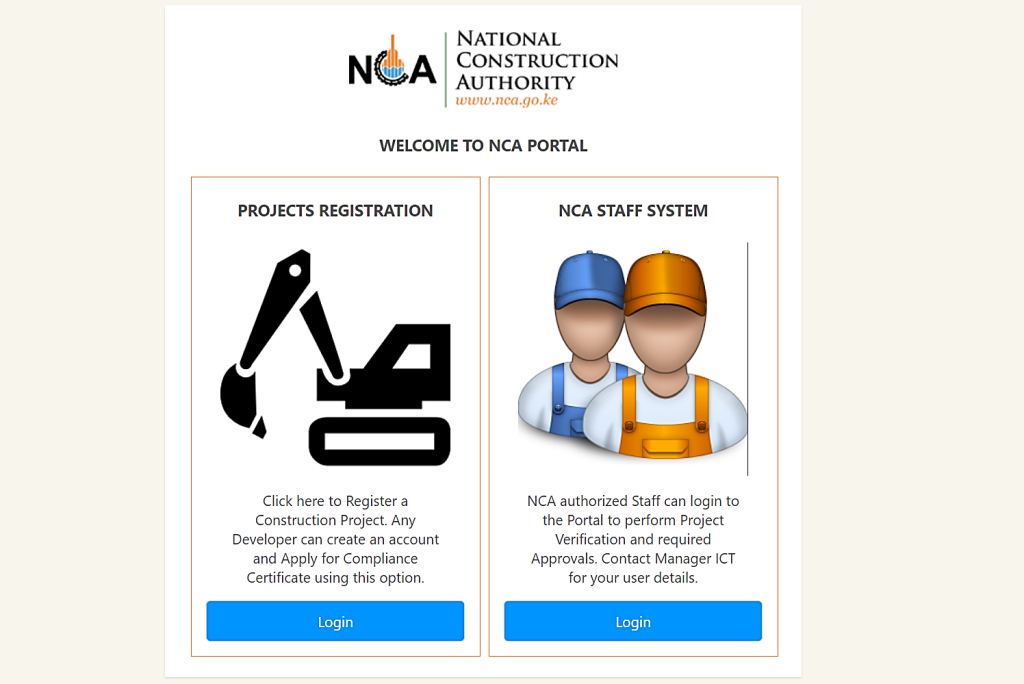
Construction projects often require approvals from multiple authorities before work can proceed. Delays in obtaining permits, licenses, or environmental approvals can significantly postpone project commencement. Regulatory bottlenecks are especially common in large commercial and infrastructure developments.
Environmental compliance requirements may also slow projects if environmental impact assessments are incomplete or rejected. In some cases, projects fail inspections due to non-compliance with building codes or safety standards, forcing contractors to repeat certain works.
Supply Chain and Material Shortages
Material procurement problems have become a major global challenge in construction. Imported materials may arrive late due to customs delays, shipping disruptions, or supplier shortages. Fluctuating material prices can also affect budgets and slow purchasing decisions.
Logistics issues such as poor transportation infrastructure, fuel shortages, or warehouse inefficiencies may further delay material delivery to construction sites, affecting project progress.
Labor Shortages and Poor Workforce Management
A shortage of skilled labor can reduce productivity and slow construction activities. Projects may struggle to find qualified masons, electricians, plumbers, welders, or equipment operators. Absenteeism, labor disputes, and poor workforce discipline can also disrupt schedules.
Inadequate supervision is another common issue. Without experienced site managers and supervisors, work coordination becomes ineffective, leading to mistakes, low productivity, and rework.
Equipment Breakdowns
Construction projects rely heavily on machinery and equipment for excavation, lifting, transportation, and concrete works. Poor equipment maintenance can result in unexpected breakdowns that halt critical activities. Delays may also occur when specialized equipment is unavailable or difficult to replace quickly.
Weather and Unforeseen Site Conditions
Extreme weather conditions such as heavy rainfall, flooding, strong winds, or excessive heat can interrupt construction operations and damage materials. Poor soil conditions discovered during excavation may require redesigns or additional foundation works.
Unexpected underground utilities such as water pipes, electrical cables,or sewer lines can also create serious delays if they were not identified during site investigations.

The Financial Impact of Construction Delays
Construction delays can have serious financial consequences for developers, contractors, investors, and project owners. Even minor disruptions can quickly escalate into major financial losses, especially in large residential, commercial, and infrastructure projects where timelines are tightly connected to budgets and financing arrangements.
One of the biggest effects of delays is cost overruns. When projects take longer than planned, expenses continue accumulating beyond the original budget. Contractors must pay workers for extended periods, increasing labor costs significantly. Site supervisors, engineers, security personnel, and administrative staff may all remain on payroll longer than expected, placing additional pressure on project finances.
Delays also lead to equipment idle time. Machinery such as excavators, cranes, generators, and concrete mixers may remain on-site without productive use while contractors wait for materials, approvals, or design clarifications. Since most heavy equipment involves rental or maintenance costs, idle time reduces overall project efficiency and profitability.
Many contracts also include penalty clauses known as liquidated damages. These clauses require contractors to compensate project owners for failing to complete work within the agreed timeline. In severe cases, delays may trigger legal disputes between contractors, clients, consultants, suppliers, or subcontractors regarding responsibility for additional costs and time extensions.
Investor dissatisfaction is another major concern. Delayed projects can reduce buyer confidence, affect property sales, postpone rental income, and weaken relationships with financial institutions. In infrastructure projects, delays may affect public services, economic activities, and government budgets.
Inflation further worsens construction delays. As projects extend over longer periods, the prices of cement, steel, fuel, imported materials, and transportation often increase, forcing developers to spend more than initially planned.
Several mega projects worldwide have experienced massive losses due to delays. For example, airport expansions, highway projects, and high-rise developments in different countries have exceeded budgets by billions because of design changes, regulatory challenges, and contractor disputes. Such delays ultimately reduce profitability and may even turn potentially successful projects into financial liabilities.
How Proper Pre-Construction Planning Prevents Delays
Proper pre-construction planning is one of the most effective ways to avoid construction delays. Many project problems originate long before physical construction begins, often due to poor preparation, unrealistic expectations, or incomplete project information. Investing sufficient time in planning helps project owners identify risks early, improve coordination, and create realistic schedules and budgets.
Conducting Feasibility Studies
Feasibility studies help determine whether a project is financially, technically, legally, and operationally viable before construction starts. These studies evaluate factors such as project costs, expected returns, market demand, environmental impact, and available infrastructure. Without proper feasibility analysis, developers may encounter funding shortages, unsuitable project locations, or unrealistic expectations that later cause delays.
Site Investigations and Soil Testing
Comprehensive site investigations are essential before beginning any construction work. Soil testing helps engineers determine the appropriate foundation design and identify issues such as weak soil, underground water, rock formations, or contamination. Failure to conduct proper investigations can result in foundation redesigns, excavation difficulties, and unexpected structural problems during construction.
Site investigations also help identify underground utilities such as water pipes, sewer lines, electrical cables, and communication networks that may interfere with construction activities if discovered late.
Accurate Budget Forecasting
Accurate budgeting is critical for maintaining project progress. Underestimating costs often leads to cash flow problems, delayed payments to contractors and suppliers, and interruptions in material procurement. Pre-construction planning should include realistic cost estimates for labor, materials, equipment, permits, taxes, and contingency allowances.
Developers should also account for inflation, exchange rate fluctuations, and possible market changes that could affect construction costs over time.
Risk Assessment and Mitigation Planning
Every construction project carries risks that can affect timelines and costs. Risk assessment helps identify potential problems before they occur, allowing teams to prepare solutions in advance. Common risks include weather disruptions, labor shortages, material price increases, regulatory delays, and design conflicts.
Mitigation planning may involve creating backup supplier networks, alternative construction schedules, emergency response procedures, and financial contingency reserves. Projects with strong risk management systems are better prepared to handle unexpected challenges without major delays.
Defining Clear Project Scope
A clearly defined project scope ensures that all stakeholders understand the project objectives, design requirements, timelines, and responsibilities from the beginning. Poor scope definition often leads to confusion, repeated changes, disputes, and rework during construction.
Involving consultants such as architects, engineers, quantity surveyors, and project managers early in the planning stage improves coordination and decision-making. Early collaboration also helps align stakeholders, including investors, contractors, suppliers, and regulatory authorities, reducing misunderstandings later in the project.
Creating contingency plans and maintaining clear communication throughout pre-construction planning further strengthens project readiness. In contrast, rushed projects often fail because critical studies, approvals, budgeting processes, and risk assessments are overlooked in an attempt to start construction quickly.
Effective Construction Scheduling Techniques
Effective construction scheduling is essential for completing projects on time and minimizing costly delays. A well-structured schedule helps contractors coordinate activities, manage resources efficiently, monitor progress, and respond quickly to unexpected challenges. Without proper scheduling systems, construction projects can easily experience confusion, downtime, and productivity losses.
Creating Realistic Timelines
One of the most important scheduling practices is developing realistic project timelines. Many delays occur because project owners or contractors create overly ambitious schedules that fail to consider actual site conditions, labor availability, weather interruptions, procurement lead times, and regulatory approvals.
Realistic timelines should be based on accurate project data, construction methods, workforce capacity, and material delivery schedules. Including schedule buffers is also important because unexpected issues such as equipment breakdowns or supply chain disruptions can occur during construction. Buffer periods provide flexibility without immediately affecting the final completion date.
Critical Path Method (CPM)
The Critical Path Method (CPM) is one of the most widely used scheduling techniques in construction project management. CPM identifies the sequence of activities that directly affect the project completion date. These activities are known as critical activities because any delay in them will delay the entire project.
For example, foundation works must typically be completed before structural framing begins. By identifying critical tasks early, project managers can prioritize resources, monitor progress closely, and address problems before they affect the schedule.
Gantt Charts and Milestone Tracking
Gantt charts are visual scheduling tools that display project activities along a timeline. They help construction teams track task durations, dependencies, and progress throughout the project lifecycle. Gantt charts improve coordination between contractors, consultants, suppliers, and subcontractors by clearly showing when activities should start and finish.
Milestone tracking is also important because it helps teams monitor key project stages such as permit approvals, foundation completion, roofing installation, or handover dates. Regular milestone reviews help identify delays early and allow corrective actions to be implemented quickly.
Two-Week Look-Ahead Schedules
Two-week look-ahead schedules are short-term planning tools used to manage daily and weekly site activities more effectively. These schedules focus on upcoming tasks, material deliveries, workforce coordination, and equipment requirements within the next two weeks.
They improve communication among site teams and help supervisors identify potential obstacles before they disrupt work progress. Frequent schedule updates also improve accountability and productivity on-site.
Resource Allocation Planning
Proper resource allocation ensures that labor, equipment, materials, and subcontractors are available when needed. Poor resource planning can create bottlenecks, idle workers, or equipment shortages that slow down project progress.
Construction sequencing also plays a major role in productivity. Activities must be arranged logically to avoid interference between trades and maximize workflow efficiency. For example, electrical and plumbing installations should be coordinated carefully before finishing works begin.
Modern scheduling software has greatly improved construction planning and monitoring. Popular tools such as Primavera P6, Microsoft Project, Procore, and Buildertrend help project managers create schedules, track progress, allocate resources, and generate real-time reports more efficiently.
The Role of Communication in Avoiding Construction Delays
Effective communication is one of the most important factors in preventing construction delays. Construction projects involve multiple stakeholders, including clients, consultants, contractors, suppliers, and subcontractors, all of whom must coordinate closely throughout the project lifecycle. Poor communication can lead to misunderstandings, confusion, errors, and costly disruptions that affect project timelines and budgets.
Clear communication between clients and consultants helps ensure that project requirements, expectations, and design intentions are properly understood from the beginning. Contractors also rely on accurate information from architects, engineers, and quantity surveyors to execute works correctly and efficiently. At the same time, suppliers and subcontractors need timely updates regarding schedules, material requirements, and site readiness to avoid interruptions.
One important communication tool in construction is the Request for Information (RFI). RFIs are formal documents used when contractors require clarification on drawings, specifications, or instructions. Proper RFI management helps resolve uncertainties quickly and reduces the risk of mistakes during construction.
Daily site meetings are also essential for reviewing ongoing activities, identifying challenges, coordinating trades, and discussing safety issues. These meetings help site teams stay aligned and respond to problems before they escalate into major delays. In addition, weekly progress reporting allows project managers and clients to monitor work performance, compare actual progress against schedules, and make informed decisions when corrective actions are needed.
Strong documentation systems further improve project communication by maintaining accurate records of approvals, inspections, instructions, material deliveries, design revisions, and project changes. Proper documentation reduces disputes and improves accountability among stakeholders.
Poor communication often creates rework, which is one of the most expensive causes of construction delays. For example, unclear drawings or verbal instructions may result in incorrect installations that must later be demolished and redone. Rework wastes labor, materials, equipment time, and financial resources while extending project schedules unnecessarily. Maintaining consistent, transparent, and organized communication throughout construction therefore plays a critical role in improving productivity and keeping projects on track.

Managing Contractors and Subcontractors Efficiently
Efficient management of contractors and subcontractors is essential for avoiding construction delays and maintaining project quality. Since construction projects involve multiple specialized trades working simultaneously, poor coordination can easily lead to scheduling conflicts, productivity losses, and costly rework. Proper contractor management ensures that all parties understand their responsibilities, timelines, and performance expectations from the beginning.
One of the first steps in reducing delays is contractor prequalification. Project owners and main contractors should carefully evaluate subcontractors based on experience, technical capacity, financial stability, safety records, workforce availability, and previous project performance. Hiring unqualified subcontractors often leads to poor workmanship, missed deadlines, and operational inefficiencies that disrupt the entire project schedule.
Performance monitoring is also critical throughout the construction process. Contractors and subcontractors should be evaluated regularly based on productivity, quality standards, safety compliance, and adherence to schedules. Tracking performance helps identify problems early and allows project managers to implement corrective actions before delays become severe.
Trade coordination plays a major role in maintaining smooth project flow. Different trades such as electrical, plumbing, mechanical, and finishing works must be carefully sequenced to avoid interference and congestion on-site. For example, poor coordination between plumbers and electricians may require walls or floors to be reopened after completion, causing unnecessary rework and delays.
Establishing accountability systems further improves efficiency. Clear reporting structures, written responsibilities, progress tracking systems, and contractual obligations help ensure that all contractors remain accountable for their assigned tasks and deadlines.
Managing subcontractor schedules is equally important because delays from one trade often affect several other activities. Project managers must ensure that subcontractors mobilize on time, maintain adequate workforce levels, and complete tasks according to the master schedule.
Experienced site supervisors are essential for successful contractor coordination. Skilled supervisors help monitor daily operations, resolve conflicts quickly, maintain productivity, and ensure work quality across multiple teams. In many projects, common subcontractor-related delays result from poor supervision, labor shortages, lack of materials, incomplete work, or failure to coordinate properly with other trades. Effective contractor management therefore plays a major role in keeping construction projects on schedule and within budget.
Using Technology to Prevent Construction Delays
Technology has become an essential tool for improving construction efficiency and reducing project delays. Modern digital solutions help contractors, consultants, and project managers monitor progress, improve communication, reduce errors, and make faster decisions. As construction projects become more complex, technology-driven systems are increasingly necessary for maintaining productivity and controlling schedules.
Building Information Modeling (BIM)
Building Information Modeling (BIM) is one of the most effective technologies for preventing construction delays. BIM creates a digital 3D representation of a building that integrates architectural, structural, mechanical, and electrical systems into a single coordinated model. This allows project teams to identify design conflicts and construction clashes before work begins on-site.
For example, BIM can detect situations where plumbing pipes interfere with structural beams or electrical systems. Identifying these problems early helps reduce costly rework, material waste, and schedule disruptions during construction.
Construction Management Software
Construction management software improves project planning, scheduling, budgeting, and reporting. These platforms allow project managers to track progress in real time, assign tasks, monitor labor productivity, and manage documentation efficiently.
Popular software solutions such as Primavera P6, Microsoft Project, Procore, and Buildertrend help construction teams improve coordination and maintain accurate project records. Automated reporting features also reduce administrative workload while improving transparency and accountability.
Drones and Site Monitoring
Drones are increasingly used for site inspections, progress monitoring, land surveys, and safety assessments. Aerial images and videos provide project managers with accurate site information without requiring extensive manual inspections. Drones can quickly identify delays, unsafe conditions, material storage problems, or incomplete works across large construction sites.
This technology also improves reporting accuracy and helps stakeholders monitor project progress remotely.
Cloud-Based Collaboration Tools
Cloud-based collaboration platforms allow project stakeholders to share drawings, schedules, reports, and updates instantly from any location. Clients, consultants, contractors, suppliers, and subcontractors can access the latest project information in real time, reducing communication delays and document confusion.
These systems also improve version control by ensuring teams work from updated drawings and specifications, minimizing construction errors caused by outdated documents.
Real-Time Reporting Systems
Real-time reporting systems allow site teams to capture daily progress data, labor records, safety observations, equipment usage, and material deliveries instantly through mobile devices or tablets. Digital tracking improves project visibility and allows managers to respond quickly to emerging problems before they escalate into major delays.
Technology also enhances decision-making by providing accurate data, predictive insights, and performance analytics. Project managers can identify productivity trends, forecast risks, optimize resource allocation, and make informed adjustments more efficiently. As a result, construction technology not only reducesdelays but also improves overall project quality, cost control, and operational efficiency.
How to Manage Material Procurement and Supply Chains
Effective material procurement and supply chain management is essential for avoiding construction delays. Since materials directly influence project progress, any disruption in supply can halt critical activities, increase costs, and extend project timelines. Proper procurement planning ensures that materials are available on-site when needed, without unnecessary delays or overstocking.
Early procurement planning is the foundation of efficient supply chain management. Materials should be identified and ordered well in advance based on the project schedule. This is especially important for long-lead items such as steel structures, elevators, tiles, mechanical systems, and imported finishes, which often require extended manufacturing and shipping times.
Supplier diversification is another key strategy for reducing risk. Relying on a single supplier can expose a project to delays in case of shortages, price changes, or logistical issues. Working with multiple approved suppliers helps ensure continuity of supply even when one source fails.
Inventory management also plays an important role in maintaining steady construction progress. Proper tracking of materials helps prevent shortages, wastage, and theft. Just-in-time delivery systems can be used to balance storage space limitations while ensuring materials arrive exactly when needed.
Local sourcing strategies can significantly reduce delays caused by transportation issues and import procedures. Locally available materials are often faster to procure and less affected by international shipping disruptions. However, quality and compliance standards must always be maintained when choosing local suppliers.
Global supply chain disruptions—such as shipping delays, fuel price increases, customs bottlenecks, and geopolitical issues—can significantly impact construction projects. These disruptions highlight the importance of flexible procurement planning and strong supplier relationships.
Best practices for procurement scheduling include aligning material orders with the construction timeline, tracking supplier lead times, maintaining buffer stock for critical materials, and regularly updating procurement plans based on project progress. When managed effectively, procurement systems help ensure smooth workflow and significantly reduce the risk of construction delays.
Risk Management Strategies for Construction Projects
Risk management is a critical component of successful construction project delivery, as it helps identify potential problems early and reduce their impact on time, cost, and quality. Without proper risk management, even well-planned projects can experience unexpected delays, disputes, and financial losses. A structured approach ensures that risks are continuously monitored and controlled throughout the project lifecycle.
Identifying Project Risks Early
Early identification of risks is the first step in preventing construction delays. This involves assessing potential issues during the planning and design stages before construction begins. Common risks include design errors, funding shortages, labor availability, supply chain disruptions, and regulatory approvals.
To manage this effectively, many projects use risk registers, which are structured documents that list all identified risks, their likelihood, potential impact, and mitigation measures. This helps project teams prioritize high-impact risks and allocate resources appropriately.
Contingency Planning
Contingency planning ensures that projects can continue even when unexpected issues arise. This involves setting aside contingency budgets, alternative schedules, backup suppliers, and emergency procedures to handle disruptions without halting progress.
Regular risk review meetings are also essential. These meetings allow project teams to reassess risks, update mitigation strategies, and address new challenges as the project progresses. This continuous monitoring helps prevent small issues from escalating into major delays.
Insurance and Contract Protections
Insurance and contractual safeguards play an important role in protecting construction projects from financial losses caused by unforeseen events. Construction insurance can cover risks such as accidents, property damage, and natural disasters. Well-structured contracts also include clauses for delays, extension of time (EOT), and dispute resolution mechanisms that clearly define responsibilities when delays occur.
These legal protections help reduce conflicts between stakeholders and ensure smoother project delivery even under challenging conditions.
Health and Safety Management
Strong health and safety systems reduce the risk of accidents that can halt construction activities. Proper training, site supervision, and safety protocols help minimize injuries and equipment damage. Accidents not only affect workers but can also lead to regulatory shutdowns, investigations, and significant delays.
Weather Preparedness Plans
Weather conditions can significantly disrupt construction activities, especially in outdoor projects. Weather preparedness plans help teams anticipate seasonal risks such as heavy rainfall, flooding, or extreme heat. Adjusting schedules, protecting materials, and planning weather-sensitive activities in advance can reduce downtime and damage.
Emergency response plans are also essential for handling unexpected incidents such as accidents, fires, or severe weather events. These plans ensure quick action, minimize damage, and allow construction activities to resume as soon as possible.
Legal and Contractual Strategies to Minimize Delays
Legal and contractual frameworks play a crucial role in minimizing construction delays by clearly defining responsibilities, expectations, timelines, and consequences for all parties involved. Well-structured contracts help reduce disputes, improve accountability, and ensure that projects progress smoothly even when challenges arise.
Importance of Clear Contracts
Clear and detailed contracts are the foundation of successful construction project delivery. They outline the scope of work, timelines, payment schedules, quality standards, and roles of each stakeholder. When contracts are vague or incomplete, misunderstandings often arise, leading to disputes, rework, and delays. A well-drafted contract ensures that all parties have a shared understanding of project requirements from the beginning.

Delay Clauses
Delay clauses define how different types of delays will be handled during the project. These clauses specify whether a delay is excusable or non-excusable and outline the procedures for requesting time extensions or compensation. They help prevent confusion when unexpected events such as weather disruptions, design changes, or material shortages occur.
Liquidated Damages
Liquidated damages are financial penalties imposed when a contractor fails to complete a project within the agreed timeframe. These clauses encourage timely performance and protect the project owner from financial losses caused by delays. However, they must be clearly defined in the contract to avoid disputes and ensure fairness for both parties.
Extension of Time (EOT) Claims
Extension of Time (EOT) claims allow contractors to request additional time when delays occur due to factors beyond their control, such as extreme weather, client changes, or regulatory approvals. Proper documentation is essential when submitting EOT claims, as contractors must prove that delays were justified and not caused by their own negligence.
Dispute Resolution Methods
Disputes are common in construction projects, especially when delays occur. Effective dispute resolution methods such as negotiation, mediation, arbitration, or adjudication help resolve conflicts without halting project progress. These methods are faster and more cost-effective than litigation, allowing construction work to continue with minimal disruption.
Importance of Documentation in Claims Management
Accurate documentation is critical in managing claims related to delays. Site diaries, progress reports, photographs, meeting minutes, and correspondence records provide evidence to support or defend delay claims. Without proper documentation, it becomes difficult to prove responsibility, which can lead to unresolved disputes, financial losses, and extended project delays. Strong documentation practices therefore improve transparency, accountability, and fairness in construction project management.
Best Practices for Avoiding Construction Delays
Avoiding construction delays requires a proactive and disciplined approach that integrates planning, coordination, monitoring, and risk management throughout the project lifecycle. The following best practices provide a practical framework for ensuring projects remain on schedule and within budget.
- Finalize designs before starting
Ensure all architectural, structural, and MEP drawings are complete, coordinated, and approved before construction begins to minimize changes and rework. - Start permits early
Initiate approval processes with local authorities and regulatory bodies as early as possible to avoid delays in project commencement. - Use realistic schedules
Develop timelines based on actual productivity rates, site conditions, and procurement lead times rather than overly optimistic assumptions. - Vet contractors carefully
Select experienced and qualified contractors and subcontractors based on past performance, technical capacity, and financial stability. - Track progress daily
Monitor site activities continuously to identify delays early and implement corrective actions before they escalate. - Communicate consistently
Maintain clear communication between clients, consultants, contractors, and suppliers to avoid misunderstandings and errors. - Procure materials early
Order long-lead and critical materials in advance to ensure timely availability and prevent work stoppages. - Conduct regular inspections
Carry out frequent quality and progress inspections to ensure compliance with designs and specifications. - Use modern project management tools
Adopt digital tools for scheduling, reporting, and collaboration to improve coordination and reduce manual errors. - Maintain contingency budgets
Set aside financial buffers to handle unexpected costs, changes, or delays without disrupting project progress.
Quick Implementation Checklist
- Confirm design approvals are complete before mobilization
- Verify all permits are secured or in progress
- Establish a baseline construction schedule with buffers
- Prequalify all contractors and subcontractors
- Set up a daily reporting and monitoring system
- Confirm procurement plans for long-lead materials
- Schedule weekly coordination meetings
- Assign clear responsibilities for all project stakeholders
- Implement a documentation system for tracking progress and changes
- Review and update risk and contingency plans regularly
By consistently applying these practices, construction teams can significantly reduce delays, improve efficiency, and deliver projects successfully within planned timelines.
Common Mistakes That Lead to Project Delays
Many construction delays do not result from unexpected events but from avoidable mistakes made during planning and execution. Recognizing these errors early can help project owners and contractors improve decision-making and keep projects on track.
One of the most common mistakes is starting construction without complete drawings. When architectural, structural, or MEP designs are incomplete, contractors are forced to pause work frequently for clarifications, leading to rework and lost time.
Underestimating budgets is another major issue. When project costs are not accurately forecasted, cash flow problems arise, causing delays in material procurement, labor payments, and subcontractor work. Ignoring risks such as weather, supply chain disruptions, or regulatory approvals further increases the likelihood of unexpected interruptions.
Poor contractor selection also contributes significantly to delays. Hiring unqualified or inexperienced contractors often results in low productivity, poor workmanship, and missed deadlines. Similarly, delayed decision-making by clients or consultants can slow down approvals, design changes, and procurement processes.
A lack of proper site supervision leads to inefficiencies, poor coordination, and quality issues that require rework. Unrealistic deadlines also place unnecessary pressure on teams, making it difficult to maintain quality and consistency in execution.
Finally, fast-tracking projects without proper planning can backfire. Although it aims to shorten timelines by overlapping activities, it often increases the risk of errors, rework, safety issues, and coordination conflicts. Without strong planning and communication systems, fast-tracking can end up causing even greater delays than traditional scheduling approaches.
Future Trends in Reducing Construction Delays
The construction industry is rapidly evolving, with new technologies and methods emerging to reduce delays, improve efficiency, and enhance project delivery. These innovations are transforming how projects are planned, executed, and monitored across both developed and emerging markets.
AI-powered scheduling is becoming increasingly important in modern construction management. Artificial intelligence can analyze project data, predict potential delays, and suggest optimized schedules based on productivity trends, weather patterns, and resource availability. This helps project managers make faster and more accurate planning decisions.
Predictive analytics further strengthens delay prevention by using historical and real-time data to forecast risks before they occur. This allows teams to proactively address issues such as material shortages, labor constraints, or equipment failures.
Smart construction technologies, including IoT-enabled devices and real-time sensors, are improving site monitoring and safety. These tools provide instant feedback on equipment performance, structural conditions, and workforce activity, helping managers respond quickly to potential disruptions.
Modular construction is also gaining popularity as a way to significantly reduce project timelines. By manufacturing building components off-site and assembling them on-site, projects experience fewer weather-related delays, improved quality control, and faster completion rates.
Digital twins—virtual replicas of physical construction projects—allow teams to simulate progress, test scenarios, and identify potential delays before they occur. This enhances decision-making and reduces costly errors during execution.
Automation and robotics are increasingly being used for repetitive or high-risk tasks such as bricklaying, welding, and material handling. These technologies improve productivity, reduce human error, and minimize downtime.
Looking ahead, construction efficiency in Africa and globally is expected to improve significantly as digital transformation becomes more widespread. In Africa, growing investment in infrastructure and urban development is driving adoption of modern construction technologies, which will help reduce delays and improve project delivery standards across the region.
Conclusion: Why Avoiding Construction Delays Is Critical for Project Success
Avoiding construction delays is essential for delivering successful projects that meet time, cost, and quality expectations. Throughout the construction lifecycle, effective planning remains the foundation of timely project completion. When projects are properly planned from the pre-construction stage, risks are identified early, resources are allocated efficiently, and expectations are clearly defined among all stakeholders.
Strong scheduling and communication systems further ensure that activities are well-coordinated and progress is closely monitored. Clear communication between clients, consultants, contractors, and suppliers reduces misunderstandings, prevents errors, and keeps all teams aligned with project goals.
The adoption of modern technology also plays a key role in minimizing delays. Tools such as construction management software, BIM, and real-time reporting systems improve decision-making, enhance accuracy, and allow faster response to emerging issues.
At the same time, effective risk management helps projects anticipate and mitigate potential disruptions such as weather conditions, labor shortages, or supply chain issues. Proper contractor coordination ensures that all teams work efficiently together without conflicts or scheduling bottlenecks. In addition, well-organized procurement planning guarantees that materials are available when needed, preventing unnecessary stoppages.
Ultimately, construction success depends on how well all these elements are integrated and managed.
Projects rarely fail because of one major issue. Most delays result from multiple small management failures that accumulate over time. Companies that prioritize planning, coordination, communication, and proactive risk management are far more likely to complete projects successfully and profitably.